
Best All Mountain E Bike: Types Compared and How to Choose for 2026
Disclosure: We may earn a commission when you buy through links on this page, at no extra cost to you. As an Amazon Associate I earn from qualifying purchases. Learn more

Compare the best all mountain e bike types by motor, battery, suspension and fit in this clear guide to choosing the right model for your trails.
Mountain e bikes look similar in photos, yet they split into types that ride nothing alike. A hardtail and a full suspension trail bike suit different ground, budgets, and bodies. This guide to the best all mountain e bike compares each type side by side so the differences are clear before you compare motors and prices.
You will see what each type does well, what it costs in general terms, and which riders should skip it. Use the comparison table below to find your type, then work through sizing, brakes, and battery range before you decide.

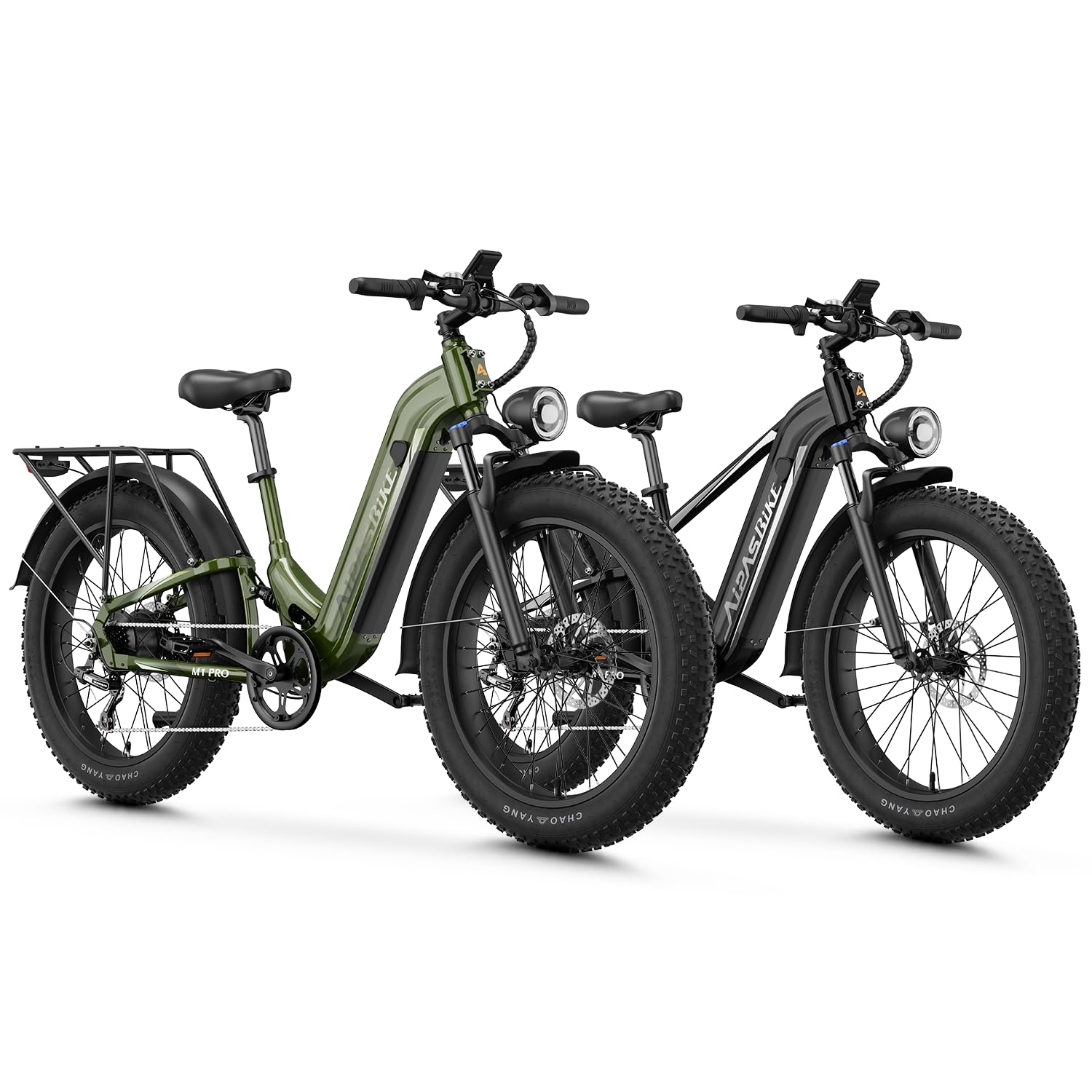
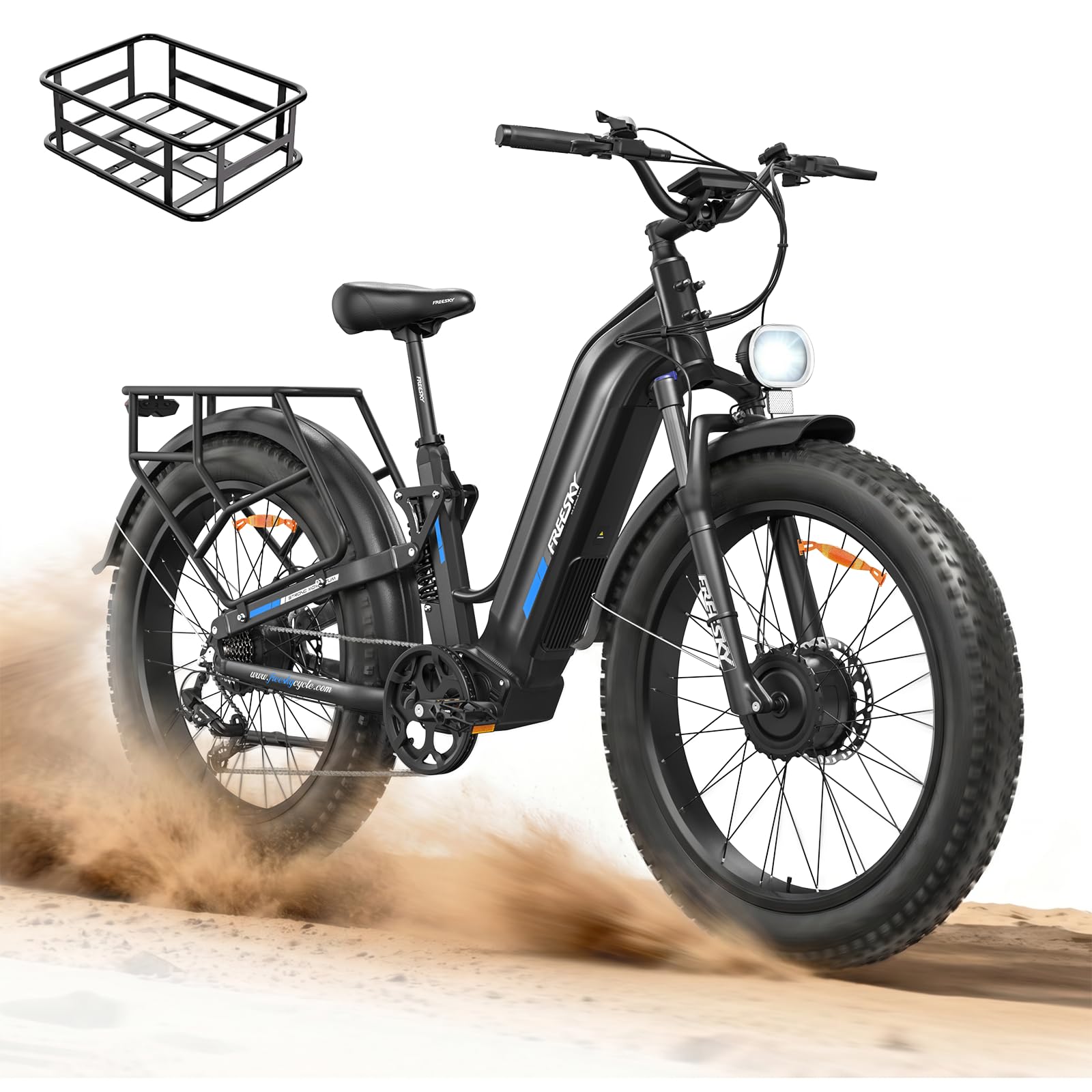

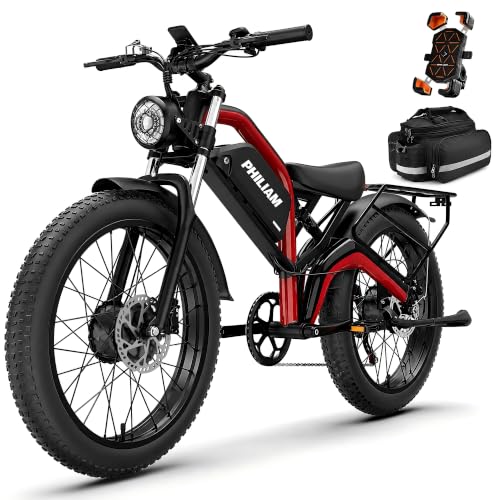

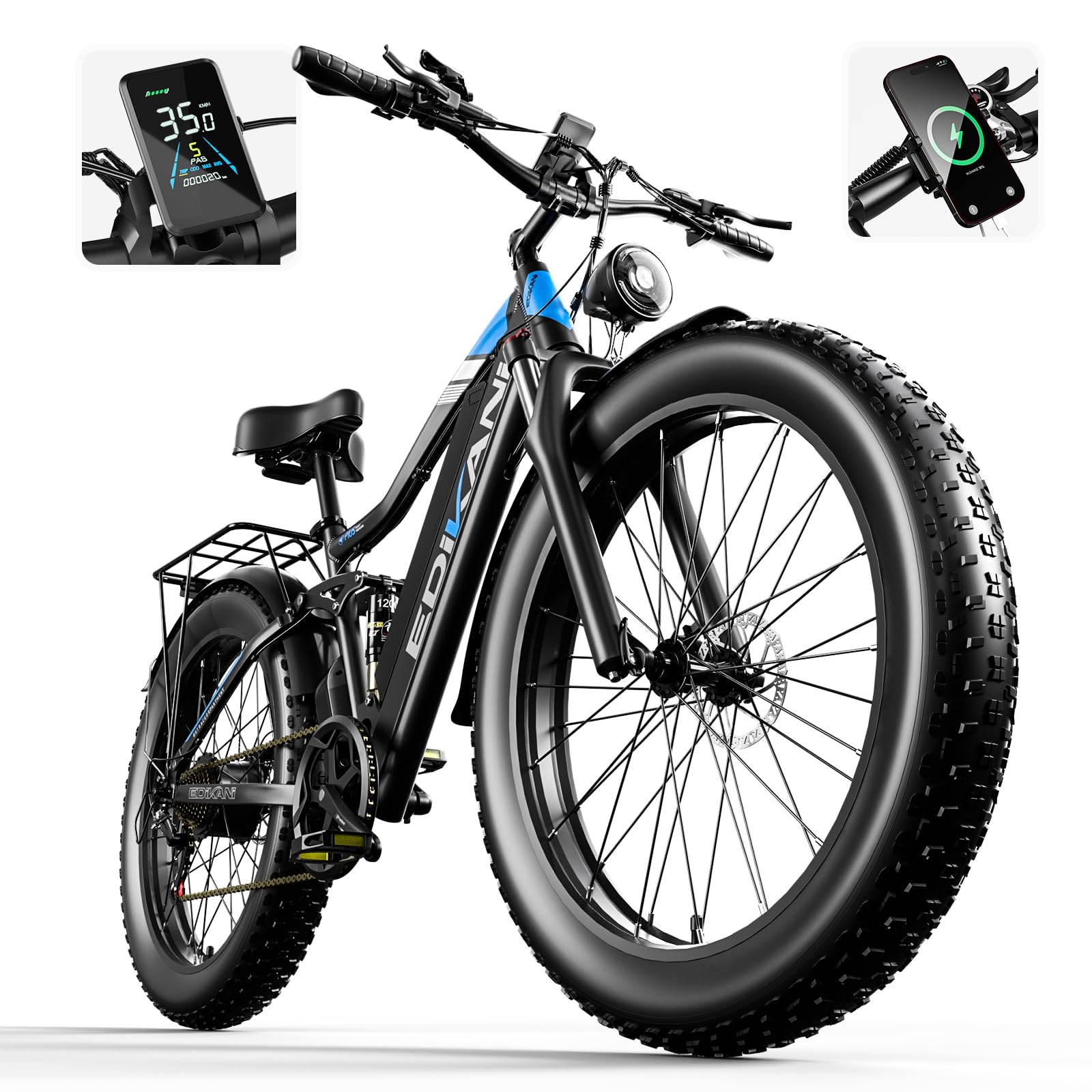
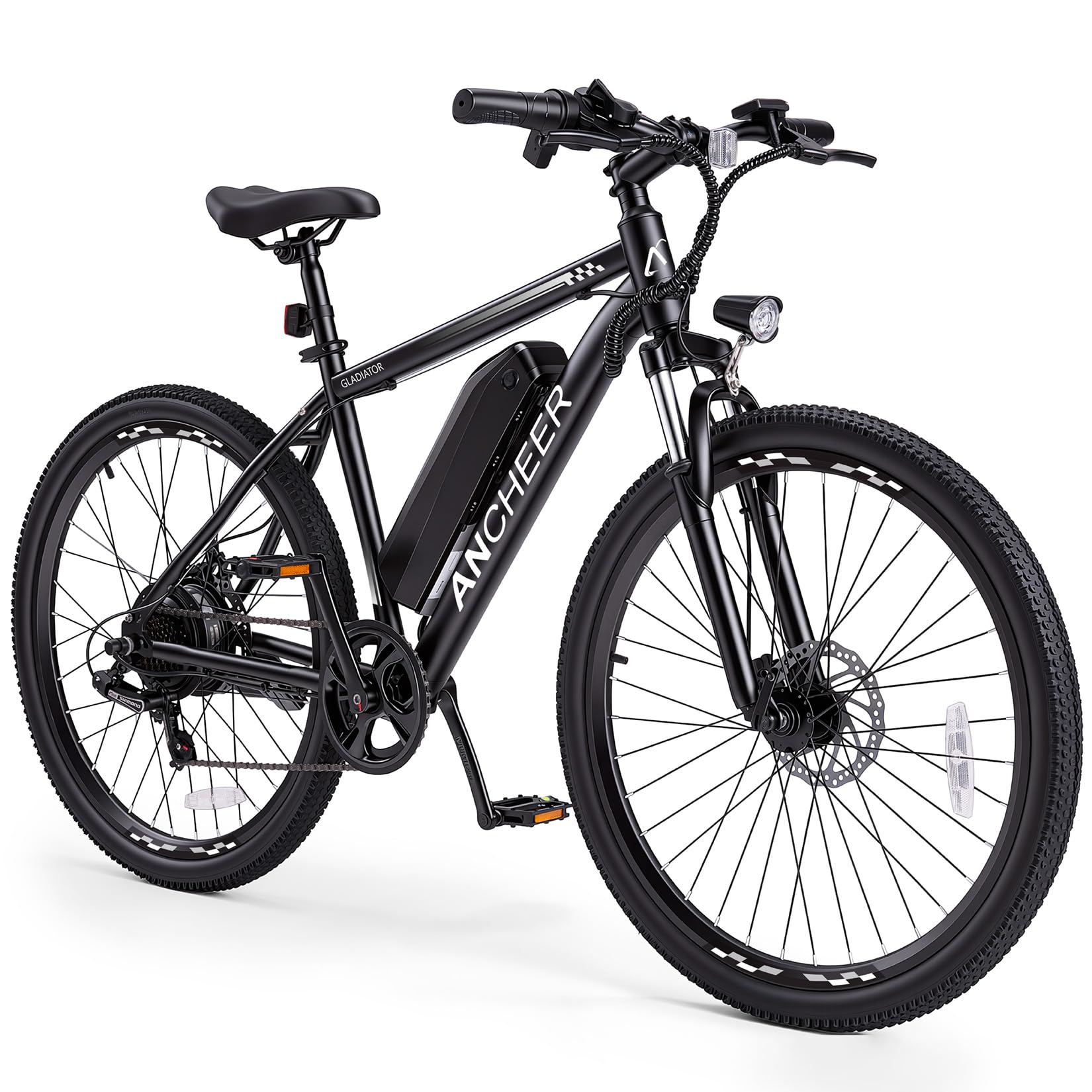
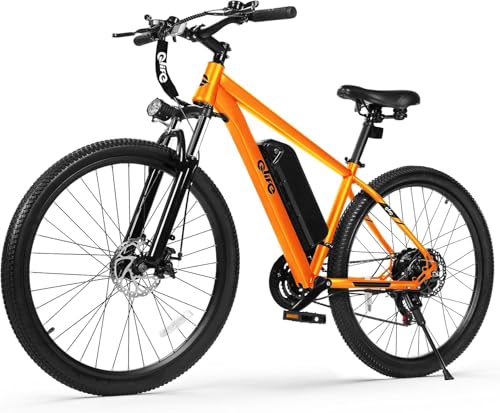
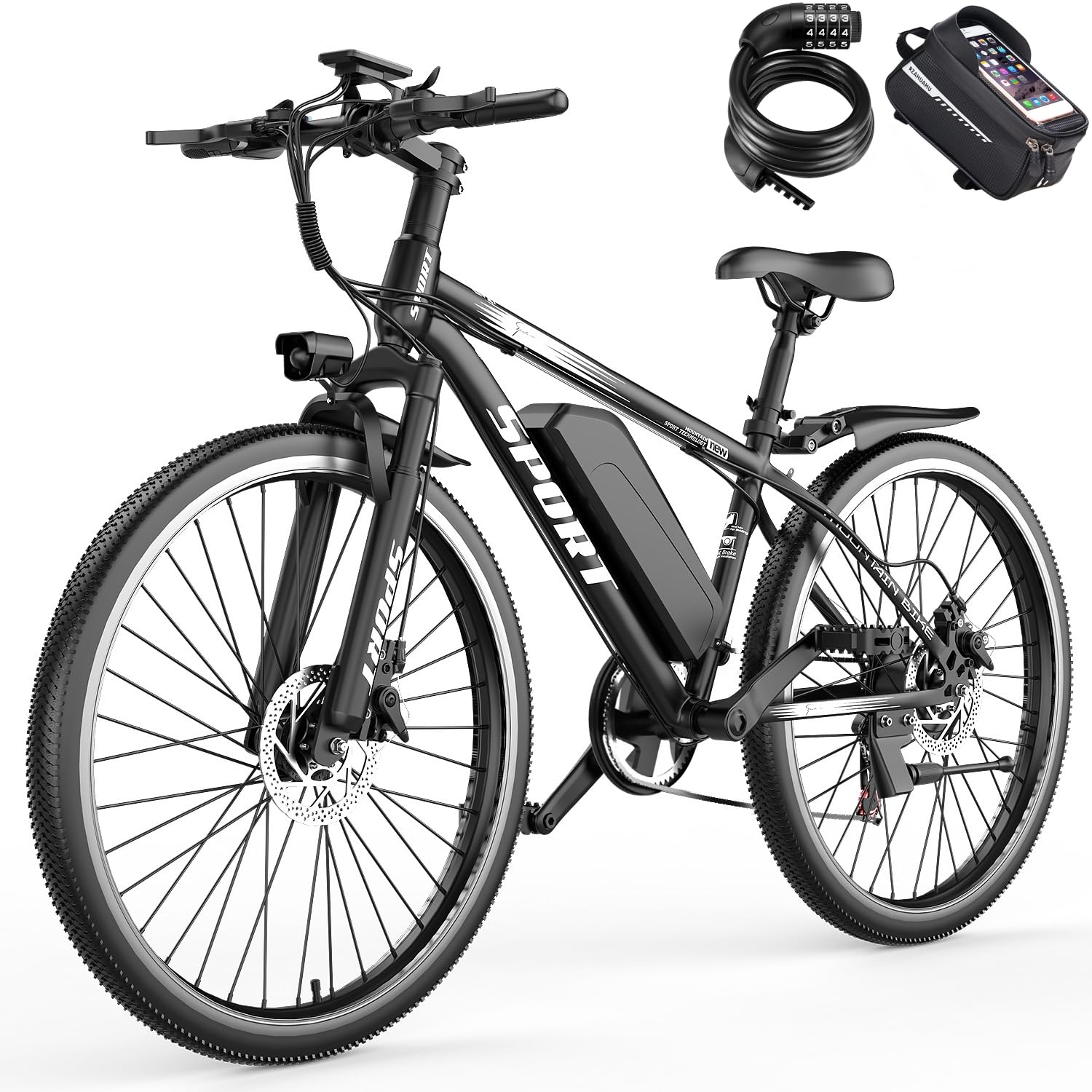
Types of Mountain E Bikes Compared
Price climbs steeply with suspension and battery size. Hardtails cluster at the low end, while full suspension trail models fill the middle and top. For a wider view of the category, see our guide to the best e mountain bike after you settle on a type here.
Hardtail Mountain Bikes
A hardtail has a front suspension fork and a rigid rear, so the rear tire and your legs absorb rear impacts. On an e bike that simplicity pays off: less weight, fewer pivots to service, and more of the budget left for the motor and battery. Many hardtails also accept a rear rack, which suits bikepacking and mixed road and trail use.
The limit shows on rough descents, where the rear wheel skips over rocks and roots and your body tires faster. Choose a hardtail if your trails are smooth to moderate, you value low upkeep, or your budget is tight. Our guide to the best hardtail e mountain bike goes deeper on this type alone.
Full Suspension Mountain Bikes
A full suspension bike adds a rear shock and linkage so both wheels track rough ground. On descents it holds traction, protects your back and hands, and lets the motor drive you up technical climbs without the rear wheel spinning as easily. This is the most capable type and the one most all mountain riders picture.
It is also the heaviest and most expensive type, and the pivots and shock need service. Choose it if your trails are rocky, steep, or long, and your budget covers the middle range and up. Riders watching weight can compare options in our guide to the best lightweight e mountain bike, since lighter builds do exist at higher prices.
Hardtail vs Full Suspension: Which Should You Choose?
Terrain decides this one. A hardtail is lighter, simpler and cheaper to service, and it handles smooth to moderate singletrack well. A full suspension bike keeps the rear wheel planted on rocks and roots, which saves your back and hands on long rough descents.
Budget and upkeep matter too, since a full suspension frame adds pivots and a shock that need regular service. Buy for where you will ride in a year, not just this month. If your trails are smooth and your budget is tight, the hardtail is the smart pick. If you ride rocky, steep ground often, the extra cost of full suspension pays off every ride.
How to Choose the Right Mountain E Bike
Bike Type and Riding Style
Name your discipline honestly. Cross country riding favors lighter bikes with less suspension travel. Trail and all mountain riding, the focus here, suits about 130 to 160 mm of travel and balanced geometry. Enduro builds add travel and strength for racing and bike parks, at the cost of weight and climbing comfort.
If your rides mix pavement and dirt, resist buying the most aggressive build. A mid travel trail bike pedals well, descends with confidence, and will not punish you on the road sections. Riders comparing the wider family can also read our guide to the best e bike mountain bikes for more type detail.
Brakes: Hydraulic vs Mechanical Disc
Choose hydraulic disc brakes for any real mountain use. They stop a heavy e bike with one or two fingers, modulate well on loose descents, and need little adjustment as pads wear. Mechanical disc brakes cost less and use cables, but they feel weaker and need frequent tweaking, which matters more as bike and battery weight rise.
Check rotor size too. Larger rotors, about 180 to 200 mm, shed heat on long descents and suit heavier riders. Whatever the spec sheet says, bed in new pads with a series of gentle stops before your first steep trail, so braking power is there when you need it.
Sizing and Fit
Fit decides comfort and control more than any motor spec. Use the maker size chart with your height, then check standover height, the space between you and the top tube when standing over the bike. Reach should let you ride with a slight bend in the elbows, not stretched out or cramped.
Because e bikes are heavy, a slightly smaller size often feels safer than a bigger one, since you can get a foot down and move the bike around. If you fall between sizes, favor the smaller frame and adjust with the seatpost and stem. A short test ride on a slope tells you more than any chart.
Drivetrain and Gearing
Most mountain e bikes use a single front chainring with a wide range rear cassette, often called a 1x setup. It is simple, drops chains less, and gives low gears that matter because motor assist still leaves you pedaling on steep climbs. More gears with smaller steps feel smoother, but durability under motor torque matters more.
Look for a drivetrain rated to handle e bike torque, and expect chains and cassettes to wear faster than on a regular bike. Budget for those parts yearly if you ride often. Smooth shifting under light pedal pressure, rather than forcing shifts under full power, extends their life a lot.
Motor, Battery, and Range for E Bikes
A mid drive motor sits at the cranks, uses the gears, and climbs best with balanced handling. A hub motor costs less and suits gentle ground but struggles on steep, slow climbs. Battery size is measured in watt hours, or Wh: more Wh means more range and more weight. About 500 to 750 Wh covers most trail days.
Know your class. Class 1 is pedal assist up to 20 mph, Class 2 adds a throttle, and Class 3 assists to 28 mph and is often barred from trails. Prefer a system with UL 2849 certification for electrical safety, charge the battery indoors on a hard surface, and never charge a damaged battery.
Best Mountain E Bikes for Specific Needs
Best Mountain E Bike under 1000: Which Type Works Best
Shoppers hunting the best mountain e bike under 1000 should expect a hardtail or a hub motor model with modest battery size and mechanical or entry hydraulic brakes. That budget can work for smooth trails and dirt roads if you prioritize frame strength and brakes over travel and brand. Our guide to the best affordable e mountain bike explains where low price models cut costs, so you can judge the trade offs clearly.
Best Ladies Mountain E Bike
The best ladies mountain e bike is mainly about fit, not a separate category: look for smaller frame sizes, low standover height, narrower handlebars, and a saddle shaped for women. Lighter weight helps too, since lifting a heavy bike onto a rack is a real barrier. Any type in this guide can suit women riders when the size range and touch points fit properly.
Tips to Get the Most From Your Mountain E Bike
- Check tire pressure before every ride. A heavy e bike on soft tires feels vague and drains the battery faster.
- Charge the battery between about 20 and 80 percent for storage, and top it up before rides rather than leaving it full for weeks.
- Clean and lube the chain every 100 to 200 miles, because motor torque grinds a dry chain quickly.
- Shift gently. Ease off pedal pressure for a moment as you shift to protect the drivetrain.
- Have a professional tune up yearly, including brake pads, suspension service, and a battery health check.
Mountain E Bikes: Your Questions Answered
How much should I spend on my first bike?
Plan on the middle range for a first true trail e bike, since the lowest prices buy weak brakes, small batteries, and forks that limit where you can ride. Hardtails give the most trail ability per dollar. Think about total cost too: a helmet, a good lock, and yearly drivetrain parts belong in the same budget as the bike itself.
Hardtail or full suspension for beginners?
A hardtail is the simpler and cheaper start, and it teaches clean line choice on smooth to moderate trails. Full suspension is the better start if your local trails are rocky, because it forgives mistakes and reduces fatigue. Either way, beginners gain more from good brakes and correct sizing than from extra travel, so rank those features first.
What size bike do I need?
Start with the maker chart for your height, then confirm standover clearance and reach in person if you can. Riders between sizes usually do better on the smaller option with an e bike because of the extra weight. Keep in mind that a dropper seatpost helps any size, since you can lower the saddle for descents and stops.
How far can an e bike go on one charge?
Most trail e bikes cover about 25 to 60 miles per charge depending on battery size, assist level, terrain, and rider weight. Low assist on gentle ground reaches the top of that range, while full power on steep climbs can halve it. Carrying a range plan, and turning assist down on flat sections, is the easiest way to finish long rides with power to spare.
What e bike class is legal where I live?
Rules vary by state, city, and trail system, so check your local land manager before riding. Class 1 pedal assist bikes are accepted on the most trails, Class 2 throttle bikes face more limits, and Class 3 is mainly a road category. Trail signs usually state the rule at the trailhead, and riding a barred class can bring fines and trail access problems for everyone.
Wrapping Up
Pick the type for your terrain first, then insist on hydraulic brakes and a battery sized for your longest ride, then confirm the fit in person. Those three steps prevent nearly every expensive mistake. The right best all mountain e bike for you is the one whose weight you can handle and whose range covers your real routes. Compare your shortlist in the product table above before you buy.


