
Best Affordable Mountain E Bike: What Actually Matters Before You Buy in 2026
Disclosure: We may earn a commission when you buy through links on this page, at no extra cost to you. As an Amazon Associate I earn from qualifying purchases. Learn more

Use this checklist to find the best affordable mountain e bike by comparing motor type, battery size, brakes, suspension, and fit before you buy.
Electric trail bikes can turn a climb you dread into the best part of the ride, but affordable models vary wildly in motor feel, battery size, and brake quality. Spec sheets love big watt numbers and long range claims, yet the bike that serves you best is decided by a shorter list of checks. This checklist guide to the best affordable mountain e bike explains which specs matter, which are marketing, and which warning signs should end your interest in a model.
Start with the comparison table below, then test your finalists against each criterion here, especially battery size in watt hours and whether the brakes can handle a heavier bike.
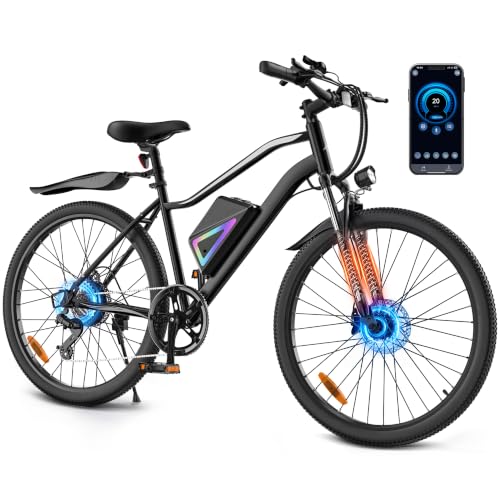
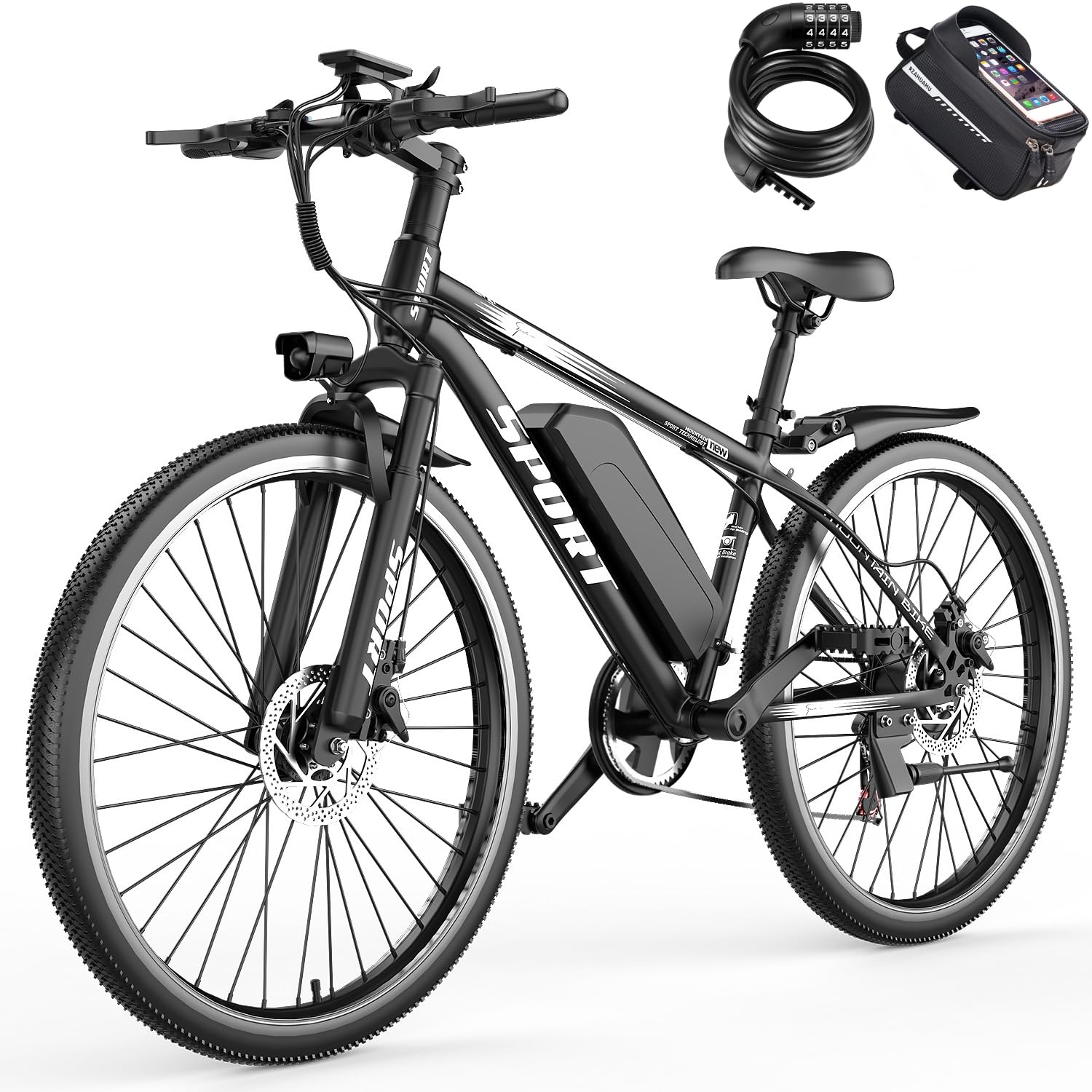
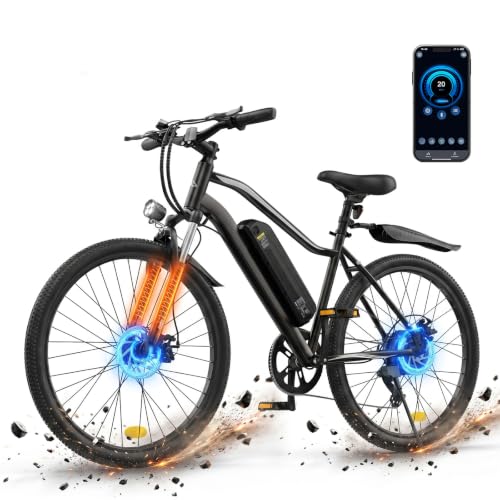
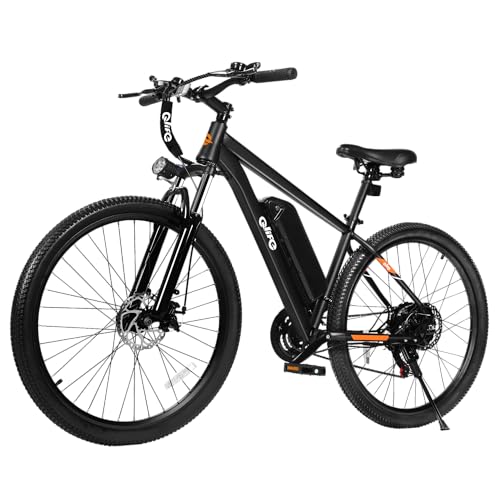
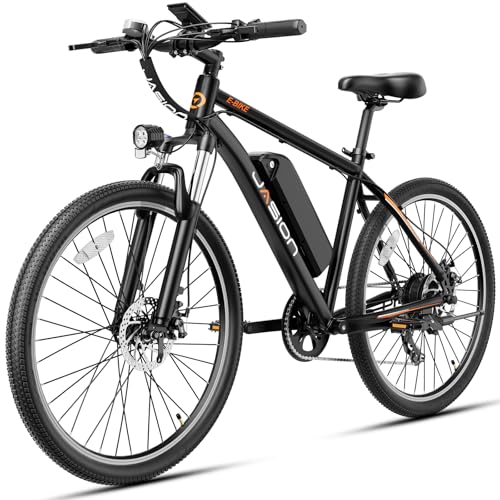

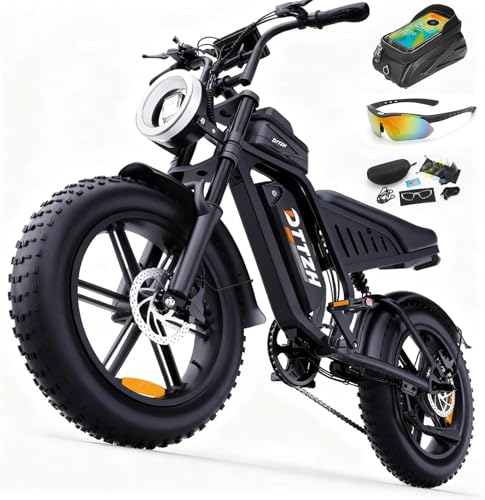
How to Evaluate Mountain E Bikes
An e bike is a regular mountain bike carrying a motor, a battery, and extra weight, so every normal bike check still applies, plus a few electrical ones. Work through the criteria in order: budget honesty, riding style, brakes, wheels, gearing, fit, and suspension. A model that fails on brakes or fit cannot be rescued by a bigger battery.
What You Can Realistically Get on a Budget
Around $1,000 to $1,500 buys an entry hardtail e bike with a hub or basic mid drive motor, a battery around 375 to 500 Wh, and mechanical or basic hydraulic brakes. Around $1,500 to $2,500 is the value sweet spot, with stronger mid drive motors, 500 to 625 Wh batteries, hydraulic brakes, and better forks. Full suspension at sound quality generally starts above about $2,500.
Expect compromises in fork quality, weight, and component tiers at the low end. Do not compromise on certified batteries, hydraulic brakes, or a frame size that fits, because those decide safety and daily enjoyment.
Bike Type and Riding Style
Match motor and frame to your trails. Cross country style e bikes are lighter and efficient for rolling terrain and longer distances. Trail models balance climbing help with control on descents and suit most riders. Enduro leaning models add travel and stronger parts for steep ground, but their weight and price grow fast.
If your riding is mostly gravel roads and city paths with a few hills, a commuter e bike with trail tires may serve you better and cost less. Be honest about terrain, because suspension travel and knobby tires you never use still add cost and drag to every ride.
Brakes (Hydraulic vs Mechanical Disc)
Brakes matter more on an e bike because motor and battery add roughly 15 to 25 lb over a comparable regular bike, and that mass builds speed and heat on descents. Hydraulic disc brakes give stronger, smoother stopping with less hand effort, and they self adjust as pads wear. Mechanical disc brakes cost less and are simple to adjust, but they need more lever force and more frequent tuning.
At this budget, treat hydraulic brakes as a requirement for real trail use, and favor larger rotors, around 180 mm or more, if you are a heavier rider or your trails drop steeply. Riders comparing the category broadly can also read our guide to the best e mountain bike range.
Wheel Size and Tires
Wheels of 29 inches roll over roots and rocks more easily and hold speed well, while 27.5 inch wheels feel quicker to turn and suit smaller riders and tighter trails. Mixed setups pair a larger front wheel with a smaller rear one on some trail models. Tire width around 2.3 to 2.6 inches balances grip and rolling speed for most terrain.
Tubeless ready rims and tires are worth seeking, since running tubeless lets you use lower pressure for grip and the sealant closes small punctures on the trail. Whatever the size, confirm replacement tires in that width are common, and budget for a pump that reads low pressures accurately.
Drivetrain and Gearing
A 1x drivetrain with a single front chainring keeps shifting simple and works well with a motor, since electric assist fills the gaps that a wider gear range would cover on a regular bike. Look for a low climbing gear, such as a small chainring paired with a largest cog around 46 to 51 teeth, so you can spin up steep pitches without draining the battery at a grinding pace.
Motors add chain wear, so stronger chains and steel chainrings are a plus, and you should expect faster wear than on a regular bike. Riders who want a non electric baseline for comparison can check our guide to the best affordable mountain bike models.
Sizing and Fit
Fit follows the same rules as any mountain bike, with one twist: extra weight makes a wrong size harder to manage at slow speeds and on tight turns. Use the maker chart with your height and inseam, check standover clearance over the top tube, and make sure reach lets you ride standing without feeling stretched or cramped.
Smaller riders should pay special attention to battery placement and frame weight distribution, since a tall, heavy frame is hard to lift onto a rack. If you are between sizes, the smaller frame is usually easier to control, and a shop fitting is money well spent before a purchase this size.
Suspension (Hardtail vs Full Suspension) and Travel
A hardtail, with a suspension fork only, keeps cost and weight down and climbs efficiently with motor help doing much of the work. Travel around 100 to 120 mm suits smoother trails and gravel. Full suspension adds rear comfort and traction, with 130 to 150 mm of travel suiting proper trail riding, and up to about 160 mm for enduro terrain.
At an affordable price, a quality hardtail with a good air fork beats a cheap full suspension bike whose rear shock cannot be tuned well. Also remember that suspension needs service, and an e bike that sees more miles per week will need that service sooner.
What Each Price Tier Delivers
Use these tier profiles instead of chasing named products. If a model charges a higher tier price while delivering lower tier brakes, battery, or fork, the value is not there.
The Best Overall Tier
Around $1,800 to $2,500, this tier pairs a mid drive motor with natural pedal feel, a battery around 500 to 625 Wh, hydraulic brakes, an air fork, and a wide range 1x drivetrain. It suits riders who will climb real trails weekly and want range in reserve. Expect weight around 50 to 55 lb, a warranty of about 2 years on the electrical system, and components that hold up to regular use rather than occasional outings.
The Best Value Tier
Around $1,200 to $1,800, value tier bikes keep the certified battery and hydraulic brakes, then save money on fork internals, finishing parts, and sometimes a smaller battery around 400 to 500 Wh. This tier suits riders on moderate terrain who charge at home after each ride. The practical know how check is range honesty: divide the battery watt hours by your expected use, and treat maker range claims as best case numbers achieved in low assist modes.
The Best Tier for Heavy Use
For daily riding, heavier riders, or steep home terrain, look around $2,200 to $3,000 for stronger brakes with larger rotors, a reinforced frame, higher torque mid drive motor, and a battery of 625 Wh or more. This tier also tends to include better wheels that resist the extra loads an e bike places on spokes and rims. It costs more up front, but for riders putting in long weekly miles it avoids early brake, wheel, and battery upgrades. Compare this profile alongside our dedicated guide to the best affordable e mountain bike before deciding.
Quick Buyer Checklist
- Is the battery size stated in watt hours, and does it suit your longest planned ride?
- Is the motor a mid drive for trails, or a hub drive you accept for gentler terrain?
- Are the brakes hydraulic, with rotors sized for a heavier bike?
- Do the battery and charger carry recognized safety certification such as UL 2849 for the system?
- Does the frame size fit your inseam, reach, and standover needs?
- Are replacement batteries, chains, and brake pads easy to source for this model?
- Is the warranty on the motor and battery at least 1 to 2 years, in writing?
Red Flags to Watch For
Be wary of range claims with no battery size in watt hours, since range without capacity is meaningless. Motor power quoted only as a peak figure, with no torque figure, is another warning sign. Missing safety certification for the battery and charger should end the conversation, as should warranties that exclude the electrical parts or last only a few months.
Also question bikes that pair a powerful motor with mechanical brakes or a very small battery, because that mismatch shows the budget went to marketing numbers instead of the parts that keep you safe and moving. Finally, check that the brand sells spare batteries; a bike whose battery cannot be replaced becomes disposable.
Care and Maintenance Tips
Check tire pressure before every ride, since e bike weight makes low pressure feel vague and raises pinch flat risk. Clean and lube the chain every 100 to 200 miles, charge the battery at room temperature with the supplied certified charger, and store it partly charged if the bike will sit for weeks. Book a professional tune up yearly, and tell the shop it is an e bike so they check spoke tension, brake wear, and motor mounts.
FAQs
How much should I spend on my first bike?
Plan on about $1,200 to $2,000 for a first electric trail bike with a certified battery, hydraulic brakes, and a battery of at least 400 Wh. Spending less usually means weak brakes or a battery too small for real rides, while spending more mainly buys lighter weight and suspension refinement. Add a helmet, a good pump, and basic tools to the real budget from the start.
What e bike class is legal where I live?
Legality depends on your state, city, and the trail manager, so check local rules before you buy. Class 1 pedal assist bikes, which help only while you pedal up to 20 mph, have the widest trail access. Throttle equipped class 2 and faster class 3 models are often limited to roads and motorized routes, and some parks ban e bikes entirely regardless of class.
Hardtail or full suspension for beginners?
A hardtail is the better first e bike for most beginners, because motor help already smooths the effort of climbing, and a hardtail costs less, weighs less, and needs less maintenance. Choose full suspension once your trails are rough enough that rear wheel traction and comfort, not fitness, limit your riding. At a fixed budget, a good hardtail clearly beats a cheap full suspension build.
What size bike do I need?
Start with the maker size chart using your height and inseam, then verify standover clearance and a reach that feels relaxed when you stand on the pedals. Most brands size from extra small to extra large across roughly 27.5 and 29 inch wheels, with smaller sizes often using the smaller wheel. If you fall between sizes, choose the smaller one for control, especially given e bike weight.
How far can an e bike go on one charge?
A 500 Wh battery typically delivers about 25 to 50 miles of trail riding, depending on assist level, terrain, rider weight, and tire pressure. Low assist on gentle ground reaches the top of that range, while turbo mode on steep climbs can halve it. For more on how range figures are quoted across models, see our overview of the best e bike mountain bikes.
Wrapping Up
Battery size in watt hours, hydraulic brakes, and honest fit decide whether an affordable e bike delights or disappoints, so judge those three before motor headlines. Hardtails cover most beginners and budgets, mid drive motors feel best on real trails, and certified electrical parts are non negotiable. Compare your finalists in the product table above, then buy the size you can control with confidence. Chosen by checklist, the best affordable mountain e bike will put more trails, more days, and more fun within your reach.


