Agitator vs Impeller: Which Is Better in 2026?
Disclosure: We may earn a commission when you buy through links on this page, at no extra cost to you. As an Amazon Associate I earn from qualifying purchases. Learn more

Agitator vs Impeller: we compare the key differences, pros and cons side by side so you can decide which one is right for you.
The quick answer to agitator vs impeller is simple. Choose an agitator if you want strong scrubbing action, shorter cycles, and a lower purchase price for heavily soiled work clothes and sturdy fabrics. Choose an impeller if you want more usable tub room, gentler handling of delicates, and lower water use for larger mixed loads.
Both designs sit inside top load washers, and both can clean well when you load and sort correctly. The real choice is about how your laundry looks each week. The comparison table below sums up the main tradeoffs before the sections that follow explain each one in detail.
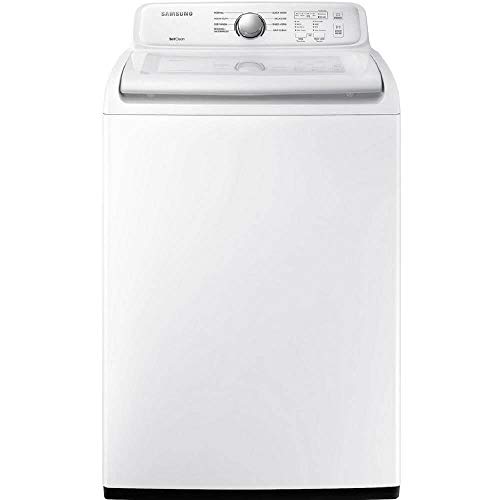
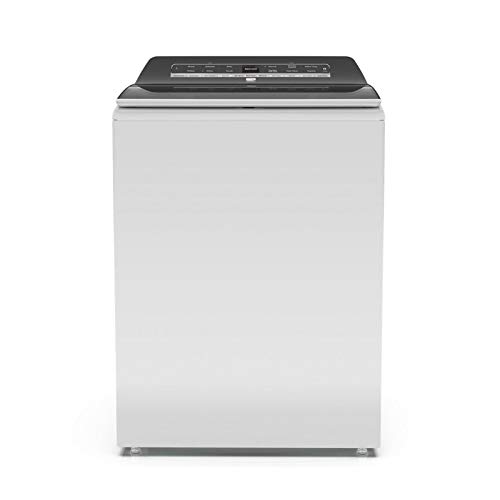
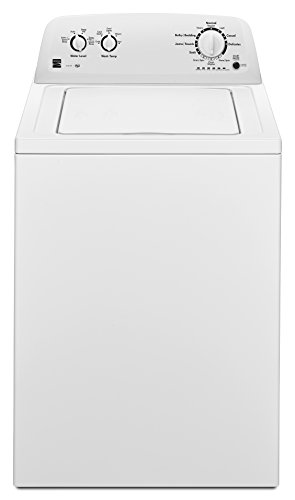

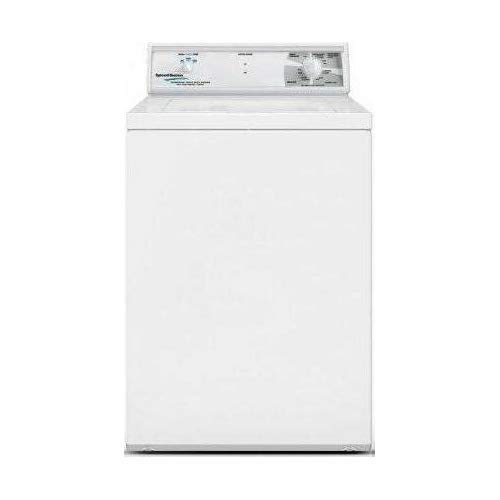

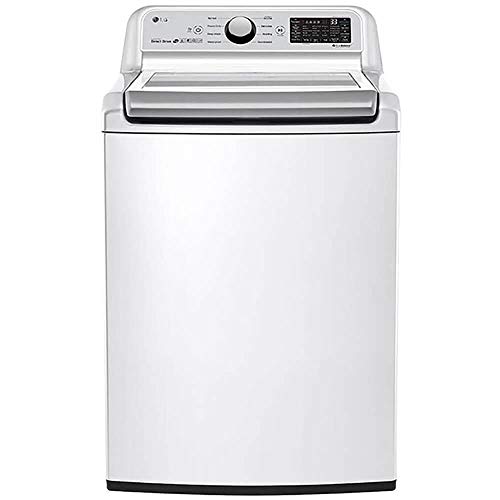
Agitator vs Impeller: Comparison Table
The table gives you the short version at a glance. An agitator uses a tall center post to push clothes through the water, while an impeller uses a low plate at the bottom of the tub to move loads with water currents. Neither design wins every row, which is why your fabric mix and load size matter more than any single score.
| Criteria | Agitator | Impeller | Winner |
|---|---|---|---|
| Cleaning strength | Strong twisting action | Gentle tumbling action | Agitator for heavy soil |
| Usable tub space | Post takes center room | Open tub fits bulky items | Impeller |
| Fabric care | Firmer on clothes | Softer on clothes | Impeller |
| Water use | Often higher, deep fill common | Often lower per load | Impeller |
| Cycle time | Often shorter | Often longer | Agitator |
| Typical price | Often lower | Often higher | Agitator |
Read the winner column as a guide to fit, not as a final verdict. A household washing mostly bedding will weigh space more heavily than a household washing muddy uniforms every day.
What Is an Agitator and What Is an Impeller?
Agitator Overview
An agitator is a tall post in the center of the tub, fitted with fins or vanes. During the wash it twists back and forth, pulling clothes down from the top and pushing them through the water so fabric rubs against fabric and against the post. That direct contact is why these machines handle ground in dirt well. The tradeoff is built into the shape, since the post occupies the middle of the tub and bulky items must wrap around it. Traditional models also tend to fill the tub more deeply, which helps rinsing but uses more water.
Impeller Overview
An impeller is a low disc or cone at the bottom of the tub, with raised ridges that move the water as it rotates and reverses. The moving water lifts, drops, and turns the load over, so clothes clean by rubbing against each other rather than against a center post. With no post in the way, the tub stays open for comforters and large towels. Because the action depends on good water flow and steady turnover, correct loading matters a lot, and cycles often run longer to reach the same level of cleaning.
Key Differences Between the Two Designs
Capacity: Room for Bulky Loads
Listed capacity in cubic feet can mislead you here, since an agitator post reduces the space you can actually use even when the tub rating looks similar. A comforter has to fold around the post, and a crowded center can keep items from moving freely. An impeller tub is fully open, so quilts, sleeping bags, and big towel loads spread out and turn over more easily. If you regularly wash bulky items, judge the open floor of the tub and the shape of the load you carry, not the capacity number alone.
Washing Performance: Scrubbing Versus Turnover
An agitator cleans through direct force. The twisting post works detergent and water into sturdy cotton, denim, and workwear, and it loosens heavy soil in a relatively short cycle. An impeller cleans through turnover, rolling clothes through the water again and again. It does well on normal soil and lightly worn clothes, but a packed load that cannot tumble will come out unevenly cleaned. Your sorting habits decide much of the result. Small to medium loads with room to move favor the impeller, while stubborn dirt on tough fabrics favors the agitator.
Ease of Use: Loading and Controls
Loading an agitator model is familiar and forgiving. You drop clothes around the post, add detergent, and the machine does most of the work even if the load is a little uneven. Deep fill options on many models also remove the guesswork for very dirty items. Impeller models ask a bit more of you. Loose loading in a ring around the tub wall, with heavier items placed low and nothing balled up in the center, keeps the load turning over. Reaching the bottom of a deep impeller tub can also be hard if you are shorter.
Cleaning the Machine Itself
These two designs collect residue in different places. On an agitator, lint and grime gather around the base of the post and under the fabric softener cap if your model has one, so a periodic wipe and a tub clean cycle keep buildup in check. On an impeller, residue settles in the seams and ridges of the bottom plate, and the area under the plate can hold odor if the tub stays damp. Leaving the lid open between washes and running the maker directed cleaning cycle matters for both, but the impeller rewards that habit more.
Noise and Vibration
Agitator washers make a steady rhythmic sound as the post reverses, and most owners find it predictable rather than harsh. Problems usually start when a load shifts to one side and the tub begins to knock during the spin. Impeller washers are often quieter during the wash itself, since water movement replaces the twisting post, yet their higher spin speeds can produce a louder whine and more vibration on an uneven floor. Placement helps both types. A level floor and a balanced load do more for quiet running than the wash action you choose.
Safety and Durability Considerations
Both designs are mature and safe when you follow the maker instructions, keep the lid switch working, and never reach into a spinning tub. The durability question is more about wear patterns. An agitator has a simple drive and a long service history, and its parts are widely understood by repair techs. If you want an example of that traditional approach, the speed queen tr7 review shows how one such model is built. Impeller machines rely more on sensors and load sensing controls, which adds convenience but also adds parts that can fail. Check warranty terms on the motor and tub for any model you shortlist.
Price and Value
Agitator washers usually start at lower prices, often about $500 to $900 for common sizes, while impeller models often run about $700 to $1,200 with larger tubs and more cycle options. Price alone does not settle value. An impeller can repay part of the gap through lower water use and room for fewer, larger loads. An agitator can save you money through shorter cycles and simpler repairs over time. Match the price to the loads you actually run each week rather than paying for capacity or features you will rarely touch.
Which Should You Buy?
Choose an Agitator If
Pick the agitator design if your laundry leans toward sturdy fabrics and real dirt. Work uniforms, sports gear, towels, and cotton basics all suit its firmer action, and shorter cycles help when you wash several loads in one day. It also suits you if you prefer simple controls, a deep fill for very soiled items, and a lower starting price. If your laundry room is small and you wash modest loads often, you give up little by skipping the extra open tub space an impeller provides.
Choose an Impeller If
Pick the impeller design if your loads are large, mixed, and mostly normal soil. The open tub handles bedding and bulky items without folding them around a post, and the gentler action is kinder to delicates, activewear, and fabrics that pill or stretch easily. Lower water use also suits you if your utility bills or a septic system make water volume a real concern each month.
Other Options to Consider
If neither top load design fits, a front load washer is the one other option worth a look. Front load models tumble clothes through a shallow pool of water, clean gently and thoroughly, and often stack with a dryer to save floor space. They cost more on average, need you to bend or use a pedestal for loading, and ask you to wipe the door seal so it stays fresh. The lg wm4000hwa review illustrates that format well. To weigh all three formats against each other, start with our guide to the best washing machine options for your space and budget.
FAQs
Is an agitator better than an impeller for pet hair?
Neither design removes pet hair on its own, because hair leaves clothes mainly during rinsing and through the lint path of the machine and the dryer afterward. An agitator and its deeper rinse water can float more loose hair off sturdy fabrics, while an impeller handles hair covered blankets better simply because they fit and move freely. Shake items outside first, wash hair heavy pieces separately, and clean the pump filter if your model has one, since a clogged filter is a common cause of hair staying on clothes.
What is the main difference between agitator and impeller washers for detergent?
The main difference between agitator and impeller washers shows up in the detergent you should use and how much. Impeller machines use less water, so they are built for high efficiency detergent that makes fewer suds, and too much detergent leaves residue because there is little water to rinse it away. Agitator models with deep fills tolerate standard detergent more easily, though high efficiency formulas still rinse cleaner. In both cases, measure for your load size instead of filling the cap by habit.
Which is easier to clean after washing muddy clothes, an agitator or impeller washer?
An agitator or impeller washer handles a muddy load best when you shake and rinse the worst dirt off outdoors first, since grit left in the tub can scratch finishes and clog drain paths. After the cycle, the agitator is a touch quicker to wipe down because the post and tub walls are easy to reach and inspect. With an impeller, check the plate ridges and seams for trapped grit before the next load. Running a short rinse cycle with an empty tub clears what wiping misses.
Which washer type lasts longer, an agitator or an impeller model?
There is no fixed lifespan winner, because care and load habits matter more than the wash action. Agitator models have simpler mechanics and a long track record, which can make repairs on older machines easier to arrange. Impeller models protect themselves with load sensing that can reduce strain from unbalanced loads, a plus if you often wash single heavy items. For both types, avoiding chronic overloading, keeping the machine level, and fixing small leaks or noises early are what stretch service life the most.
The Bottom Line
There is no universal winner in agitator vs impeller, only a better match for your laundry. Agitators scrub harder, finish faster, and cost less up front, while impellers give you open tub space, gentler fabric care, and lower water use. Look back at the product table above, weigh your bulkiest load and your dirtiest load honestly, and pick the design that handles both without a fight. That fit, more than any feature list, is what you will appreciate every week.