Best Alexa Controlled Thermostat: Buying Guide for 2026
Disclosure: We may earn a commission when you buy through links on this page, at no extra cost to you. As an Amazon Associate I earn from qualifying purchases. Learn more
Learn how to choose the best alexa controlled thermostat by checking HVAC compatibility, wiring, sensors and schedules, with a clear guide for US homes.
Voice control sounds simple until you face wiring, heating system types, and a thermostat that will not power on without the right common wire. Choosing the best alexa controlled thermostat starts with compatibility, not with the Alexa skill list. This guide walks you through system checks, sensor choices, and install decisions in the order that prevents returned boxes and dead displays.
Use the product table for a first pass on price and features, then confirm each candidate against your furnace, heat pump, or boiler with the checks here. Ten minutes with your current wiring photo saves hours later.

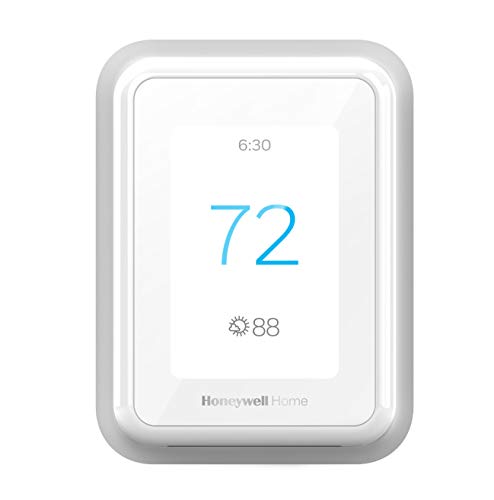


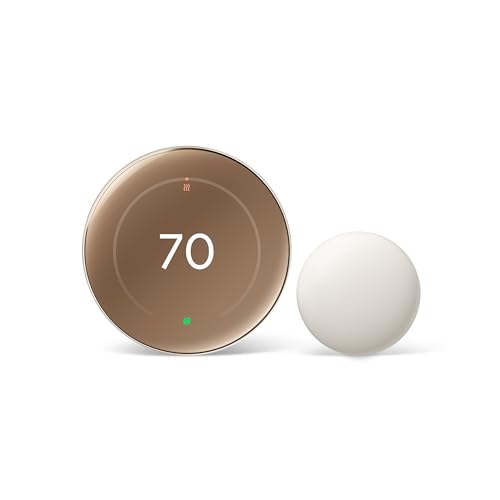


Three Price Tiers Explained
These tiers describe what each price level generally delivers, so you can judge any model in the product table against them. No tier helps if it does not support your HVAC system, so treat compatibility as a pass or fail gate before comparing screens and finishes.
Mid Tier
The best overall tier, often around $130 to $200, combines reliable Alexa control, a remote room sensor option, clear scheduling in the app, and support for most forced air and heat pump systems. You should expect a color display, filter reminders, and energy reports that show runtime by day. The strength is balance, because voice, app, and wall controls all work well. The limit is install, since many homes still need a common wire solution before this tier will run steadily without power stealing glitches.
Value Tier
Value models, often around $70 to $120, keep Alexa voice control, basic scheduling, and a clean app while dropping remote sensors, learning features, and premium finishes. For a single story home where the thermostat sits in the main living area, that trade is often wise, because temperature at the thermostat is close to temperature where you spend time. Check that the value model still supports your system type and stages of heating and cooling, because a low price means little if it cannot control a second stage heat pump correctly.
Upgrade Tier
Upgrade models, often around $200 to $280, add multiple remote sensors, more detailed energy tracking, sleeker displays, and broader smart home integration. They suit larger homes with hot and cold rooms, households that use Alexa routines heavily, and owners who want alerts for unusual runtime or temperature drift. The extra cost only pays off if you place the sensors well and review the reports. If you will set one schedule and ignore the app, a midrange model will serve you just as comfortably.
How to Choose the Best Alexa Controlled Thermostats: Buying Guide
Room Size and Coverage
A thermostat controls the system it is wired to, not a set number of square feet by itself. Coverage questions are really zoning questions. A single thermostat in a hallway cannot fix a bedroom that runs hot because of sun or poor ductwork, no matter how smart it is. Remote sensors help by letting the system respond to the room you choose at a given time, within the limits of one heating and cooling system serving the whole zone.
Smart Controls and Sensors
Look beyond basic voice commands. Useful Alexa control includes changing temperature, asking the current indoor temperature, and including the thermostat in routines, such as lowering heat when a morning routine ends. Remote sensors add temperature and sometimes occupancy readings from other rooms. Also check schedule flexibility, vacation holds, and geofence style features in the app, and compare our guide to the best smart thermostat alexa options if deep smart features matter more than voice control alone.
Noise Level (dB) and Sleep Mode
Thermostats themselves are nearly silent, apart from a faint relay click when they call for heat or cooling, which most people only notice in a quiet bedroom hallway at night. Sleep comfort is more about display brightness, Alexa response volume on nearby speakers, and night schedule settings. Choose a model with an adjustable or auto dimming display if it will sit near a bedroom, and set Alexa devices to a lower night volume so a temperature confirmation does not wake the house.
Filter Type and Replacement Cost
The thermostat does not contain an air filter, but good models track runtime and remind you to change the HVAC filter in your furnace or air handler. Filter cost depends on size and rating in your system, commonly around $10 to $30 per filter, changed every one to three months for typical pleated types. A reminder based on actual runtime is more accurate than a calendar guess, because a mild month uses far less air movement than a heat wave.
Installation and Placement
Most installs need the existing wires photographed, power shut off at the breaker, and a common wire or an approved adapter for stable power. Place or keep the thermostat on an interior wall about five feet above the floor, away from direct sun, supply vents, kitchens, and exterior doors, because false readings there make the whole home uncomfortable. If wiring looks damaged or your system uses line voltage, stop and hire a licensed HVAC technician or electrician.
Safety Features
Choose models with clear equipment protection, such as minimum compressor run times, temperature limits you can lock, and alerts for system faults or extreme indoor temperatures. Listings from recognized testing labs such as UL or ETL show the device met electrical safety standards. A thermostat is not a carbon monoxide alarm, so keep separate working carbon monoxide detectors in the home, test them on schedule, and call your utility or emergency services at once if an alarm sounds.
Readers comparing naming variations can see our guide to the best thermostat alexa for the same compatibility checks in a shorter form, and our guide to the best alexa compatible thermostat for models that work with Alexa through a hub or partner app.
Types of Alexa Controlled Thermostats
Portable Units
Central thermostats are wall mounted, so portable here means control that moves with you. The Alexa app and any Echo device in another room act as your portable controls, letting you adjust temperature from the couch or from work. True portable heating or cooling appliances use their own controls and are a different purchase. If remote adjustment is your main goal, confirm the app works away from home and supports alerts, not just voice control on your home network.
Small Room Units
For apartments and small homes with one zone, a simpler Alexa thermostat usually suffices, because one sensor location represents the whole space fairly well. Spend on reliable WiFi, a clear schedule, and correct system support rather than multiple sensors. Renters should check lease rules and keep the old thermostat and wire labels for restoration. Our guide to the best app controlled thermostat models is useful if phone control matters more to you than voice.
Large Room and Whole Home Units
Larger and multi story homes benefit from remote sensors or true zoning with multiple thermostats, each controlling its own zone equipment or dampers. A single smart thermostat cannot create zones that your duct system does not have. If rooms differ by more than a few degrees all season, ask an HVAC professional about duct balance or zoning costs before paying for premium sensors, because sensors average readings but cannot move air to a starved room.
Smart and WiFi Models
Every Alexa controlled model needs WiFi, but smart models differ in what they do with the connection. Better ones keep a local schedule if internet drops, send maintenance alerts, and integrate with other Alexa routines reliably. Check the WiFi band supported, because some models only use 2.4 GHz networks, which is fine if your router broadcasts that band. See our guide to the best wifi controlled thermostat choices for a deeper look at connection features.
How to Make Your Alexa Controlled Thermostat Last Longer
- Change the HVAC filter on the reminder schedule, because a clogged filter strains the blower and can cause shutdowns that look like thermostat faults.
- Keep vents open and unblocked in most rooms, so airflow stays balanced and runtime data stays meaningful for energy reports.
- Wipe the thermostat screen with a dry soft cloth, and keep spray cleaners off the device and its sensor openings.
- Update the app and device firmware when prompted, and reconnect WiFi promptly after router changes to keep alerts working.
- Have heating and cooling equipment serviced yearly, because thermostat accuracy cannot compensate for a failing furnace or low refrigerant.
- Keep spare details handy, including a photo of your wiring and your HVAC filter size, for faster support calls.
Alexa Controlled Thermostats: Your Questions Answered
How often should I replace the HVAC filter with an alexa controlled thermostat?
Replace the HVAC filter every one to three months for most pleated filters, guided by the thermostat runtime reminder. Homes with pets, dust, or heavy system use sit at the short end of that range. A runtime based reminder is a useful extra because it reflects how much air actually moved. Check the filter monthly at first, learn your home pattern, and never run the system for long with a visibly clogged filter.
Where is the best place to put an alexa controlled thermostat?
Put it on an interior wall in a regularly used area, about five feet high, away from sunlight, vents, and heat sources. The hallway outside bedrooms is common, but a living room wall often represents comfort better if the hallway sits in a draft. Placement matters because the thermostat only knows the temperature at its own sensor or at a remote sensor you assign, not the temperature in every room at once.
Do alexa controlled thermostats really work?
Yes, voice control works reliably once the thermostat is linked to your Alexa account and your WiFi is stable. You can set a temperature, raise or lower it by a few degrees, and ask for the indoor reading. Voice is a convenience layer, not the core controller, so schedules and safety limits still run at the thermostat itself. If voice commands fail, the wall controls and app should still adjust the system normally.
What size alexa controlled thermostat do I need for my room?
You do not size a thermostat to a room like a window air conditioner. You match it to your HVAC system type, voltage, and number of heating and cooling stages, and you decide whether remote sensors or zoning are needed for uneven rooms. A heating professional sizes the equipment itself in BTU based on the home. Buying a premium thermostat will not make an undersized furnace heat a large home faster.
Is an alexa controlled thermostat expensive to run all day?
No, the thermostat itself uses very little power, similar to a small night light. Your energy cost comes from how often it calls for heating or cooling, which depends on your schedule, setpoints, insulation, and weather. Sensible schedules, such as easing back a few degrees while you sleep or are away, save far more than unplugging smart features. Review the energy report monthly to spot wasteful runtime early.
Wrapping Up
Confirm HVAC compatibility and wiring first, then choose sensors and smart features that match your home layout, and only then compare screens and price. Shortlist models that pass those checks. Chosen in that order, a best alexa controlled thermostat setup gives you calm voice control, dependable schedules, and fewer surprises on install day.