Best All Day Shoes 2026: A Practical Buying Guide
Disclosure: We may earn a commission when you buy through links on this page, at no extra cost to you. As an Amazon Associate I earn from qualifying purchases. Learn more
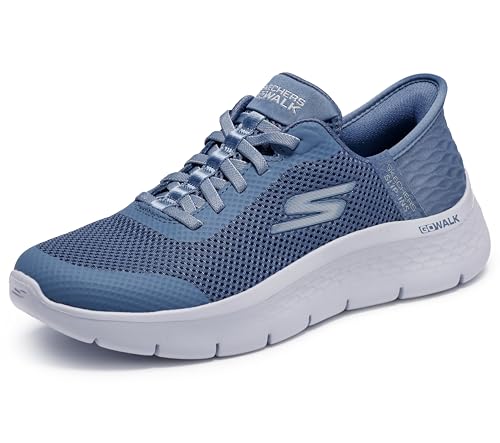
Comfort that lasts from morning to night. See how to choose the best all day shoes by cushioning, fit, support and grip.
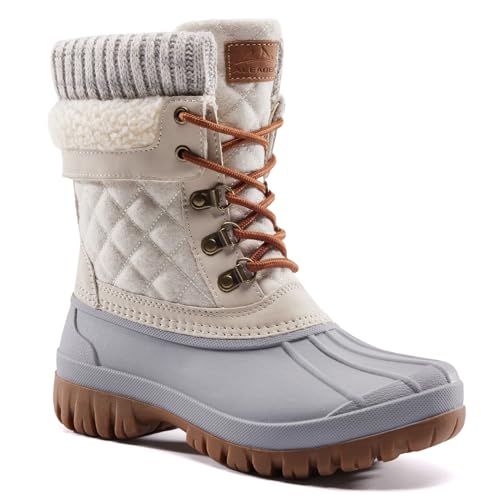
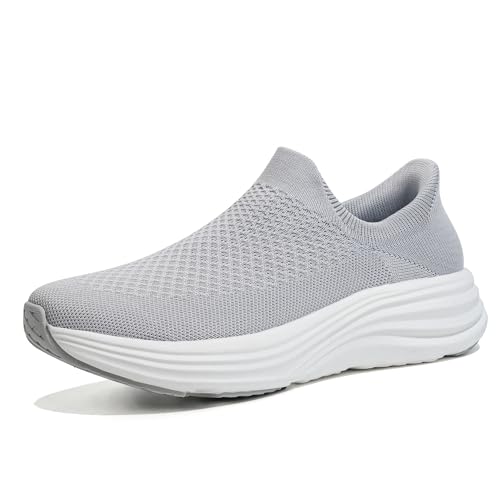
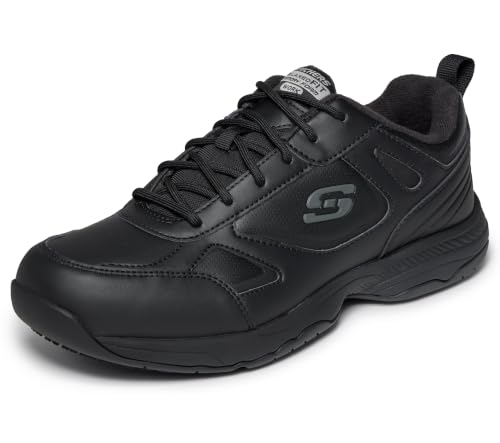
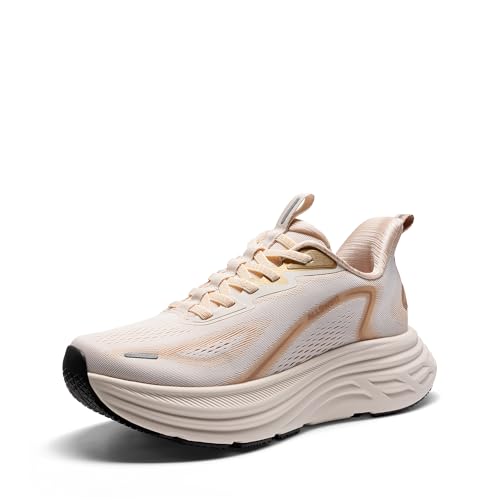
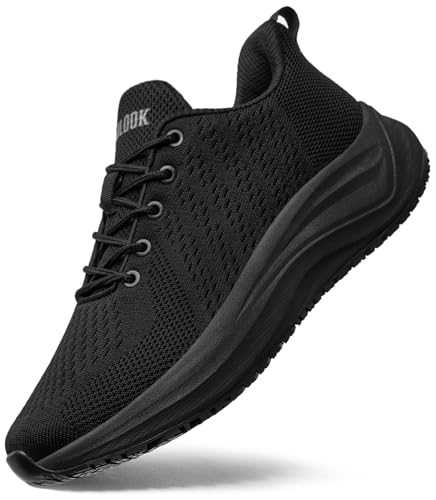
Comfort that lasts from the first coffee to the last errand is harder to find than it sounds. The best all day shoes keep cushioning that does not flatten, a fit that allows for swelling feet and enough support for hours of standing and walking. The product table above shows comfortable options you can compare quickly.
This guide explains what to check in cushioning, support, grip and fit, which types suit which routines, and how to tell when shoes are worn out, so you can pick a pair that feels as good at hour ten as at hour one.

Who Should Buy All Day Shoes
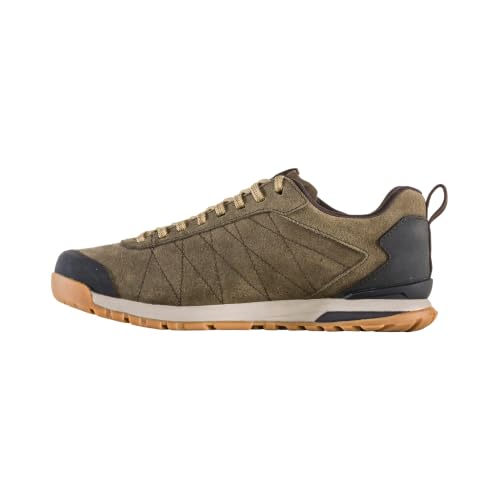
All day shoes suit people who spend long hours on their feet: nurses, teachers, retail and restaurant staff, warehouse workers, travelers and anyone who walks a lot. They also suit people who want a single comfortable pair for errands, commuting and weekends.
If you need slip resistance or a safety toe for your job, look at work specific styles first. If you mostly sit, a lighter casual shoe will do.
Key Features of the Best All Day Shoes
Lasting Cushioning
Soft foam feels great in the store, but foam that packs down by afternoon leaves feet aching. Look for midsoles that bounce back, and judge them over a long walk rather than a few steps.
Fit Across the Day
Feet swell during the day, so shop in the afternoon and leave a thumb width ahead of the longest toe. Check width as well as length. A roomy toe box lets toes spread, and a secure heel prevents blisters.
Arch Support and Stability
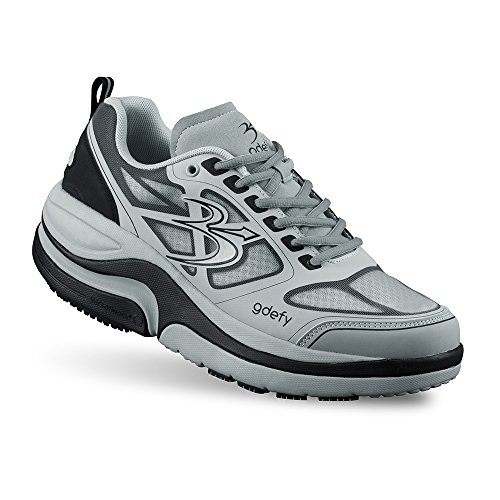
A stable base and gentle arch support reduce fatigue. Flat feet usually need firmer support, while high arches need cushioning that fills the arch. A removable insole lets you add your own.
Grip and Outsole Durability
A durable rubber outsole with real tread handles wet pavement and smooth floors. Check how much rubber covers the heel and forefoot, since those areas wear first.
Weight and Breathability
Lighter shoes tire your legs less over thousands of steps. Breathable uppers keep feet cooler, but balance weight against support, because the lightest shoe may wear out first.
Types of All Day Shoes
For Standing Work
Choose stable cushioning, a firm heel counter and slip resistant grip. Retail, healthcare and kitchen workers benefit most.
For Walking Days
Choose a smooth roll, responsive foam and a breathable upper for travel, commuting and sightseeing.
For Mixed Days
Choose versatile grip, easy cleaning and some weather resistance for days that move between office, street and transit.
Fit and Break In
Wear new shoes at home first, on clean floors, so you can still return them. Walk for at least ten minutes, climb stairs and stand still for a while, then check for hot spots, heel slip and arch pressure. Build up wear time over a few days before a full day.
Price Guide
Comfortable everyday shoes start around $50 to $80. From $80 to $150 you get denser foams, better uppers and longer life. Orthopedic and specialty shoes can cost more, and may be worth it if you have specific foot needs.
Choosing for Your Job or Routine
Nurses and healthcare workers need cushioning, a stable heel and easy cleaning. Teachers and retail staff do a mix of standing and walking, so a balanced shoe with good arch support works best. Travelers benefit from light shoes that slip off at security and still support long walks. Commuters often need a shoe that looks neat enough for the office and keeps feet comfortable on stairs and platforms.
Socks and Insoles Matter Too
Good socks reduce blisters and keep feet drier. Moisture wicking fabrics with light cushioning at the heel and ball of the foot work for most people. If your shoes feel almost right but lack support, a quality insole can fix the gap, provided the shoe has enough depth. Remove the stock insole first so the shoe does not feel tight, and give your feet a few days to adapt.
Care and Replacement
Rotate pairs when possible, air shoes overnight and replace insoles when they flatten. Replace shoes when the foam feels flat, the tread is smooth or new aches appear. Daily wear shortens life faster than occasional wear, and many daily walkers replace shoes every six to twelve months.
It is worth taking a few minutes to compare the best all day shoes against your actual day. Count the hours you spend standing, walking and sitting, note the floors you cross, and consider the weather. A shoe for a tiled hospital corridor differs from one for a city commute with wet pavement. Once you know the mix, you can pick the type, set a sensible budget and avoid paying for features you will not use. Keep your receipt and try shoes on a hard floor at home before you wear them out, which makes returns simple if something feels wrong after a few hours.
Common Mistakes to Avoid
- Choosing shoes that feel soft for five minutes but collapse by afternoon.
- Buying in the morning, when feet are smallest.
- Ignoring width, then squeezing wide feet into narrow shoes.
- Wearing shoes past their useful life because they still look fine.
When to Seek Advice
Persistent foot pain, swelling, numbness or sores deserve attention from a doctor or podiatrist. Shoes can improve comfort, but they do not treat foot conditions.
Related Guides
For related choices, see our guides to the best shoes to wear for standing all day, the best shoes for walking all day and the best shoes for standing walking all day.
After You Buy
Start with a half day, then a full day, and pay attention to how your feet feel in the last hour. Note any rubbing at the heel, pressure on top of the foot or numbness in the toes, and adjust the lacing before you give up on a pair. If discomfort persists after a few days, use the return window. Keep a note of the purchase date so you can judge when the cushioning has worn down.
Frequently Asked Questions
What makes a shoe good for all day wear?
Lasting cushioning, a stable fit, good grip and breathability. A shoe that stays comfortable after eight hours matters more than one that feels soft for ten minutes.
Should all day shoes be soft or firm?
A balanced feel works best for most people. Very soft shoes can feel unstable, while very firm shoes can tire feet, so judge over a real walk.
How do I prevent blisters on long days?
Fit, socks and gradual break in matter most. Moisture wicking socks, proper lacing and early attention to hot spots prevent most blisters.
Are insoles worth adding?
They can help when stock insoles feel flat or arch support is weak. Try the shoe first, then add an insole only if a specific gap remains.
When should I replace all day shoes?
Replace when the foam feels flat, tread wears smooth, support tilts or new aches appear.
Final Thoughts
Put fit and lasting cushioning first, then match support and grip to your floors. The best all day shoes are the ones you forget you are wearing by the end of a long shift. Compare your shortlist in the product table above and give new pairs a gradual start.