
Best All Day Shoes Men's: A Buyer Checklist for 2026
Disclosure: We may earn a commission when you buy through links on this page, at no extra cost to you. As an Amazon Associate I earn from qualifying purchases. Learn more

Use this checklist to find the best all day shoes men's styles for long days. Compare fit, cushioning, arch support, and durability before you buy.
A shoe that feels fine on the morning commute can punish your feet by the last hour of a shift, a trade show, or a day of errands. Men often buy for looks or brand first, then discover the cushioning, fit, and support were wrong for long hours.
This checklist reverses that order. It shows you how to judge the best all day shoes men's options by fit, arch support, and durability before style even enters the picture. Start with the comparison table below, then score your candidates against each section. If walking dominates your day, our guide to the best men's shoes for walking all day goes deeper on mileage.
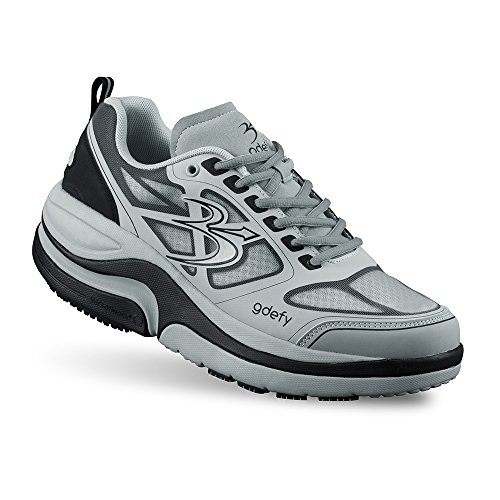
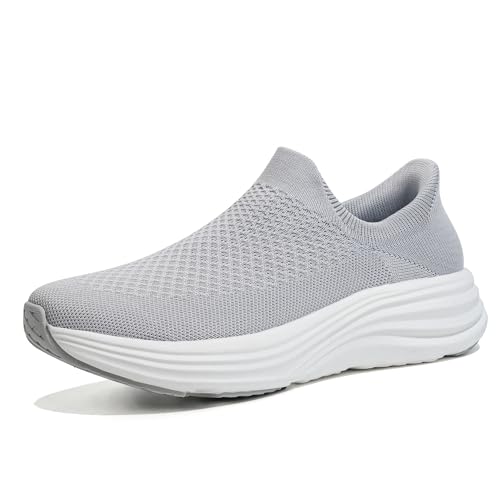
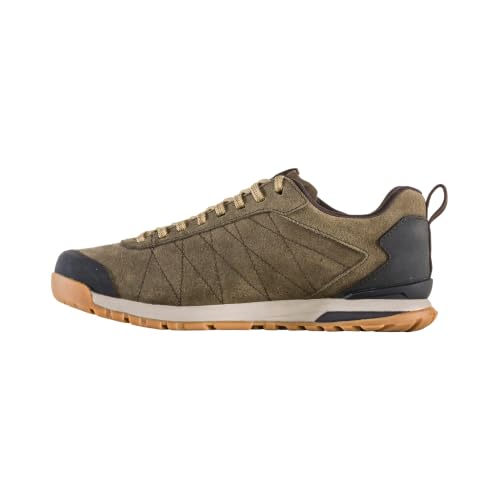
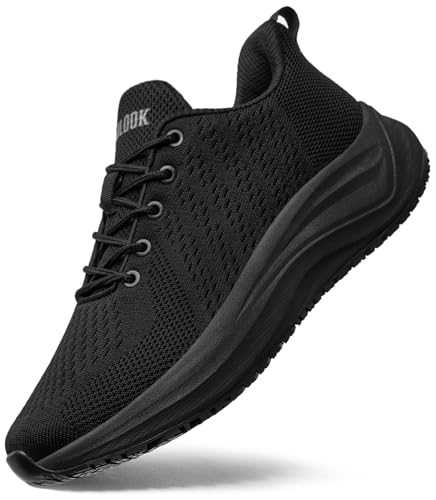
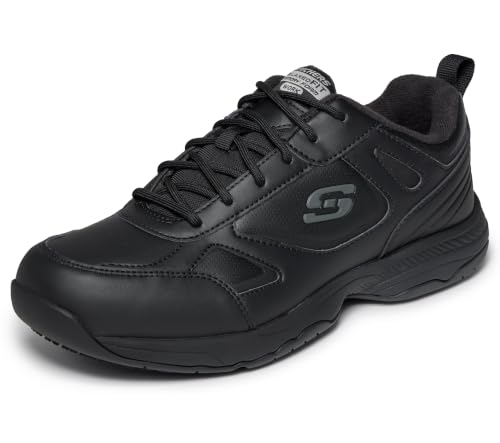
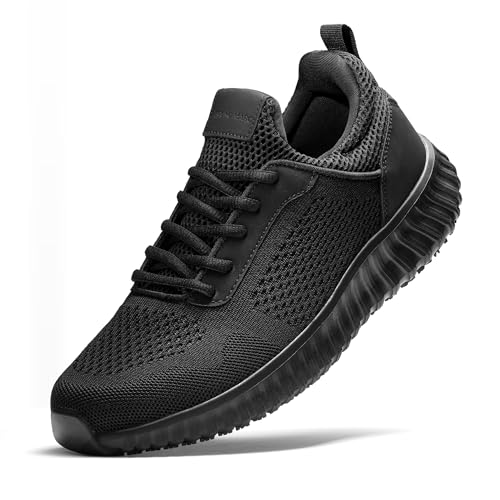

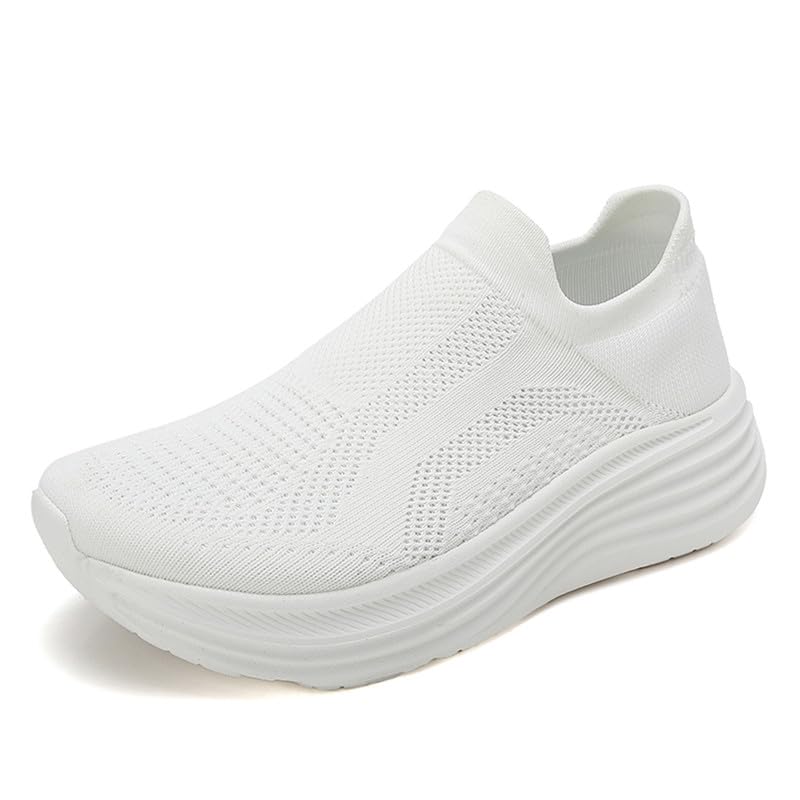
How to Evaluate Day Shoes
Six checks decide whether a shoe survives your longest day: men specific fit points, sizing and toe box room, arch support for your foot type, waterproofing needs, durability, and comfort from the first wear. A shoe that fails any one of them will remind you of the failure hourly.
What Men Should Look For
Men should look for a last with enough volume through the midfoot, because many men have wider feet and higher insteps than standard fits assume. Check that wide sizes exist in the style you like, and weigh the shoe, since heavier work and casual shoes add up over ten thousand steps. A padded collar, a firm heel counter, and a tongue that stays centered sound minor, yet each prevents a specific irritation that grows worse by the hour.
Fit, Sizing, and Toe Box
Measure your feet in the afternoon, standing, wearing the socks you plan to use, and trust the longer of your two feet. Leave about a thumb width between your longest toe and the end of the shoe, and make sure the toe box lets your toes spread when you stand on one foot. Shoes that fit in the morning can pinch by evening because feet swell, so try candidates late in the day. Length alone is not fit: a roomy toe box with a secure heel is the combination to seek.
Arch Support and Foot Type
Flat feet need a stable base and gentle arch structure that resists inward roll as muscles tire, while high arches need cushioning that reaches up to meet the arch. Neutral feet have the widest choice and should prioritize fit and cushioning balance. Heel to toe drop also matters: a moderate drop of about 8 to 12 mm suits most men, while very low drops load the calves more during long standing. Sharp heel pain, pain that lingers into the next morning, or numbness during wear are signs to talk with a clinician or podiatrist about your personal needs rather than simply buying more cushioning.
Waterproofing (Gore Tex and Membranes)
Waterproof membranes such as Gore Tex earn their cost if you walk in rain, work outdoors, or commute through wet winters, because dry feet blister less and stay warmer. The trade off is breathability, since membranes vent heat more slowly and can feel warm in summer. For indoor jobs and dry climates, a breathable mesh or knit upper is the smarter buy. Decide by your wettest normal week, not by the single worst storm you can imagine.
Durability and Expected Lifespan
For cushioned shoes, plan on about 300 to 500 miles of walking before the midsole loses its spring, which can arrive in under a year for men who walk or stand all day at work. Rubber coverage on the outsole, stitched rather than glued upper joins, and a replaceable insole all extend useful life. Leather uppers outlast mesh but need occasional care. Track your rough mileage or start date, because shoes usually feel fine right up until the week they suddenly do not.
Break In Period and Comfort Out of the Box
Modern cushioned shoes should feel comfortable on the first wear, with at most a day or two of adjustment in the upper. Leather shoes may need a week of shorter wears to shape to your foot. What should never happen is pain you are told to push through, because pressure points and heel slip tend to worsen, not improve. Wear new pairs indoors first so a return stays possible, and test them on a hard floor, which reveals weak cushioning far better than carpet does.
Price Tiers That Pass Our Checklist
All Round Profile
The strongest all round profile, usually around $90 to $140, combines a cushioned but stable midsole, a breathable upper with some structure, and a rubber outsole with real coverage. It suits mixed days of walking, standing, and commuting without special needs. Men who dress up for work can find a similar support profile in smarter styles, as our guide to the best men's dress shoes for walking all day explains.
Value Profile
A value profile around $50 to $80 keeps a foam midsole with decent thickness, a mesh upper, and partial rubber on the outsole. You give up wide size ranges, premium materials, and long life, not basic comfort. Value shoes make sense as a first test of what your feet like, or as a second pair for rotation. Replace them sooner than premium pairs, because thinner midsoles pack down faster under daily loads.
Heavy Use Profile
Heavy use profiles, roughly $120 to $180, add denser midsole foams, full rubber outsoles, and uppers built for job sites, warehouses, and hospital floors. Slip resistant tread and easy to clean materials matter more here than style range. If your job mixes standing and walking on hard floors, compare notes with our guide to the best men's work shoes for standing all day before deciding.
Quick Buyer Checklist
- Did you measure your feet standing, late in the day, in your work socks?
- Is there a thumb width of space ahead of your longest toe?
- Does the toe box let your toes spread without pressing the sides?
- Does the arch support match your foot type, flat, neutral, or high?
- Is the heel secure with no lift when you walk briskly?
- Does the outsole have rubber coverage where your stride wears most?
- Can you return the shoes after an indoor trial on hard floors?
Red Flags to Watch For
Be cautious with shoes that advertise extreme softness with no mention of stability, because very soft foam bottoms out under heavier men and long hours. Vague sizing with no centimeter measurements, no wide options where rivals offer them, and glued soles with no stitching all predict a short life. A pattern of reviews praising comfort in the first hour but silent about long days is another warning. Finally, skip any shoe whose insole is paper thin and not removable, since you lose the option of adding an aftermarket insole later.
Setup and Care Tips
Replace running style shoes every 300 to 500 miles, and work shoes on a similar schedule judged by feel. Air dry wet shoes away from direct heat, and loosen the laces fully before removing them so the heel counter keeps its shape. Rotate two pairs for daily wear, because a rest day lets the midsole foam recover and noticeably extends comfort. Men whose days combine long walks and long stands will find the balance explained in our guide to the best shoes for walking and standing all day men's.
FAQs
What makes day shoes for men different?
Last shape and sizing make the difference, since shoes built for men use a wider heel to toe proportion, more midfoot volume, and larger size runs. Support needs also skew toward higher body weights and longer shifts. None of that prevents a man from choosing any shoe that fits well, but starting with men specific lasts raises the odds of a good fit.
How long is the break in period?
Cushioned shoes need almost none, usually one or two short wears. Leather shoes may take about a week of limited use to shape to your foot. Pain, rubbing that breaks skin, or heel slip after several wears means the fit is wrong. Return or exchange rather than enduring it, because these faults rarely resolve with more time.
Are expensive day shoes worth it?
They are worth it when the price buys better foam that resists packing down, real rubber outsoles, and the wide size you actually need. For men on their feet forty plus hours a week, that durability lowers cost per wear. Casual users who walk an hour a day will feel little difference beyond the midrange, so buy for your hours, not for the label.
Can I wear them all day?
Yes, provided the fit leaves room for swelling and the support matches your feet. Build up over two or three days if the shoe is new to you, and pay attention to late day symptoms, because a true all day shoe should feel nearly as good at hour ten as at hour one. Growing pain is information, not something to ignore.
How often should I replace my day shoes?
Replace them at about 300 to 500 miles, or when the midsole feels flat, the tread smooths at the heel, or new aches appear after normal days. Heavy use can reach that point in six months, while lighter use may stretch past a year. Rotating two pairs spreads the miles and gives each shoe recovery time, which delays replacement for both.
Do I need waterproof shoes?
You need them if wet commutes, outdoor work, or slushy winters are routine, because waterproof membranes keep feet dry and reduce blisters and chill. In dry or indoor settings the same membrane only traps heat. Judge by your typical week. Men in formal settings who face wet walks can check our guide to the best men's dress shoes for standing all day for dressier options with support.
How should day shoes fit?
They should feel secure at the heel and midfoot, with room for toes to spread and about a thumb width ahead of the longest toe. Nothing should pinch, rub, or press on top of the foot. Fit them standing, late in the day, in your usual socks. If you must choose between snug and roomy in a comfort shoe, roomy usually wins by evening.
The Bottom Line
Fit, support matched to your arch, and honest durability decide everything on a long day. Choose the profile that matches your hours and terrain, test indoors on hard floors, and replace on mileage rather than appearance. Judged by this checklist, the best all day shoes men's options stand out quickly, so compare your finalists in the product table above before you buy.


