Best All Weather Boots Womens 2026
Disclosure: We may earn a commission when you buy through links on this page, at no extra cost to you. As an Amazon Associate I earn from qualifying purchases. Learn more
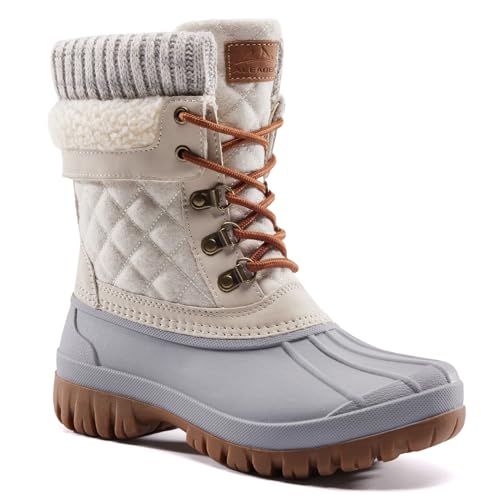
The best all weather boots womens buyers choose balance waterproofing, insulation, traction and calf fit for rain, snow and mild days.
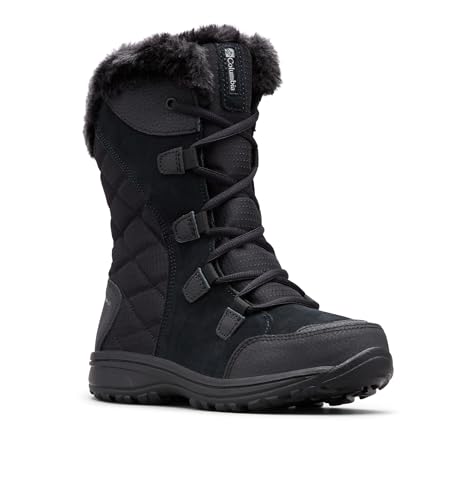
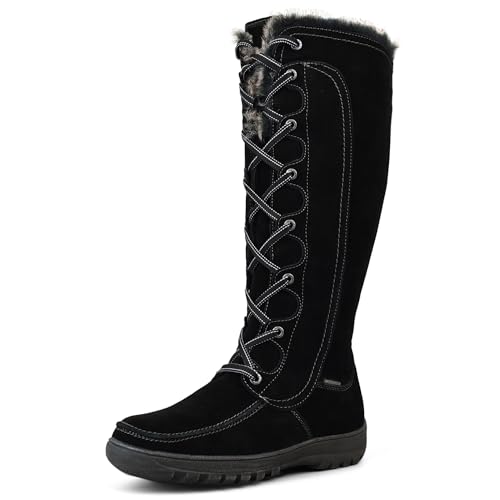
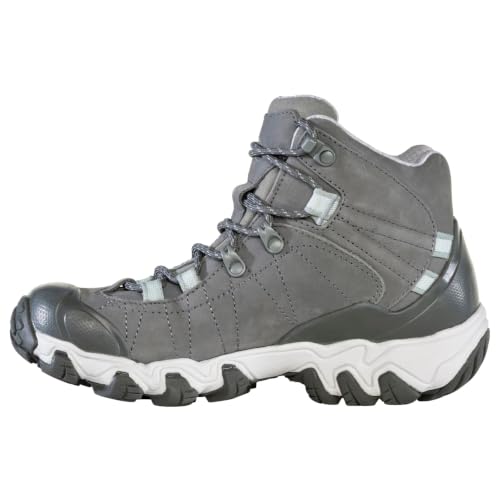
The best all weather boots womens shoppers want are boots that cope with rain, snow, mud and dry days without needing a separate pair for each season. Waterproofing, traction and insulation must balance, since a boot that is warm in snow can feel heavy in rain. The product table below lists boots for varied weather.
Women face specific fit issues in all weather boots, from calf width to arch support and weight. This guide covers boot types, weatherproofing, insulation, traction and fit, so one pair can serve commuting, walking and outdoor days through the year.





Who Should Buy the Best All Weather Boots Womens
Commuters, dog walkers, gardeners and outdoor workers who face changing weather gain the most. Women who walk daily in rain and winter benefit from one dependable pair rather than seasonal swaps. Travelers visiting varied climates also value a single versatile boot.
People who only face one season may prefer a specialized rain or snow boot instead. Fashion buyers who prioritize style over weatherproofing should look elsewhere. For mixed weather use across the year, an all weather boot is the practical choice.
Boot Styles Compared
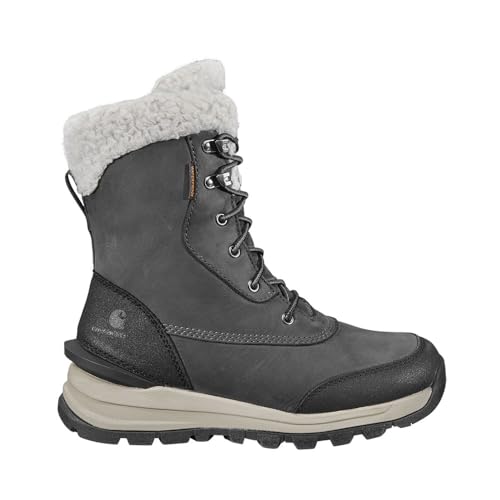
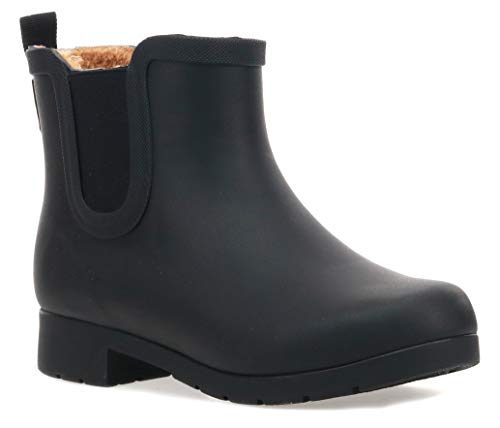
Chelsea boots slip on easily and suit town wear in rain, though they offer less ankle support on rough ground. Lace up boots adjust to calf and foot width and suit longer walks. Insulated winter boots add warmth for snow but feel heavy in mild rain.
Rain boots focus on waterproofing and easy cleaning but can feel clumsy for long walks. Hiking style all weather boots balance grip and support for outdoor paths. Choose style by your longest regular walk, not your shortest trip.
Waterproofing, Insulation and Breathability
Waterproof membranes keep rain out, but sealed seams matter as much as the membrane itself. Check seam sealing and tongue construction, since water enters through gaps before it soaks through material. Insulation should match your coldest regular weather, not the coldest day on record.
Breathability matters in mild weather, since a fully sealed warm boot sweats on rainy spring days. Removable insoles and liners help adjust warmth across seasons. A boot that is too warm in mild weather causes blisters from damp feet, so balance is key.
Traction, Fit and Calf Width
Outsole lugs should grip wet pavements, mud and light snow without clogging. Rubber compounds vary, with softer rubber gripping wet ground better and harder rubber lasting longer. A stable heel and arch support matter on long wet walks.
Calf width varies widely, so measure your calf with the layers you will wear and check the boot shaft. Wide calf options and adjustable laces help a comfortable fit. Try boots with your usual socks and walk on hard floors to check heel slip and toe room.
Care, Comfort and Foot Health
Clean boots after muddy or salty walks, since salt and grit damage leather and seams. Dry boots at room temperature away from direct heat, which cracks leather and warps soles. Condition leather regularly and reproof fabric boots before wet seasons.
Persistent foot pain, swelling or numbness are warning signs to discuss with a clinician or podiatrist. Cold, white or numb toes after winter walks need prompt care. Good boots protect comfort, but they do not treat circulation or foot problems, so seek advice for ongoing issues.
Common Mistakes to Avoid
Buying a fashion rain boot for long walks is a common error, since thin soles and poor support tire feet fast. Choosing maximum insulation for mild climates is another, because overheating causes blisters. Ignoring calf fit leads to boots that gap or pinch.
Do not assume all waterproof labels mean sealed seams, since some boots leak at the tongue or stitching. Avoid very heavy boots for daily commuting if a lighter all weather boot would serve. Try boots in wet conditions before relying on them for a long trip.
Breaking In and Looking After Your Boots
Wear new boots around the house and on short errands before a long wet walk, so you can spot rubbing at the heel or ankle early. Check the tongue and seams after the first rainy outing, since leaks usually show up there. Keep a pair of thicker and thinner socks on hand to fine tune fit as the seasons change.
After walks on salted roads, wipe the boots with a damp cloth and let them dry at room temperature with the insoles pulled out. Reproof fabric boots and condition leather before the wet season starts. Replace worn insoles and laces before they fail, and retire boots when the outsole lugs wear smooth or seams begin to split.
Matching Boots to Your Climate
Mild, wet climates reward a lightly insulated, fully waterproof boot with a grippy outsole, while snowy regions need a warmer lining and a taller shaft to keep slush out. In hot, humid places a breathable membrane and a lighter build matter more than extra insulation. If your weather swings widely, choose a boot with a removable liner so you can adjust warmth without changing pairs. Wide calf and half sizes are worth searching for, because a good fit does more for comfort than any extra feature.
Related Guides Worth Reading
For hiking focused weather boots, best all weather hiking boots women's covers trail use, while winter specific choices are in best women's winter boots for cold weather.
Frequently Asked Questions
What makes a boot truly all weather?
Sealed seams, a waterproof membrane, grippy outsoles and insulation suited to your climate combine to make a boot all weather. No single boot covers extreme heat and deep snow equally well. Choose a balance that matches your local weather range rather than extreme labels.
How do I get the right calf fit?
Measure your calf at its widest point while wearing the layers you will use, then compare with the boot shaft measurement. Adjustable laces and wide calf options help when standard shafts pinch or gap. Try boots on and walk around before buying.
Are insulated boots too warm for rainy spring days?
Heavily insulated boots can overheat in mild rain and cause damp feet and blisters. Removable liners help adjust warmth across seasons. If your climate is mostly mild with occasional cold snaps, a lightly insulated boot with warm socks is more versatile.
How do I care for all weather boots?
Clean off mud and salt after walks, dry at room temperature away from direct heat, and condition leather regularly. Reproof fabric boots before wet seasons and check seams for wear. Good care extends waterproofing and prevents cracked leather.
When should foot pain in boots send me to a clinician?
Persistent pain, swelling, numbness, or toes that turn white and numb in cold are warning signs to discuss with a clinician or podiatrist promptly. Boots should support comfort, not cause ongoing pain, so seek advice if problems persist despite good fit.
Final Thoughts
Balance waterproofing, insulation and traction for your local weather, and measure calf fit with your usual layers. A lace up or Chelsea boot with sealed seams and grippy soles serves most mixed weather days. The product table above lists boots across the main styles, and a short walk in wet weather will confirm the fit.
For the best all weather boots womens, sealed seams and calf fit matter more than any single weather claim.