
Best All-Clad Roasting Pan in 2026: Buying Guide for Everyday Roasts and Holidays
Disclosure: We may earn a commission when you buy through links on this page, at no extra cost to you. As an Amazon Associate I earn from qualifying purchases. Learn more

The best all-clad roasting pan fits your oven and roasting habits. Compare midsize, flared and large roasters and racks.
Picture a Sunday afternoon: a chicken is going in the oven, potatoes need to fit around it, and your only pan is a rimmed sheet that warps and spills juice every time you tilt it. A proper roaster fixes that day, but this brand sells several sizes and shapes, and the wrong one will crowd your oven or sit unused in a cabinet. This guide helps you find the best all-clad roasting pan for your household size, your storage space, and your budget.
We compare types and features rather than pushing a single model, and our guide to the best roasting pan covers options across materials if you want the wider picture. Then use the product table to match the shortlist here against your own kitchen.
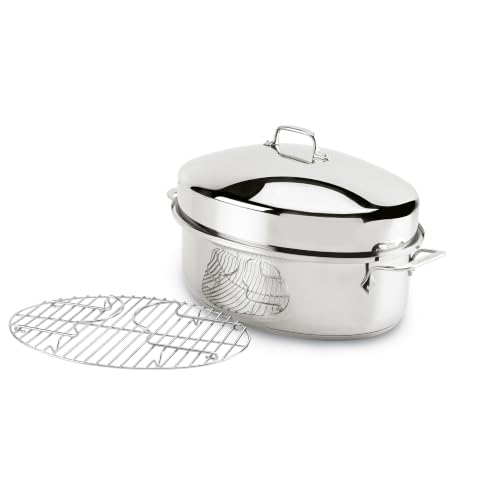


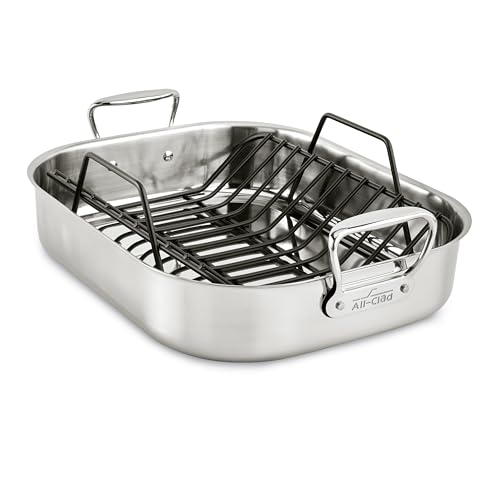
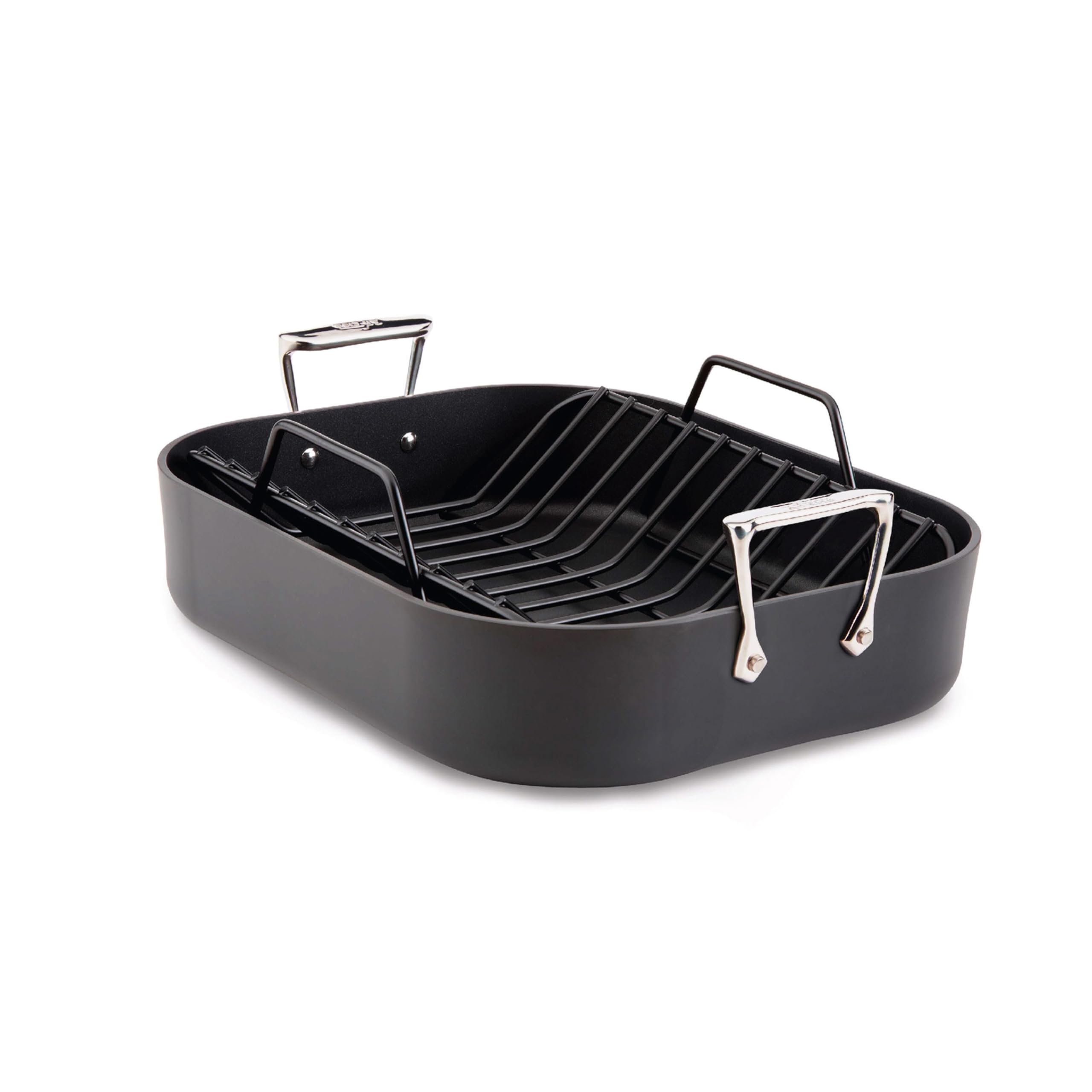


Quick Answer: The Three Shapes That Cover Most Homes
Most households end up choosing between three shapes. A midsize rectangular roaster with a rack is the everyday workhorse for chickens, pork loins, and vegetable trays. A smaller flared roaster suits one or two person homes and side dishes, and stores in far less cabinet depth. A large roaster built for a holiday bird earns its space only if you host big gatherings more than once or twice a year. Pick the shape first, then check the details below.
Before You Buy: A Quick Checklist for Choosing a Roasting Pan
Size: Match It to Your Space
Start with your oven, not the bird. Measure the interior width and depth, then leave about an inch of clearance on every side so hot air can circulate and the handles stay reachable with mitts on. A pan around 13 by 16 inches fits most standard ovens and handles a medium turkey or two chickens side by side. Compact 11 inch class roasters suit apartment ovens and weekly meals for two. An 18 inch pan sounds generous, but it can block oven vents and crowd a small kitchen. Our walkthrough of what size roasting pan do i need matches pan sizes to bird weights, and if the holiday bird is your main concern, see the best roasting pan for turkey guide for capacity details.
Which Type Fits Your Routine
Roasters from this brand center on bonded stainless steel, often called tri ply, where an aluminum core runs through the base and walls so heat spreads evenly and the pan can move from oven to stovetop for gravy. Nonstick versions release food easily but the coating wears and limits high heat browning. If you already own a heavy oven safe pot, the roasting pan vs dutch oven comparison explains when a shallow open roaster still wins: better browning, easier basting, and room for a rack. Disposable foil pans solve cleanup for one event, but they flex under a heavy bird and cannot go on a burner.
Features Worth Paying For, and Ones to Skip
A rack is the feature that changes results most, because lifting meat off the pan floor lets hot air reach the underside and keeps the skin out of the juices. A V shaped rack cradles a bird, while a flat rack suits roasts and ribs. If a rack matters to you, the best roasting pan with rack guide compares rack styles in depth. Upright riveted handles that you can grip with thick mitts are worth paying for. A tight lid, by contrast, traps steam and softens skin, so most home cooks can skip it and use foil on the rare day they need a cover.
Is the Pan Non Toxic? Coatings and Materials Explained
Plain stainless steel has no coating at all, so there is nothing to peel, chip, or wear away, which is why health conscious buyers often land on it. Nonstick roasting pans usually rely on PTFE, a PFAS family coating that is considered stable in normal use but degrades at very high heat and has a limited lifespan. Ceramic style coatings avoid PTFE, yet they tend to lose their release sooner. With uncoated stainless, the trade off is food sticking a little more, which is manageable once you learn to preheat the pan and deglaze.
Induction, Gas, and Glass Top Compatibility
A roaster earns its keep when it can finish the job on the stove, reducing pan juices into gravy in the same vessel. Bonded stainless with a magnetic base works on induction, gas, and glass top ranges, so check that the listing names your cooktop type before ordering. Glass top owners should also confirm the base is flat and smooth, since a warped or rough bottom can rock and scratch. Oval and very long pans may overhang a single burner, so plan on straddling two burners and rotating the pan for even reduction.
Oven Safe Temperature and Handles
Stainless roasters typically tolerate broiler level heat, which matters when you want a final blast of color on skin, while many nonstick pans cap out at lower temperatures that rule out broiling. Handles deserve equal attention: tall loop handles riveted to the pan walls stay cooler to grip and clear the rack, while low profile handles can hide under a mitt edge. Silicone grips feel secure but often carry a lower heat limit than the pan itself, so an all metal handle is the safer match for high heat roasting.
Realistic Budget Ranges
Roasting pans in general start at about $30 for thin single layer steel that can warp, and about $50 to $100 buys sturdier midweight pans. Bonded stainless from a premium brand usually lands around $150 to $300 depending on size and whether a rack is included. What the extra money buys is flat, warp resistant construction and a pan you keep for decades rather than replace. If your budget is tight, a smaller bonded roaster you use weekly beats a huge one you store away.
The All-Clad Roasting Pan Lineup Explained: Types Compared
The Everyday Stainless Roaster With Rack
This is the type most families should look at first: a rectangular bonded stainless pan, roughly 13 by 16 inches, sold with a fitted rack. It roasts a whole chicken with vegetables around it and handles a pork shoulder. Because the walls are a moderate height, heat reaches the food instead of steaming it, and the flat base sits steady on a burner for gravy. It is the one pan answer for households of three to five who roast a few times a month.
The Flared Roaster for Small Households
Flared roasters have sloped sides that expose more surface to hot air, which speeds browning and evaporation. That shape shines for gratins, roasted vegetables, and smaller cuts where you want edges to crisp rather than braise. For one or two people, the smaller footprint means faster preheating, easier washing in a small sink, and storage that does not demand a deep drawer. The trade off is capacity: a large bird sits high, splatters more, and may brown unevenly near the rim.
The Large Roaster for Gathering Sized Meals
When you cook a turkey above about 18 pounds, or two roasts at once for a crowd, a large straight sided roaster with tall walls keeps juices contained and gives a big rack room to sit flat. Before choosing this type, confirm your oven clearance with the door closed and think honestly about storage, because a pan this size often lives on top of cabinets. Families who host twice a year or more get real value here; everyone else usually borrows or rents for the one big day.
Common Buying Mistakes to Avoid
- Buying for the biggest bird you can imagine instead of the meals you cook monthly, which leaves you with a pan that crowds the oven all year.
- Measuring the pan but not the oven, so handles hit the door or the back wall and the pan only fits at an angle.
- Paying for a lid and specialty inserts you will rarely use while skipping the rack that improves almost every roast.
- Ignoring cooktop compatibility, then discovering the pan cannot sit on your induction hob for gravy making.
- Choosing nonstick for a high heat roasting habit, which shortens the coating life and rules out broiler finishing.
Cost of Ownership and Care
A bonded stainless roaster has almost no running costs: no replacement coatings, no special liners, and a rack that only needs replacing if it bends or rusts after years of use. Wash it with hot soapy water and a non abrasive sponge, and soak stubborn fond while the pan is still warm so it lifts away without scrubbing. Rainbow tinting from heat is cosmetic and fades with a vinegar wipe. For step by step help with burnt on residue, follow how to clean a roasting pan before reaching for harsh powders.
Your Questions, Answered
Which All-Clad roasting pan should I buy?
Buy for your most frequent roast, not your rarest one. If a whole chicken or a pork loin is your monthly habit, the midsize rack equipped roaster covers it and still handles a medium holiday bird. Small households roast happier in the flared style, and only committed hosts need the largest size. One extra check: weigh your usual roasting load, pan included, and make sure you can lift that total from a low oven rack comfortably.
How do you clean a roasting pan after a big roast?
Pour off the fat while the pan is warm, then put the pan on the stove with a little water and simmer for a few minutes. The bubbling liquid loosens the browned bits, and those bits are pure flavor, so many cooks turn that liquid straight into gravy instead of washing it away. After that, normal dish soap finishes the job. Avoid pouring cold water into a screaming hot pan, because the sudden change can warp even a heavy base over time.
Is a roasting pan worth it if you already own sheet pans?
For most roasting, yes, because the tall walls contain splatter, hold juices for basting, and keep a rack stable, none of which a rimmed sheet manages well. A roaster also doubles as a lasagna and casserole vessel, so it earns cabinet space beyond roasting day. If you only ever cook flat items like cookies and cut vegetables, a sheet pan remains enough, and you can put the money elsewhere.
How long does a roasting pan last?
An uncoated bonded stainless roaster can serve for decades, because the cooking surface does not wear out; dings and stains are cosmetic. Nonstick roasters live a shorter life, often a handful of years before the coating dulls and food starts to cling, at which point replacement is the sensible move. Racks usually fail first, since thin wires bend under heavy birds. Replacing just the rack, when the maker sells one separately, stretches the life of the whole set for very little money.
Is All-Clad a good roasting pan brand?
The brand built its name on bonded metal construction, where layers are joined across the whole pan rather than only in a disk on the base, and that full bonding keeps heat even up the walls of a roaster. The brand sits at premium prices, so the value case rests on longevity and consistent results rather than low cost. Shoppers who roast a few times a year may find a mid priced pan sufficient, while frequent roasters tend to appreciate the heavier build every time they lift a full pan.
Final Thoughts
The right choice comes down to fit: fit for your oven, your household, and the way you actually cook. For most homes, the best all-clad roasting pan is the midsize stainless roaster with a rack, sized for weekly meals and still ready for a holiday bird. Smaller households can trade down to the flared style, and regular hosts can justify the largest pan. Check your measurements against the product table above, confirm your cooktop type, and you will buy once and roast happily for years.


