
Best All-Clad Frying Pan in 2026: Buying Guide for Every Kitchen
Disclosure: We may earn a commission when you buy through links on this page, at no extra cost to you. As an Amazon Associate I earn from qualifying purchases. Learn more

The best all-clad frying pan fits your household, stove and cleanup habits. Compare stainless, nonstick and copper core builds.
Picture a Tuesday night in a small apartment kitchen. Two chicken breasts need searing, the counter is already crowded, and your one warped pan rocks on the burner while the edges of the meat stay pale. Moments like that are why people start shopping for the best all-clad frying pan for their home. This guide skips the cooking performance hype and helps you choose by the things that shape daily life: how many people you feed, how much storage you have, how you clean up, and what the pan costs you over the years you own it.
If you are still deciding whether this brand fits your kitchen at all, start with our broader guide to the best frying pan for every material and budget, then come back here to narrow down the lineup. The product table lists current options.

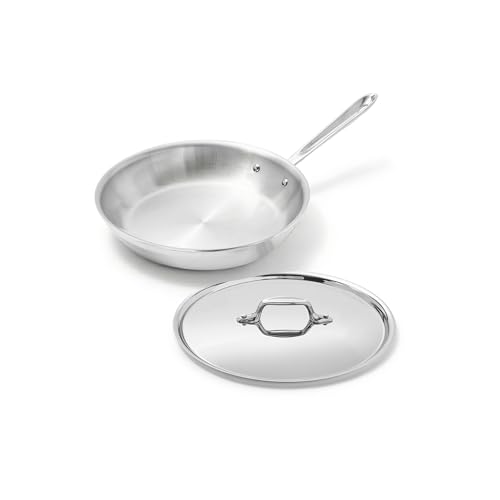

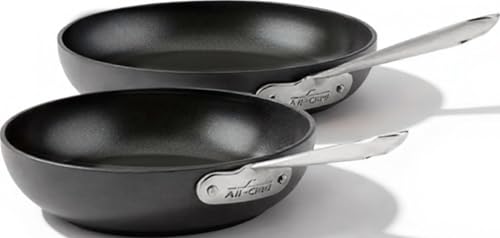
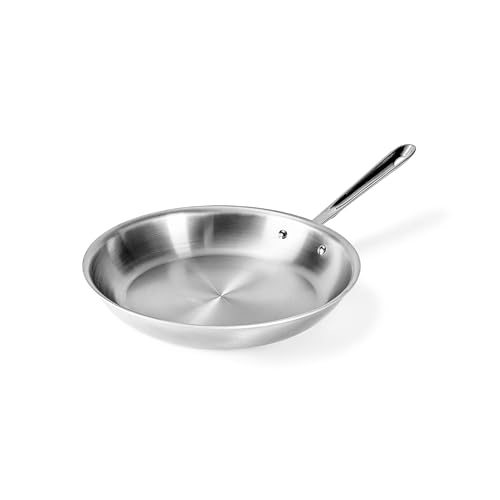

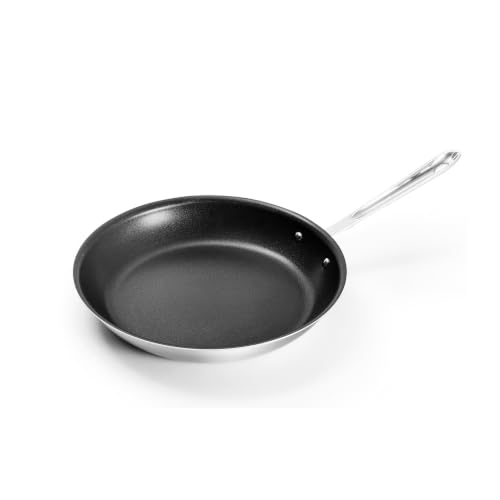

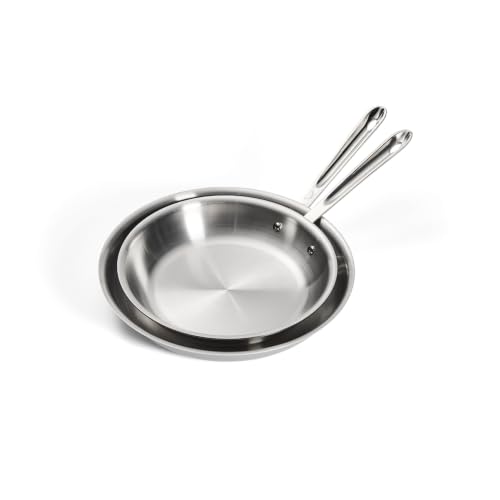

Quick Answer: Match the Pan to Your Home First
For most households, a 10 inch or 12 inch stainless steel fry pan from the core three ply lines is the safest long term buy, since it sears well, goes in the oven, and has no coating to wear out. Small households and anyone who hates scrubbing should look at the hard anodized nonstick lines in 8 inch or 10 inch sizes. Bigger families with wide burners and roomy cabinets can step up to a 12 inch or 14 inch pan in a five ply or copper core build for more even heat.
Before You Buy: A Quick Checklist for Choosing a Frying Pan
Size: Match It to Your Space
An 8 inch pan suits one person cooking a single egg or a small portion of vegetables, and it stores easily in a shallow drawer. A 10 inch pan handles meals for one or two people and fits most apartment burners and cabinets. A 12 inch pan is the family workhorse for three or four servings, though it needs a wide burner and a cabinet deep enough to hold it flat. A 14 inch pan only makes sense if you cook for a crowd often, because it is heavy, awkward to wash in a small sink, and too wide for many stovetops to heat evenly.
Which Type Fits Your Routine
Most of this lineup is stainless steel built from bonded layers, and that suits cooks who sear meat, build pan sauces, and want a pan that tolerates metal utensils. If easy release matters more than browning, the nonstick lines in this range sit alongside the wider market covered in our guide to the best nonstick frying pan options. Shoppers comparing across brands should read our roundup of the best stainless steel frying pan models, and anyone weighing a different material entirely will find the trade offs laid out in carbon steel vs stainless steel. Pick the type that matches your ordinary weeknight food, not the food you make twice a year.
Features Worth Paying For, and Ones to Skip
A helper handle on the larger sizes earns its keep, because a full 12 inch pan is a two hand lift and one long handle makes moving it risky. Flared rims that pour cleanly are worth having if you make pan sauces often. A lid is nice for finishing eggs or melting cheese, but many homes already own a lid that fits closely enough, so a bundled lid should not drive the purchase. Pour spouts matter little on a fry pan, since the wide open shape already tips food onto a plate without fuss.
Is It Non Toxic?
The stainless steel pans in this lineup have a plain metal cooking surface with no coating at all, which is why cautious shoppers often land on them when reading guides to the best non toxic frying pan. The nonstick lines use a PTFE based coating, the family of materials often discussed under the PFAS label, and they should never be heated empty on high or used once the surface is scratched and peeling. Within this brand, bare stainless is the coating free choice.
Induction, Gas and Glass Top Compatibility
Most stainless lines in this range have a magnetic stainless exterior, so they work on induction as well as gas and electric glass tops. Nonstick lines vary more, and some are not induction ready, so confirm compatibility with your exact cooktop before ordering. On glass tops, lift the pan instead of sliding it, because grit trapped under a heavy base can scratch the surface.
Oven Safe Temperature and Handles
Stainless handled pans in this lineup are generally rated for high oven heat, often up to about 600 degrees Fahrenheit, which lets you finish a thick steak under the broiler. Nonstick versions carry lower limits, commonly around 500 degrees, and their coatings age faster when baked often. Handles stay cooler on the stovetop thanks to their hollow core design, but they still get hot in the oven, so keep a mitt within reach. Always confirm the rating for the exact line you are buying.
Realistic Budget Ranges
Expect to pay about $80 to $130 for smaller stainless and nonstick sizes, which covers most one and two person homes. The popular 12 inch stainless pans usually land at about $130 to $200 depending on the line. Copper core and larger five ply pans run over $200 and only repay the cost if you cook daily. Watch for seasonal sales rather than stretching your budget, because this brand discounts its core lines several times a year.
The Lineup Compared: Three Builds for Three Kinds of Homes
Your search for the best all-clad frying pan gets easier when you compare builds rather than individual models. Three builds cover nearly every home, and each is sold in several sizes, so choose the build first and the diameter second.
Three Ply Stainless for Most Homes
This is the core build, with an aluminum core bonded between stainless layers from base to rim. It heats evenly enough for searing and sauces, shrugs off metal utensils, and moves from stovetop to oven without worry. The trade off is that eggs and fish stick unless you preheat the pan and use enough fat. For a household buying one serious pan to use for a decade, this build is the sensible default and the one most buyers should start with.
Hard Anodized Nonstick for Easy Weeknights
These pans pair a hard anodized aluminum body with a slick coating, so eggs slide out and cleanup takes seconds under the tap. They suit small kitchens, new cooks, and anyone cooking delicate food several times a week. The honest trade off is lifespan, because every nonstick coating slowly wears and most owners replace the pan after a few years of daily use. Treat it as a convenience purchase with a known replacement cost, not a lifetime pan.
Five Ply and Copper Core as the Long Term Investment
The premium builds add layers, and the copper core version swaps in copper for faster, more even response to burner changes. On a large pan this shows up as edges that brown at the same pace as the center, which matters when the surface is crowded. The trade offs are weight and price. Buy this build when you cook daily and own a stove that can feed a wide pan.
The All-Clad Frying Pan Lineup Explained
The names look confusing at first, but they mostly describe construction. The stainless lines are named for their layer counts, with three ply as the core range and five ply as the heavier premium range, and the copper core line replaces the middle layer with copper. Nonstick pans sit in separate hard anodized collections, and brushed finish versions of the stainless lines differ only in appearance. Sizes repeat across lines, so a 12 inch pan exists in several builds at very different prices. If two pans share a size, the price gap pays for layers, weight, and heat spread, not a bigger cooking surface.
Common Buying Mistakes to Avoid
- Buying a 14 inch pan for a small stove, which leaves the outer ring cooler than the center and crowds your cabinets.
- Choosing nonstick for high heat searing, which shortens the life of the coating and gives weak browning.
- Paying for a premium five ply build when you cook twice a week, since the extra heat control never gets used.
- Ignoring the replacement cost of nonstick and buying the largest size, so the eventual replacement hurts more than it should.
- Forgetting to measure cabinet depth and sink width, so a pan you love becomes a pan you dread washing.
Cost of Ownership and Care
A stainless pan has almost no running costs beyond washing, and it should never need replacing if you treat it well. Nonstick owners should budget for a replacement every few years, and that recurring cost is part of the purchase decision. For daily care, wash stainless with hot soapy water and a sponge, and soak stubborn spots rather than attacking them with steel wool. Our step by step guide on how to clean a frying pan covers stuck on food in more detail. Dry the pan before storing it, and let a hot pan cool a little before rinsing to avoid thermal shock.
Your Questions, Answered
Which All-Clad frying pan should I buy first?
Buy one mid size stainless pan, 10 inch or 12 inch depending on your household, and cook with it for a month before adding anything else. That month teaches you whether you actually miss a nonstick surface or a smaller egg pan, so your second purchase solves a real problem instead of a guessed one. Many households find the single pan covers most meals.
Is All-Clad a good frying pan brand?
Yes, mainly because the brand built its reputation on fully clad construction, where the heat spreading layers run up the sides instead of sitting only in a base disc. That design costs more to make and explains much of the price gap over basic pans. The brand has sold this style of cookware for decades, so matching sizes and owner advice are easy to find.
How do you clean an All-Clad frying pan?
Start with hot water and dish soap once the pan has cooled enough to handle safely. For the rainbow tint that heat leaves on stainless, wipe the surface with a cloth dampened with white vinegar and the color usually fades at once. Brown heat stains respond to a paste of baking soda and water worked in with a soft sponge. These color changes are cosmetic and do not affect cooking.
How long does an All-Clad frying pan last?
A stainless pan can last for decades because there is nothing on the surface to wear away, and a slight warp or loose feeling handle is the usual reason owners finally retire one. Check rivets once in a while and stop using a pan that wobbles badly on a glass top, since poor contact makes heating uneven. Nonstick versions live a shorter life, and the coating, not the pan body, decides when replacement day arrives.
Is an All-Clad frying pan worth the price?
Think in cost per year rather than cost at checkout. A stainless pan at about $150 that serves for fifteen years costs roughly ten dollars a year, while a cheap pan replaced every two years can cost more over the same span. The math only works if you cook often enough to use the pan most weeks.
Final Thoughts
Choosing the best all-clad frying pan comes down to your household, not a trophy shelf. Small homes do well with a compact nonstick or a 10 inch stainless pan, families get the most from a 12 inch three ply stainless pan, and daily cooks with big stoves can justify the copper core build. Use the product table above to compare sizes and builds against your burners, cabinets, and budget, and you will end up with a pan that earns its place every single week.


