Best All Around Trail Mountain Bike of 2026: Complete Buying Guide
Disclosure: We may earn a commission when you buy through links on this page, at no extra cost to you. As an Amazon Associate I earn from qualifying purchases. Learn more

Compare travel, brakes, geometry and sizing to choose the best all around trail mountain bike for your local trails and budget.
A trail bike has to climb without draining your legs, descend with control, and stay fun on the rolling singletrack in between. Buy the wrong geometry or suspension setup and even a pricey bike feels awkward everywhere. This guide to the best all around trail mountain bike options explains the specs that matter, the trade offs at each budget, and how to size a bike correctly the first time. Match the guidance below to the trails you ride most, then narrow your shortlist with the comparison table below.
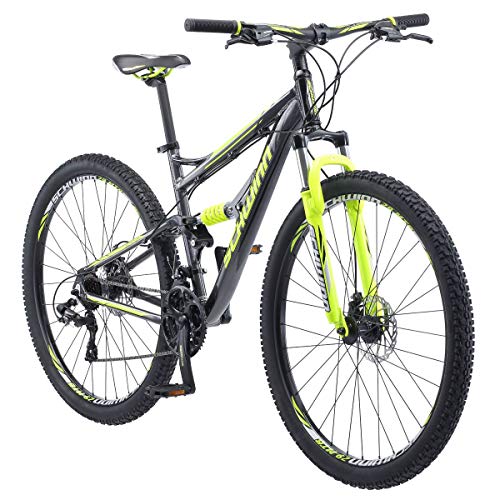

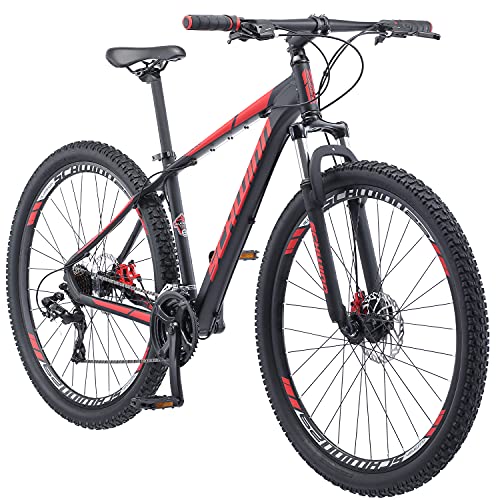
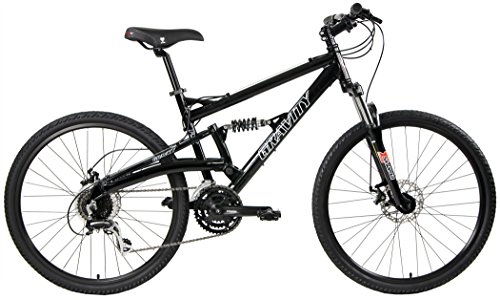
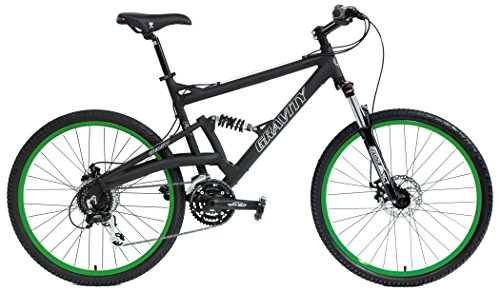

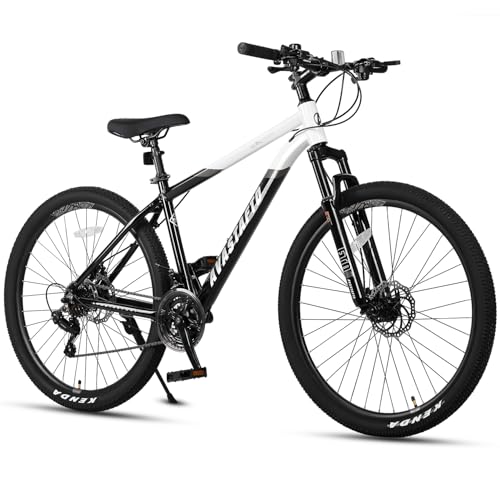
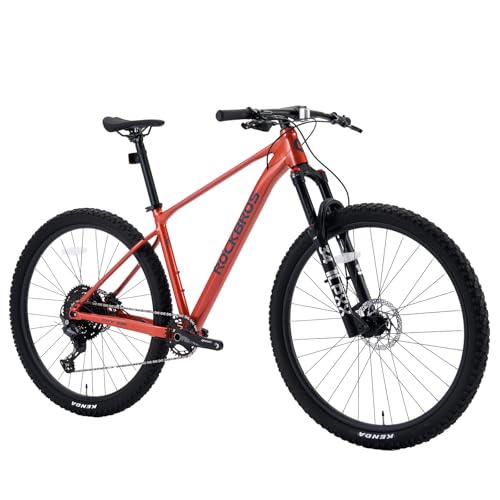
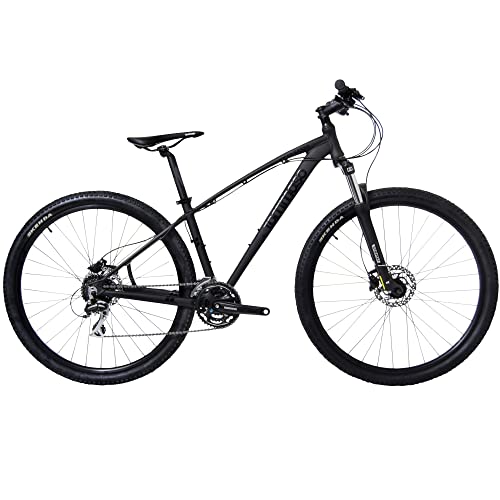
Three Tier Profiles at a Glance
Balanced Profile
The balanced profile most riders should target pairs a full suspension frame with about 130 to 140 mm of travel at both ends, a modern 1x drivetrain, and hydraulic disc brakes. This combination climbs efficiently, handles rocky descents calmly, and suits everything from smooth forest loops to rough backcountry days. Expect to pay roughly $2,500 to $4,000 for this level in a new bike. Weight usually lands around 30 to 34 lb with tubeless tires fitted. It is the profile that disappears under you, in a good way, on almost any trail.
Value Profile
The value profile keeps the parts that affect safety and fun, namely hydraulic brakes, a wide range 1x drivetrain, and an air sprung fork, while saving money with an aluminum frame and simpler wheels. Prices around $1,200 to $2,000 are realistic, and our guide to the best mountain bike for around 500 shows what the step below this level involves if your budget is tighter. A value bike weighs a few pounds more and its suspension feels less supple on long rocky descents, but on typical local trails the difference is smaller than the price gap suggests.
Upgrade Profile
The upgrade profile, often $4,000 and up, brings a carbon frame or high end aluminum, lighter wheels, and suspension with far more adjustment for rider weight and terrain. You also get stronger four piston brakes and a dropper post with more travel. These gains matter most to riders who ride several times a week, race occasionally, or tackle long technical descents. The limitation is not performance but cost of ownership, because premium parts cost more to service and replace. Buy this level when your skills and mileage will actually use the extra capability.
How to Choose the Best All Around Trail Mountain Bike
Bike Type and Riding Style
Trail bikes sit between light cross country machines and heavy enduro bikes. Cross country models climb fastest but feel nervous on steep rough ground, while enduro models shine on descents and punish you on long climbs. A true trail bike balances both, which is why it is the default choice for one bike garages. Think honestly about your weekly riding. If most miles are smooth and fast, bias toward less travel and lighter tires. If your local trails are steep and rocky, a little extra travel and stronger brakes will serve you better than saving a pound.
Brakes (Hydraulic vs Mechanical Disc)
Hydraulic disc brakes are the single most important safety component on a trail bike. They deliver strong stopping power with light lever effort, modulate well on loose surfaces, and largely self adjust as pads wear. Mechanical disc brakes cost less and use simple cables, but they feel weaker and need frequent adjustment. On any bike you plan to ride on real descents, treat hydraulic brakes as non negotiable. Larger rotors, commonly 180 mm or 200 mm up front, shed heat better and suit heavier riders or mountain terrain.
Suspension (Hardtail vs Full Suspension) and Travel
Travel describes how far the wheels can move to absorb impacts. Hardtails, with a front fork only, are lighter, cheaper, and efficient on smooth trails. Full suspension adds a rear shock that improves traction, comfort, and control on roots and rocks. For all around trail use, about 120 to 150 mm of travel covers the widest range, with 130 to 140 mm the most versatile middle. More travel is not automatically better, because extra travel adds weight and can make flat trails feel dull. Match travel to the roughest trails you ride regularly, not the roughest you might visit once.
Frame Material and Geometry
Aluminum frames offer the best value, with good stiffness and durability at a fair price. Carbon frames save weight and can feel smoother, but cost more and need care after a hard crash. Steel is tough and comfortable yet heavy for trail use. Geometry matters as much as material. A head angle around 65 to 67 degrees gives calm steering on descents, while reach, the horizontal distance to the bars, sets how roomy the bike feels standing up. Longer reach suits taller riders and open trails, while shorter reach feels nimble in tight woods.
Weight and Components Upgrade Path
Every pound matters on climbs, but durability matters more for most riders. A sensible trail bike lands between about 28 and 35 lb depending on travel and budget. When comparing two bikes, favor the one with the better frame, fork, and brakes, because wheels and tires are easy upgrades later. Contact points such as saddle, grips, and pedals are cheap to change and transform comfort. A practical know how point is to set aside about 10 percent of your budget for those personal fit items rather than spending every dollar on the bike itself.
Sizing and Fit
Size by reach and standover height, not by wheel size or a generic height chart alone. You should be able to stand over the frame with clearance, reach the bars without locking your elbows, and drop the saddle fully without it hitting the rear tire area. Most brands publish height ranges per size, and riders between sizes usually do better on the smaller option for tight trails or the larger one for open fast terrain. If possible, sit on the bike or a close match before buying, because a five minute fit check prevents months of discomfort.
Types of Trail Mountain Bikes
Hardtail trail bikes
Hardtails have suspension only at the front, which makes them lighter, simpler and cheaper to maintain. They teach good line choice because the rear wheel follows the ground exactly. On smooth to moderately rough trails they are fast and fun. Riders on rocky terrain or with sensitive backs may find the ride harsh over long days. Our comparison of the best all around mountain bike styles explains where hardtails fit.
Short travel full suspension bikes
With about 100 to 130 mm of travel, these bikes climb eagerly and still smooth out roots and chatter. They suit riders on rolling singletrack who want comfort without the weight of a long travel bike.
Mid travel trail bikes
Around 130 to 150 mm of travel is the classic trail bike. It balances climbing and descending, handles rocky sections calmly and suits riders who want one bike for everything. For terrain-specific advice, see our guide to the best bike for mountain trails.
Setup and Care Tips
- Check tire pressure before every ride, because a few psi changes grip and comfort more than most upgrades do.
- Set suspension sag with your riding gear on, following the maker guide, so the bike sits in its intended geometry.
- Clean and lube the chain every 100 to 200 miles, and sooner after muddy rides, to protect the drivetrain.
- Plan routes and check trail conditions in advance; our notes on the best app for mountain bike trails can help you pick suitable loops.
- Have a professional tune up yearly, including brake pad and suspension checks, if you ride weekly.
FAQs
Hardtail or full suspension for beginners?
Full suspension is the easier starting point for rough trails, because it forgives poor line choices and reduces fatigue. A hardtail is a smart beginner choice if your trails are smooth, your budget is tight, or you value simple maintenance. Either way, spend on fit and hydraulic brakes first. Beginners progress fastest on a bike that fits well and stops confidently, whatever the rear end design.
What size bike do I need?
Start with the brand size chart for your height, then confirm with reach and standover rather than seat tube length alone. Your knees should keep a slight bend at the bottom of the pedal stroke, and your arms a relaxed bend at the bars. Riders between sizes should think about terrain, choosing smaller for agility and larger for stability. A short parking lot ride reveals more than any chart.
How much should I spend on my first bike?
Plan on about $1,000 to $2,000 for a new trail bike that is safe, durable, and fun enough to keep for years. Below that range, expect compromises in brakes, fork quality, or gearing that you will feel on real trails. Reserve part of the budget for a helmet, pump, and basic tools. If the total feels steep, a recent used bike from a known seller can be a sensible route.
Our Verdict
Prioritize fit, hydraulic brakes, and suspension matched to your terrain, and the rest of the spec sheet falls into place. Value tier bikes serve most riders well, while upgrade tier machines reward high mileage and technical trails. Revisit the product table above with your size and budget fixed, and the best all around trail mountain bike for you will be the one that fits your body, your trails, and your wallet without forcing a compromise on safety.