Best All Around Snowboard Boots at Every Price: What Your Money Really Gets You for 2026
Disclosure: We may earn a commission when you buy through links on this page, at no extra cost to you. As an Amazon Associate I earn from qualifying purchases. Learn more

Compare the best all around snowboard boots at every price point. Learn what you get at budget, midrange, and premium levels and where spending more pays off.
Snowboard boots range from under $150 to well over $400, and the price gap is not just about a logo. Liner quality, flex control, lacing systems, and sole grip all change as you spend more, and some of those changes matter a lot while others barely show on the hill. Finding the best all around snowboard boots means knowing which upgrades you will actually feel.
This guide breaks the market into budget, midrange, and premium tiers and explains what each tier usually delivers. Use the comparison table below for a quick price snapshot, then read the tier and feature sections before you order.
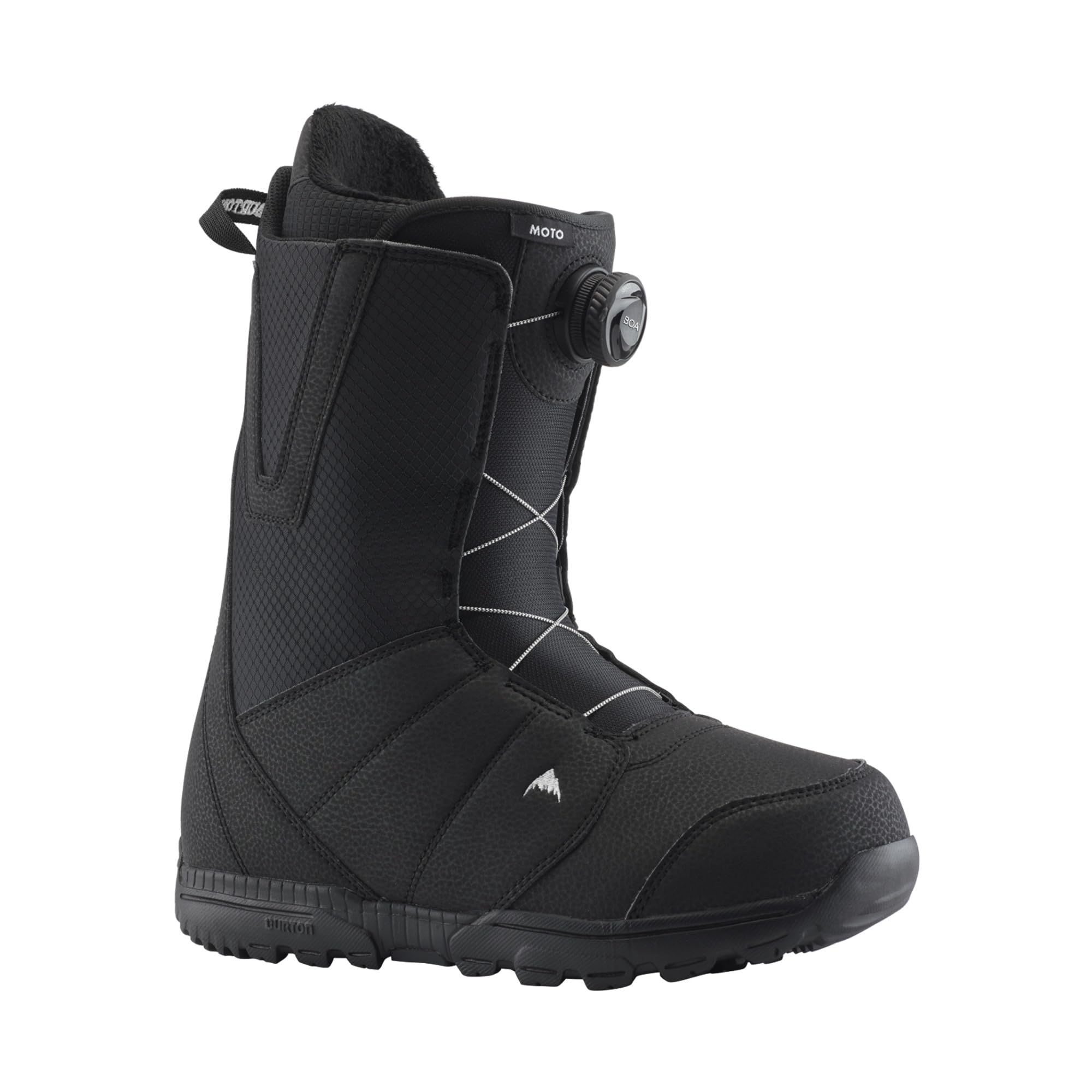

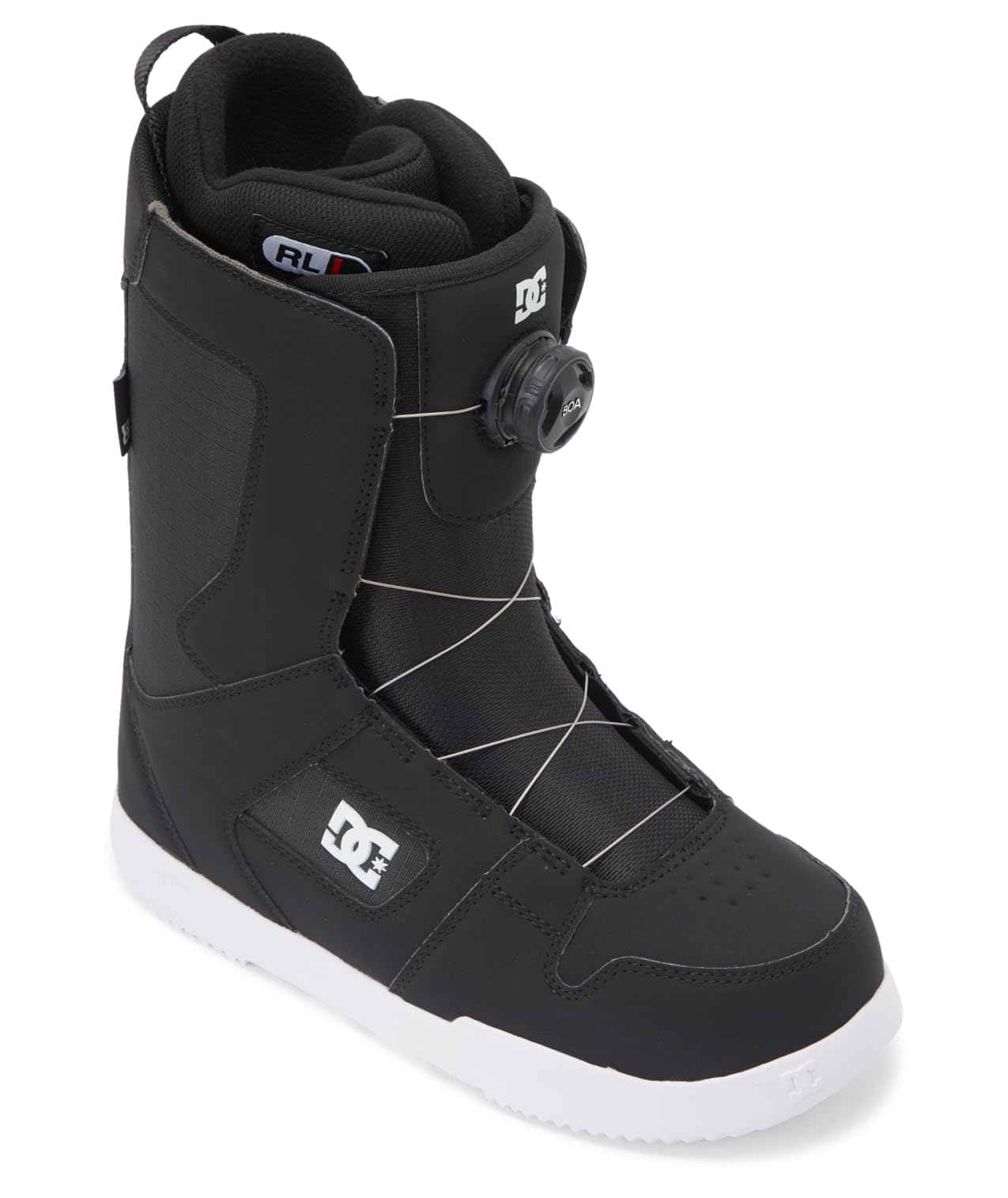
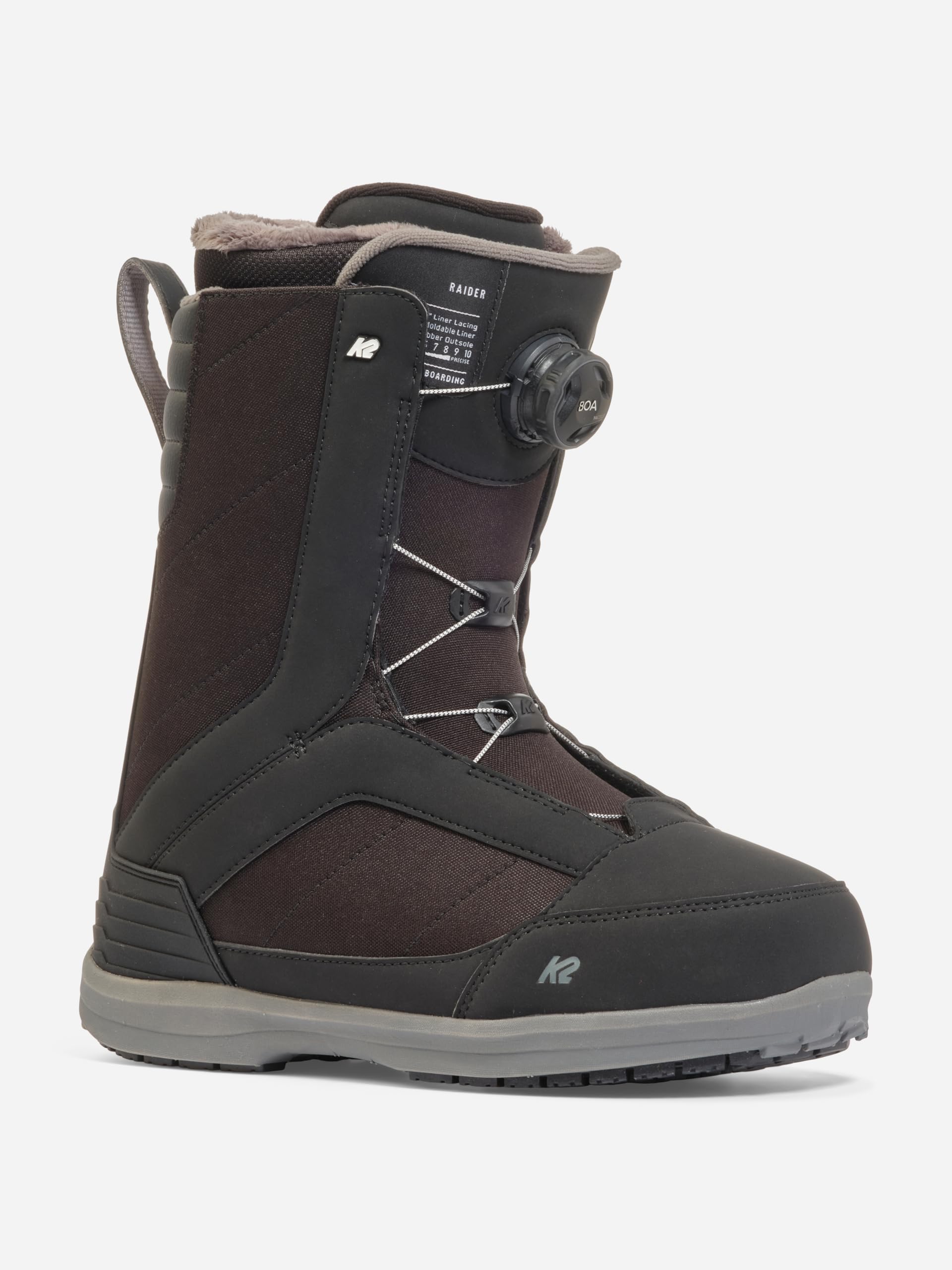

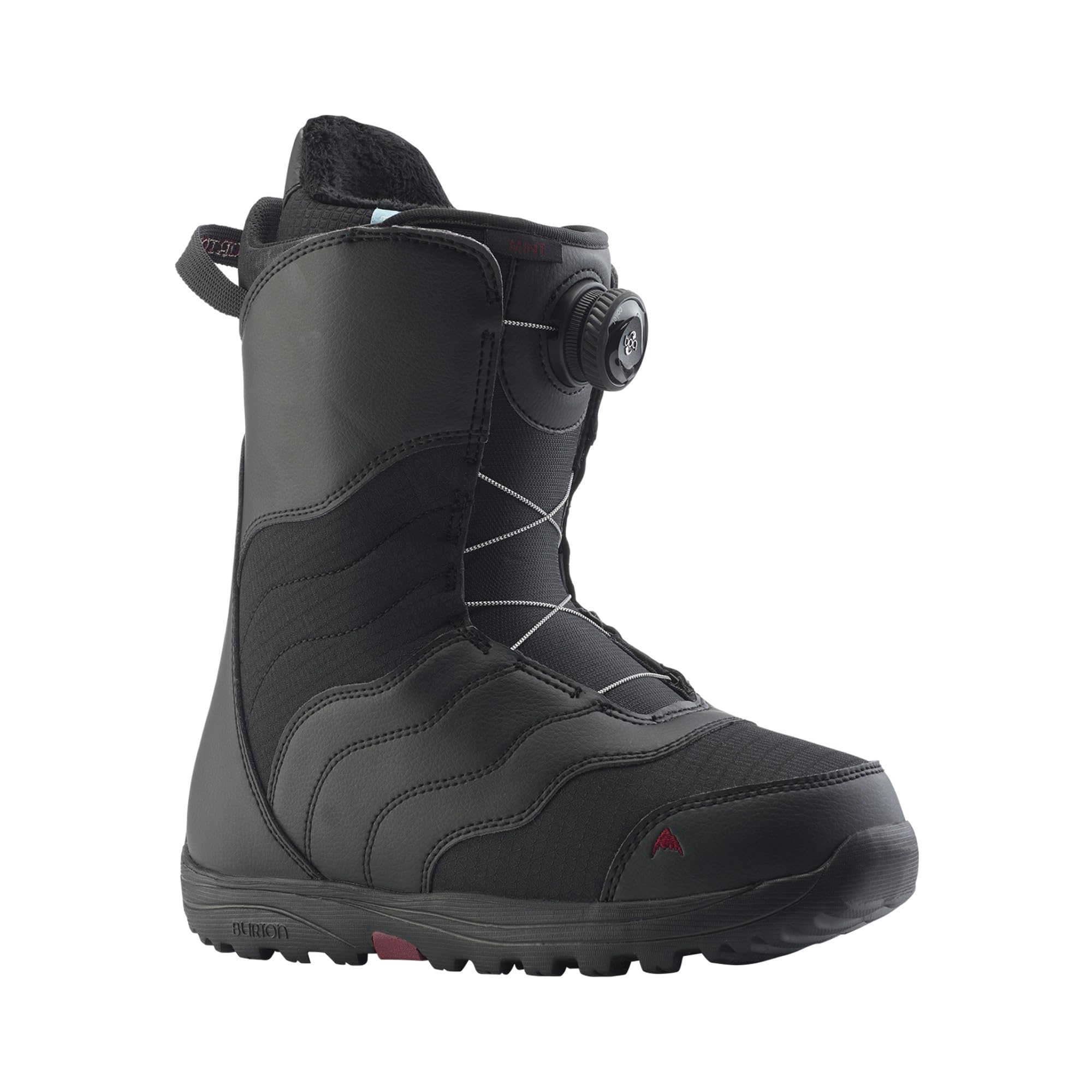


Boot Profiles by Budget
This section describes the profile a good buy shows at each budget. Match the profile to how often you ride and how demanding your terrain is, then judge any boot in the product table above against that profile.
Budget Profile
A good budget profile covers the non negotiables: a medium soft flex that forgives mistakes, a liner with enough padding to prevent heel lift, and a sole with real tread for icy parking lots. Traditional laces or a simple speed lace system keep costs down and remain easy to repair. The limits are durability and precision. Foam liners pack out sooner, usually within a season or two of frequent riding, and soft shells can feel vague at higher speeds. This profile suits new riders, growing teens, and anyone who rides only a few days each year.
Midrange Profile
The midrange profile is where most riders should shop. Expect a heat moldable liner that shapes to your foot, a more supportive shell with flex around the middle of the scale, and a dual zone lacing system that lets you tighten the lower and upper boot separately. That separation is the single biggest comfort upgrade in this tier, because it stops the common problem of tight shins and loose feet. These boots typically last several seasons of regular riding. Their limit is weight and ultimate stiffness, which only aggressive riders tend to notice.
Premium Profile
A premium profile buys precision and longevity. Stiffer, more responsive shells hold an edge on steep and icy terrain, top tier liners resist packing out, and lightweight soles reduce fatigue over long days. Some premium boots add adjustable flex inserts or replaceable sole sections that extend service life. The honest limit is fit sensitivity. A stiff premium boot in the wrong size punishes your feet far more than a soft cheap boot does. Buy premium only after you know your size, your flex preference, and your binding setup with confidence.
What Your Money Gets You at Each Price Tier
Budget Tier: What to Expect
Budget boots, often around $120 to $200, use basic foam liners, single zone lacing, and softer flex ratings that favor comfort over control. They work well for learning, rental replacement, and mellow resort days on groomed runs. What you give up is fine adjustment and long term support. After many days on snow, the liner compresses and heel lift appears, which leads to blisters and tired calves. If you ride fewer than ten days a year, those tradeoffs are reasonable. If you ride every weekend, budget boots become a short term purchase rather than a saving.
Midrange Tier: The Sweet Spot for Most Buyers
Midrange boots, often around $200 to $320, deliver the features with the clearest payoff: dual zone lacing, moldable liners, medium flex, and grippier soles. Riders exploring fit differences by foot shape can compare general notes in the guide to best men's snowboard boots and apply the same sizing logic across the aisle. This tier handles groomers, park laps, and moderate powder days without feeling out of place. For intermediate riders building skills across the whole mountain, midrange boots rarely hold you back, and they leave budget room for a good helmet and bindings that fit well.
Premium Tier: When Spending More Pays Off
Premium boots, often around $320 to $500, pay off for advanced riders, heavier riders who flex soft boots too easily, and anyone with hard to fit feet who benefits from the best liners and shell shaping. You also gain in cold weather insulation and in materials that stay supportive in very low temperatures, where cheap foam can stiffen oddly or crack over time. Spending more does not pay off if you ride twice a year on gentle slopes. In that case the premium features sit unused while the stiff flex actually makes learning less forgiving.
Features Worth Paying For (and Ones to Skip)
Portability and Storage
Boots do not inflate or fold, so portability means carrying and storing them well. A boot bag with ventilation protects liners, keeps wet soles off car seats, and makes airline travel far easier, and it usually costs under $50. At home, store boots loosely buckled or laced, in a dry room, with the liners pulled out after wet days so they dry fully. Skip oversized hard cases for resort riding. They add cost and bulk without protecting anything that a padded bag does not already protect.
Materials and Construction
Shells use synthetic materials, leather sections, or a mix, often with composite textile panels that balance weight and support. What matters is how the shell holds flex over time and how well seams and stitching resist water and abrasion from bindings. A well made synthetic boot can outlast a poorly made leather one. Check that the sole bonds cleanly to the shell with no gaps, and that high wear points near the ankle and toe have reinforcement. Expensive materials only help when construction quality matches them.
Safety and Certifications
Unlike helmets, snowboard boots carry no single safety certification that guarantees protection, so do not pay extra for vague safety claims. Real safety in boots comes from fit and support: a secure heel hold, ankle support matched to your riding, and a sole that grips on ice around the lodge. Riders with past ankle injuries should talk with a clinician or a qualified boot fitter about stiffness and support before choosing. Your certified helmet and, where relevant, wrist protection do the formal safety work in this sport, not the boots.
Skill Level and Intended Use
Flex should match skill and terrain more than price. Beginner friendly boots use soft flex that forgives sloppy turns and feels comfortable all day. Intermediate and all around riders do best with medium flex, which balances forgiveness with edge control. Advanced freeride riders often choose stiff boots for instant response on steep faces. A practical know how point is to flex a boot indoors while standing in your bindings if possible. If you cannot bend your knees naturally against the boot tongue, the boot is likely too stiff for your current riding.
Long Term Costs to Factor In
The purchase price is only part of ownership. Budget for replacement liners once the originals pack out, which can cost around $80 to $150, plus boot dryers, waterproofing care for leather sections, and occasional lace or dial replacements. Travel riders should add a boot bag. Warranty length varies by brand and tier, and premium lines sometimes cover materials for longer, which has real value if you ride often. Add these costs across three seasons and a midrange boot with a replaceable liner often beats a cheap boot replaced twice. Fit services also matter, and many shops include basic heat molding with purchase, so ask before paying a separate fitting fee elsewhere.
FAQs
Does it matter if snowboard boots are fitted indoors or on snow?
Yes, indoor fitting is only the first step. A boot that feels snug and even in the shop can reveal pressure points after two hours of riding, when feet swell and movements repeat. Fit indoors with your snowboard socks, confirm your toes brush the front while standing straight and pull back when you flex, then treat your first short day on snow as the real test before committing to a long trip.
How long do snowboard boots last?
Most boots last roughly 75 to 150 days of riding before the liner packs out and support fades, which means one to three seasons for frequent riders and many years for occasional riders. Soft budget liners sit at the short end of that range. Replace boots when heel lift returns despite tight lacing, when the shell creases deeply and stays bent, or when sole tread wears smooth enough to slip on ice.
What size snowboard boot should I get?
Start with your normal shoe size and the brand size chart, then fit by feel rather than by number. Toes should lightly touch the end when you stand tall and move clear when you bend your knees into riding stance. Riders comparing fits across adult ranges can cross check general advice in the guide to best women's snowboard boots, since sizing logic and heel hold tips overlap. Never size up to chase comfort, because a loose boot causes more pain than a snug one.
Is it worth buying premium as a beginner?
Usually no. Beginners benefit from soft, forgiving flex and from spending the savings on lessons, which improve riding faster than any boot upgrade. A midrange boot is the highest tier that makes sense while you are learning, and only if you know you will ride often. Premium stiff boots can slow learning by punishing balance mistakes. Buy premium later, when your terrain and technique can actually use the extra response.
Our Verdict
For most riders, the midrange tier delivers the best balance of fit, support, and service life, while budget boots serve light use and premium boots reward advanced riders with known preferences. Whatever tier you choose, protect the decision with careful sizing and the right flex for your terrain.
Check your shortlist against the product table, and keep your criteria in this order: fit, flex, then features. Compared with general winter footwear in the guide to best all around boots, snowboard boots are a specialized tool, and the best all around snowboard boots are simply the pair whose tier matches your days on snow and whose fit lets you ride all day without thinking about your feet.