The Best All Around Ski Boots: Buying Guide and Fit Advice for 2026
Disclosure: We may earn a commission when you buy through links on this page, at no extra cost to you. As an Amazon Associate I earn from qualifying purchases. Learn more

Use this guide to choose the best all around ski boots by flex, fit, last width, liner, and buckles, with sizing help for a full day on snow.
Skis get the glory, but boots decide how your day actually feels. A boot that is too stiff, too wide, or half a size too long will tire your legs, dull your control, and send you to the lodge early. The best all around ski boots avoid all three faults by matching flex, fit, and features to a skier who rides the whole mountain in mixed conditions.
This guide explains those three checks in plain language, then shows what each price tier delivers and how the main types differ. Use the comparison table below to build a shortlist, and plan on trying finalists on with your ski socks before you commit.

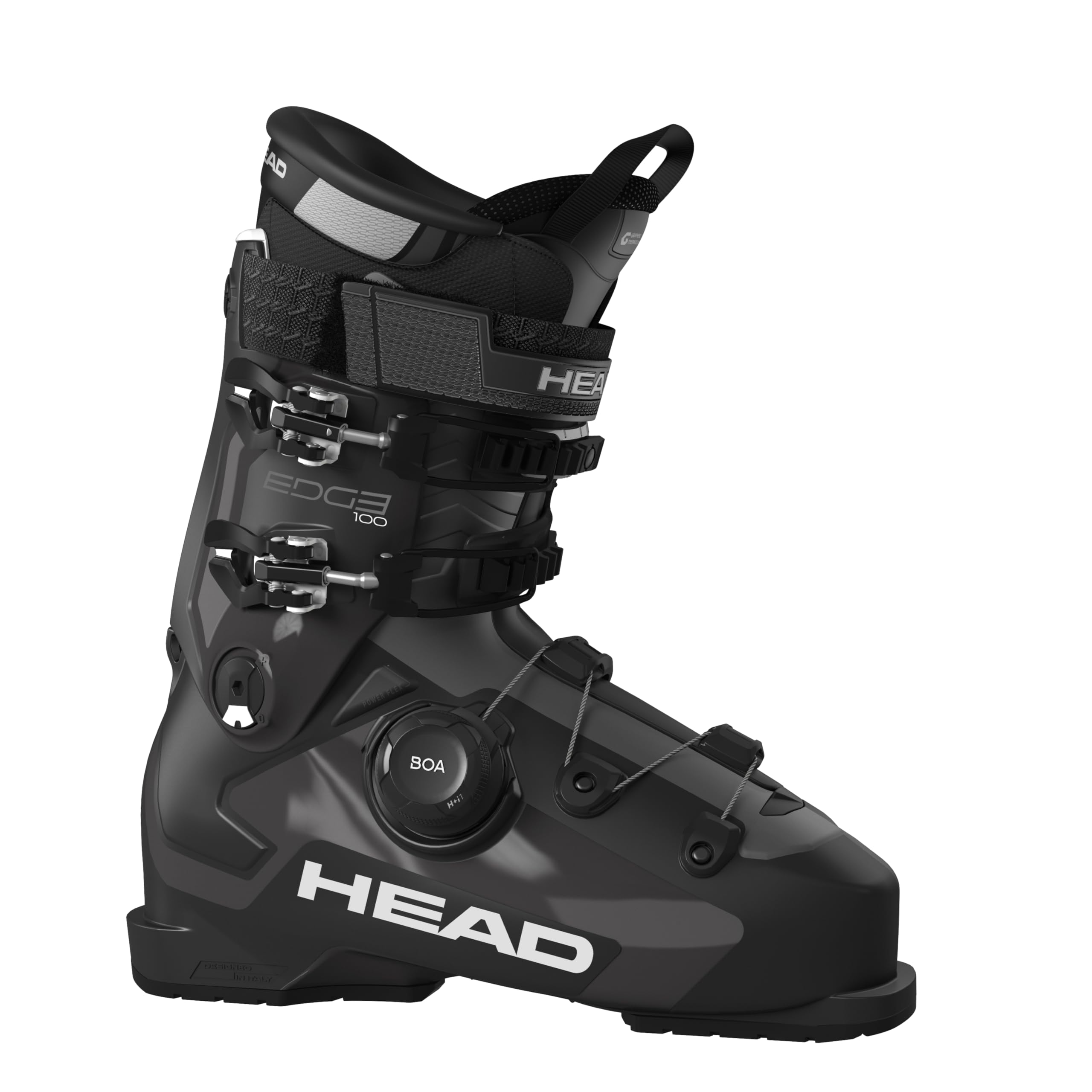


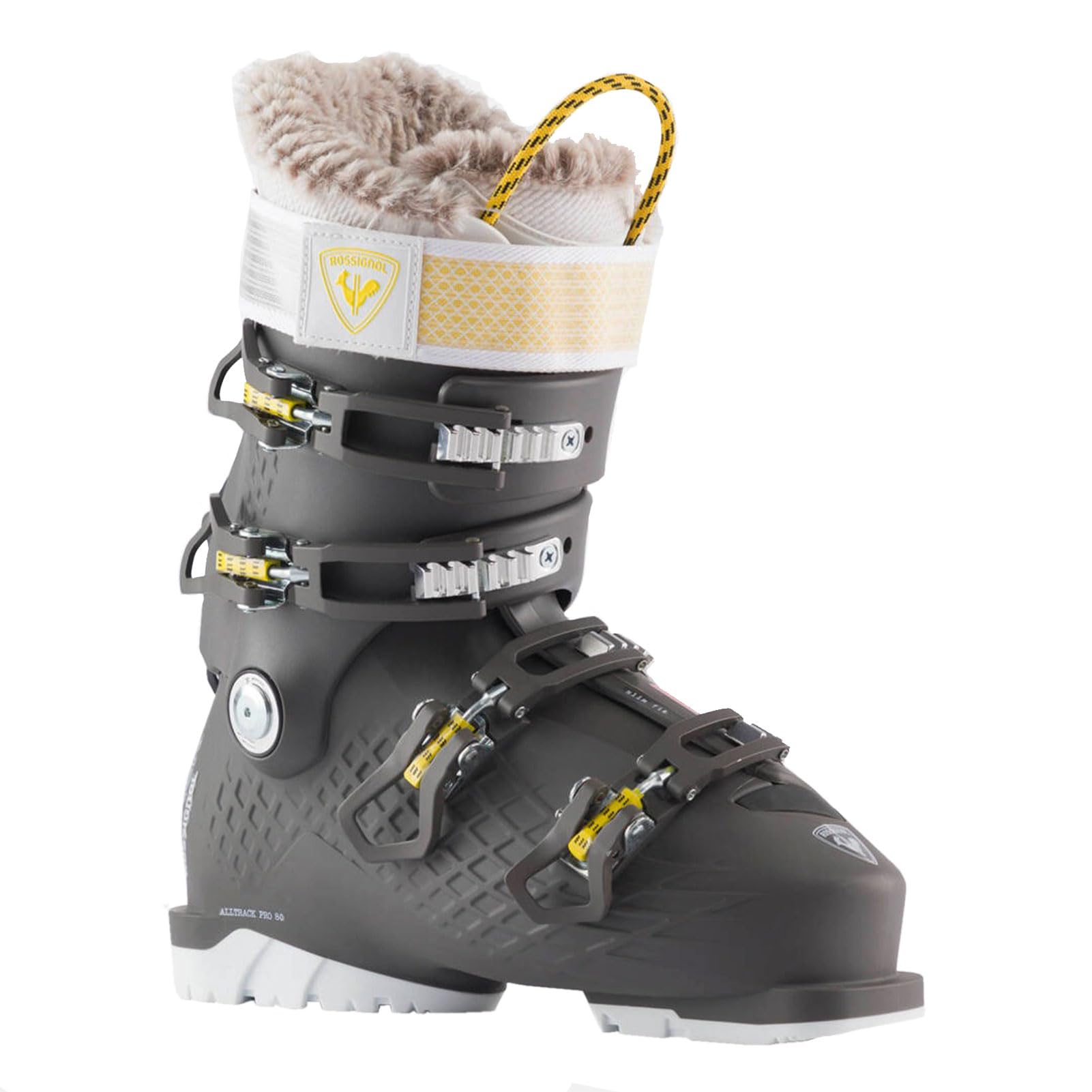
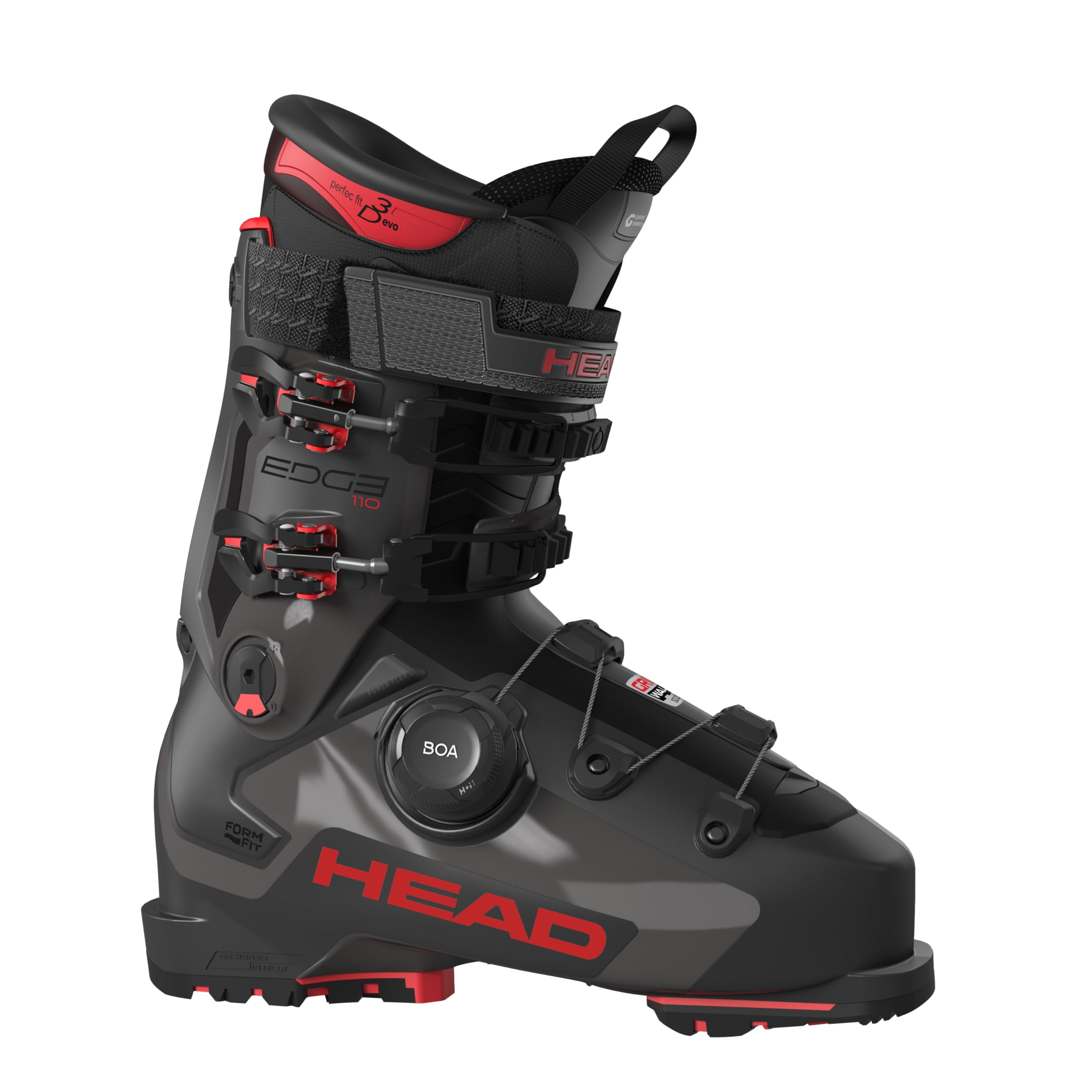

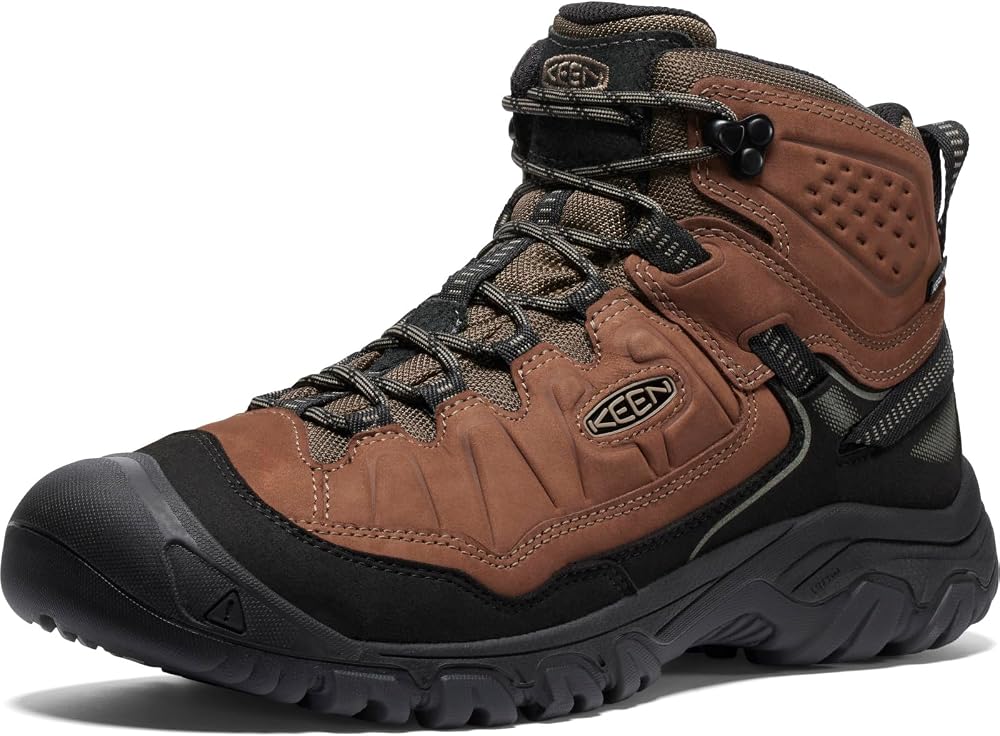
What Each Price Tier Delivers
Overall Tier: Fit and Control in Balance
Around $400 to $600, the overall tier is where most all around skiers should land. Expect a medium stiff shell with a flex rating suited to intermediates and advancing skiers, a liner that can be heat molded to your foot, four buckles with real adjustment range, and a sole that works with standard alpine bindings. Shell plastic in this band keeps its flex more evenly in cold weather.
This tier suits skiers who ride ten or more days a season across groomed runs, bumps, and easy off piste snow. The honest trade off is that you pay for fit features you only appreciate after hours in the boot, which is exactly when cheaper boots start to hurt.
Value Tier: The Sensible First Serious Boot
Around $250 to $400, value boots give up some liner quality and shell refinement but keep the essentials: a sensible flex for developing skiers, buckles that adjust without tools, and liners that pack in to your foot shape over the first days of use. This is the right band for a first owned boot after rental seasons.
Expect to add a better footbed sooner here, since stock insoles in this tier are thin and flat. If your arches ache in rentals, plan that cost in from the start. Our guide to the best insoles for ski boots explains which support styles suit flat and high arches.
Premium Tier: Custom Fit and Stiff Shells
Around $600 to $850 and above, premium boots add stiffer shells, lighter materials, and liners that a boot fitter can mold and adjust in detail. Some add a walk mode and tech inserts for short climbs, which broadens their use toward sidecountry days. Fit hardware improves too, with finer buckle adjustment and replaceable soles and buckles that extend service life.
This tier pays off for strong, heavy, or high mileage skiers who can flex a stiff shell and who notice small fit gains. It is wasted on a gentle skier, because a shell you cannot flex is a control problem, not an upgrade. Buy premium for fit and longevity, not for status.
How to Choose the Best All Around Ski Boots: Buying Guide
Skill Level and Intended Use
Flex is the headline number, and it should follow your skill, weight, and speed. As a general guide, flex ratings around 80 to 100 suit developing intermediates, around 100 to 120 suit confident all mountain skiers, and higher ratings suit experts and racers. The scale is not standard across brands, so compare within one maker range where you can.
Be honest about intended use. A boot for groomed resort laps can favor comfort and easy walking, while a boot that will see bumps, trees, and steep runs needs a secure heel hold and a progressive flex that firms up as you push. Choosing flex for the skier you are today, not the one you hope to be next season, prevents most buying regrets.
Safety and Certifications
Boot safety centers on binding compatibility and correct release. Your boots and bindings must share the same sole standard, such as alpine or GripWalk, and a qualified technician must set and test the release values for your weight, height, and skier type. Never guess release settings or swap soles between standards, because a binding that cannot release as designed raises injury risk on a twisting fall.
See a technician at the start of each season and whenever you change boots, bindings, or weight significantly. If you have past knee injuries or any condition that affects your legs, talk with your doctor or clinician before skiing and share that history with the shop, since release advice is personal. Stop and seek care promptly if you feel sharp pain, numbness that does not fade after loosening buckles, or unusual cold in your feet.
Portability and Storage
Boots travel better with a little planning. A padded boot bag protects buckles and keeps wet gear away from car seats, and carrying boots by their straps keeps your hands free. Some all around models include a walk mode that lets the cuff move for parking lot walks and stairs, which reduces the classic stiff legged shuffle.
At home, store boots buckled loosely on the first notch so the shell keeps its shape, in a dry room away from heaters and direct sun. Always dry liners fully after a trip, either with air circulation or a low heat boot dryer, because a damp liner breeds odor and breaks down foam faster.
Value and Included Accessories
Judge value by the whole package, not the shell alone. A heat moldable liner, a shaped footbed, and spare sole blocks add real worth. Some boots include canting adjustment or extra volume shims, which help a fitter dial in alignment without custom work. Others include almost nothing, and the savings vanish at the first fitting session.
Ask what a local shop charges for basic fitting and whether buying there includes it, since a fair shop package often beats an online discount once molding and adjustments are counted. Keep receipts and box labels until you have skied the boots, because fit problems often appear only after the first full day.
Indoor vs Outdoor Use
The indoor part of boot buying matters more than skiers expect. In the shop, wear your ski socks, keep the boots on for at least fifteen minutes, and flex forward hard against a wall. Toes should brush the front when you stand straight and pull back when you flex, with no crushing pressure points. A boot that feels roomy and comfy like a trainer indoors will feel sloppy outdoors on snow.
Outdoors, cold stiffens shell plastic, so a boot that flexes easily in a warm shop will feel firmer on the mountain. Thick socks are a common mistake: one thin or medium ski sock gives a closer fit, better blood flow, and warmer feet than a bulky pair that bunches and cuts circulation.
Size, Weight, and Fit
Ski boots size in Mondopoint, which is your foot length in centimeters. Measure both feet standing, use the larger figure, and expect your boot size to be smaller than your street shoe size. Shell checks help too: with the liner removed, one to two finger widths behind your heel in the shell signals a sound all around fit.
Width, called last, is the second number that matters. Lasts around 98 mm fit narrow feet, around 100 to 102 mm fit average feet, and wider lasts suit high volume feet. Match last to your measured width before chasing features. If you also shop for other skiers in the family, our wider roundup of the best ski boots covers dedicated categories beyond the all around brief.
Types of All Around Ski Boots
Beginner Options
Beginner friendly boots use softer flex, wider lasts, and plush liners that forgive imperfect stance and keep feet warm during long lift lines. They are easier to put on, easier to walk in, and kinder during a learning season. The limit appears as speed grows, because a soft shell folds under strong turns and the liner packs out faster.
Kids and Youth Options
Youth boots use fewer buckles, softer flex matched to light body weight, and growing room is limited on purpose, since a boot that is too big teaches bad habits and risks heel lift. Fit children in the shop each season and resist buying two sizes up. Hand me down boots need a binding release check by a technician every time they change skier.
Intermediate and All Around Options
The true all around category targets intermediates and advanced skiers who ride varied terrain all day. These boots balance a medium stiff flex, a moldable liner, and a secure heel pocket with enough comfort for full days. For many buyers this is the end of the search. Women comparing dedicated fits should also see our guide to the best women's ski boots, since shell shapes and cuff heights differ there.
Tips to Get the Most From Your Ski Boots
- Buckle in the right order: snug the lower buckles first to seat your heel, then close the cuff and strap, and recheck after your first run as the liner settles.
- Store out of direct sun and extreme heat: heat and ultraviolet light age shell plastic and foams, so a cool dry room beats a car trunk or a spot beside a furnace.
- Check wear before each use: look at sole lugs, buckles, and straps, since worn soles can change how the boot sits in the binding and should be replaced promptly.
- Clean and dry after outdoor use: wipe salt and grit from shells, pull liners out on multi day trips, and let everything air dry fully before the next day.
- Follow maker guidance for liners and dryers: keep dryer heat low and time modest, because excess heat can distort a molded liner you paid to shape.
- Carry a thin spare sock: a fresh dry sock at lunch restores warmth and fit on long days for almost no weight in your bag.
All Around Ski Boots: Your Questions Answered
Indoor vs outdoor: does it matter when fitting ski boots?
Yes, it matters, because a warm shop makes shells feel softer and more forgiving than they will feel in cold air on the mountain. Fit indoors with patience, flex hard and often, and expect the boot to feel a touch firmer outside. A snug indoor fit with toes brushing the front is correct. A loose indoor fit almost always becomes a sloppy and cold outdoor fit.
Is it worth buying premium ski boots as a beginner?
Usually not, because premium boots are stiffer, and a beginner cannot flex them into a balanced stance, which slows learning. A value or overall tier boot with the right flex teaches better habits and leaves budget for lessons and a proper fitting. The exception is a heavy or athletic beginner, who may need the support of a mid stiff shell sooner. A good shop can judge that case in person.
What size ski boots should I get?
Get the Mondopoint size that matches your longer foot measured standing, and expect it to read smaller than your shoe size. Your toes should lightly touch the front when standing and draw back when you flex forward. If one foot is larger, fit to that foot and let a fitter adjust the other. Never size up for comfort alone, because liners pack out and a big boot only gets bigger.
How long do ski boots last?
Most all around boots serve well for about 100 to 150 days of skiing, or roughly eight to twelve seasons for a casual skier. Liners usually tire first, losing warmth and heel hold, and they can often be replaced to extend the life of a sound shell. Replace the boots when buckles or soles wear beyond spare parts, or when a technician advises that the shell plastic has aged.
Wrapping Up
Flex matched to your skiing, a last that matches your foot width, and a liner a fitter can mold are the three choices that decide your season. Tier then sets how refined that package feels and how long it lasts. Compare your finalists in the product table above, try them on with care, and you will find the best all around ski boots for your mountain days. If your search widens beyond skiing later, our guide to the best all around boots covers versatile footwear for other seasons.