Best All Around Mountain Bike 2026: A Practical Buying Guide
Disclosure: We may earn a commission when you buy through links on this page, at no extra cost to you. As an Amazon Associate I earn from qualifying purchases. Learn more

How to choose best all around mountain bike with confidence: sizes, features, budgets and care tips in a clear buying guide for first time and experienced.
Choosing best all around mountain bike can feel confusing when every option claims to be the best choice for riders who want one bike for trail centres, forest paths and occasional road links, without a specialist machine for each surface. This guide cuts through that noise by explaining the types, the features that matter, and the trade offs in plain language, so you can shortlist with confidence. The comparison table below gives a quick overview, and the sections that follow help you match a model to your routine.
Start with how you will actually use it day to day, not with a feature list. A model that fits your space, your budget and your habits will serve you far better than a more expensive model built for a different routine. Keep that use in mind as you read.

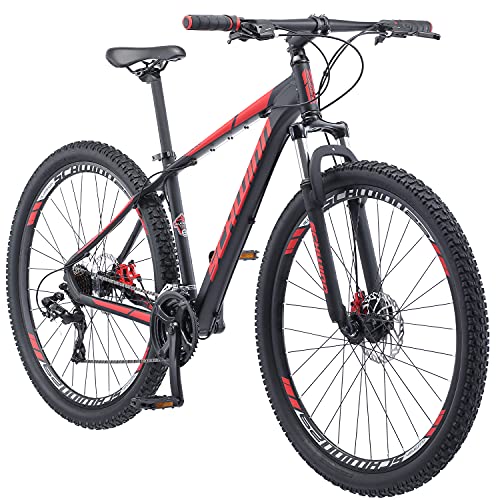
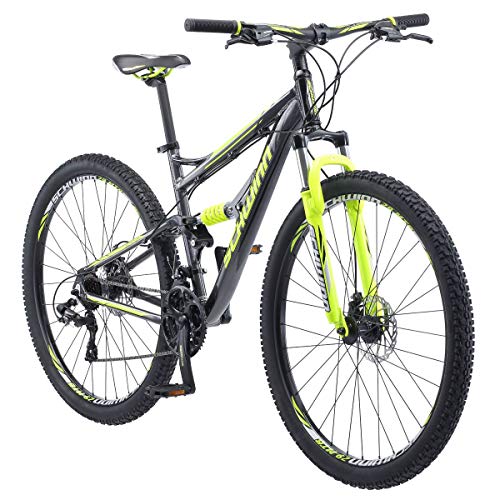
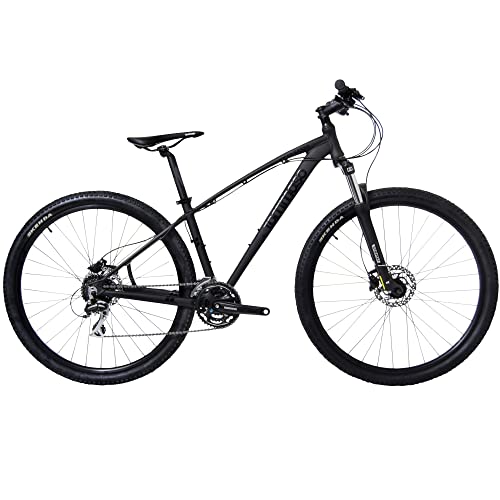



Who Should Buy Which Option
Different buyers need different strengths, and the right choice depends on your routine, your space and how often you will use it. The groups below cover the most common situations, so find the one closest to yours and use its priorities as a starting point.
New trail riders
New trail riders need a forgiving bike that climbs well, descends with confidence and does not demand expert setup. A hardtail or a short travel full suspension bike fits this stage. Spend attention on correct sizing and a shop setup, because a well fitted basic bike beats a poorly fitted expensive one. Related reading includes our guide to best mountain bike for around 500.
Weekend trail centre riders
Weekend trail centre riders need a bike that handles blue and red graded trails, jumps small features and survives regular use. A trail bike with reliable brakes and sturdy wheels suits this routine. Prioritise durability and serviceability over the lightest frame. Related reading includes our guide to best mountain bike around 1000.
Commuters who ride trails
Commuters who ride trails need a bike that also works on roads, with mounts for a rack or mudguards if needed. A hardtail with versatile tyres often bridges both worlds. Check tyre choice carefully, because a muddy trail tyre drags on tarmac and a slick road tyre slips off road.
Types Explained
Understanding the main types helps you rule out whole categories quickly. Each type below suits a different routine, and the trade offs are usually clear once you compare size, cost and everyday effort.
Hardtail trail bikes
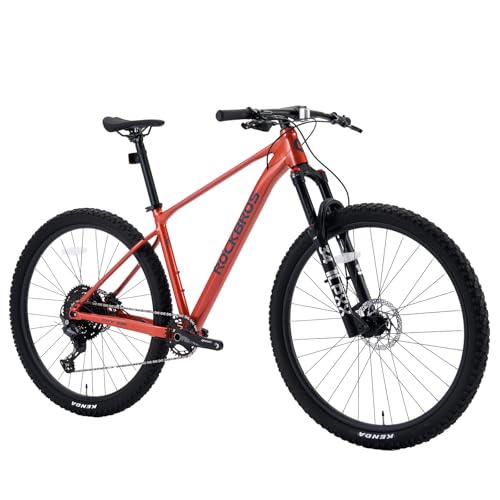
A hardtail trail bike has suspension at the front only, which keeps weight down, maintenance simple and climbing efficient. It suits smooth to moderate trails, forest paths and riders who value a direct feel. On very rough descents a hardtail demands more skill from the rider.
Short travel full suspension bikes
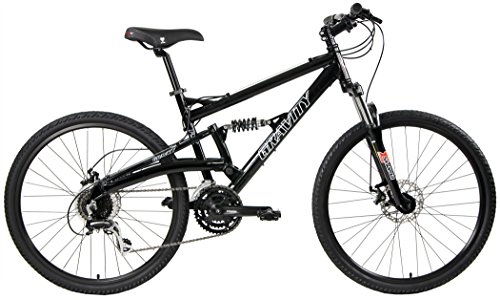
A short travel full suspension bike adds rear suspension for comfort and grip on rougher trails, while staying efficient enough for long rides. It suits riders who want one bike for varied trails and do not mind extra maintenance. Check the suspension setup, because a poorly set shock wastes the benefit.
Trail bikes with relaxed geometry
A trail bike with relaxed geometry offers a stable feel on descents and confidence on steep sections, while still climbing well enough for a day out. Longer reach and slacker angles help on rough ground, but they can feel less nimble on tight, twisty singletrack.
Key Features to Compare
Once you know your type, compare these features side by side. A feature that matters greatly for one routine may matter little for another, so rank them for your own use before you compare prices.
Suspension and travel
Suspension travel shapes how a bike handles rough ground. Short travel suits smoother trails and climbing, while longer travel suits rougher descents. More travel is not always better for an all around bike, because it adds weight and can feel vague on smooth climbs.
Wheel size
Larger wheels roll over roots and rocks more easily and hold speed on open trails, while smaller wheels feel nimbler in tight corners. Most all around bikes now use larger wheels, but test both if you are short or ride very tight trails. Tyre width also affects grip and comfort.
Gearing range
A wide gear range helps you climb steep fire roads and still pedal fast on flat links. Check the lowest gear for loaded climbs and the highest gear for road sections. A simple one-by drivetrain reduces maintenance, while a two-by setup offers a wider range for some riders.
Brakes and tyres
Hydraulic disc brakes give consistent stopping in wet and muddy conditions, which matters on a bike used year round. Tyre tread and width affect grip more than many riders expect, so choose a versatile tread that grips in mud without dragging on hard surfaces.
For a related choice, see our guide to best all around mountain bike tires, which covers a neighbouring option that many buyers compare alongside this one.
For a related choice, see our guide to best all around hardtail mountain bike, which covers a neighbouring option that many buyers compare alongside this one.
For a related choice, see our guide to best all around trek mountain bike, which covers a neighbouring option that many buyers compare alongside this one.
What Your Money Gets You
At about $500 to $900, you can expect solid basics and reliable everyday performance, though materials and extra features stay modest. This tier suits buyers who want good value and do not need premium finishes or advanced extras. Focus on fit, core performance and running costs at this level.
At about $900 to $1,800, you gain better materials, stronger performance and more thoughtful details, such as quieter operation, easier cleaning or a wider range of sizes. This tier suits regular users who will notice the difference daily. It is often the sweet spot for a purchase you plan to keep for years.
At about $1,800 to $3,000, you pay for premium materials, the best performance and the longest expected life, plus design details that make daily use more pleasant. This tier suits buyers who use the product heavily or want a long term investment. Before paying this much, confirm that the extra features match your routine, not just your wish list.
Care, Maintenance and Common Mistakes
Clean the drivetrain after muddy rides, check tyre pressure before each outing, and inspect brake pads and bolts regularly. Keep suspension seals clean, and follow the maker service intervals, because neglected suspension loses performance gradually and can wear expensively.
A common mistake is buying the longest travel bike available for gentle trails, which adds weight and dulls the ride. Another mistake is skipping a proper size check: a bike that is too large or too small causes fatigue and poor control. Wear a helmet on every ride, and seek medical care promptly after a fall with head impact, persistent pain or numbness.
Frequently Asked Questions
Hardtail or full suspension for an all around bike
Choose a hardtail if you value low weight, simple maintenance and efficient climbing on smoother trails. Choose a short travel full suspension bike if you ride rougher trails often and want more comfort and grip on descents. Both can serve as an all around bike; the trails you ride most should decide.
What wheel size suits an all around mountain bike
Most all around bikes use larger wheels for rolling over roots and holding speed, which suits open trails. Smaller wheels feel nimbler in tight corners and may suit shorter riders. Test ride both sizes on a trail similar to your usual routes before deciding.
How much suspension travel do I need
For an all around bike, moderate travel usually covers trail centres, forest paths and moderate descents without adding too much weight. Very long travel suits steep, rough riding but feels less efficient on climbs and smooth trails. Match travel to the roughest trails you ride regularly, not the roughest you imagine.
What size mountain bike should I buy
Use the maker size chart as a starting point, then test ride if possible, checking reach, standover and saddle height. A bike that feels stretched or cramped on a short test will feel worse after two hours. A shop fit or a careful home setup with the right stem and saddle position can fine tune the fit.
What should I check before ordering
Check the frame size, suspension type and travel, wheel size, gear range, brake type and tyre tread. Also confirm whether the bike arrives assembled or needs a shop build, and whether spare parts like derailleur hangers are easy to obtain for your model.
Final Thoughts
The right best all around mountain bike is the one that fits your space, your routine and your budget, and that you will enjoy using regularly. Compare the types and features above, check the size and running costs, and avoid paying for extras that do not serve your daily use. The product table above gives a quick recap, so revisit it once you have a shortlist.
Before you order, list the three trails you ride most and the surfaces they include. If those trails are mostly smooth forest paths with one rough descent, a hardtail or short travel bike will serve you better than a long travel machine built for steeper terrain.