
Best All Around Hardtail Mountain Bike: Budget, Midrange, and Premium Picks for 2026
Disclosure: We may earn a commission when you buy through links on this page, at no extra cost to you. As an Amazon Associate I earn from qualifying purchases. Learn more

Compare the best all around hardtail mountain bike by price tier, frame fit, fork travel, gears, and brakes to see where your budget works hardest.
Hardtail prices run from a few hundred dollars to several thousand, and the gap is not just decoration. Fork quality, brake type, and wheel standard change how the bike climbs, descends, and holds up over seasons. Knowing what each tier actually buys is the fastest way to find the best all around hardtail mountain bike for your trails without overspending.
This guide walks through the three price tiers first, then the features worth paying for and the ones you can skip. Use the comparison table below to place each model you are considering into its tier, and always keep money back for a helmet and basic tools.

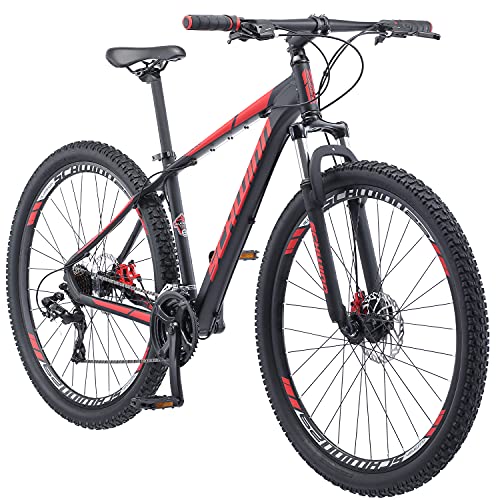
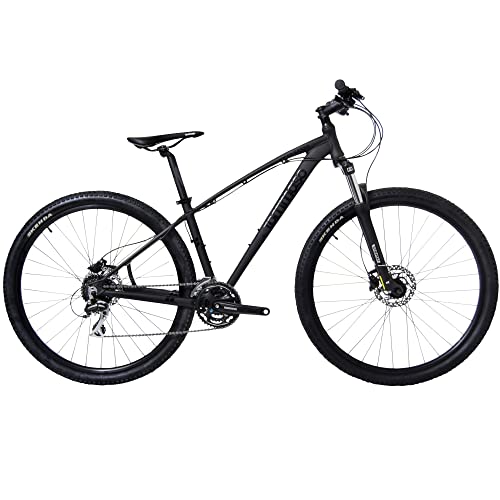
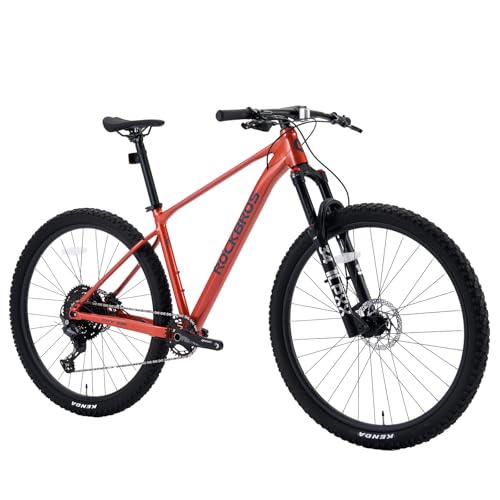


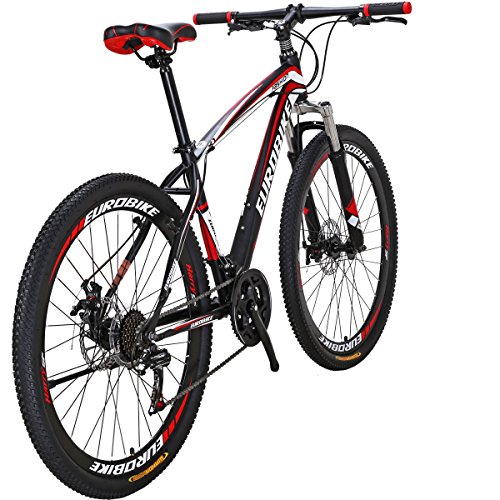
Three Price Tiers at a Glance
Budget Tier: What a Careful Buyer Gets
Around $500 to $800 buys an honest entry hardtail if you choose carefully. Expect an alloy frame, a coil or basic air fork with about 100 to 120 mm of travel, hydraulic disc brakes on better models, and a single chainring drivetrain on the strongest options. Tires are usually basic and wheels are rarely tubeless ready at the bottom of this range.
This tier suits new riders on smooth to moderate trails and anyone testing whether the sport sticks. The limit shows on rough descents, where a basic fork packs down over repeated hits. Our guide to the best mountain bike for around 500 shows how to spot the budget models that still use safe, serviceable parts.
Midrange Tier: Where Most Riders Belong
Around $900 to $1,600 is the heart of the hardtail market. Expect a proper air fork with rebound adjustment, a dropper post, tubeless ready wheels, a wide range single chainring drivetrain, and hydraulic brakes with larger rotors. Frames often add internal cable routing and, on some models, geometry that stays calm at speed.
Riders comparing notes across this band will find our roundup of the best mountain bike around 1000 useful, since many strong options cluster near that mark. This tier handles rough singletrack, long climbs, and weekend racing at local level, and it is the last tier where every extra dollar still buys a felt improvement.
Premium Tier: Refinement and Low Weight
Around $1,800 to $3,500 buys refinement rather than a new category of bike. Expect a lighter alloy or carbon frame, a high grade fork with compression adjustment, strong and light wheels, and a drivetrain with smoother shifting under load. Total weight can drop toward about 24 to 27 lb, which you feel most on climbs and when lifting the bike onto a rack.
This tier suits experienced riders who ride often, value a quiet and precise machine, and plan to keep it for years. The trade off is repair cost, because premium parts wear at similar rates but cost more to replace. If your trails are gentle, premium money buys less than the tier below.
What Your Money Gets You at Each Price Tier
Budget Tier: What to Expect
Budget hardtails spend their money on the frame and brakes first, and that is the right order. A coil fork is heavy and offers little adjustment, but it is durable and easy to service. Gearing may use a double chainring or a narrower cassette, which still covers road climbs and gentle trails. Cable routing and finish are plain, and pedals are often throwaway items you should plan to replace.
The ownership saving is real, since parts are cheap and every shop knows them. The risk is buying below the floor: a bike under around $400 with a freewheel hub, rim brakes, or a fork with no lockout or damping is a false economy for trail use, however bright the paint looks.
Midrange Tier: The Sweet Spot for Most Buyers
Midrange models convert money into control. An air fork can be set for your weight, which a coil fork cannot, so the front wheel tracks rough ground instead of bouncing. A dropper post lets you lower the saddle for descents in a second, which changes confidence more than any other single part. Tubeless tires run at lower pressure for grip and seal small punctures as you ride.
This is also where frame standards modernize: thru axles stiffen the wheels, tapered head tubes accept better forks later, and most frames fit wider tires. A midrange hardtail bought well rarely needs upgrades in its first two seasons beyond tires and grips chosen for taste.
Premium Tier: When Spending More Pays Off
Premium spending pays when it removes a problem you actually have. A carbon frame damps vibration on long rides, a better fork stays composed on rocky descents, and light wheels accelerate faster out of corners. Electronic or high tier mechanical shifting stays crisp in mud that slows cheaper systems.
It does not pay when it only adds badges. Paying more for a race weight frame while running basic tires, or for a top drivetrain on a bike ridden twice a month, returns little. Match the tier to your mileage. Our broader look at the best all around mountain bike can help if you are still deciding between hardtail and suspended formats at these prices.
Features Worth Paying For (and Ones to Skip)
Bike Type and Riding Style
Hardtails split by intent. Cross country models use steeper angles and lighter parts for climbing speed, trail hardtails use slacker head angles and longer reach for descending confidence, and dirt jump or park models are a separate niche you can ignore for general riding. For all around use, choose a trail hardtail with about 120 to 130 mm of fork travel.
Wheel size plays into style as well. 29 inch wheels roll over rocks and roots with less effort and suit taller riders, while 27.5 inch wheels feel quicker to turn and fit smaller frames better. Neither is wrong; match the wheel to your height and the tightness of your local trails.
Suspension (Hardtail vs Full Suspension) and Travel
A hardtail has suspension only at the front, so the fork does all the absorbing and your legs do the rest. That simplicity is the appeal: less weight, less service, and a direct pedaling feel. Full suspension adds comfort and rear traction on rough ground but costs more for equal part quality. On smooth and moderate trails, a good hardtail keeps pace with suspended bikes costing far more.
Fork travel around 120 mm is the all around setting. Less travel feels nervous on descents, while 140 mm or more on a hardtail can make steering vague on climbs because the rear stays rigid. Judge the fork by its damper and adjustability, not travel alone.
Weight and Components Upgrade Path
Expect a sound hardtail to weigh about 27 to 32 lb in midrange form. Weight saved at the wheels and tires helps most, because rotating mass affects acceleration and climbing feel. When judging two similar bikes, pick the one with the better frame and fork, even if its current wheels are heavier, since wheels are a clean later upgrade.
Avoid dead end standards. A frame with a quick release rear axle, a straight steerer fork, or a freewheel hub limits future parts. Thru axles, a tapered head tube, and a cassette hub keep your options open for years. If you want a broad view of current hardtail standards, our survey of the best mountain bike hardtails lays them out side by side.
Long Term Costs to Factor In
The sticker price is only the start. Budget for a helmet, a floor pump with a gauge, a spare tube and levers, and a basic multitool before your first ride. Each season, expect tires, brake pads, and a chain as normal wear items, with a cassette every few chains. Fork service at the maker interval, often yearly for regular riders, keeps a midrange fork feeling new.
Warranty and shop support are part of cost too. A frame with a five year warranty and a local dealer who stocks hangers and small parts will cost you less in time and money than a bargain that leaves you waiting weeks for a proprietary bolt. Total the first two years honestly and the right tier usually becomes clear.
Hardtail Mountain Bike Questions Answered
How much should I spend on my first hardtail mountain bike?
Around $700 to $1,200 buys a first hardtail that is safe, comfortable, and worth keeping as your skills grow. Below that band you trade away hydraulic brakes or a fork with real damping, and both affect control. Above it, you gain ease and speed rather than basic capability. Add roughly 15 percent of the bike price for helmet, pump, and spares so the full budget stays honest.
What size hardtail mountain bike do I need?
Use your height and inseam against the maker size chart, then check standover clearance and reach. Riders around 5 ft 9 in to 6 ft often land on a large, while riders near 5 ft 5 in usually fit a medium, but proportions vary by brand. Between sizes, smaller feels playful and larger feels stable. A brief test ride or a shop fitting is the surest way to decide.
Hardtail or full suspension for beginners?
A hardtail is often the better first bike because it costs less for equal quality, needs less service, and teaches smooth line choice from day one. Full suspension forgives mistakes on rough ground and adds comfort, but a cheap suspended bike can feel worse than a good hardtail. If your trails are smooth to moderate, start with a hardtail. If they are steep and rocky, save longer or shop the suspended value tier.
Final Thoughts
Tier first, then fork, then fit: that order protects your money better than any single component choice. Most riders belong in the midrange, where an air fork, a dropper post, and tubeless wheels come standard. Scan the product table above once more, and the best all around hardtail mountain bike for your budget should stand out as the one with no weak item on this list.

