
Best All Around Mountain Bike Tires in 2026: Matching the Right Model to Your Routine
Disclosure: We may earn a commission when you buy through links on this page, at no extra cost to you. As an Amazon Associate I earn from qualifying purchases. Learn more

Choose all around mountain bike tires by comparing tread, casing, width and tubeless setup for mixed trails and daily trail riding. Read this guide first.
The best all around mountain bike tires roll quickly on climbs, grip in loose corners and resist cuts on rocky trails without costing a fortune. No tire wins at everything, so the goal is balance: a tread and casing that match the mix of surfaces you actually ride.
This guide explains tread, casing, width and compound, how to confirm that a tire fits your rim and frame, and which mistakes to avoid. Use the product table to compare current options.





Who Should Buy All Around Mountain Bike Tires
These tires suit trail riders who see hardpack, roots, loose dirt and the occasional rocky descent in the same ride. They also suit riders who want one dependable set rather than swapping tires for each course.
If you race cross country and want the lightest, fastest tire, see our guide to the best all around xc mountain bike tire. For a wider comparison, read best mountain bike tires, and if your bike has smaller wheels, see the best all around 26 inch mountain bike tire.
Key Features to Compare
Tread pattern
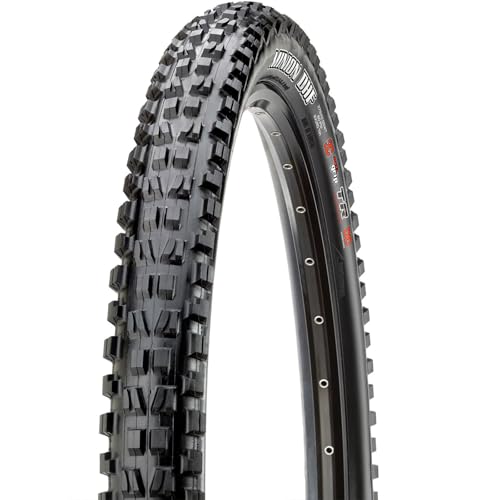
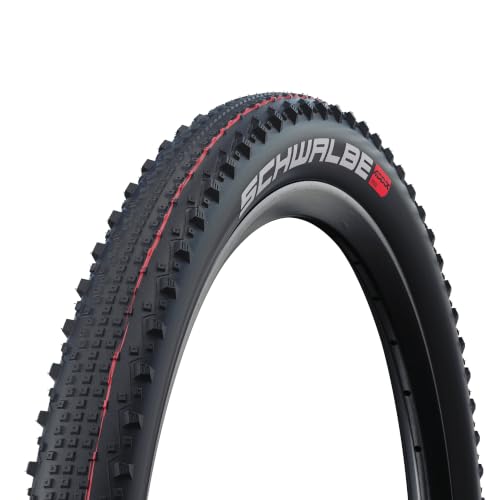
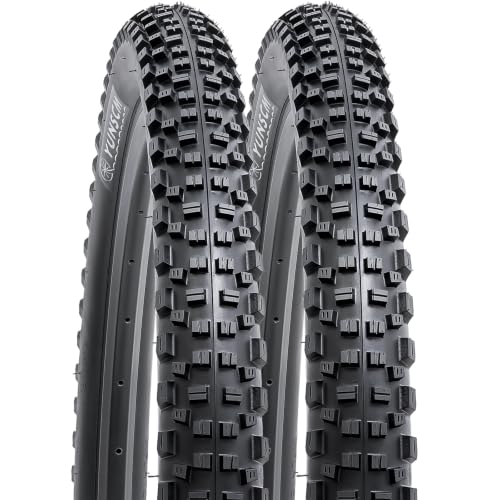
Look for a fast center line of low, closely spaced knobs for rolling speed, with taller shoulder knobs that bite as you lean into corners. Widely spaced knobs clear mud better but feel slow and loud on hardpack.
Casing and flat protection
The casing is the tire body under the tread. Lighter casings feel supple and fast but cut more easily, while reinforced sidewalls suit rocky trails and heavier riders. Choose protection for your sharpest regular terrain.
Rubber compound
Softer compounds grip wet roots and rock but wear faster. Harder compounds last longer with a little less grip. Many all around tires use firmer rubber in the center and softer rubber on the shoulders.
Width and rim fit
Match the tire width to your rim: tires around 2.25 to 2.4 inches suit most modern trail bikes. Check the wheel size (29, 27.5 or 26 inch), the bead standard and the clearance in your frame and fork.
Tubeless readiness
Tubeless-ready tires let you run lower pressure for grip and comfort and let sealant plug small punctures. Even if you use tubes today, a tubeless-ready tire keeps that option open.
Choosing by Terrain and Budget
Hardpack and dry trails favor a faster center tread and a lighter casing. Roots, rocks and loose corners call for taller shoulder knobs and a stronger casing. Wet climates call for softer rubber and more open tread.
Quality all around tires commonly cost between $30 and $75 each. Spending more buys better compound and casing, which show as grip and durability. A modest tire is fine for a spare or a gentle trail network, while a daily rider benefits from the midrange.
Fit and Setup
Confirm the wheel size and measure frame and fork clearance, since two tires labeled 2.4 inches can measure differently. Leave several millimeters of space on each side for mud and flex. Start around 22 to 28 psi for tubeless trail setups and adjust in small steps, adding air if the tire folds in corners or the rim hits rocks.
Care and Long-Term Value
Check pressure before every ride, inspect the tread and sidewalls monthly for cuts, and refresh tubeless sealant every few months. A rear tire on mixed trails often lasts roughly 1,000 to 2,000 miles. Move a fresh tire to the front and the old front to the rear to stretch a set. Always carry a spare tube, levers and a pump, and wear a helmet.
Common Mistakes to Avoid
- Buying the wrong wheel size or bead standard.
- Choosing a downhill tire for a long climbing ride.
- Running too much pressure, which reduces grip.
- Using very old stock whose rubber has hardened.
- Ignoring frame clearance for wider tires.
Frequently Asked Questions
What width is best for mixed trails?
Around 2.25 to 2.4 inches suits most trail bikes. Narrower tires feel quicker, and wider ones add comfort and grip.
Is tubeless worth it?
Yes, if your rims and tires are tubeless ready. Sealant plugs small punctures, and lower pressure improves grip.
How long do tires last?
Often 1,000 to 2,000 miles on the rear. Replace a tire when the center knobs wear low or the sidewall is cut.
Should front and rear tires match?
Not necessarily. Many riders use a grippier tire in front and a faster, tougher one in the rear.
How much should I spend?
Expect about $30 to $75 per tire for a quality all around model.
Final Thoughts
The best all around mountain bike tires pair a balanced tread with a casing that suits your trails and a size that fits your bike exactly. Compare your shortlist in the product table, confirm clearance with a tape measure and pick the profile that matches your terrain.
Get the fit right first, and your tires will make every ride more confident.


