
Best All Around Hunting Boots in 2026: What Your Money Really Gets You
Disclosure: We may earn a commission when you buy through links on this page, at no extra cost to you. As an Amazon Associate I earn from qualifying purchases. Learn more

Pick all around hunting boots by comparing insulation, waterproofing, scent control and grip for varied terrain and hunting seasons. Read this guide first.
The best all around hunting boots keep your feet dry, warm enough for the coldest hunt and quiet enough to move on leaves and twigs, while still giving you the support you need over long, uneven miles. No single boot suits every season, so an all around pair is a balance of waterproofing, insulation, grip and comfort.
This guide explains how to match insulation to your climate, how rubber, leather and insulated boots differ, and what to check before you order. Use the product table to compare current options.
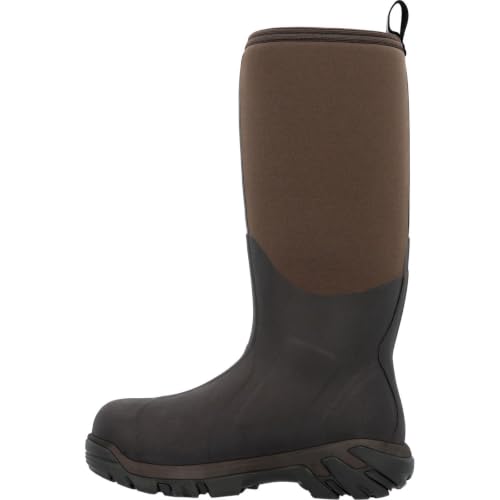


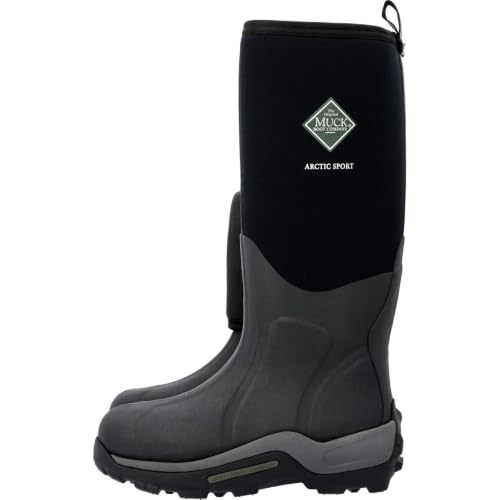


Who Should Buy All Around Hunting Boots
These boots suit hunters who pursue several species or seasons and want one dependable pair. They fit hunters who walk in from the truck, sit in a stand for hours and cross wet ground along the way.
If you hunt only wet marshes, a dedicated rubber boot is the better tool; see our guide to best rubber hunting boots. For a wider choice, read best hunting boots and best hunting boots for men, or best all around boots for non-hunting use.
Key Features to Compare
Waterproofing
A waterproof membrane and sealed seams keep feet dry in wet ground and creek crossings. Rubber boots are fully waterproof but offer less ankle support and breathe poorly on long walks.
Insulation level
Insulation is rated in grams. Around 400 grams suits cool fall days, while 800 grams or more suits cold sits in a stand. Too much insulation makes feet sweat on the walk in, and sweat then chills your feet when you stop, so match the rating to your coldest regular hunt.
Quiet materials
Soft uppers and soles reduce noise on leaves and twigs. Stiff plastic parts and hard lugs can click on rocks, which matters when you stalk close.
Grip and stability
Aggressive tread grips mud, wet leaves and slopes. Look for a supportive shank and a firm heel counter that protect your ankles when you carry a pack or an animal.
Scent control
Odor-reducing linings help in close-range hunting, but airing boots and keeping them clean matter more than any treatment.
Rubber, Leather and Insulated Boots
Rubber hunting boots
Rubber boots are the right tool for wet fields, marshes and early-morning dew. They are easy to clean and keep scent low, but they give less arch support for long hikes.
Leather hunting boots
Leather boots with a membrane suit mountain and forest hunts. They support the ankle, last for years and can be resoled, but they need care and a break-in period.
Insulated hunting boots
Insulated boots suit late-season cold weather and long sits. Check that the insulation does not make the boot bulky or hot for walking.
Fit and Break-In
Try boots with the thick socks you hunt in, in the afternoon when feet are slightly larger. Leave room for the toes to move on downhill steps, and make sure the heel stays put. Break in leather boots on short walks before opening day to avoid blisters.
Care and Long-Term Value
Clean mud off after each trip, dry boots away from direct heat and condition leather regularly. Store them in a cool, dry place with the laces loosened. A quality pair that you maintain often outlasts several cheaper boots.
Common Mistakes to Avoid
- Buying too much insulation for early-season hunts.
- Skipping the break-in on new leather boots.
- Wearing thin socks with boots sized for thick ones.
- Drying boots beside a campfire or heater.
- Ignoring ankle support on long, loaded hikes.
Stop and rest if you notice sharp pain, numbness or blisters, and speak with your clinician about foot pain that keeps returning.
Frequently Asked Questions
How much insulation do I need?
Choose about 400 grams for cool fall hunts and 800 grams or more for cold sits. If you walk a lot, lighter insulation is usually more comfortable.
Are rubber or leather boots better?
Rubber is best for wet ground, while leather offers more support on long hikes. Many hunters own both.
How should hunting boots fit?
Snug at the heel with room to wiggle your toes, and fitted with the socks you hunt in.
How much should I spend?
Many solid options cost between $70 and $250. Spend more for durable leather and a repairable sole.
Can I wear them for hiking?
Yes, leather hunting boots double as hiking boots. Rubber boots are less comfortable over long distances.
Final Thoughts
The best all around hunting boots match your climate with the right insulation, keep water out and stay comfortable over miles of rough ground. Compare your shortlist in the product table and check the return policy before you order.
Pick for your coldest regular hunt and your usual terrain, and the boots will serve season after season.


