
Best All Around Full Suspension Mountain Bike: The Buyer Checklist for 2026
Disclosure: We may earn a commission when you buy through links on this page, at no extra cost to you. As an Amazon Associate I earn from qualifying purchases. Learn more

Choose the best all around full suspension mountain bike by travel, fit, brakes and suspension quality, with price tiers and red flags to avoid.
A full suspension bike has more moving parts, more settings, and more ways to spend money than almost any other bike on the trail. That is exactly why a checklist beats gut feeling here. The best all around full suspension mountain bike for you is the one that passes on travel, fit, brakes, and suspension quality for the ground you actually ride.
This guide lays out the criteria in a sensible checking order, with the numbers that separate a good buy from a poor one. Use it alongside the comparison table below, and note that safety comes first: whatever you choose, budget for a proper helmet and have the bike checked by a shop before hard riding.
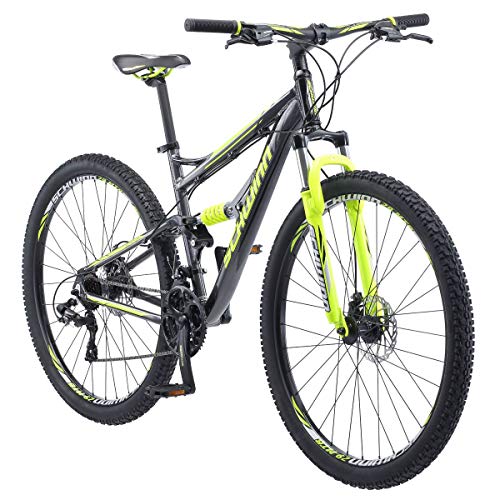
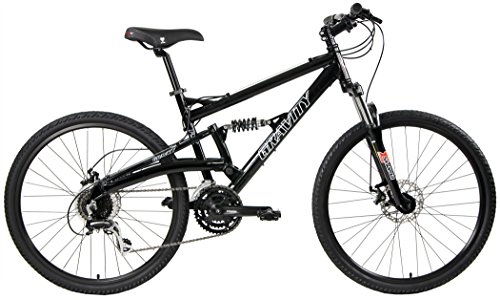
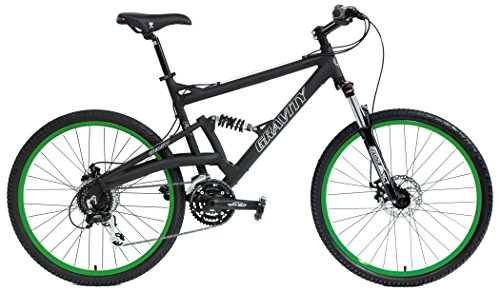

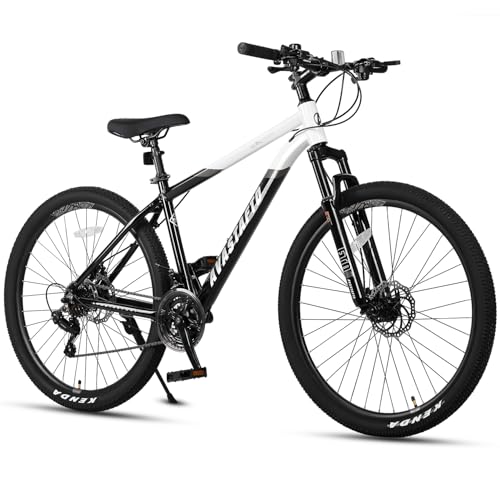
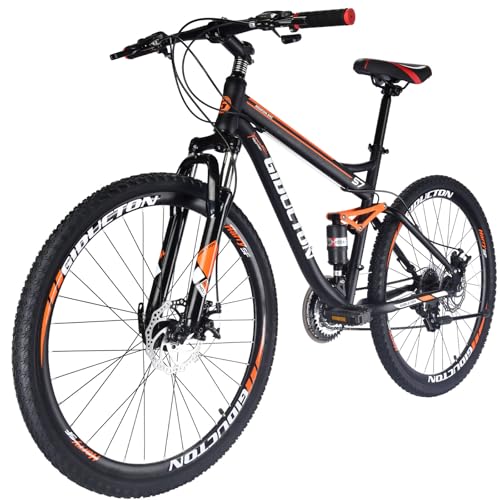


How to Evaluate All Around Full Suspension Mountain Bikes
Bike Type and Riding Style
Start with travel, because travel defines the category. Cross country bikes use about 100 to 120 mm and favor climbing speed and light weight. Trail bikes use about 120 to 150 mm and are the true all around choice for most riders, balancing climbing manners with descending confidence. Enduro bikes use about 150 to 170 mm and favor steep, rough descents, but they feel sluggish on flat and rolling trails.
Be honest about your weekly riding. If most of your miles are local singletrack with short climbs and a few rock gardens, a trail bike serves you best. Buying enduro travel for one bike park trip a year leaves you overbiked for the other fifty weeks, with extra weight to push uphill every ride.
Weight and Components Upgrade Path
Weight matters because you lift the bike onto racks, carry it over fallen trees, and pedal it uphill. A solid all around trail bike usually lands around 30 to 35 lb in alloy form, with carbon models a few pounds lighter. Judge weight honestly against price, since chasing the lightest build raises cost fast.
Check the upgrade path before you buy. A frame with a common shock size, a threaded bottom bracket, and tubeless ready wheels lets you improve parts over time. Wheels and tires give the biggest felt upgrade later, followed by a dropper post with more travel. A cheap frame with odd standards traps you, because replacement parts may not exist in two seasons.
Sizing and Fit
Fit decides comfort and control more than any component. Use the maker size chart against your height and inseam, then check reach and standover height rather than trusting the letter on the frame. Modern trail bikes run long, so many riders between sizes do better on the smaller option for a livelier feel, or the larger one for stability at speed.
If you can, sit on the bike. You should clear the top tube when standing flat footed, reach the bars without locking your elbows, and work the dropper post through its full travel. A professional fitting at a local shop is money well spent, especially if you have past knee or back pain, and a clinician or physio can advise if pain persists off the bike.
Brakes (Hydraulic vs Mechanical Disc)
Hydraulic disc brakes are the standard to insist on at this level. They give strong, even stopping power with light lever effort, and they self adjust as pads wear. Mechanical disc brakes cost less and are simple to service, but they need frequent cable adjustment and rarely match hydraulic feel on long descents.
Look at rotor size as well. Rotors around 180 to 200 mm suit trail riding and heavier riders, because larger rotors shed heat and resist fade. Four piston calipers add power for steep ground. Whatever the spec, bed new pads in with a series of gentle stops before your first big descent, and have a shop inspect brakes if the lever ever pulls to the bar.
Suspension (Hardtail vs Full Suspension) and Travel
Full suspension adds a rear shock and pivots that let the back wheel track rough ground, which buys traction, comfort, and control on descents. The cost is weight, price, and upkeep: pivots need inspection and shocks need periodic service. A hardtail is lighter and simpler, and on smooth trails it can be just as fast, which is why the choice should follow your terrain rather than fashion.
Within full suspension, judge shock quality over travel quantity. A mid range air shock with rebound and compression adjustment you can actually set up beats a basic coil unit with more travel. Set sag to the maker guide, usually around 25 to 30 percent, and write your settings down so you can return to them after any service.
What Each Price Tier Should Deliver
Overall Tier: Balanced Parts, No Weak Link
At the upper tier, roughly around $3,500 to $6,000, expect a carbon or high grade alloy frame, a quality fork and shock from a known suspension maker, a wide range single chainring drivetrain, four piston hydraulic brakes, and tubeless wheels with strong tires. Weight should sit near or below about 32 lb, and the frame warranty should run five years or longer.
This tier suits riders who ride several times a week and keep bikes for years. The trade off is service cost, since premium suspension and drivetrain parts cost more to replace. If your trails are rough and your mileage is high, the durability and control here repay the spend.
Value Tier: The Sensible Middle
The value tier, around $2,000 to $3,500, is the sweet spot for most all around riders. Expect an alloy frame, an air fork and shock with real adjustment, a reliable single chainring drivetrain, hydraulic brakes, and a dropper post as standard. Wheels may need a tubeless conversion and tires are often the first upgrade, but the bones of the bike are sound.
If your budget sits lower still, the checklist in our guide to the best inexpensive full suspension mountain bike shows which corners can be cut safely and which cannot. Never accept a frame with no stated warranty or brakes below hydraulic standard just to hit a price.
Compact Tier: Shorter Travel, Lighter Feel
Short travel models around 100 to 120 mm, often around $1,800 to $3,000, act as the compact end of this category. They climb eagerly, feel quick on rolling ground, and suit smaller or lighter riders who find long travel bikes a handful. Many also come in smaller frame sizes with lower standover, which helps confidence at stops on uneven ground.
The limit is rough terrain headroom. On steep, rocky descents a short travel bike demands more care and slower lines. If your local trails are smooth to moderate and you value climbing speed, this tier gives you full suspension benefits without the bulk of an enduro build.
Quick Buyer Checklist
Answer these before you order. A bike that earns yes answers on the first five is worth its price; a no on fit or brakes ends the discussion.
- Does the travel range match the trails I ride most weeks?
- Does the size chart put me mid range on this frame, not at its edge?
- Are the brakes hydraulic with rotors sized for my weight and terrain?
- Is the drivetrain a single chainring setup with a wide range cassette?
- Are the wheels tubeless ready, and does a dropper post come fitted?
- Can my local shop service this fork, shock, and pivot design?
- Is the frame warranty at least five years, in writing?
- Have I kept budget back for a helmet, pump, and basic tools?
Red Flags to Watch For
The loudest red flag is a specification that hides basics: no stated travel, no named fork or shock maker, and no weight figure. Quality makers publish all three. A very low price paired with a coil shock, mechanical brakes, and a heavy steel spring fork signals a bike shaped like a trail bike but built for pavement duty only.
Watch warranty and support as well. A frame warranty under two years, no spare derailleur hangers listed, and pivot hardware with no service guide all predict pain later. Be wary of review counts that praise comfort on roads rather than control on trails, since that pattern suggests buyers who never rode the bike as intended. When in doubt, a known brand sold through a local shop is the safer spend.
Picking the Right Bike for Different Uses
Best Affordable All Around Full Suspension Mountain Bike: What to Check
The best affordable all around full suspension mountain bike is the one that protects three things: a proven alloy frame, hydraulic brakes, and an air shock with rebound adjustment. Affordable models can accept a heavier wheelset, a narrower gear range, and basic tires, because those parts are easy to upgrade later. What you cannot fix cheaply is a poor frame or weak brakes.
Newer riders often do best starting here, then upgrading tires and contact points as skills grow. If you are buying your first suspended bike, the walkthrough in our guide to the best beginner full suspension mountain bike covers first ride setup and the mistakes that cost beginners money.
Care and Maintenance Tips
Check tire pressure before every ride, since tubeless tires lose air slowly and low pressure causes rim strikes and vague steering. Clean and lube the chain every 100 to 200 miles, sooner after wet or dusty rides, and wipe excess lube so it does not attract grit. Keep a note of your fork and shock pressures, and check pivot bolts for play each month by rocking the rear wheel side to side.
Have a professional tune up yearly at minimum, with suspension service at the maker interval, often around 50 to 100 riding hours for a basic service. Store the bike indoors out of damp air, and never lean it by the rotor or rest weight on the dropper post. Small habits like these protect the parts you paid the most for.
FAQs
What size full suspension mountain bike do I need?
Start with the maker chart for your height, then confirm with reach and standover. As a rough guide, riders around 5 ft 5 in to 5 ft 9 in often fit a medium, while taller riders move to large or extra large. If you land between sizes, choose smaller for playful handling and larger for stability. A short car park test plus a shop fitting settles what charts cannot.
How much should I spend on my first full suspension mountain bike?
Plan on around $2,000 to $3,000 for a first bike that will hold up on real trails, plus money for a helmet, pump, and spares. Below that range, compromises in brakes and suspension start to affect control and safety, not just speed. Buying the value tier once usually costs less than buying a very cheap bike, outgrowing it in a season, and replacing the whole machine.
Hardtail or full suspension for beginners?
Full suspension is kinder on rough trails because the rear shock absorbs hits and keeps the tire planted, which builds confidence. A hardtail is cheaper, lighter, and teaches clean line choice, and it suits smooth trails well. If your local ground is rocky or rooty, full suspension is the safer first choice. If it is smooth and your budget is tight, a good hardtail plus lessons serves you better than a poor suspended bike.
Wrapping Up
Travel matched to your trails, a frame that truly fits, and hydraulic brakes are the three decisions that shape every ride. Price tiers then decide how refined the rest of the package feels. Compare your finalists in the product table above, and the best all around full suspension mountain bike for your ground should be the one that passes every line of this checklist without strain.


