
Best Affordable Full Suspension Mountain Bike: Buying Guide for 2026
Disclosure: We may earn a commission when you buy through links on this page, at no extra cost to you. As an Amazon Associate I earn from qualifying purchases. Learn more

A plain guide to the best affordable full suspension mountain bike: travel, frame fit, brakes, and suspension quality.
Full suspension used to mean a big budget, but affordable models now bring real trail comfort to more riders. If you are looking for the best affordable full suspension mountain bike, suspension quality and frame fit matter more than component labels. The comparison table below gives a quick overview, while this guide explains how to judge a budget trail bike honestly.
A full suspension bike absorbs hits at both wheels, which keeps tires in contact with rough ground and reduces fatigue. At lower prices, suspension design and pivot quality vary widely, so two bikes with similar travel can feel very different. This guide helps you spot the differences that matter on real trails, not just on a spec sheet.
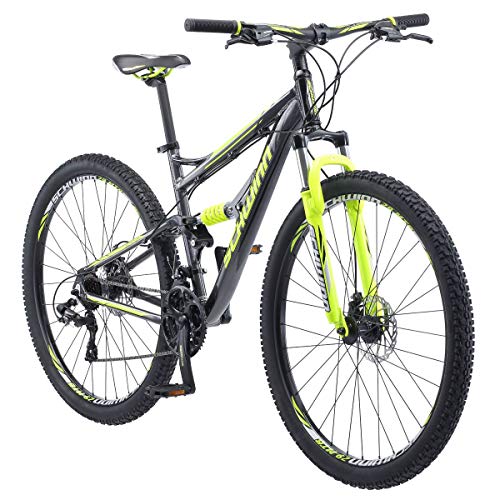
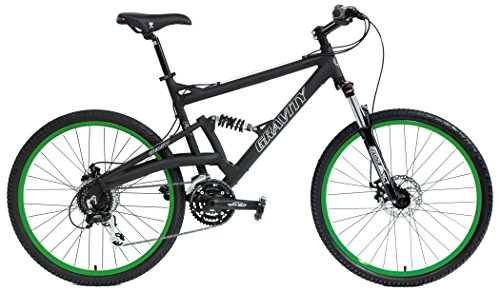
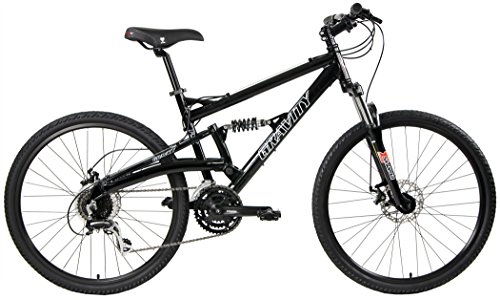
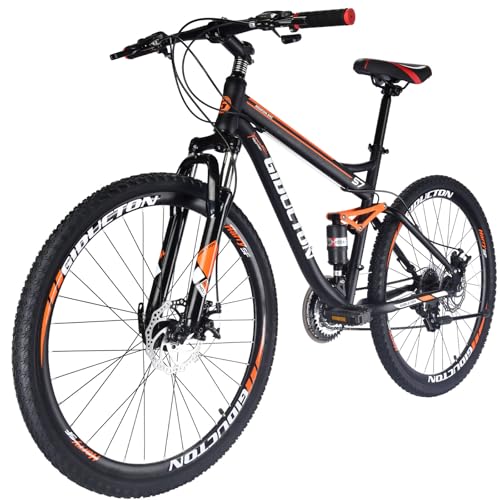

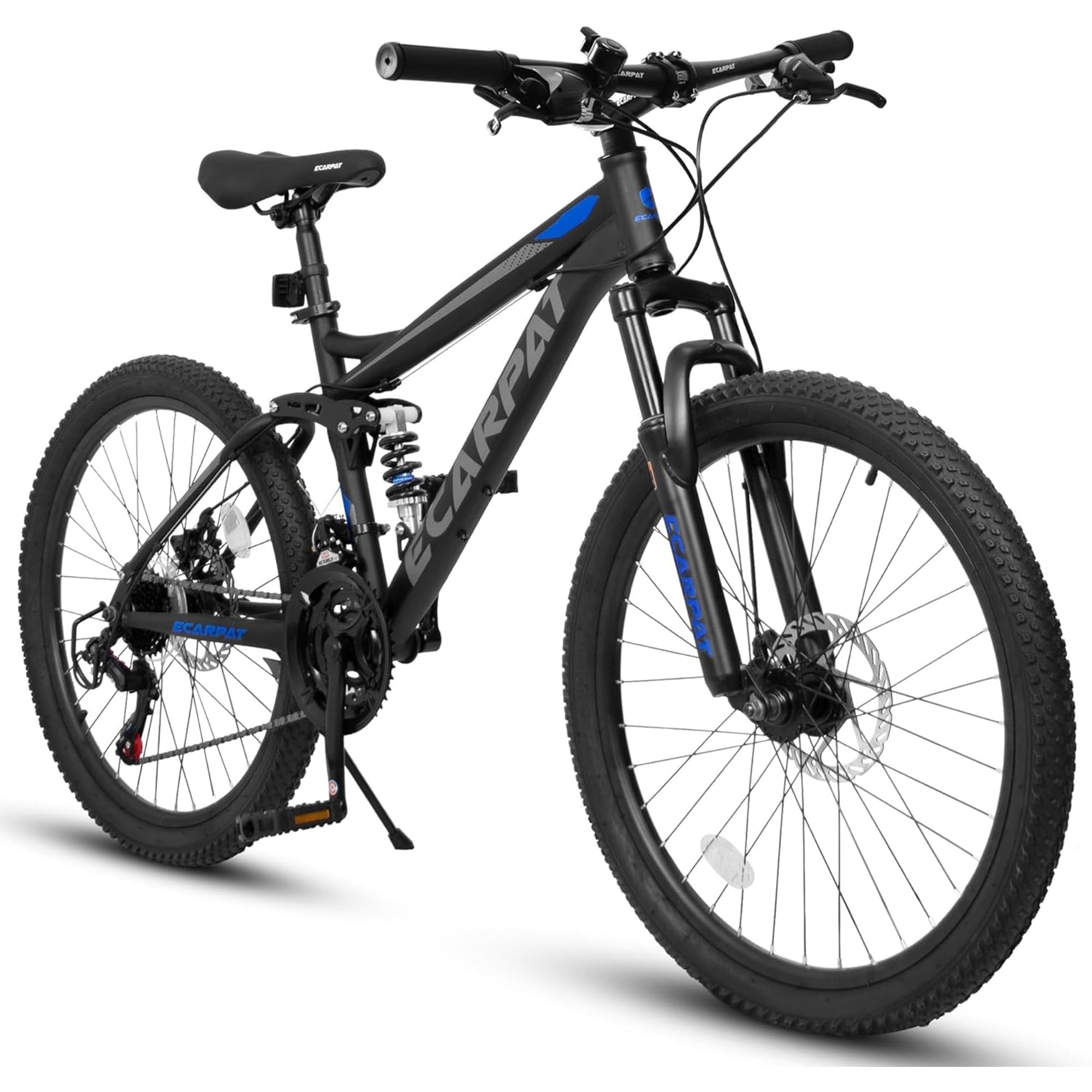


Who Should Buy Them
These bikes suit trail riders who want comfort and control on rough descents without a premium price. They fit riders moving up from a hardtail who feel beaten up on rocky trails. They are less ideal for smooth road riding or very tight budgets, where a good hardtail may offer better parts. For rough trail fun, affordable full suspension is a genuine option now.
Key Features of an Affordable Full Suspension Mountain Bike
Compare budget full suspension bikes on the engineering points that decide trail feel and durability.
- Suspension travel. Travel near 120 to 150 mm suits most trail riding, balancing climbing efficiency and descent comfort.
- Suspension design. A well designed linkage stays active over bumps yet firms up when pedaling, while a poor design bobs wastefully.
- Frame material. aluminum frames dominate this price range, offering toughness and reasonable weight.
- Drivetrain range. A wide gear range helps steep climbs, which matter more on a heavier full suspension bike.
- Brakes. Hydraulic disc brakes give reliable stopping power on long descents, a safety essential on trails.
Types and Options
Affordable full suspension bikes cover a few trail styles, and matching style to your local trails matters.
- Trail bikes. Balanced travel and geometry for mixed climbing and descending, the best all rounder.
- Cross country oriented bikes. Shorter travel and lighter builds for faster, smoother trails.
- All mountain style bikes. Longer travel for steeper, rougher descents, at the cost of climbing weight.
- Electric full suspension bikes. Motor assistance for steep climbs, usually at a higher price and weight.
How to Choose the Right One
Start with frame size and fit, since a wrong sized bike ruins any trail. Check standover height and reach, and test ride when possible. Look at suspension feel over small bumps, not just big hits, since trail comfort comes from sensitivity. Ask about shock service and pivot bearing availability, since full suspension bikes need more maintenance than hardtails.
Ride the bike on terrain like your local trails if you can. Notice whether the rear end bobs while pedaling and whether brakes feel confident on descents. The product table above lets you compare travel and frame details side by side. Budget for a helmet, gloves, and basic maintenance tools, which belong in the total cost of trail riding.
For a related guide, see best looking full suspension mountain bike. For a related guide, see best full suspension e mountain bike. For a related guide, see best electric full suspension mountain bike. For a related guide, see best beginner full suspension mountain bike. For a related guide, see best xc full suspension mountain bike.
Budget and Long Term Value
Affordable full suspension bikes range from a few hundred dollars for basic big box models to around $700 for better equipped ones, and capable branded trail bikes cost more than that. Lower prices usually mean heavier frames and simpler suspension, so weigh those trade offs honestly. A well chosen bike near the top of the affordable range often rides better and lasts longer than the cheapest full suspension option. Include maintenance costs in your thinking.
Everyday Use and Care
Clean the bike after muddy rides and check suspension seals and pivot bolts regularly. Keep tires at trail pressure and inspect brake pads before descents. Service suspension and bearings on schedule, since neglect turns small wear into costly repairs. Store the bike dry and out of direct sunlight to protect seals and frame finishes.
Mistakes to Avoid
- Choosing travel length alone while ignoring suspension design quality.
- Buying the wrong frame size because the price looked attractive.
- Skipping brake quality to save money on a trail bike.
- Ignoring suspension and pivot maintenance, which shortens bike life.
Getting the Most From Your Choice
Trail riding rewards skills as much as equipment, so invest time in learning before chasing upgrades. Practice braking, body position, and line choice on familiar trails, and notice how suspension responds to roots and rocks at varied speeds. A skills session or a ride with experienced friends teaches more than a component swap. As technique improves, you will feel what the bike does well and where genuine upgrades could help.
Plan maintenance as part of ownership, because full suspension bikes repay regular care with safety and smooth performance. Learn to check tire pressure, brake pads, bolt tightness, and suspension sag before rides. Keep a basic tool kit and a cleaning routine after muddy outings. Riders who maintain their bikes enjoy them longer and spend less on emergency repairs than riders who ignore small wear.
Questions to Ask Before You Order
Before ordering, confirm frame size with a test ride, check suspension service availability, and compare geometry to your local trails. Ask about pivot bearing replacement, shock service costs, and warranty coverage for frame and suspension. These questions protect a significant purchase and keep trail days focused on riding rather than repairs.
- Does this frame size fit my height and reach?
- Is suspension service available locally and affordably?
- Does geometry suit my local trail style?
- Are brakes strong enough for long descents?
Long Term Value
When you judge long term value, look beyond the purchase price to how a full suspension bike holds up under daily use. Frame, pivot, and suspension quality decide whether trail seasons stay smooth or turn into repair bills. A product that needs frequent replacement or repair quickly costs more than a slightly pricier alternative that lasts. Check warranty length, availability of spare parts, and how easily the item can be cleaned or serviced at home. These practical details decide whether a budget buy stays a bargain or becomes a repeated expense over the years you own it.
Total cost includes suspension service, bearings, tires, and brake pads, and planning for those costs avoids surprises. Trail riding consumes these parts, so service costs belong in the annual budget from the start. Set aside a small amount for upkeep from the start, and compare that total against the next price tier rather than judging the sticker alone. Often the middle option costs less over three years than the cheapest one, because it avoids early replacement and performs better throughout its life.
Know when to upgrade rather than repair. If the frame cracks, suspension cannot be serviced economically, or geometry no longer suits your riding, replacement makes sense. Until then, regular care and timely small fixes extend life considerably. A thoughtful owner gets far more value from a mid priced full suspension bike than a careless owner gets from a premium one, so habits matter as much as hardware.
- Check warranty length and spare part availability before buying.
- Budget for upkeep costs from the first year, not as an afterthought.
- Compare total ownership cost across price tiers, not sticker price alone.
Frequently Asked Questions
Is full suspension worth it over a hardtail?
Full suspension improves comfort and control on rough trails by keeping both wheels in contact with the ground. It adds weight, cost, and maintenance compared with a hardtail. If your trails are smooth, a hardtail may be better value. If rough descents beat you up, full suspension is worth considering.
How much travel do I need?
Most trail riders do well with about 120 to 150 mm of travel, which balances climbing and descending. More travel suits steeper, rougher terrain but adds weight and reduces pedaling efficiency. Match travel to your local trails rather than chasing the largest number available.
Do budget full suspension bikes need more maintenance?
Yes, pivots, bearings, and shocks need regular checks and periodic service. This is normal for the category and keeps the bike safe and smooth. Learn basic checks yourself, and budget for professional suspension service. Neglect is the fastest way to ruin an otherwise good bike.
What size mountain bike should I buy?
Use height charts as a starting point, then check reach and standover in person when possible. A bike that feels cramped or stretched will tire you and reduce control. Different brands size differently, so never assume your size carries across brands without checking geometry.
Can I ride a full suspension bike on roads?
Yes, though it feels heavier and slower than a road or hybrid bike, and knobby tires add drag. Locking suspension helps on smooth surfaces. If most riding is on roads with occasional trails, a hardtail or hybrid may be a better all rounder. Full suspension shines where trails turn rough.
Final Thoughts
The best affordable full suspension mountain bike is the one that fits you, suits your trails, and uses honest suspension design. Prioritize fit, brakes, and suspension feel over headline travel. Chosen carefully, a budget trail bike can open up rough terrain and long rides with real comfort.


