
Best All Around Basketball Shoes in 2026: What Actually Matters Before You Buy
Disclosure: We may earn a commission when you buy through links on this page, at no extra cost to you. As an Amazon Associate I earn from qualifying purchases. Learn more

Compare the best all around basketball shoes by grip, ankle support and cushioning so one balanced pair handles practice, pickup games and outdoor courts.
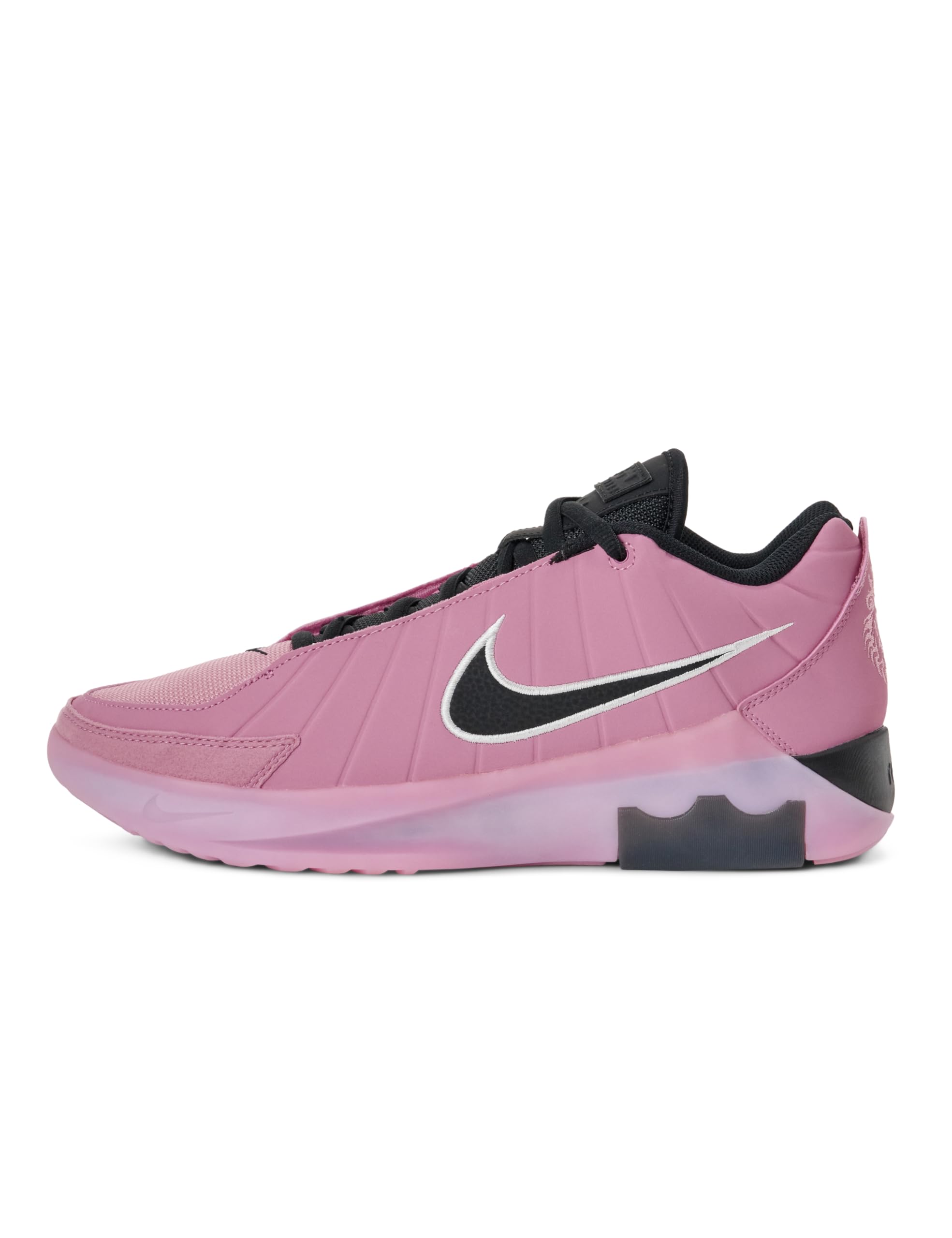
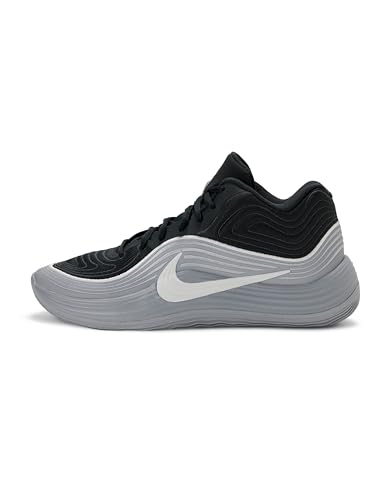
The best all around basketball shoes grip well on clean indoor floors and dusty outdoor courts, support the ankle through hard cuts and cushion landings without feeling unstable. Most players do not need a position-specific shoe, so a balanced pair that handles practice, pickup games and the occasional outdoor run is the smart buy.
This guide explains what to compare, how the three collar heights differ, and how to check fit and wear. Use the product table to compare current options.


Who Should Buy All Around Basketball Shoes
Pickup players need grip and support for different courts and playing styles. Practice-focused athletes want cushioning that survives daily training. Outdoor players should look for tougher outsoles that resist rough surfaces.
If you play only on outdoor concrete, a shoe made for that surface will last longer; see our guide to best outside basketball shoes. If you want a wider view of the category, read best basketball shoes.
Key Features to Compare
Court grip
A herringbone or deep multidirectional tread pattern grips both clean and dusty floors. Soft rubber grips best indoors but wears quickly outdoors, so all around shoes use a firmer, thicker compound.
Ankle support
Mid and high collars add stability for lateral cuts and landings, while low tops give more freedom. Support comes from the whole shoe, including a firm heel counter and a stable base, not only from collar height.
Cushioning balance
Responsive cushioning protects the joints without making the shoe feel tall or wobbly. Players who value court feel should choose a lower, firmer setup, while heavier players may prefer more padding.
Outsole durability
Thicker rubber lasts longer on outdoor courts. If you play outside regularly, check that the tread is not paper thin at the toe and heel, where it wears first.
Fit and lockdown
Secure lacing and a snug midfoot keep the foot steady during sharp moves. Your heel should not lift when you push off, and your toes need room for hard stops.
Low, Mid and High Top Shoes
Low top basketball shoes
Low tops are lighter and allow free ankle movement, which suits guards and fast players who value speed and agility.
Mid top basketball shoes
Mid tops balance support and mobility, making them the best starting point for most all around players.
High top basketball shoes
High tops give maximum ankle coverage and suit physical players and anyone with ankle concerns. They are heavier, so expect a little less speed.
How to Check Fit
Try shoes with the socks you play in and lace them fully. Leave a thumb's width of room at the toe for landings, and make sure the heel stays put. Break them in with short sessions before a full game, and fit the shoe with your insoles in place if you use them. Compare both feet, as one is often slightly larger.
Care and Long-Term Value
Wipe the outsoles after dusty courts to restore grip, air shoes out after games and rotate pairs when you can. Avoid machine washing unless the maker allows it. Check the tread for smooth spots, and replace shoes when cushioning feels flat or the sidewalls begin to split.
The cheapest shoe is rarely the best value if it wears out in a season. A mid-priced pair with durable rubber often costs less per game.
Common Mistakes to Avoid
- Wearing running shoes for basketball, which lack lateral support.
- Playing outdoors in a soft indoor outsole.
- Lacing loosely and relying on the collar alone for support.
- Ignoring half sizes and width.
- Playing on shoes with worn tread and flat cushioning.
Stop and seek care for sharp ankle pain or swelling that does not settle. Talk with your clinician or podiatrist about pain that returns, and use this guide for general fit and comfort information only. For broader footwear advice, see best all around shoes.
Frequently Asked Questions
Are indoor and outdoor basketball shoes different?
Often yes. Outdoor shoes use harder, thicker rubber that resists rough surfaces, while indoor shoes use softer rubber for floor grip. All around shoes aim for a compromise.
Should I buy high tops for ankle support?
High tops add coverage but do not prevent injuries by themselves. Fit, lacing and a stable base matter just as much.
How long do basketball shoes last?
Regular players often replace them after one season, or sooner outdoors. Replace shoes when the tread is smooth or the cushioning feels flat.
How much should I spend?
Many solid options cost between $60 and $130. Spend more only if you play often and need extra durability or cushioning.
Can I use basketball shoes for everyday wear?
Yes, but regular street wear wears the outsole and shortens the life of the shoe for playing.
Final Thoughts
The best all around basketball shoes pair dependable grip with a secure fit and balanced cushioning. Compare your shortlist in the product table, then check size and return terms before you order.
Choose the collar height that fits your game, and your shoes will perform on any court.


