
Best All American Pressure Canner in 2026: Buying Guide by Size
Disclosure: We may earn a commission when you buy through links on this page, at no extra cost to you. As an Amazon Associate I earn from qualifying purchases. Learn more

The best all american pressure canner depends on your jar counts and stove. Compare sizes, weight and storage.
Picture a late summer kitchen counter covered with garden tomatoes, green beans, and a sink full of jars waiting to be filled. The canner you reach for decides how smoothly that day goes, and choosing the best all american pressure canner for your home comes down to three things: how much food your household cans, how much stove and storage space you have, and what your budget allows.
This guide walks through the lineup by size and by daily use, so you can match a model to your kitchen instead of guessing. Use the product table to see the listed sizes side by side. If you are new to pressure canning in general, our guide to the best pressure canner covers the wider field before you narrow in on one brand.

Quick Answer: Match the Canner to Your Household
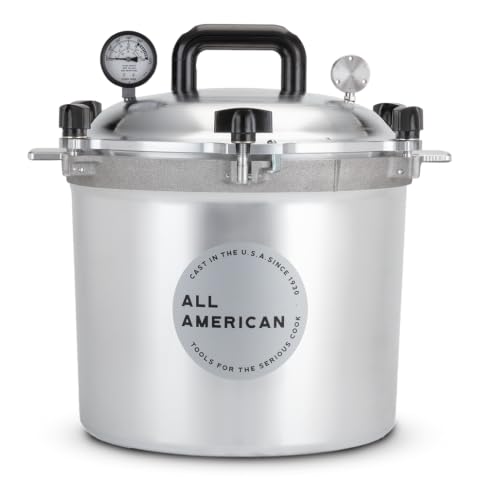
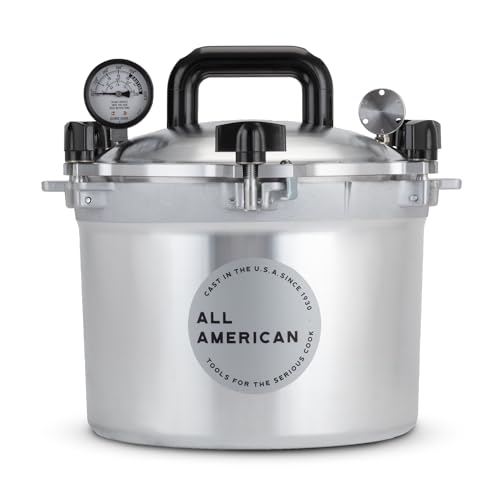
Every model in this lineup shares the same core design: a heavy cast aluminum body, a metal to metal seal with no gasket to replace, and both a dial gauge and a weighted gauge for pressure control. What changes from one model to the next is capacity, height, and weight. So the fastest way to choose is to match jar counts to your household size and your stove.
Smaller households that can in modest batches usually do well with the compact sizes around 10.5 or 15.5 quarts. Families who process a full garden harvest tend to land on the 21.5 or 25 quart sizes, which hold a double layer of pint jars. Homesteaders who can in bulk often choose the 30 or 41.5 quart sizes to cut the number of runs per day.
Before You Buy: A Quick Checklist for Choosing a Pressure Canner
Size: Match It to Your Space
Capacity is the first decision, because it affects everything else. The 10.5 quart size handles small batches for one or two people. The 15.5 quart size adds room for a second layer of small jars while still storing in a standard cabinet. The 21.5 quart size is the middle ground many families pick, since it holds a double stack of pints and fits under most range hoods. The 25 and 30 quart sizes suit serious gardeners, and the 41.5 quart size is built for bulk days. Our guide on what size pressure canner do i need walks through jar counts in more depth.
Which Type Fits Your Routine
All models in this brand are stovetop pressure canners made of cast aluminum, so the real question is how that fits your routine. Stovetop canning gives you full control over heat and suits large jars, but it asks you to stay nearby and watch pressure during each run. If your routine leans toward small batches with less monitoring, an electric model from another line may suit you better. Keep in mind that pressure canning is the only method recommended for low acid foods such as vegetables and meats. Water bath canning only suits high acid foods, a distinction covered in our water bath vs pressure canning guide.
Features Worth Paying For, and Ones to Skip
Every model includes two canning racks, and you want both, since stacking jars safely depends on a rack between layers. The weighted gauge lets you listen for a steady jiggle instead of watching the dial the whole time, which many home canners find easier. The dial gauge still matters, because it shows pressure at a glance and needs a yearly accuracy check at your local extension office. What you can skip is paying extra for decorative finishes or bundled extras you already own, such as jar lifters and funnels from a starter kit. First time buyers may want to read our guide to the best pressure canner for beginners for a fuller starter checklist.
Materials and Food Safety
These canners are solid cast aluminum with no nonstick coating inside, so there is no coating layer to wear away into your food over time. Aluminum conducts heat quickly and evenly, which helps the canner reach pressure at a steady pace. Canning jars keep food sealed away from direct contact with the pot walls during processing, so material contact is rarely a concern in normal canning use. If you prefer stainless steel, know that it costs more and usually comes from other brands, since this lineup is aluminum only.
Stove Compatibility: Gas, Electric, and Glass Top
These canners are listed for gas, electric, and flat top stoves, but flat tops need extra care: the largest sizes are heavy once filled with water and jars, and some glass top makers set weight limits for a single burner. A full 41.5 quart canner can pass those limits, so check your stove manual before choosing a big model. Our guide to the best pressure canner for glass top stove explains the weight and base contact checks in detail. Aluminum does not respond to induction burners without a special base, so plan on gas, electric, or flat top.
Handles, Weight, and Storage
Cast aluminum is lighter than cast iron, but a large canner full of water and jars is still a serious lift, and the larger sizes get heavy before you add a single jar. Sturdy side handles matter because you will move the pot while it is hot and full. Measure your storage spot and the clearance between your stove and the hood or microwave above it, since the 25 quart model stands about 16-3/4 inches high and larger sizes need more. If lifting is a concern, a mid size model you can move with confidence beats a huge one you dread using.
Realistic Budget Ranges
Under about $100, you are mostly looking at used canners or smaller models from other brands, since this lineup sits in a higher price band. The 10.5 quart model sits around $350, the 21.5 quart model around $450, and the 25 quart model around $500, which is where most households shop. Above that you are paying for the largest capacities rather than extra features, because the design stays the same across the line. Treat the price as a one time cost spread over decades of use.
The Lineup Explained: Which Size Is Which?
The lineup runs from 10.5 quarts up to 41.5 quarts, and every size shares the same seal design, gauges, and rack system. The 21.5 quart model is the most popular middle size, holding up to 18 pint jars or 7 quart jars per run. The 25 quart model adds headroom for taller loads, the 30 quart model suits homestead scale harvests, and the 41.5 quart model is the bulk choice for the largest harvests.
Because the design is constant, your choice is really about throughput. Count how many jars you process on your biggest canning day, then pick the smallest model that clears that number in two runs or fewer. Buying one size up sounds safe, but an oversized canner takes longer to heat, needs more storage room, and may strain a glass top stove.
Common Buying Mistakes to Avoid
- Buying the largest size for a glass top stove without checking the burner weight limit, which can crack the cooktop under a full load.
- Choosing by liquid capacity alone and ignoring jar counts, so the canner holds fewer jars than your harvest days demand.
- Forgetting the clearance above your stove, then finding the tallest model will not fit under the hood with the lid on.
- Skipping the yearly dial gauge accuracy check, which can lead to under processing and unsafe food.
- Assuming a bigger canner saves time on small batches, when a large pot takes longer to vent and reach pressure for just a few jars.
Cost of Ownership and Care
Ownership costs stay low with this design. There is no gasket to replace every few years, which removes the most common upkeep cost on other canners. Your real costs are an occasional gauge replacement if the dial fails its accuracy check, a new rack if the original warps, and the usual canning supplies such as lids and jars. Store the canner clean and dry with the lid resting upside down on the base, so air can move through the inside. A thin film of food grade oil on the sealing rim once a season keeps the seal smooth, and our guide on how to clean a pressure canner covers washing steps in full.
Follow tested recipes from trusted sources such as the USDA and your canner manual, and adjust processing pressure for your altitude. Never taste food from a jar with a bulging lid, an off smell, or spurting liquid when opened, since spoilage from low acid foods can be dangerous. When in doubt, throw it out, and talk with your local extension office if you have questions about safe processing for your area.
Your Questions, Answered
Is All American a good pressure canner brand?
Yes, it has a strong reputation among home canners for durable cast aluminum construction and a seal design that avoids gasket replacement. The brand has made canners in the United States for many decades, and parts such as gauges and racks remain easy to order. The main downsides are price and weight. For households that can every season, the long service life usually justifies the higher upfront cost.
How long does a pressure canner from this brand last?
A well kept canner of this type can serve for several decades, and many owners pass theirs down within the family. Longevity comes from the simple design: a cast body, a metal to metal seal, and few parts that wear out. The dial gauge is the item most likely to need replacement over the years. Storing the pot dry, keeping the sealing rim clean, and having the gauge checked each year are the habits that stretch service life the furthest.
Which All American pressure canner should a new canner buy?
Most new canners do best with the 21.5 quart size, since it handles a double layer of pint jars, fits under most range hoods, and stays manageable to lift when full. Start there unless your household is very small, in which case the 15.5 quart size is easier to store. New canners should also budget for a starter kit with a jar lifter, funnel, and bubble remover, plus a current canning guidebook, since safe processing matters more than saving a little on size.
Can you use an All American canner as a pressure cooker?
The maker rates these canners for pressure cooking as well as canning, and many owners cook beans, stocks, and large cuts of meat in them. Keep two limits in mind. Never fill the pot more than two thirds full for cooking, and avoid cooking thick foods that foam heavily, since foam can block the vent. If daily pressure cooking is your main goal rather than canning season, a smaller dedicated cooker will be easier to handle and wash.
Why does this canner cost more than other brands?
The price reflects the thick cast aluminum body, domestic manufacturing, and a seal design machined to close tolerances instead of relying on a rubber gasket. You are also paying for longevity, since the heavy body resists warping over decades of heating cycles. Whether that premium makes sense depends on how often you can. A household that cans twice a year may be served just as well by a lower priced canner.
Final Thoughts
Choosing the best all american pressure canner is mostly a sizing decision, since every model in the line shares the same durable design and gasket free seal. Match the jar capacity to your biggest harvest day, confirm your stove can carry the weight, and leave storage room for the size you pick. Check the product table above to compare sizes, and you will land on a canner that serves your kitchen for decades.


