
Best Alarm Clocks to Wake You Up: Every Type Explained Side by Side for 2026
Disclosure: We may earn a commission when you buy through links on this page, at no extra cost to you. As an Amazon Associate I earn from qualifying purchases. Learn more
Heavy sleeper or light sleeper? Compare the best alarm clocks to wake you up by type, price range, and wake method.
Store pages group every alarm clock together, yet the way each type wakes you could not be more different. One relies on light, another on volume, another on shaking your pillow. This guide compares the main types side by side so you can choose the best alarm clocks to wake you up based on how you sleep, who else is in the room, and how much control you need, rather than on a feature list alone.
Start with the comparison table below for a fast overview of types and price ranges. Then read the detailed type notes and the choosing guide, because placement and backup power often matter as much as the wake method itself.



Types of Alarm Clocks That Wake You Up Compared
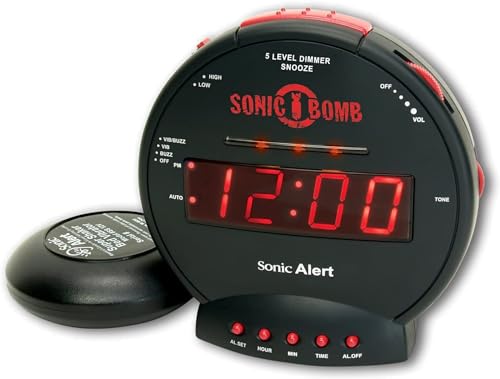
Sound led clocks are the classic choice and the easiest to understand. Light led clocks build brightness before sound, aiming for a calmer rise. Vibration clocks target the sleeper directly and spare a partner. Smart clocks layer routines and multiple alarms over those basics. Each type can work well, and each fails in a predictable way when matched to the wrong sleeper, so read the limits as carefully as the strengths.
Budget Tier
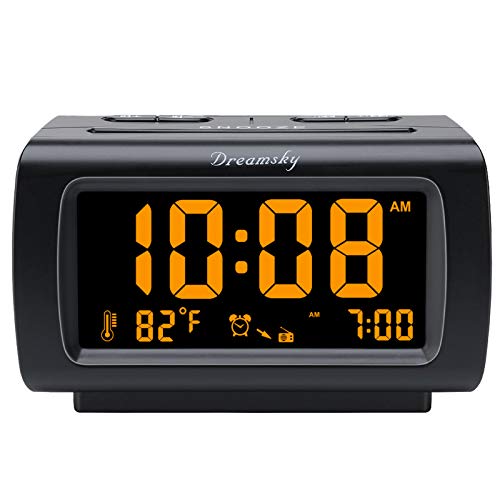
Budget clocks, usually under about $30, are mostly sound led models with a firm tone, a simple snooze, and a compact case. They work by giving you one clear signal at one set time, and they work best when placed across the room so you must stand to stop them. Students, travelers, and anyone building a backup system get strong value here. The speaker and display do the job without polish.
The limits are control and comfort. Volume may offer only a few coarse steps, the display may not dim, and backup may depend on batteries you must monitor. A budget clock also tends to use lighter materials, so buttons can feel less solid over years of daily pressing. None of that prevents success, but it means your routine and placement carry more of the load.
Mid Range Tier
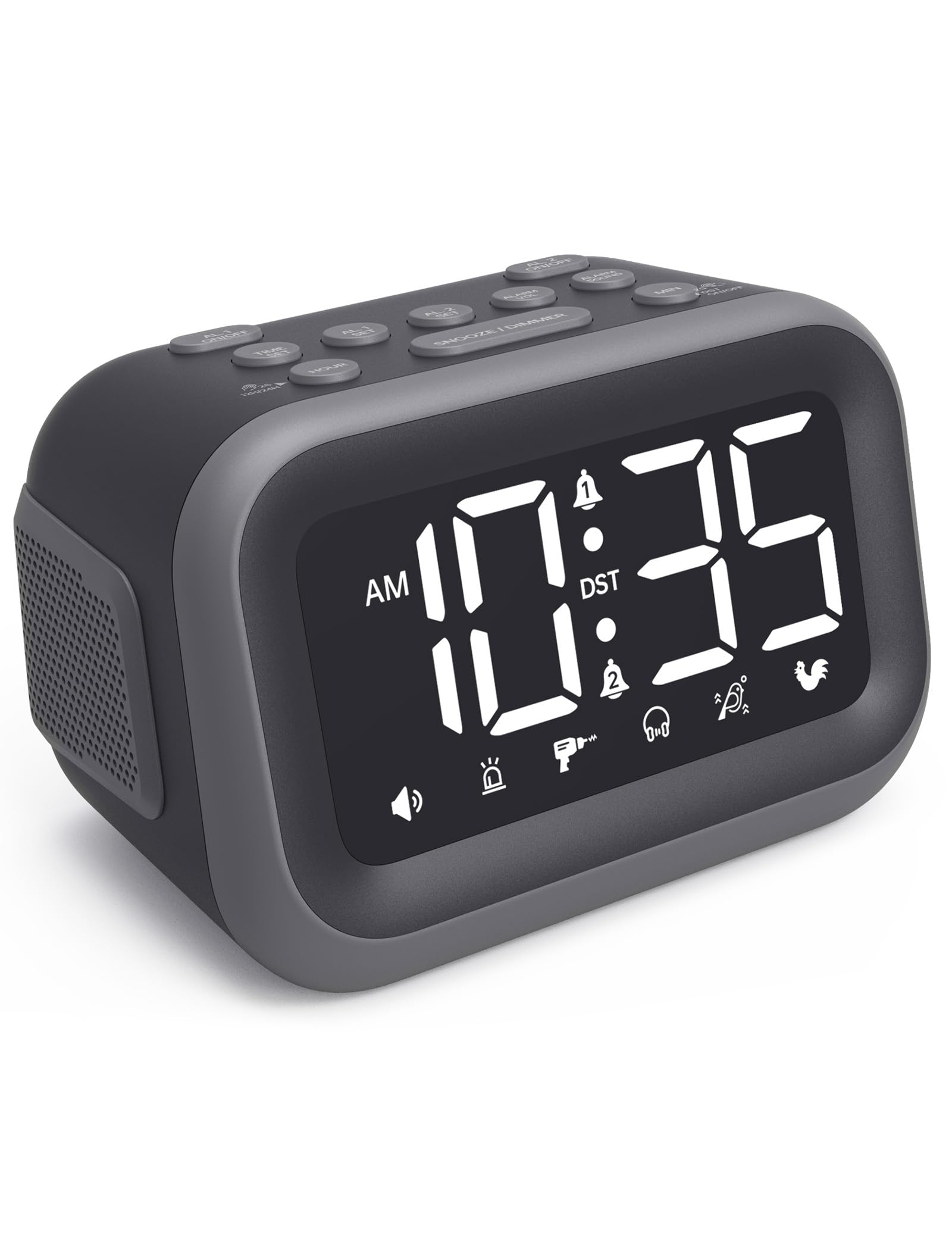
Mid range clocks, about $35 to $75, add the controls most people actually need: finer volume steps, dual alarms, display dimming, and often radio or nature sounds. Some add a modest light ramp or a vibrating option. This tier suits couples and shift workers because settings can adapt through the week without a full smart system. Build quality usually improves too, with steadier cases and clearer speakers.
The caution at this tier is variation. Two clocks at the same price can differ sharply in dimming depth or tone quality, and listings rarely show menu steps. Favor clear photos of controls and plain descriptions of backup behavior. If a mid range clock sounds the alarm on battery backup and dims to near darkness, it already covers the two details that decide most mornings.
Premium Tier
Premium clocks, often about $80 to $160, refine light, sound, or vibration rather than inventing a new method. Sunrise panels spread light more evenly, speakers stay clear at low volume, and vibrating units let you set strength in fine steps. Cases use better materials and controls feel deliberate. For people who wake anxious to harsh sound or who have failed with basic clocks, that refinement can be the difference between dread and a workable routine.
Premium also brings complexity risk. App based routines, accounts, and voice features can add setup time and failure points. Choose a premium clock that runs its core alarms from its own controls, so the phone app stays optional. Pay for wake quality you can describe in one sentence, not for a long list of scenes you will try once and forget.
Budget Tier vs Mid Range Tier: Which Should You Choose?
Compare the tiers on five points. For wake strength, both can be loud enough, but mid range gives finer control. For night comfort, mid range dimming usually wins clearly. For backup, read the fine print in both tiers, since price alone does not guarantee alarm sounding backup. For durability, mid range cases and buttons tend to last longer under daily use. For simplicity, budget wins, with fewer menus and faster setup.
Choose budget if your plan relies on placement and a firm single tone, or if you need a second backup clock. Choose mid range if you share a room, work changing shifts, or know that a bright display or a harsh jump in volume will bother you nightly. Many households end with one of each: a mid range main clock and a budget backup set ten minutes later across the room.
If your main interest is the plain wake up moment itself, our guide to the best alarm clocks to wake up offers a checklist view of the same decision. Checklists help when listings make every model sound similar.
How to Choose the Right Alarm Clock for You
Price and Value
Set your budget after you name your wake method, not before. A vibration clock that works costs less in the long run than a cheap sound clock you sleep through. Within a tier, pay for backup quality, dimming, and control steps, in that order. Keep perspective on cost per year: a clock used daily for five years earns back small price gaps quickly if it prevents even a few missed starts each year.
Size and Design
Match size to the job. Light led clocks need panel space and a clear line to your pillow. Sound led clocks can be smaller, but a larger speaker often sounds clearer at moderate volume. Check display behavior in a dark room if you can, because one bright level can disturb sleep all night. Buttons should be reachable and distinct, and the case should sit stable when you press the top in the dark.
Purpose and Who It Is For
Name your sleeper type before you shop. Light sleepers need ramps and low starting levels. Moderate sleepers need steady volume and good placement. Deep sleepers need headroom: maximum volume, a penetrating tone, strong vibration, or a mix with a backup alarm. Partners need a spillover plan, such as vibration for one side of the bed. A clock chosen for the wrong sleeper type fails no matter how well it is built.
For light first routines, our guide to the best wake up light alarm clocks covers ramp length and brightness in depth. Light works best with dark nights, clear placement, and a sound backup on hard mornings.
Ease of Use
Daily controls decide long term success. Setting the alarm, checking tonight alarm, and stopping the sound should each take seconds. Avoid designs where time set and alarm set share confusing steps, because errors show up at the worst moment. A clear indicator for which alarm is active prevents weekday and weekend mix ups. If you need reading glasses to operate the clock, keep a simpler backup for travel and guests.
Durability and Care
Look for firm buttons, secure cords, and a case that does not flex when you press controls. Quality materials and a warranty of at least one year signal a clock built for daily handling. Dust speakers and light panels monthly, test backup power by unplugging briefly, and replace backup batteries yearly. Store spare batteries where you can find them at night, not in a distant closet, so a low battery warning never becomes a crisis.
Picking the Right Type for Different Uses
Best Alarm Clocks to Wake Up Naturally: Which Type Works Best
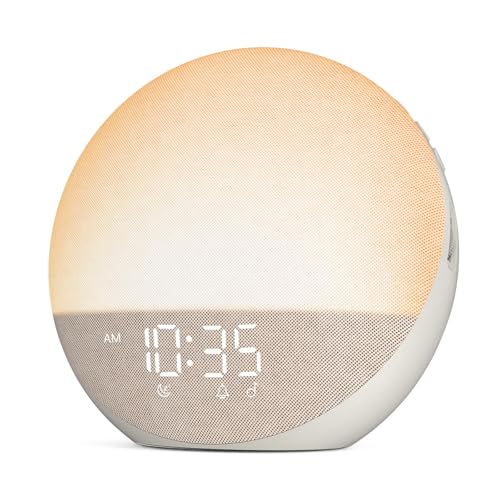
For best alarm clocks to wake up naturally, light led types lead because they mimic dawn and let your body rise before sound begins. Judge ramp length, final brightness, and how evenly the panel glows. A natural feel also depends on your room: blackout curtains help at night, but the clock must sit where its light reaches your face. Add a soft tone at the end as insurance on dark winter mornings.
Best Alarm Clocks to Wake Up Heavy Sleepers
The search for best alarm clocks to wake up heavy sleepers should start with strength and backup, not with gentle features. Look for high maximum volume, a tone that rises in pitch, strong adjustable vibration, and the option to set a second alarm. Place the main clock across the room and keep a backup near the bed set later. If you regularly sleep through alarms and feel unrefreshed, talk with a clinician about sleep health and personal needs.
People who want a softer end to a strong start can read our guide to the best alarm clocks to wake up gently for ramp ideas that still finish firmly. Heavy sleepers often do best with a gentle build and a decisive final stage.
Care and Maintenance Tips
- Follow care instructions for cleaning displays, panels, and speaker grills with a soft dry cloth.
- Store the clock properly when not in use, with batteries removed during long storage to prevent leaks.
- Check warranty registration in the first week and save the receipt in a place you can find.
- Test alarm volume, vibration, and backup power monthly on a low stakes morning.
- Keep cords untangled and away from bed edges where feet or vacuums can pull them loose.
A practical know how routine is the Sunday check: confirm time, tonight alarm, backup battery, and clock position in under a minute. That tiny habit prevents most Monday failures across every clock type, from budget sound models to premium light systems.
If you need to rise and stay up, not only wake, our guide to the best alarm clocks to get you up focuses on the follow through minutes after the alarm. Pairing a strong wake signal with a planned first task makes the whole system sturdier.
Our guide to the best alarm clocks for waking up also helps you link clock choice with sleep timing and morning light. Type choice sets the signal, while timing and light decide how awake you feel an hour later.
Frequently Asked Questions
What features matter most in an alarm clock?
The features that matter most are a wake method matched to your sleep, backup that sounds the alarm, and controls you can use by touch. A detail many buyers miss is alarm confirmation: a clear display of tonight setting prevents most human errors. After those points, dimming and dual alarms add real daily comfort. Extras should never outrank the core three when you compare listings.
How long does an alarm clock last?
A typical alarm clock lasts about four to seven years. Speakers and light panels age gradually, while backup batteries need attention every year. Vibration units can lose strength if pads wear or cords fray, so inspect them during your monthly test. Replace a clock when its wake strength or reliability fades, ideally during a calm week when a new routine can settle without pressure.
Is an alarm clock a good gift?
Yes, especially for students, new homeowners, and anyone building a phone free bedroom. Match the type to the person: light for a calm riser, vibration for a shared room, simple sound for a guest space. Set the time before you give it and include a short note on snooze and dimming. A well matched clock feels personal because it supports a daily goal the recipient already has.
Is it worth paying more for an alarm clock?
Paying more is worth it when basic clocks have already failed you or when you need refined light, clearer low volume sound, or adjustable vibration. It is not worth it for novelty features that do not change your wake moment. Judge premium value by one question: does this upgrade fix my specific failure, such as sleeping through tone or waking a partner? If yes, the cost often pays for itself in calmer, on time mornings.
Wrapping Up
Choose the type first, then verify backup power and control clarity, then set price. That order keeps you focused on the moment that matters. Compare your finalists with the product table above, test the winner for a full week, and tune placement before you switch types. With that approach, the best alarm clocks to wake you up stop being a confusing category and become a simple match between a sleeper and a signal.


