
Best Alarm Clocks for Waking Up: A Buying Guide for 2026
Disclosure: We may earn a commission when you buy through links on this page, at no extra cost to you. As an Amazon Associate I earn from qualifying purchases. Learn more

Heavy sleepers need more than a loud buzzer. Compare light, sound, snooze design, and backup power in this waking up clock guide before you buy.
Waking up well is a mix of the right signal, the right placement and a steady routine. Some people need light, some need sound, some need vibration, and many need two of them at once. This guide explains how to choose the best alarm clocks for waking up by comparing wake styles, volume and tones, snooze design, charging and backup power.
Use the product table above to shortlist options, then read the sections below to match a clock to your sleep and your mornings.




Who Benefits From a Dedicated Wake Up Clock
Heavy sleepers, shift workers and anyone who sleeps through a phone alarm benefit most. A dedicated clock has its own speaker, its own power backup and no notifications to pull you into a screen. It also keeps the phone out of reach, which many people find improves sleep. If you wake easily and your phone alarm has never failed, you may not need one, but a clock is still a good backup for important mornings.
Wake Up Styles Compared
Sound Based Clocks
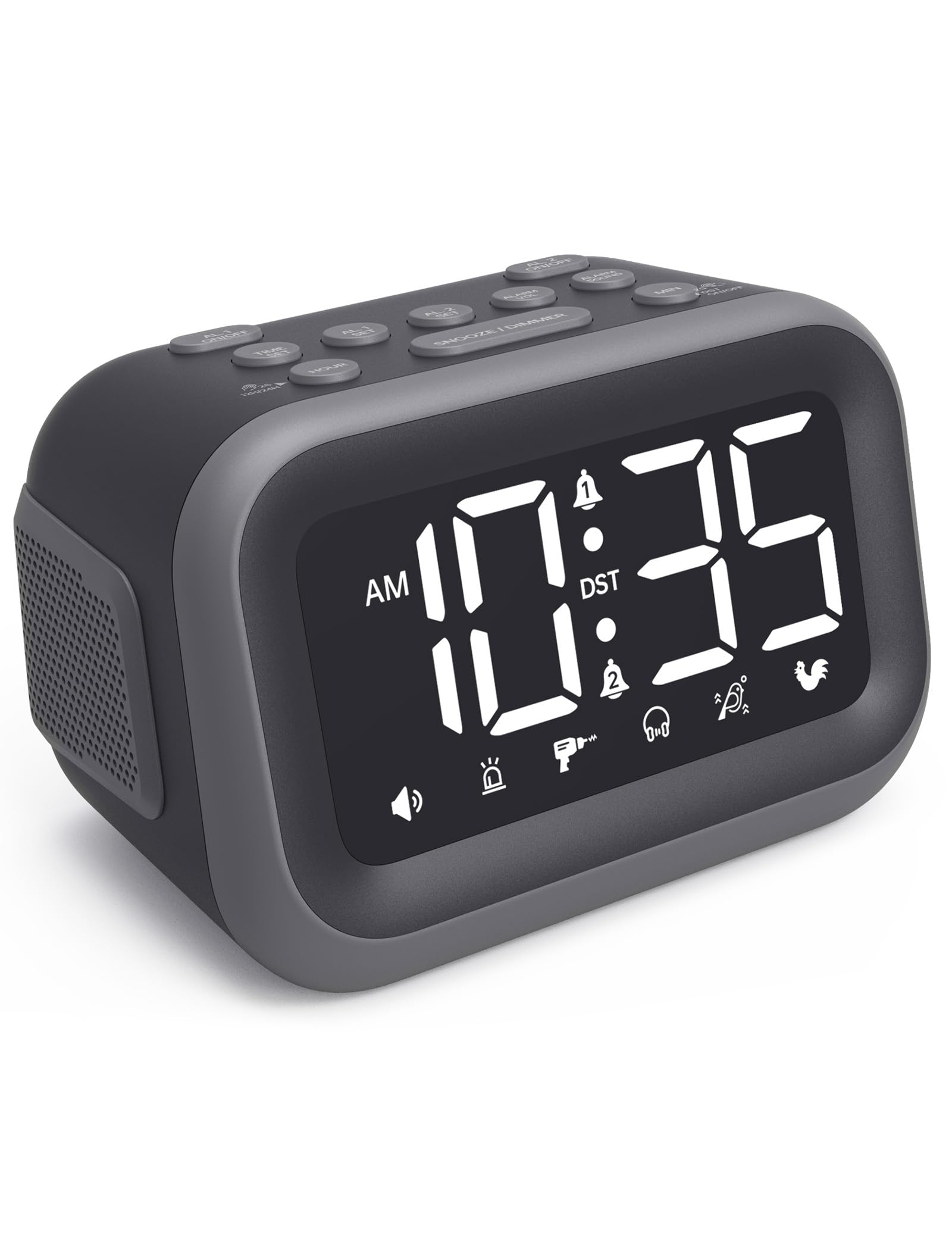
These use tones, radio or music. A wide volume range suits both light and heavy sleepers, and a rising volume wakes you more gently than a sudden buzzer. They are the simplest option and cost about $12 to $40.
Light Based Clocks
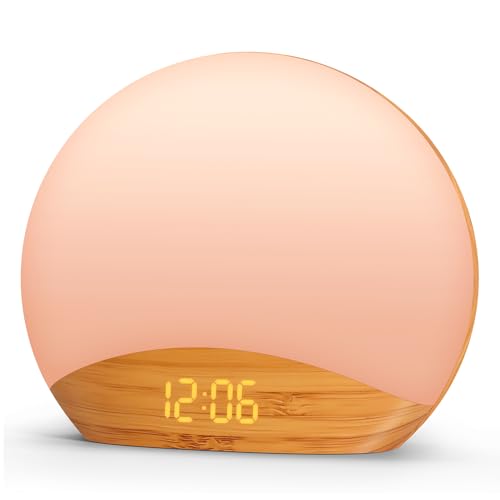
Sunrise clocks brighten the room gradually over 15 to 30 minutes, which can ease you out of sleep and help on dark mornings. Many add nature sounds and a sound backup. They cost about $30 to $80, and our guide to the best light up alarm clocks and the best wake up light alarm clocks compare them in more detail.
Vibration Clocks
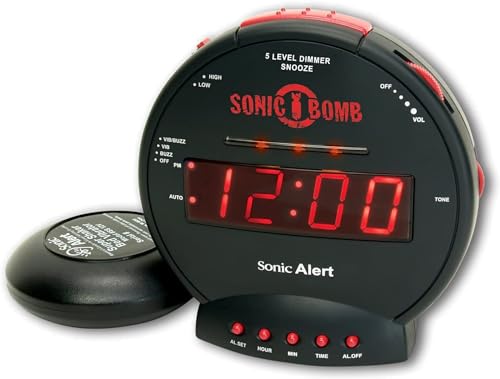
A bed shaker wakes you through movement without much noise. It suits heavy sleepers, people with hearing loss and shared rooms. Prices are about $20 to $45.
Wind Up and Mechanical Clocks
Traditional wind up clocks need no power and have a loud bell. They suit people who like a simple, power free device, though they need winding and are less precise. Our guide to the best wind up alarm clocks covers them.
Key Features to Compare
Volume and Tone Choice
A clock with a wide volume range and several tones suits a household better than one fixed volume. Rotate the tone every few weeks, because the brain learns to ignore a repeated sound.
Snooze and Shutoff Design
A snooze button that is easy to find in the dark helps on groggy mornings, but a shutoff that is too easy can lead to oversleeping. Look for a snooze limit and a separate off switch.
Power Backup
Battery backup or a long lasting internal battery keeps the alarm working in a night time power cut, which is when reliability matters most.
Charging and Display
A USB port or wireless pad is handy. A dimmable display protects sleep. Choose warm digits and large numbers.
Placement and Routine
Place the clock across the room if you want movement to be part of waking, or on the bedside table if you need a quick snooze control. Keep a steady wake time, even on weekends, and get bright light soon after you stand up. Set one main alarm near your true wake time, and keep a quiet backup for important mornings. Avoid checking your phone first thing, because it can pull you back into the bed and delay the start of your day.
Matching a Clock to Your Sleep Pattern
If you wake groggy and slow, light and a rising tone give your body a few minutes to surface, so a sunrise clock is worth a look. If you sleep through sound, put vibration and volume first. If you wake early and cannot get back to sleep, choose a clock with a dimmable display and a quiet face so you are not tempted to watch the minutes. If you work shifts, choose several alarm memories and a clear weekday setting. If you travel, choose a compact clock that runs on batteries or a common USB cable.
Write down what goes wrong on your worst mornings, such as sleeping through sound, snoozing, or a flat phone battery. That short note tells you which features to pay for and which to skip, and it keeps a long listing from steering you toward extras you will not use.
Making Waking Up Easier Over Time
Even the best clock works better with a few habits. Go to bed at a similar time each night, keep the bedroom cool and dark, and avoid heavy meals and bright screens late in the evening. Open the curtains or switch on a bright lamp as soon as you are up, because morning light tells the body that the day has begun. Drink a glass of water, move for a few minutes and do not return to bed. After a couple of weeks, many people find they wake more easily and rely less on the loudest setting.
Common Mistakes to Avoid
- Buying on size alone without checking access and storage by the bed.
- Choosing a gentle alarm if you sleep through sound.
- Skipping backup power, so a power cut cancels the alarm.
- Using the same tone for months, so the brain tunes it out.
- Putting the clock within arm reach if you snooze on autopilot.
- Not running a test alarm before relying on the clock for an important day.
Budget Guide
Prices usually span about $12 to $110. A budget clock can serve well for light use, while a midrange option often adds durability, a dimmer and dual alarms. Premium models pay off only when you use the extra quality, such as better light or sound, every day. Check the warranty and the return window, since you will use the device daily.
Setup and Care
Set the time and alarm on the first evening and run a test alarm to hear the volume. Keep spare batteries if the model uses them, wipe the display with a dry cloth and replace backup batteries once a year. Recheck the alarm after any power cut. If the alarm sound weakens or the clock loses time, replace it before it fails on an important morning.
Frequently Asked Questions
What kind of alarm clock is best for waking up?
It depends on how you sleep. Light clocks suit people who wake groggy, shakers suit heavy sleepers, and loud clocks suit people who live alone. Many clocks combine two signals.
How loud should a wake up alarm be?
Many people wake at 70 to 90 decibels, and heavy sleepers may need about 100. Choose adjustable volume so the alarm does not shock you or wake others.
Is a sunrise clock enough on its own?
For some people yes, but heavy sleepers usually need sound as well. Pick a model with a sound backup. See also our guide to the best alarm clocks to wake up.
How much should I spend?
Basic clocks cost about $12 to $30, and light or shaker models cost about $25 to $80. Spend on the wake signal and backup power first. Our guide to the best alarm clock range compares more styles.
Final Thoughts
Match the wake signal to how you sleep, place the clock where you must stand to stop it and keep a steady routine. Compare your shortlist in the product table above and run a test alarm before an important day. Chosen well, the best alarm clocks for waking up make mornings calmer and more reliable.


