
Best Alarm Clocks to Get You Out of Bed: Types Compared and How to Choose for 2026
Disclosure: We may earn a commission when you buy through links on this page, at no extra cost to you. As an Amazon Associate I earn from qualifying purchases. Learn more
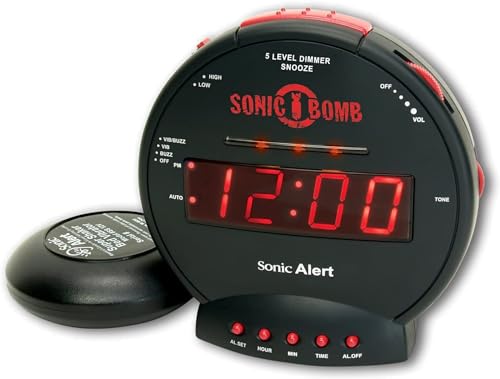
Compare the best alarm clocks to get you out of bed by type, sound, light, and backup power, with a clear checklist for value, size, and daily ease.
If you keep hitting snooze and then rush through your morning, the problem is often the alarm method, not your willpower. The best alarm clocks to get you out of bed combine a sound or light cue you cannot easily ignore with controls so simple you will actually set them every night. This guide compares the main types side by side so you can match a style to your sleep habits, your room, and anyone sleeping nearby.
Use the comparison table below as your starting point, then read the type notes that follow. A loud clock in the wrong place fails, while a modest clock placed across the room with a backup alarm often works far better than you expect.


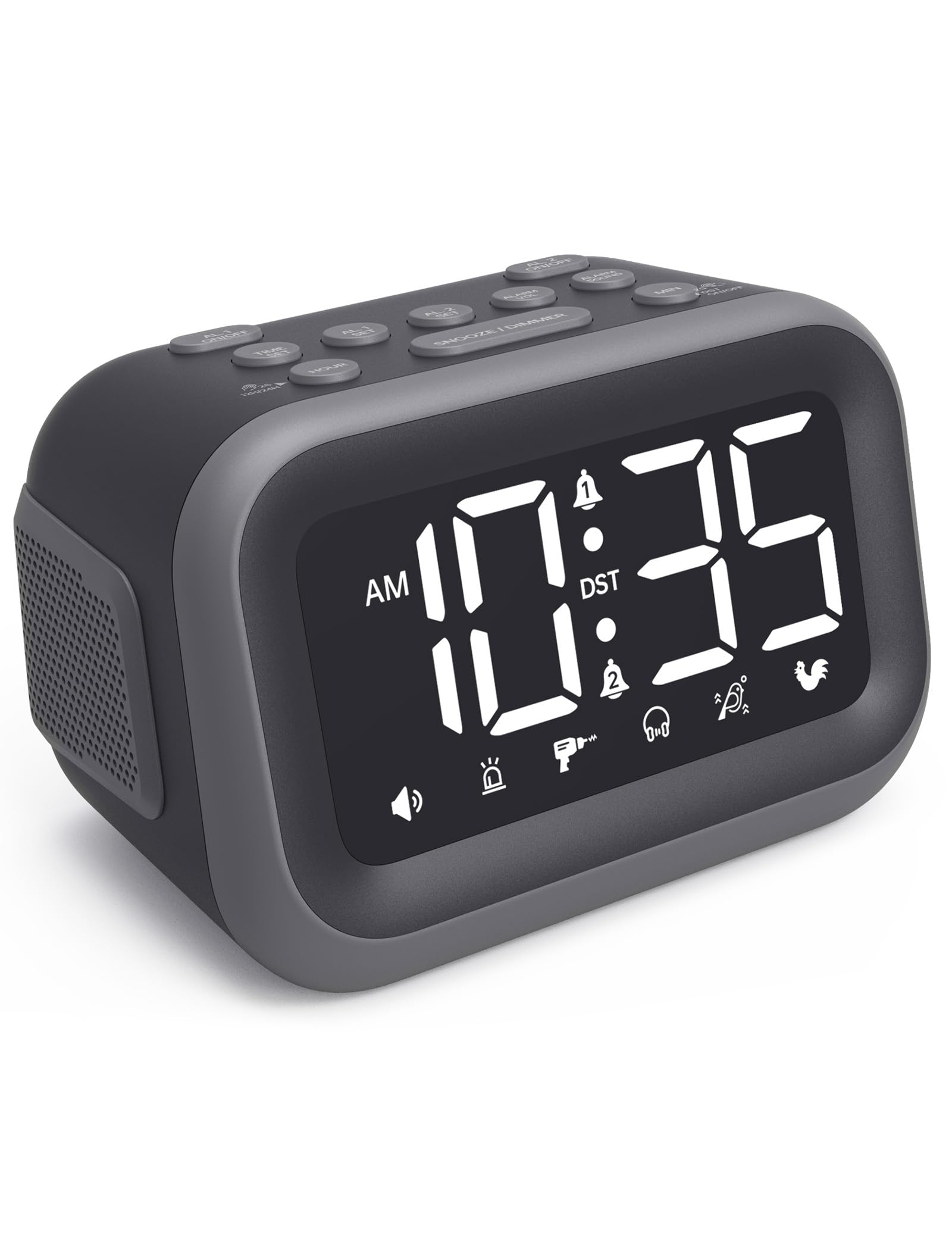

Types of Alarm Clocks That Get You Out of Bed Compared
Four broad approaches dominate this category. Sound only clocks raise volume until you respond. Light based clocks brighten the room gradually before sound begins. Vibration clocks shake the pillow or mattress for people who sleep through sound. Smart clocks add routines, multiple alarms, and voice control, but they also add menus and setup steps. Price alone does not predict success. Placement, volume control, and how hard the clock is to silence matter just as much.
Mid Range Tier
Mid range clocks, usually about $30 to $70, are the sweet spot for most adults. You typically get adjustable volume, several alarm tones or radio, a clear display with dimming, and battery backup for power outages. Many add a gradual light or a second alarm for weekends. The strength is balance. Sound is strong without being harsh, and controls stay simple enough for groggy mornings.
The limit is that extras vary widely at this price. One model may offer excellent dimming but a weak speaker, while another sounds great and lights the whole room at midnight. If you share a bed, look for a display you can turn fully dark and a volume ramp that starts low. That combination protects your partner while still getting you upright.
Budget Tier
Budget clocks, usually under $30, focus on one job: a loud, reliable alarm at a set time. Expect a basic tone, a simple snooze button, and a compact case made from lighter plastic. Some run only on batteries, which makes them easy to place across the room where you must stand to stop them. For a spare room, a dorm, or a travel bag, that simplicity is a real advantage.
The trade off is control. Volume steps may jump from quiet to startling, displays may lack dimming, and there may be no backup if batteries fade. Test a budget clock for three nights before you rely on it for an early flight or exam. Replace batteries on a schedule, such as when you change your smoke alarm batteries, so a weak battery never decides your morning.
Premium Tier
Premium clocks, often about $70 to $150 or more, add refined light, better speakers, and stronger build quality. Sunrise models in this tier spread light more evenly and let you fine tune color, duration, and final brightness. Sound libraries tend to sound more natural, and cabinets feel solid with buttons that respond cleanly. If harsh beeping makes you anxious, this tier often feels calmer while still being effective.
Premium does not always mean more reliable. App dependent models can frustrate you if WiFi drops or an update changes a routine. Prefer a premium clock that still works fully from its own controls, with the app as an extra rather than a requirement. That way a phone problem never becomes a missed wake up.
Gift Tier
Gift focused clocks lean on design, color, and ease for someone else to set up. A clear display, large buttons, and a short quick start guide matter more than a long feature list. For students and new graduates, a clock with dual alarms and a phone charging port solves two nightstand problems at once. For older relatives, large digits and a single daily alarm reduce confusion.
When you buy for someone else, avoid clocks that need an app, an account, or a subscription for basic alarms. You will not be there each night to troubleshoot. A thoughtful practical step is to set the time and a test alarm together, then write the snooze and dimmer steps on a card kept in the drawer.
Mid Range Tier vs Budget Tier: Which Should You Choose?
Choose the mid range tier if you need display dimming, battery backup, and volume you can adjust in small steps. Those three features solve the most common complaints: a room that is too bright, a missed alarm after an outage, and a tone that is either too soft or painfully loud. Mid range clocks also tend to last longer because buttons and cases use better materials.
Choose the budget tier if your plan is placement and discipline rather than features. A basic clock across the room, set to one firm tone, can outperform a fancy clock within arm reach. Budget also makes sense as a second backup clock. Many reliable risers use a main clock for a gentle start and a cheap loud clock as insurance ten minutes later.
If you are comparing related styles, our guide to the best alarm clocks to get you up explains how rising routines differ from simply leaving the bed. The distinction helps you decide whether you need volume, light, or movement most.
How to Choose the Right Alarm Clock for Leaving Bed
Price and Value
Value means cost per reliable morning, not the longest feature list. List the two problems you must solve, such as sleeping through a soft tone and waking a partner, then pay only for features that solve them. A clock around $40 with strong dimming and backup power beats a clock around $90 with features you never open. Keep receipts until you have tested weekends and weekdays, because alarm needs change with your schedule.
Purpose and Who It Is For
Start with your sleep pattern. If you wake to light but sleep through sound, prioritize brightness and placement near your face. If you sleep through light, prioritize volume, tone variety, and vibration. Shift workers need multiple alarms and a display that shows which alarm is active, because a single daily setting invites mistakes. Couples should discuss the plan openly, since the best clock for one sleeper can become a nightly conflict for the other.
For a broader starting point, the guide to the best alarm clock covers core features that apply across styles. Read it if you are replacing a phone alarm for the first time and want the basic vocabulary before you narrow by type.
Size and Design
Measure your nightstand before you buy. A wide sunrise clock needs clear space so light is not blocked by books or a lamp. A compact clock fits a small shelf and travels well, but tiny buttons can be hard to press when you are half awake. Look for a snooze control you can find by touch and an off switch that feels different, so you do not silence the alarm by accident when you meant to snooze.
Display design matters at 2 a.m. Digits should be readable from your pillow without lighting the room like a sign. Red or amber digits often feel softer than bright white or blue. If you are sensitive to light, choose a display with several dim levels or a full off setting that still keeps the alarm active.
Durability and Care
Daily pressing, occasional drops, and dust all test build quality. A case should feel firm, buttons should not wobble, and cords should sit securely without a loose fit. Quality materials such as dense plastic or a fabric finish also tend to hide wear better than glossy surfaces that scratch. Check the warranty length and whether replacement cords or adapters are easy to find.
Care is simple but often skipped. Dust the lens or light panel weekly so brightness stays even, test battery backup monthly by unplugging the clock briefly, and reset the time after any outage even if the clock claims automatic backup. Those small habits protect the one morning when you cannot afford to oversleep.
Choosing an Alarm Clock for Your Situation
Best Alarm Clocks to Get Kids Out of Bed: Which Type Works Best
For the goal described by the phrase best alarm clocks to get kids out of bed, routine matters more than raw volume. Choose a clock with a clear time teacher display, a consistent tone, and a light that signals when it is okay to get up. Place it where your child must stand to turn it off, keep the same wake time on weekends within an hour, and praise the routine rather than the speed. If your child has sleep or health concerns, talk with their clinician about personal needs.
Parents comparing child focused designs can also see our guide to the best children's alarm clocks for age appropriate display and control ideas. Keep adult backup alarms in place during the first weeks while a new routine settles.
Care and Maintenance Tips
- Follow care instructions for cleaning the display or light panel, using a dry or slightly damp soft cloth and no harsh sprays.
- Store the clock properly when not in use, with batteries removed for long storage so leaks cannot damage contacts.
- Check warranty registration soon after purchase and keep the receipt with your household papers.
- Test the alarm, snooze, and backup battery every month on a low stakes morning.
- Replace backup batteries yearly, even if the clock still shows the correct time.
If light based waking appeals to you, our guide to the best sunrise alarm clock explains brightness, duration, and sunset features in depth. Light works best when your room is dark at night and curtains do not block the clock glow in the morning.
People who respond better to escalating sound than to light may prefer the approach in our guide to the best alarm clocks to wake you up, which focuses on tone choice and volume ramps. You can combine both approaches by using light first and sound as a firm backup.
Alarm Clocks That Get You Out of Bed: Your Questions Answered
Is it worth paying more for an alarm clock?
It is worth paying more only when the extra cost buys dimming, backup power, or a wake method you will use daily. A premium light panel can help if harsh sound raises your stress, but it adds little if you sleep facing away. Spend first on reliability and control, then on design. A modest clock you trust beats an expensive clock you fight with.
Is an alarm clock a good gift?
Yes, an alarm clock is a good gift when you match it to a real routine, such as a new job, a school start, or a move to a dorm. Choose simple controls and set the time before you wrap it if the recipient dislikes setup. Include batteries if the model needs them. Avoid highly personal features like app accounts, which can turn a kind gift into homework.
What features matter most in an alarm clock that gets you out of bed?
The features that matter most are a wake method you cannot ignore, a distinct off switch, and backup power. After those, display dimming and placement options help you keep the clock far enough away that you must stand. A useful extra many people overlook is a weekend setting, which prevents a Saturday alarm from ruining rest after a good weekday routine is built.
How long does an alarm clock last?
A well cared for alarm clock often lasts about four to seven years, with light panels and backup batteries aging first. Buttons that need hard presses and displays with uneven brightness are early signs of decline. You can extend life by keeping the clock out of bathroom humidity and off sunny windowsills. Replace it before a critical season, such as a new school term, if reliability starts to slip.
Our Verdict
Start with your wake method, then check backup power and display control. Those three decisions explain most success or failure. Mid range clocks suit most adults, budget clocks work well as backups or across the room alarms, and premium light models help when sound alone feels harsh. Compare your short list with the product table above, choose the best alarm clocks to get you out of bed option that fits your room and routine, and test it for a full week before you judge it.


