
Best Alarm Clocks for Heavy Sleepers With Roommates: A Guide for 2026
Disclosure: We may earn a commission when you buy through links on this page, at no extra cost to you. As an Amazon Associate I earn from qualifying purchases. Learn more

Vibration, light and volume control: how to pick the best alarm clocks for heavy sleepers with roommates.
Sharing a room with a heavy sleeper is a balancing act. The sleeper needs a strong wake signal, and everyone else needs to keep sleeping. The usual answer is a personal signal such as vibration or light rather than a louder buzzer. This guide explains how to choose the best alarm clocks for heavy sleepers with roommates by comparing vibrating alarms, bed shakers, sunrise light, volume control and backup power.
Use the product table above to shortlist options, then read the sections below to match a clock to your room, your schedule and your roommates.
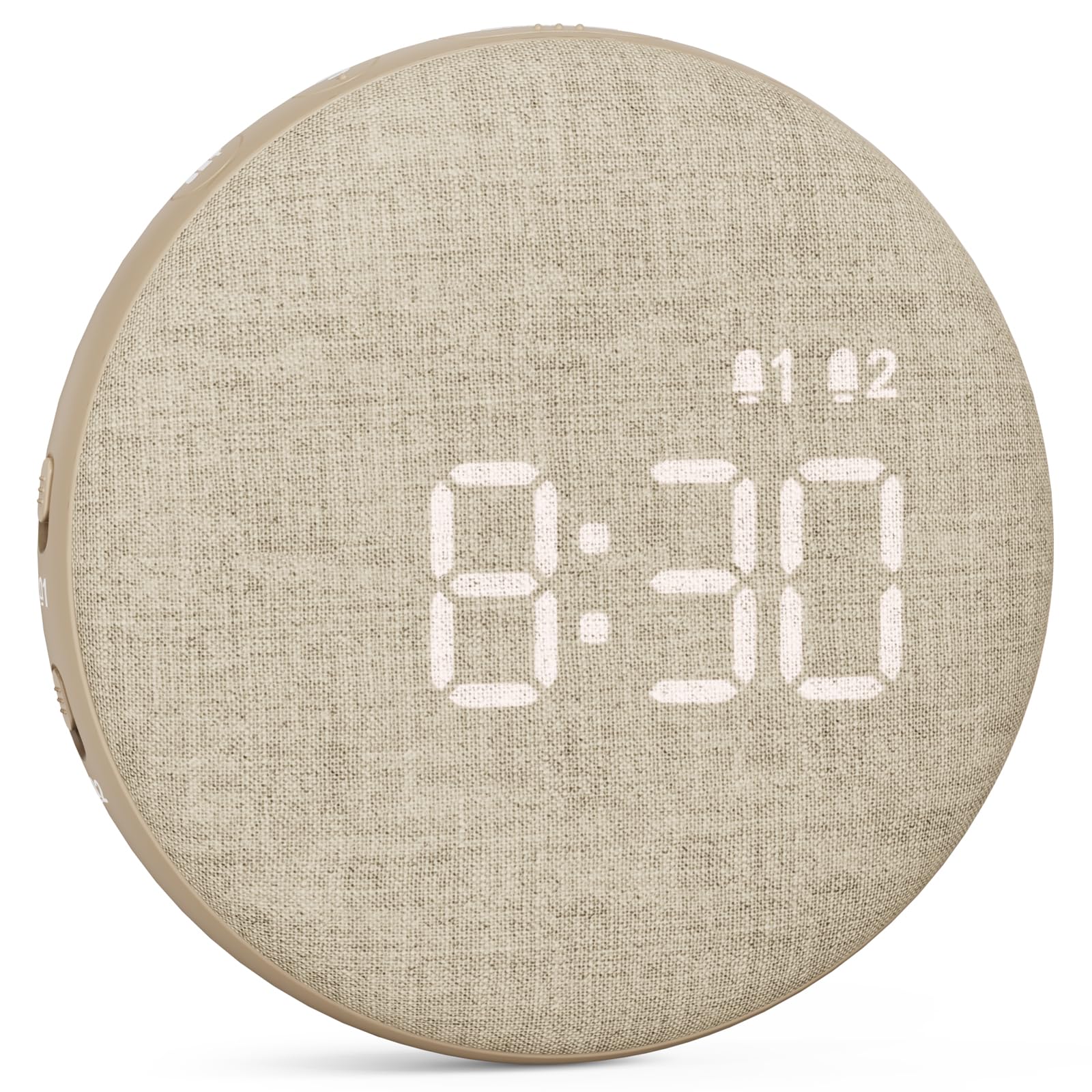


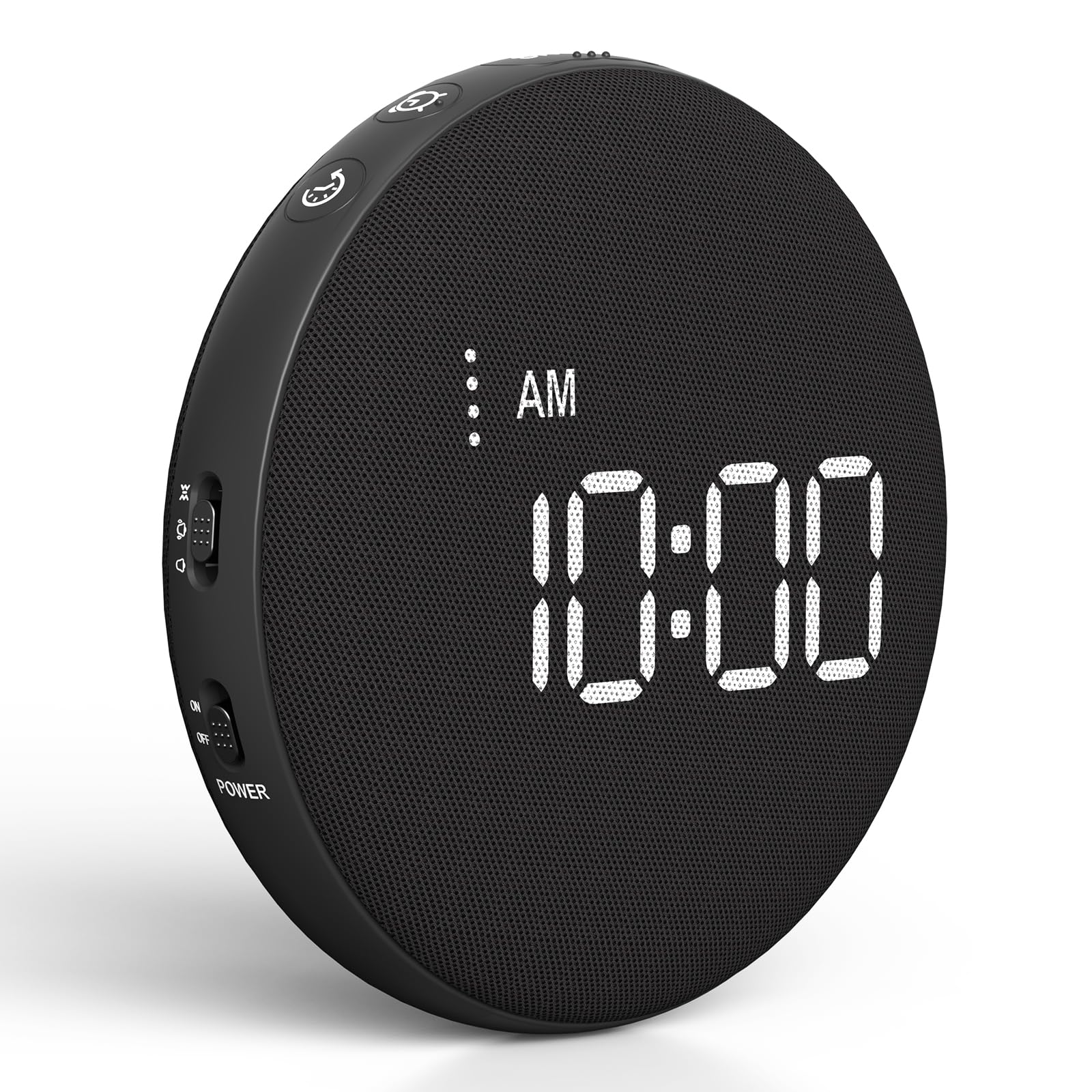

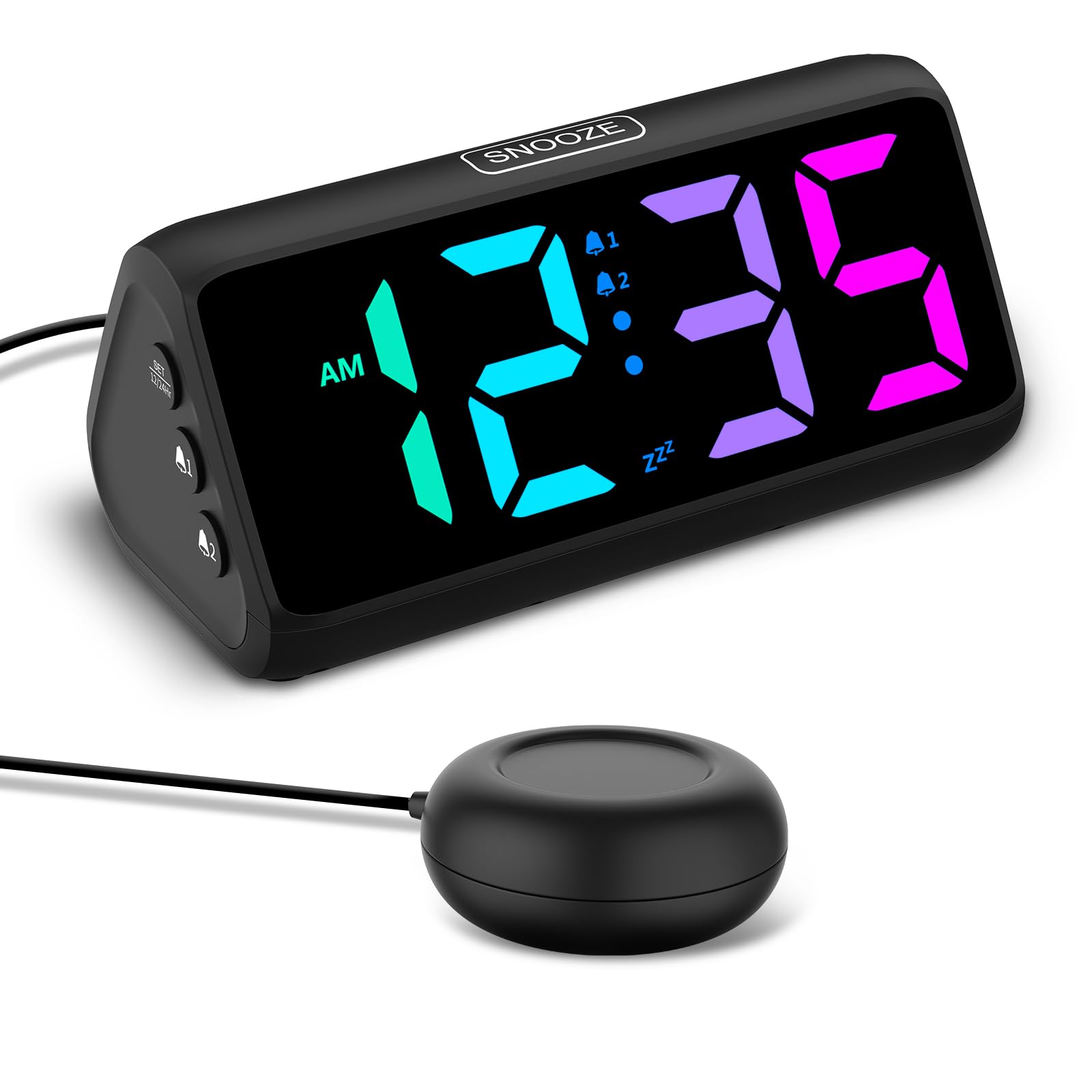
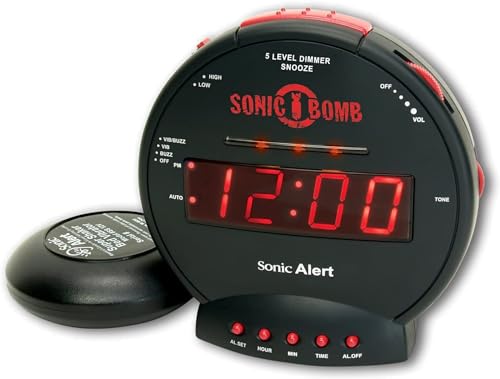
Who Needs a Roommate Friendly Alarm
Heavy sleepers in dorms, flats and shared bedrooms gain the most, because a standard alarm either fails to wake them or wakes everyone. Shift workers with odd hours benefit too, since a personal signal avoids disturbing housemates at strange times. Couples with different wake times face the same problem. Light sleepers who share with a heavy sleeper can use the same tools from the other side, because a vibrating or light based alarm protects their sleep while still waking the heavy sleeper.
Alarm Types for Shared Rooms Compared
Bed Shakers
A small vibrating disk goes under your own pillow or mattress and wakes you through movement. It adds almost no noise, so it is the favorite for shared rooms. Check the strength setting and the cord length, and place the shaker under your side only.
Vibrating Wristbands and Wearables
A wristband vibrates on your arm and wakes only you. It is the most roommate friendly option, though some deep sleepers ignore wrist vibration, and the band needs charging. Choose a comfortable strap.
Sunrise and Light Alarms
These raise light gradually and suit people who wake better to light than sound. In a shared room the glow can reach other sleepers, so aim it carefully or use it only with a partner who does not mind. Our guide to the best sunrise alarm clock explains how light clocks work.
Loud Buzzers
Very heavy sleepers sometimes need real volume, but a buzzer wakes the whole room. Use one only with volume control and a short duration, and pair it with a shaker so the sound can stay low. See also our guide to best loud alarm clocks for heavy sleepers for rooms where noise is not a concern.
Key Features to Compare
Volume Control and Tone Choice
A gradual volume rise wakes you more gently than a harsh buzzer. Choose a clock with a low minimum volume and a gentle tone, so you can lower the sound once the shaker does the work.
Snooze Limits
Endless snoozing annoys roommates and delays the sleeper. Look for a snooze limit or the option to turn snooze off.
Multiple Alarms and Battery Backup
Multiple alarms help shift workers with changing schedules, and battery backup keeps the alarm working through power cuts. A single phone alarm is not enough on important days.
Display and Charging
A display that dims or turns off keeps the room dark. A USB port for charging a phone adds practical value on a shared bedside table.
Choosing by Room Type
In a dorm with a thin wall, the shaker plus a very low tone is usually enough, because you need to wake yourself without disturbing the next room. In a shared bedroom with a partner, a wristband or a shaker on your side keeps the bed quiet, and a dimmable display avoids light spill. In a flat with several housemates on different schedules, a personal signal matters most, since you may be waking in the dark hours when everyone else sleeps. If you share a bunk bed, mount or place the shaker so it does not shake the frame, and check that the cord cannot snag when you climb down.
Roommate Etiquette and Setup
Agree wake times and alarm types with roommates before the first early morning. Place the shaker under your own pillow, not shared bedding, so vibration stays personal. Set the volume only as loud as needed and run a check on a weekend before relying on it for work or study. Keep a backup alarm on your phone for important days, and set one alarm close to your true wake time instead of several early ones. Respect quiet hours in shared housing, because a good alarm choice protects relationships as well as sleep.
Sleep Habits That Help Heavy Sleepers
A regular sleep schedule helps heavy sleepers wake more easily, because the body learns when to expect waking. Avoid screens late at night and keep the bedroom dark and cool. Morning light after waking helps reset the body clock. Heavy sleeping can also signal poor sleep quality, so persistent trouble waking, loud snoring, pauses in breathing or constant daytime tiredness are worth discussing with a clinician. An alarm is a tool, not a fix for a sleep problem.
Budget Guide
Basic shaker clocks cost about $20 to $35. Midrange models with dual alarms, adjustable shakers and dimmers cost about $35 to $60. Wearables and light combination units cost more. For most shared rooms, a midrange shaker clock is the sweet spot, because it wakes one person firmly while the room stays quiet. Check the warranty and the return window.
Setting Up a Backup Plan
Even the best shaker can fail if the cord slips out or the battery runs low. Keep a second signal, such as a quiet phone alarm set a few minutes later with vibration only, and ask a roommate you trust to nudge you on the first important morning. Check the shaker cord and plug each week, replace backup batteries once a year and avoid charging the clock under pillows, where heat can build up. A small routine like this protects both your schedule and your roommates.
Common Mistakes to Avoid
- Setting the loudest alarm available, which wakes everyone and breeds resentment.
- Relying on one phone alarm with no backup.
- Placing the shaker under shared bedding, so it wakes the wrong person.
- Setting five early alarms that disturb others for an hour.
- Choosing a clock with no snooze limit if you tend to snooze repeatedly.
- Skipping a weekend check before the first work morning.
Frequently Asked Questions
What alarm works best for a heavy sleeper with roommates?
A bed shaker or vibrating wristband usually works best, because it wakes one person without sound. Pair it with light for a stronger yet quiet wake up. Keep a loud buzzer as a last resort.
Can a bed shaker wake a very heavy sleeper?
For many people, yes. Place it under your own pillow or mattress edge. Some sleepers combine a shaker with sunrise light.
How do I stop my alarm waking my roommates?
Use vibration or light instead of sound, keep volume low, set one alarm near your true wake time and agree wake times with roommates. See also our guide to the best alarm clocks for deep sleepers.
What if I still sleep through every alarm?
Combine vibration, light and a louder backup, and fix your sleep schedule. If trouble waking persists, talk with your clinician.
Final Thoughts
Choose vibration or light first, add sound only if needed and agree the setup with your roommates. Compare your shortlist in the product table above and run a weekend check before a work morning. For general options, read our guide to the best alarm clock range. Chosen well, the best alarm clocks for heavy sleepers with roommates wake one person while the room stays quiet.


