
Best Alarm Clocks for Deep Sleepers: A Buying Guide for 2026
Disclosure: We may earn a commission when you buy through links on this page, at no extra cost to you. As an Amazon Associate I earn from qualifying purchases. Learn more
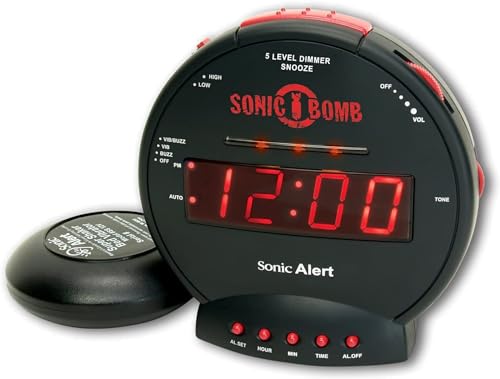
Compare best alarm clocks for deep sleepers by maximum volume and tone choice, vibration pad or shaking options, and multiple alarms and snooze limits to.
If you sleep through ordinary alarms, the fix is rarely a slightly louder beep. Deep sleepers need a wake signal that reaches the body through more than one sense, and a clock that does not let a half asleep hand cancel it. This guide explains how to choose the best alarm clocks for deep sleepers by volume, vibration, light, multiple alarms and snooze control.
Use the product table above to shortlist options, then read the sections below to match a clock to how you sleep and who shares your home.


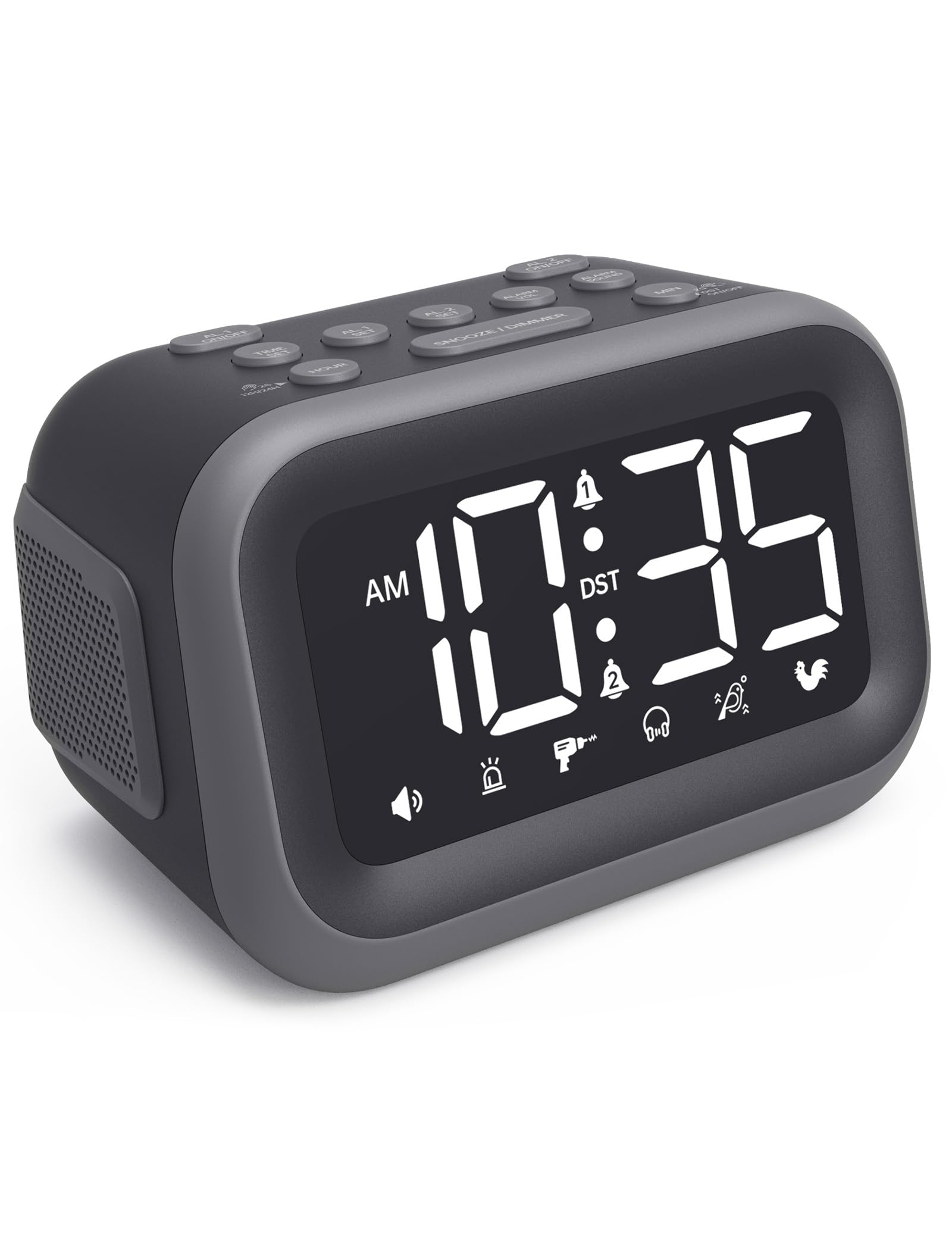

Why Deep Sleepers Need a Different Alarm
During deep sleep the brain filters out sounds that are not important, so a normal alarm tone at 70 or 80 decibels can pass unnoticed. Repeating the same tone makes the problem worse, because the brain learns to ignore it. Effective alarms for deep sleepers add a second signal such as vibration or bright light, grow louder over time and repeat until you stand up. A good clock also prevents the habit of pressing off or snooze while barely awake.
Key Features to Compare
Maximum Volume and Tone Choice
Look for a clock that reaches about 100 decibels or more, with several tones to rotate. Low pitched buzzers are often easier to sleep through than higher or mixed tones, so test a few. A rising volume helps, since it starts gently and builds to full strength.
Vibration Pad or Shaking Options
A bed shaker slides under the pillow or mattress and shakes the bed. It is one of the most effective tools for deep sleepers, and it works for people with hearing loss too. Check the cord length and whether the strength is adjustable. Wireless shakers are easier to place but need charging.
Multiple Alarms and Snooze Limits
Several alarms spaced a few minutes apart give you more than one chance to wake. A snooze limit or a snooze that you can turn off stops the habit of tapping and sleeping on. Some clocks need a physical task to stop the alarm.
Bright Light or Sunrise Simulation
Light can help the body surface from deep sleep, but alone it rarely wakes someone who sleeps heavily. Look for a clock that combines light with sound and vibration. Our guide to the best sunrise alarm clock explains how gradual light helps.
Types of Alarm Clocks for Deep Sleepers
Extra Loud Clocks
These focus on volume, often with 100 decibel or louder alarms and large displays. They are simple and affordable, usually about $15 to $35. They suit sleepers who live alone or with people who also wake easily.
Bed Shaker Clocks
These add a vibrating pad to a loud alarm. They suit couples, dorm residents and anyone who sleeps through sound alone. Prices run from about $20 to $50. See also our guide to best loud alarm clocks for heavy sleepers for more choices.
Action Clocks
Clocks that roll away or need a task force you to leave the bed. They can be effective for chronic snoozers, but they add noise and complexity, so choose carefully.
Sharing a Room With a Deep Sleeper
If you share a room, a loud alarm for one person means a wake up call for both. A bed shaker under the deep sleeper pillow with the sound turned down is often kinder to the other person. Agree on a wake time and an alarm type, keep the volume only as loud as needed and set a single alarm instead of five early ones. Our guide to the best alarm clocks for heavy sleepers with roommates goes deeper on shared room setups.
Price Guide for Deep Sleeper Clocks
Budget clocks around $15 to $25 give you volume and a plain display, which can be enough if your problem is a weak phone speaker. Midrange clocks around $25 to $50 add a bed shaker, dual alarms and a dimmer, and this is where most deep sleepers should shop. Above $50 you usually pay for light simulation, better speakers and sturdier builds. Count the cost of one missed morning, such as a lost shift or an early flight, and the midrange tends to pay for itself quickly. Check the warranty, since a clock used every day should last at least a year.
Picking by Your Sleep Pattern
If you fall asleep late and wake groggy, pair light with sound so the body has a few minutes to surface. If you work irregular shifts, choose a clock with several alarm memories and a clear weekday setting. If you take naps, a quick nap timer keeps a short rest from turning into a long one. If you travel, pick a compact clock with a shaker that folds flat, and carry spare batteries. Whatever your pattern, set the clock for the time you must actually be up, not an hour earlier, because too many early alarms train you to ignore them.
Common Mistakes to Avoid
- Buying on loudness alone, without a second signal such as vibration.
- Keeping the clock on the nightstand where snooze is easy to hit.
- Using the same tone for months, which the brain learns to ignore.
- Forgetting backup power, so a power cut cancels the alarm.
- Setting the volume so high that it startles you or wakes the household.
- Ignoring the cord length of a bed shaker, so it cannot reach your pillow.
Setup and Care
Place the clock across the room so you must stand to turn it off, and put the shaker under your pillow or mattress edge. Run a full test while awake, including the shaker and the backup alarm, before you trust the clock on a work morning. Keep a consistent sleep and wake time, because a steady schedule makes any alarm work better. Replace backup batteries once a year and check the shaker cord for damage.
If loud alarms still fail to wake you, or you feel very sleepy during the day, talk with your clinician about possible sleep problems. A clock cannot treat a sleep disorder.
Frequently Asked Questions
How loud should an alarm be for a deep sleeper?
Many deep sleepers need about 100 decibels or more, together with vibration. Choose adjustable volume so the alarm does not become a daily shock.
Do bed shakers really work?
For many deep sleepers, yes. The physical movement is hard to ignore, and it works without extra noise. Place it under the pillow or mattress.
How much should I spend?
Basic loud clocks cost about $15 to $30. Models with bed shakers cost about $20 to $50, and premium light and sound clocks cost more. Spend on a second wake signal first.
Is a phone alarm enough for a deep sleeper?
Often not. Phone speakers are small, and silent modes or low batteries can cancel the alarm. A dedicated clock with backup power is more reliable.
Final Thoughts
Pick a clock that combines loud sound with vibration, repeats until you stand up and keeps working through a power cut. Compare your shortlist in the product table above and place the clock where you must get out of bed. Chosen this way, the best alarm clocks for deep sleepers turn missed mornings into a routine you can trust. For related options, see our general guide to the best alarm clock range.


