
Best Airsoft Radio in 2026: Which Type Is Right for You?
Disclosure: We may earn a commission when you buy through links on this page, at no extra cost to you. As an Amazon Associate I earn from qualifying purchases. Learn more

Pick an airsoft radio by comparing range, battery life, headset compatibility and rugged build for reliable team communication on the field.
Clear communication wins airsoft games, and a radio you can trust is the cheapest way to get it. The best airsoft radio is not the one with the biggest wattage on the box. It is the one that stays clear across your field, lasts a full game day, and works with the headset and mask you already wear. This guide compares radio types, explains the specs that matter and lists the mistakes new players make.
Use the product table above to shortlist radios and headsets, then read the sections below to check that your pick fits your field, your squad and your budget.

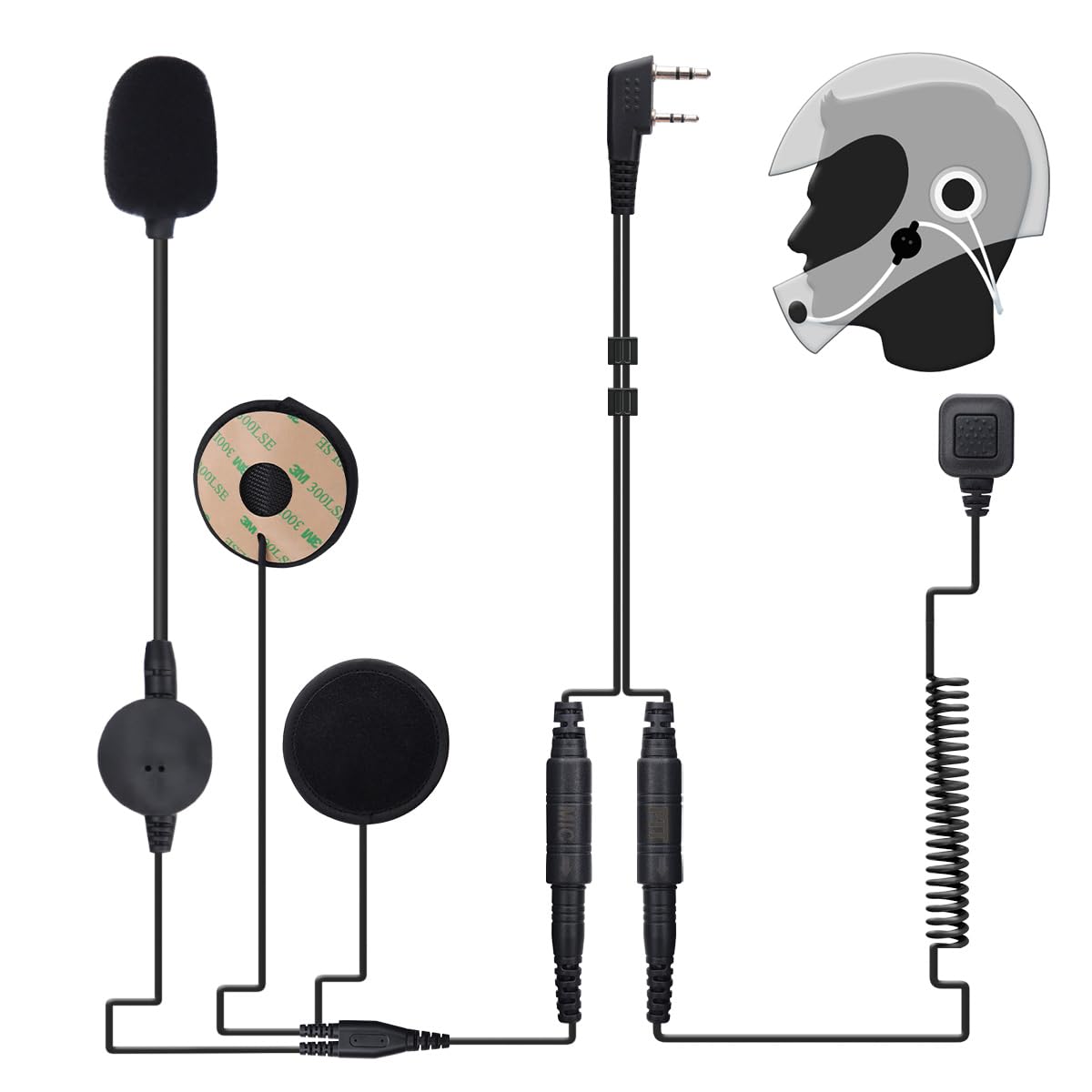
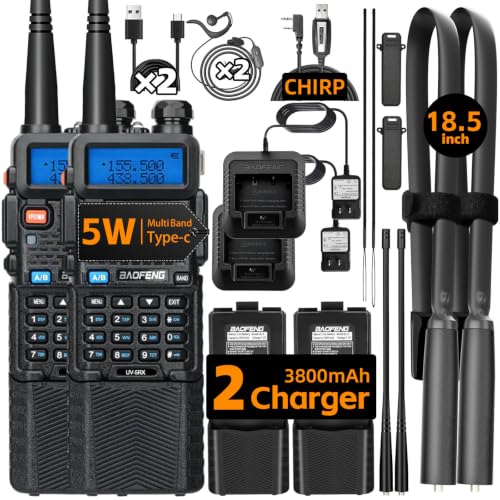
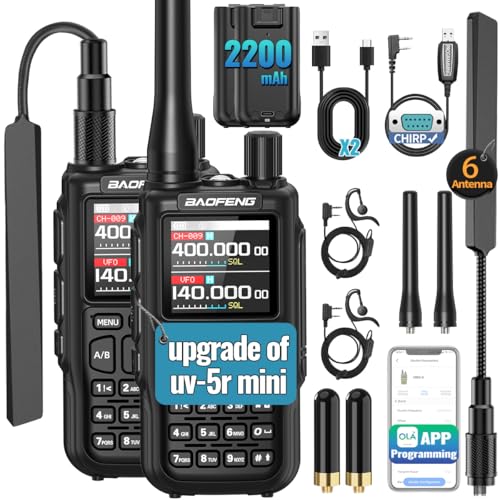
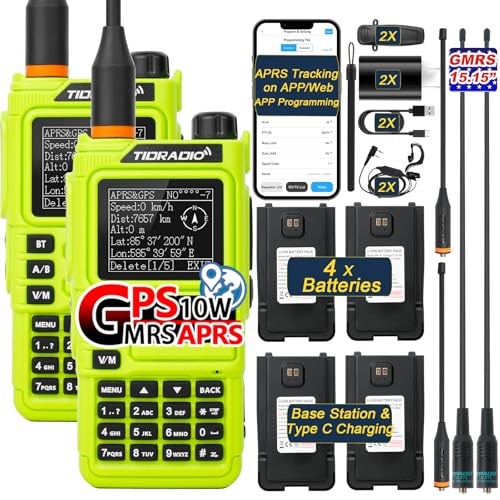
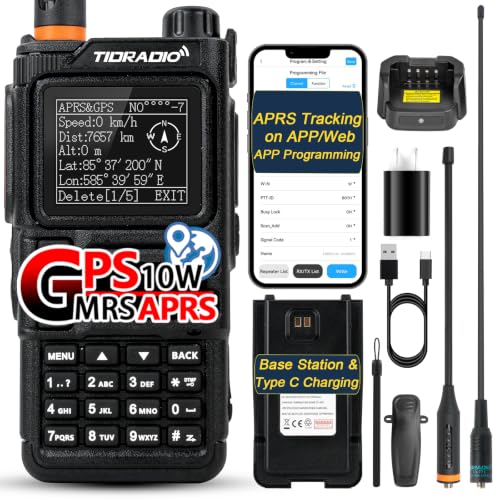

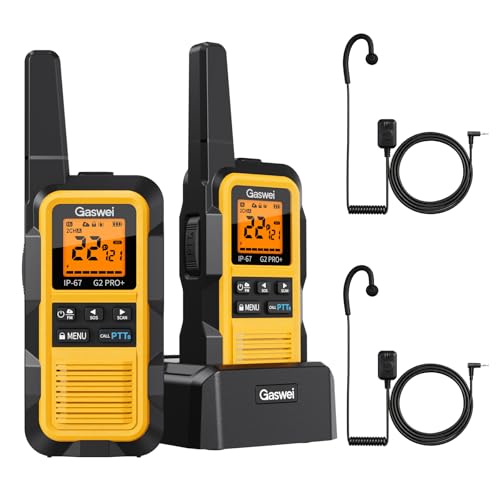

Who Needs an Airsoft Radio and Who Can Wait
Squad leaders and team players gain the most, because quick calls about enemy position and objectives change how a round plays out. Milsim players need radios for command and for staying in contact over large sites. Casual players on small indoor fields can often manage with hand signals and shouting, and a simple pair of radios is enough when they do want comms.
If you play only a few times a year on a small field, wait and borrow. If you attend regular games with the same squad, buy now, and buy the model your teammates already use so everyone can share a channel.
Types of Airsoft Radios Compared
Handheld Family Radios
Compact radios in the family or FRS style are the usual starting point. They are small, cheap, easy to clip to a vest and simple to operate with gloves on. Expect real field range of a few hundred yards to a mile, depending on trees and buildings. Prices are low, and most take a rechargeable pack or common batteries.
Higher Power and Ham Style Handhelds
Models such as the popular Baofeng style handhelds offer more power, more channels and detachable antennas, and they often accept a wide range of headsets. They suit large outdoor fields and milsim events. The trade off is complexity: programming channels takes patience, and some bands and power levels need a license in the United States, so check your local rules before transmitting.
Headset Ready Radios and Tactical Headsets
A radio is only half the setup. A headset with a boom microphone and a push to talk lead keeps calls private, since a radio speaker reveals your position to opponents. Look for a headset that matches your radio connector, fits under or beside a helmet and lets you hear marshal calls around you. Many players buy a rugged handheld and a good headset rather than an expensive radio and a weak earpiece.
Key Features Worth Comparing
Usable Range
Box range figures assume open flat ground. On a real field, trees, buildings and terrain cut that figure sharply. Choose by field size, and treat any range claim as a ceiling, not a promise.
Battery Life and Charging
A radio that dies at midday is worse than a modest one that lasts the weekend. Look for a stated talk time, a rechargeable pack that charges by USB and the option to carry a spare. Cold weather shortens runtime, so bring a charged spare to winter games.
Headset Compatibility
Connectors differ between brands. Many handhelds use a two pin connector, while others use different plugs, so check the connector type before you order a headset. Push to talk placement matters too, since a button on your chest rig is easier than one on the radio itself.
Durability and Weather Resistance
Airsoft means mud, drops and rain. A rubber covered antenna, a sealed battery door and a sturdy case all help. If you play outdoors in wet climates, look for a water resistant rating and keep the radio in a pouch.
Privacy Codes and Channels
Squad members must share a channel and a privacy code to hear each other. A radio with several channels lets you separate squads, and a monitor function helps team leaders keep an ear on two groups at once.
Budget Guide
Basic radios and headsets start around $20 to $40. A solid midrange handheld sits around $45 to $100, and higher power models with large battery packs cost more. A good headset adds roughly $20 to $100 on top. For most players the best value is a mid priced radio with a compatible headset and a spare battery, rather than a top model with no accessories. For gear that works alongside your radio, see our guide to the best airsoft radio setup and the wider best gear for airsoft.
Setup and Care
Program or set channels at home, not at the safety brief. Charge every battery the night before, fit the headset with your mask on and practice short, clear calls with a friend. Wipe mud from the antenna and connectors after outdoor games, store batteries at partial charge if they will sit for months and keep radios out of hot cars. Power for other gear matters too, and our guide to the best airsoft battery covers safe charging habits.
Common Mistakes to Avoid
- Buying for advertised range, which field conditions will cut sharply.
- Skipping the headset and exposing your position with a speaker.
- Choosing a radio your squad cannot match, so it never joins the team channel.
- Ignoring local rules on power levels and licensing.
- Forgetting a spare battery and a charging routine.
- Setting the volume so high that you cannot hear marshals and warnings.
Matching a Radio to Your Field
Small indoor arenas and close quarters sites are tough on radios, because concrete and metal walls scatter signals and create dead spots. A compact handheld with a comfortable earpiece is enough there, and clear short calls matter more than power. Mid sized outdoor fields reward a radio with a detachable antenna and a headset that blocks wind noise. Large milsim sites stretch squads across hills and woodland, so choose a higher power handheld, a spare battery and a rugged pouch. If you play at several kinds of site, a mid priced radio with a good headset covers most of them without changes.
Agree a simple call routine with your squad before the first round. Say your name first, keep reports to one short sentence and leave the channel open for urgent calls. A radio check at the safety brief and another before the first round catches dead batteries and mismatched channels while they are still easy to fix.
Frequently Asked Questions
Do I need a license for an airsoft radio?
It depends on the radio and the country. Low power family style radios are usually license free in the United States, while higher power handhelds and some bands require a license. Check the rules where you play before you transmit.
What is the best airsoft radio for beginners?
A simple rechargeable handheld with a compatible headset is the easiest start. Match what your squad uses, learn the push to talk habit and add features later. Most beginners never need a high power model.
How far will an airsoft radio reach on a field?
Expect much less than the box claims. Dense woodland and buildings can cut range to a few hundred yards, while open fields reach farther. Choose a radio for the field you play, not the biggest number you see.
Can I use a radio headset under a helmet or mask?
Yes, with the right headset. Choose a low profile style that sits beside the helmet or under it, and check the fit with your mask on. Our guide to the best airsoft radio setup explains how the parts fit together.
Final Thoughts
Pick a radio your squad can share, a headset you forget you are wearing and power that lasts the game. Compare your shortlist in the product table above, keep a spare battery in your kit and check local rules before you transmit. Chosen this way, the best airsoft radio for you will keep your team connected through every round.


