
Best Airsoft Radio Setup for 2026 Made Simple: A Clear Buying Guide
Disclosure: We may earn a commission when you buy through links on this page, at no extra cost to you. As an Amazon Associate I earn from qualifying purchases. Learn more

First time shopping for the best airsoft radio setup? Learn channels, range, headsets and battery basics in plain English and skip the rookie mistakes.
The first time you hear a teammate call out an enemy position you never saw, radios stop feeling like an accessory and start feeling like a superpower. They are also confusing to buy. Boxes shout watt numbers, channel counts, and range claims that mean little side by side. This guide builds your best airsoft radio setup from the basics up, in plain English.
You will learn what the parts are, which specs actually matter on a field, and how to match a setup to your squad size and budget. Skim the comparison table below for the main categories, then read the sections in order. By the end you will know exactly what to buy first, what can wait, and what to skip entirely.


Airsoft Radio Setups 101: The Basics
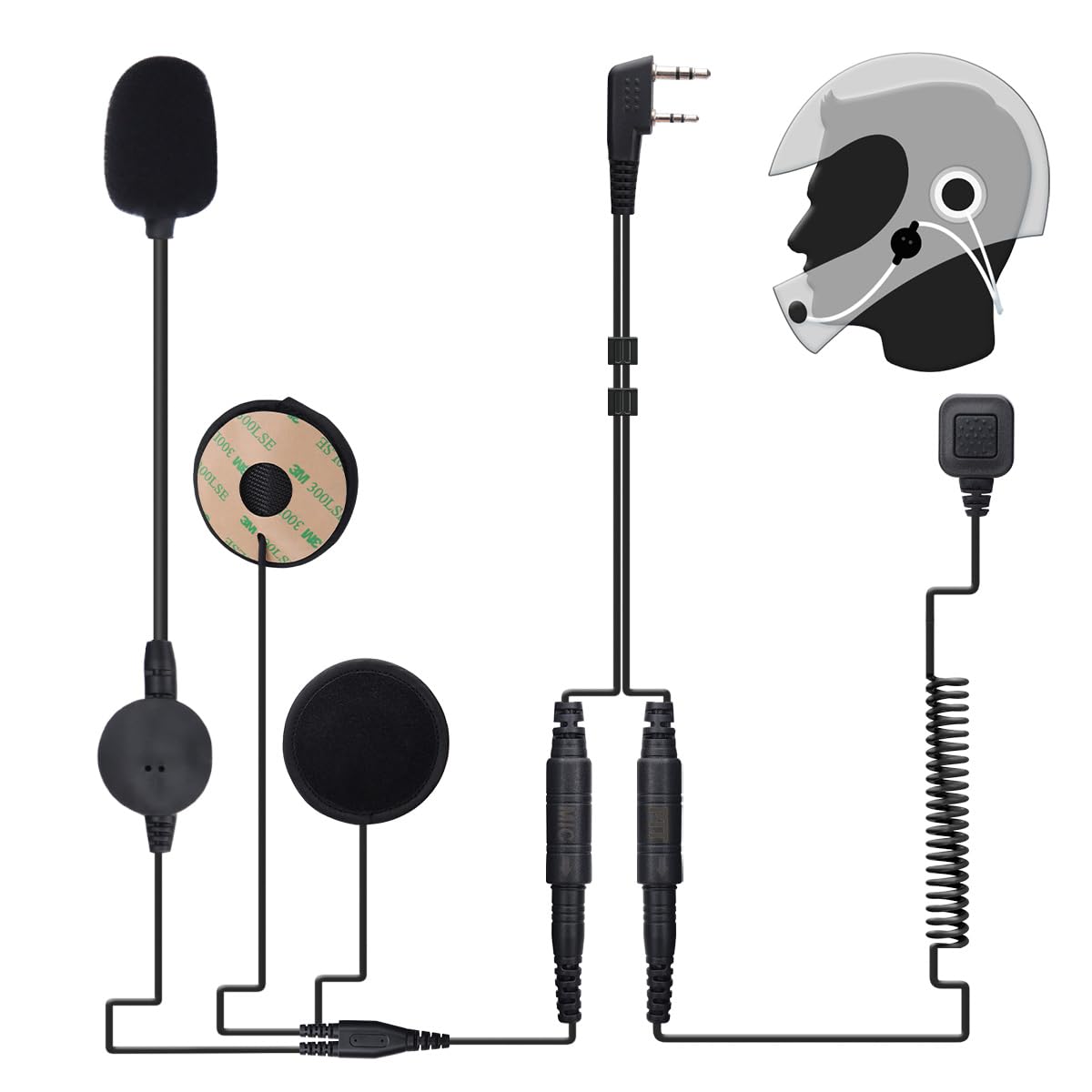
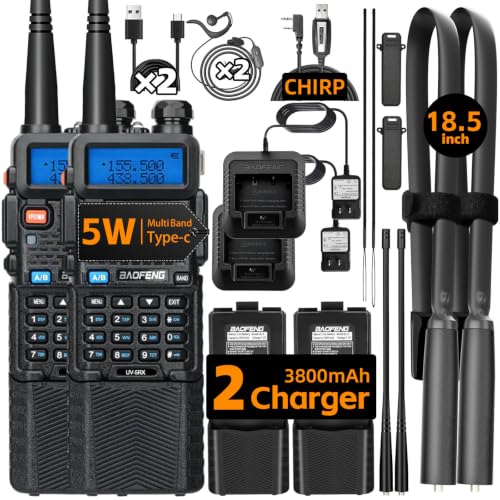
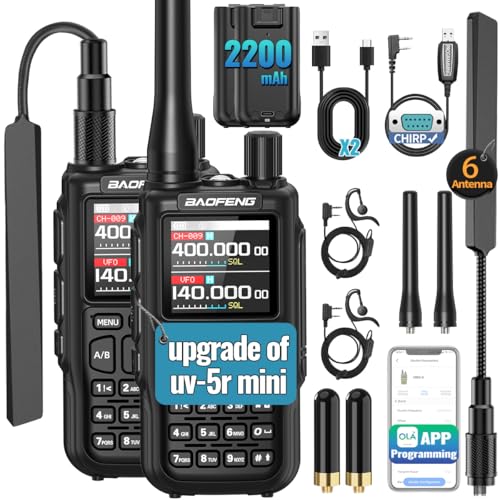
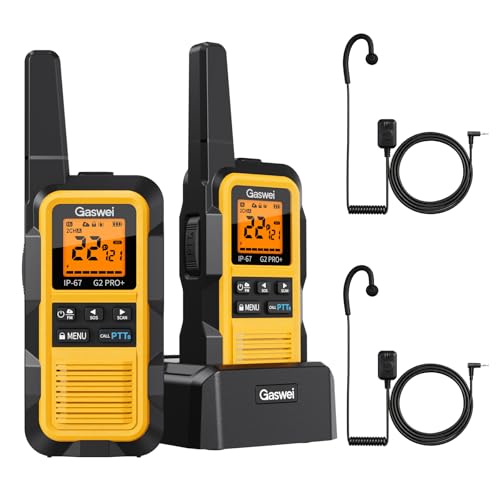
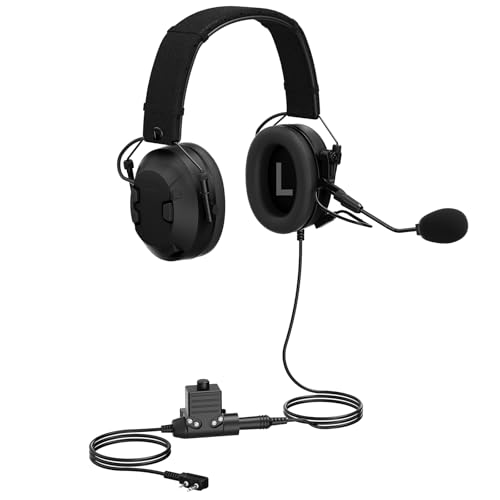
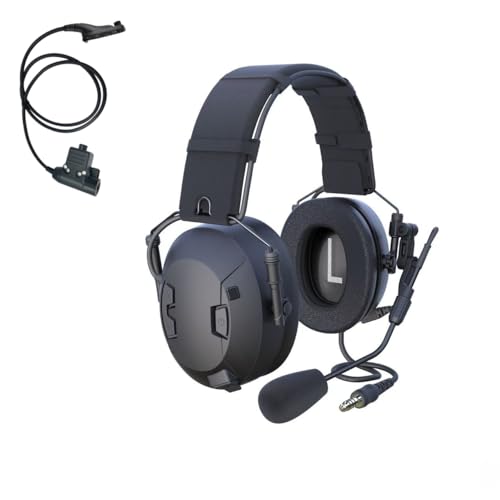
A radio setup has three parts. The radio itself sends and receives your voice on a shared channel. The headset or earpiece lets you hear calls without broadcasting them to nearby opponents, and its microphone carries your reply. The push to talk button, often built into the headset lead or a separate unit on your chest rig, lets you transmit without touching the radio.
Most casual airsoft radios use license free family radio channels in the United States, or similar shared bands elsewhere, so your whole squad must set the same channel and privacy code to hear each other. Range on real fields is usually far less than box claims, because trees, buildings, and terrain block the signal. A realistic expectation is clear speech across a typical field, not across a town. Check your local rules before buying, since some bands and power levels need a license in some countries.
Key Specs Explained in Plain English
Skill Level and Intended Use
Beginners need a radio that pairs with the squad standard, holds a charge for a full game day, and works with gloves on. Simple controls beat deep menus when you are learning. Intermediate players add a quality headset and a chest mounted push to talk so calls happen without fumbling. Advanced players and event teams care about dual channel monitoring, spare batteries, and headsets that fit under helmets and masks. Buy for the games you attend now, not the event you might attend one day.
Performance Characteristics
Judge performance by clarity at field distance, not by the biggest watt figure. Speaker volume matters on loud fields, and a clear speaker at moderate power beats a stronger radio with a muddy one. Battery life is a performance spec too. A radio that dies at midday is worse than a modest one that lasts the weekend. Look for stated talk time, common battery types, and charging by USB if you travel. Reception through woodland improves with a decent antenna you cannot remove or bend by accident.
Size, Weight, and Fit
The radio rides on your belt, vest, or chest rig for hours, so size and weight shape comfort more than most specs. Compact radios around the size of a deck of cards suit most players, while very small units sacrifice speaker volume and battery size. Check where the volume knob and channel controls sit, because you will adjust them by feel. Headset fit is personal. Earpieces that seal lightly stay comfortable longer than deep fitting buds, and boom microphones pick up speech better than lapel clips in wind.
Safety and Certifications
Radios are low risk gear, but a few safety points matter. Use only bands and power levels that are legal where you play, and follow event rules about monitored marshal channels. Keep volume at a level where you can still hear warnings, vehicles, and marshals around you, especially with sealed earpieces in both ears. Lithium batteries deserve respect. Charge them on a hard surface, never leave charging packs unattended overnight, and retire any pack that swells or runs hot.
Indoor vs Outdoor Use
Indoor fields are small, so range is rarely the issue, but concrete and metal walls scatter signals and create dead spots. A squad that tests channels during the safety brief avoids confusion later. Outdoor fields spread players across hills and woodland, where range and antenna height matter more, and weather resistance earns its keep. If you play both, prioritize a rugged radio with a good headset, because that pairing covers the small field and the large one without changes.
Portability and Storage
Your setup travels as a kit. A small case or pouch that holds the radio, headset, spare batteries, and a charging cable keeps everything findable and protects connectors from grit. Store radios with batteries at partial charge if they will sit for months, and keep them out of direct sun and extreme heat. Label your charger and cables with your name at big events, because identical black cables walk away from shared charging tables with impressive speed.
Picking the Right Setup for Different Uses
Best Radio Setup for Airsoft: Tips for First Time Buyers
If you are choosing the best radio setup for airsoft as a first purchase, copy your squad before you innovate. Match the radio family and channel plan your teammates already use, because a radio that cannot join the squad net is useless. Spend the second share of your budget on the headset, since hearing clearly decides whether you use the radio at all. Keep the third share for a spare battery. Players comparing radio models themselves will find the best airsoft radios guide useful once the setup basics here are clear.
Rookie Mistakes to Avoid
- Buying for advertised range: box range assumes open flat ground with no obstacles. Field range is a fraction of it, for every brand, so range claims should never decide a purchase.
- Mixing channel plans: two squads on nearby channels with different privacy codes hear silence and assume the radios failed. Agree the channel and code at the brief, every game.
- Skipping the headset: speaker audio reveals your position to opponents and drowns in game noise. An earpiece is part of the setup, not an upgrade.
- Mounting the radio where you cannot reach it: burying the radio in a backpack means you never adjust volume or channel. Keep controls reachable on your rig. Players building a matched head setup often pair radio choices with the best airsoft helmet setup guide so mounts and straps agree.
- Forgetting a charging routine: radios stored dead stay dead. Charge the night before, and carry the spare pack you bought.
Getting Started: Setup and First Use
Start at home, not at the field. Charge every battery fully, then fit the headset and practice speaking at a normal volume while a friend listens on the second radio from another room. Set your squad channel and privacy code, and write them on a small card in your rig. Mount the radio where your support hand can reach the controls, route the headset cable under a strap so it cannot snag, and place the push to talk where your thumb finds it without looking.
During your first game, do a radio check at the safety brief and again before the first round. Speak in short clear phrases, say your name first, and keep reports brief so the channel stays open for urgent calls. After the game, note what failed, a loose earpiece, a dying battery, a channel clash, and fix it before the next outing. Store the cleaned kit together, out of direct sun, so setup next time takes minutes.
FAQs
What size radio setup should a first time buyer get?
Choose a compact handheld radio that fits your rig pouch and your hand with gloves on, plus a headset style you can wear for hours. Very large radios add battery and speaker size you rarely need on one field, while tiny radios often skimp on both. If your squad already uses a common size and model family, matching it is the smartest sizing decision of all.
Does indoor or outdoor play change the radio setup you need?
Yes, mainly in what you prioritize. Indoor play rewards a comfortable earpiece and clear low volume audio, because distances are short but walls create echo and dead spots. Outdoor play rewards weather resistance, battery endurance, and the best antenna in your budget, because players spread out and conditions turn rough. A mid range radio with a good headset handles both settings well for most players.
Is a premium radio setup worth it for a beginner?
Premium radios earn their price in build quality, battery systems, and headset comfort, but beginners gain more from matching the squad standard and owning a spare battery. Buy the radio your team uses, spend a little extra on the headset you will actually wear, and upgrade the radio itself once you attend larger events where its extra features solve real problems.
How long does an airsoft radio setup last?
The radio body can serve for many years, while batteries and headset cables are wear parts. Expect batteries to hold a full game day charge for two to four years of regular use, and earpiece cables to be the first failure after repeated snagging and coiling. Careful storage, gentle cable handling, and spare parts in your kit stretch the life of the whole setup considerably.
Wrapping Up
A good setup is simple: a legal radio your squad can hear, a headset you forget you are wearing, and power that outlasts the game. Judge candidates in the product table above by those three tests and the rest is detail. Choose your best airsoft radio setup that way and your first purchase will still be serving you seasons later, especially if the rest of your head gear agrees with it, as the best airsoft mask guide can help you check.


