
Best Airsoft HPA Regulator: Every Type Explained Side by Side for 2026
Disclosure: We may earn a commission when you buy through links on this page, at no extra cost to you. As an Amazon Associate I earn from qualifying purchases. Learn more

Compare types of the best airsoft hpa regulator by pressure range, refresh rate, and fit for your engine, with a clear checklist for choosing safely.
Choosing an HPA regulator feels confusing because listings mix tank regulators, inline regulators, and full air rigs as if they were the same part. They are not, and buying the wrong stage leaves your engine starved for air or fed more pressure than it should see. This guide explains the best airsoft hpa regulator options by type, so you can match the part to your tank, your engine, and the way you play.
Start by identifying which pressure step you actually need to control. Then use the comparison table below to see typical price ranges, and work through the sections that follow for the details behind each type.
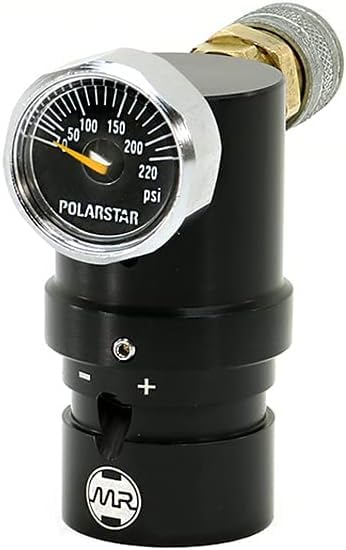
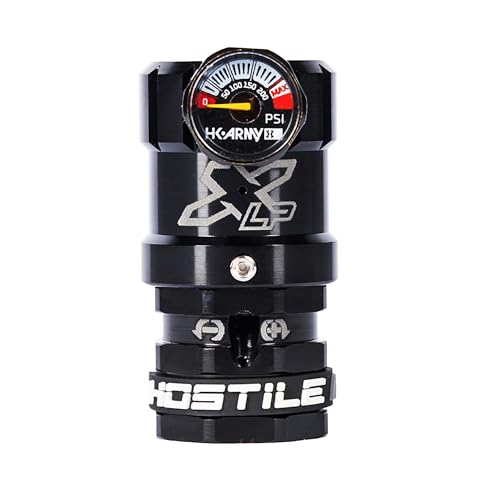
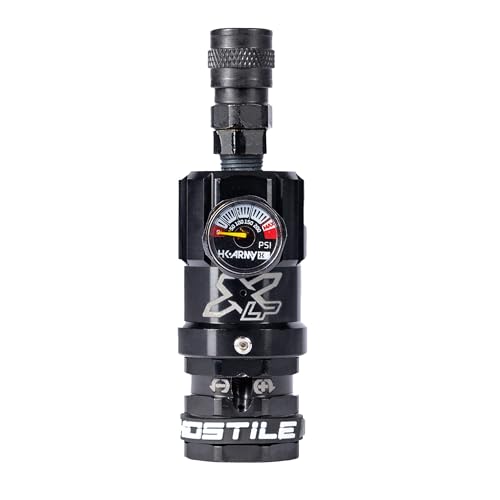
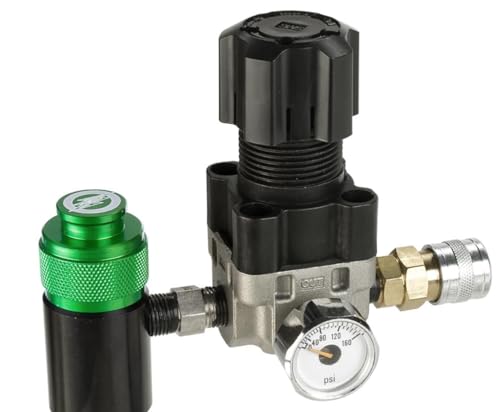
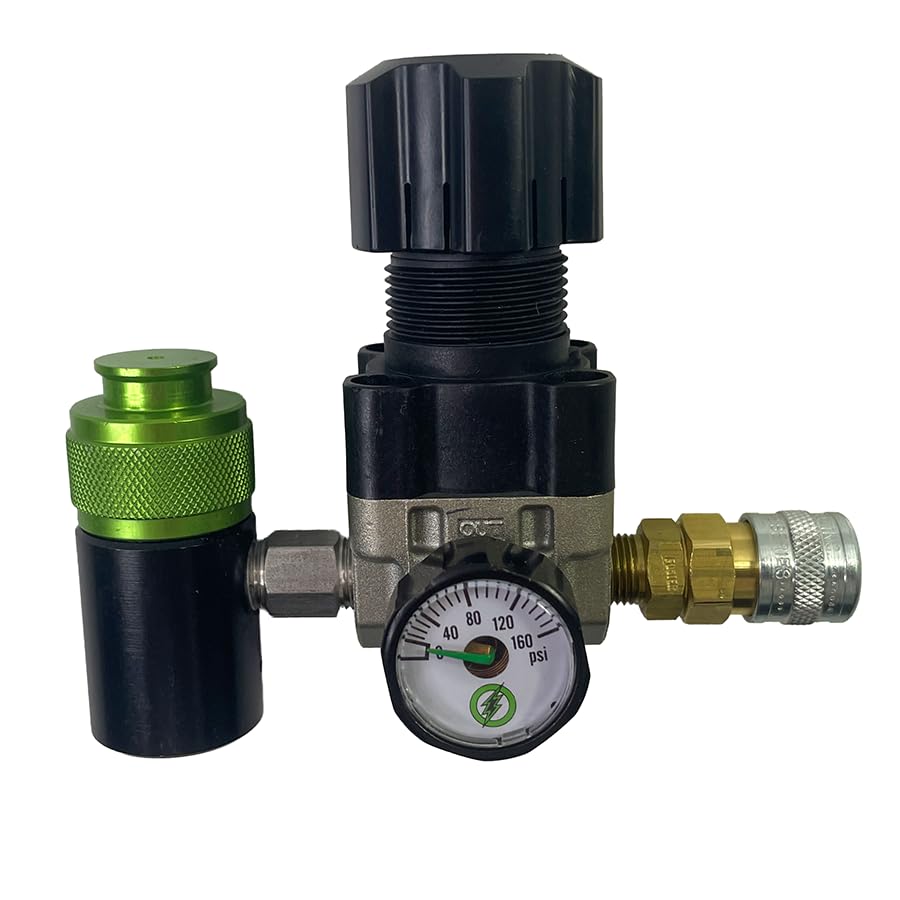
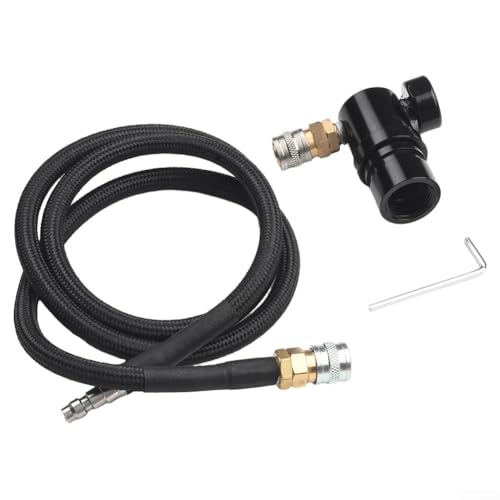
Types of Airsoft HPA Regulators Compared
Every HPA setup lowers pressure in stages. The regulator on the tank takes stored air, often at 3000 or 4500 psi inside the bottle, down to a few hundred psi. A second regulator on your line then lowers that air again to the working range your engine uses, often somewhere between about 40 and 140 psi depending on the engine maker guidance.
The types below are grouped by who they suit rather than by brand, because the same basic design can serve different players. As you read, note your tank output, your engine pressure range, and whether your fields require a tournament lock. Those three facts narrow the field faster than any single headline feature.
Intermediate and All Around Options
For most regular players, a solid inline regulator with a wide working range and a steady refresh rate is the sensible middle ground. Refresh rate describes how quickly the regulator restores pressure after each shot. A steady unit keeps velocity consistent during fast strings of shots, which is where cheaper designs often fall behind.
Look for a clear gauge, a smooth adjustment knob you can turn with gloves on, and a lock that keeps your setting from drifting during play. Expect to pay about $80 to $150 for this tier. It suits players who run one main build, play most weekends, and want consistent results without chasing the last small gain in response.
Beginner Options
Beginner friendly regulators focus on simple adjustment, clear markings, and forgiving operation. Many come as part of a complete rig with the line included, which removes guesswork about fittings and thread sizes. The working range still needs to cover your engine, but the controls are usually larger and easier to read at a glance.
The trade off is usually a slower refresh rate and fewer fine adjustments at very low pressure settings. For a first HPA build used at local fields, that is a fair exchange. Plan on about $50 to $90 for an entry level regulator or a simple rig, and put the savings toward a good tank and proper eye protection.
Advanced and Performance Options
Performance regulators are built for players who shoot fast, run demanding engines, or compete where consistency across a whole day matters. They use larger internal air passages and faster valve designs, so pressure recovers almost instantly between shots. Many also adjust in smaller steps, which helps when you are tuning velocity close to a field limit.
These units often add dual gauges, robust lock systems, and rebuild kits that are easy to source. Prices commonly run about $150 to $250. The extra cost only pays off if the rest of your setup can use it, so pair this tier with a quality engine and a tank regulator that can supply steady input pressure.
Kids and Youth Options
For younger players, the right choice is less about a special youth model and more about simple controls, a secure lock, and adult setup before the game. A regulator that a young player can accidentally bump to a higher setting is the wrong choice. Pick a design with a firm adjustment knob and a lock that a supervising adult sets and checks at the chrono station.
Weight also matters, because the regulator and line ride on the player or in a small pack. A compact unit with a short, flexible line is easier for a smaller player to manage. Always pair youth play with full seal eye protection that meets the field rating, and have an adult handle tank filling and pressure changes every time.
Intermediate and All Around Options vs Beginner Options: Which Should You Choose?
Compare the two tiers on refresh rate first. The all around tier holds velocity steadier during rapid fire, while beginner units may dip slightly on long strings. Next, compare adjustment feel. Mid tier knobs usually turn more smoothly and hold a setting better once locked, while entry level knobs can feel coarse near the low end of the range.
Durability and service support form the third point. Mid tier regulators more often have published rebuild kits and replaceable seals. Fourth, consider total cost. A beginner rig that includes a line can be cheaper overall even if the regulator alone looks similar in price. Choose the beginner tier for a first build on a budget, and the all around tier if you already play often and plan to keep the rig for several seasons.
How to Choose the Right Airsoft HPA Regulator
Skill Level and Intended Use
Match the regulator to how you will actually play. Casual backyard target sessions and monthly field games place modest demands on refresh rate, so simple controls matter more than speed. Regular league or milsim play involves long strings of fire, changing weather, and strict chrono checks, so consistency and a reliable lock move to the top of the list.
Be honest about your plans for upgrades as well. If you expect to move to a more demanding engine within a year, buying the all around tier now avoids a second purchase later. If this is a trial setup, spend less and learn what you like first.
Safety and Certifications
Pressure parts demand respect. Only use regulators rated for airsoft HPA use, and never adapt paintball or industrial fittings unless the maker states they suit your exact setup. Check that seals are intact, threads are clean, and the gauge reads zero before you open any fitting. A damaged gauge or a cracked body means the unit stays home.
Your tank also carries a test date and must be inspected and retested as required, so check the bottle markings and ask your fill station if you are unsure. Eye protection is separate from air gear, and it should meet ANSI Z87.1 or the rating your field requires. Regulators carry no hearing rating, so if your field uses loud distraction devices, add hearing protection as its own purchase.
Indoor vs Outdoor Use
Indoor fields usually set lower velocity limits, which means your regulator will work near the bottom of its range. A unit that adjusts smoothly at low pressure is easier to keep legal there. Short lines and compact rigs also snag less in tight indoor layouts.
Outdoor play adds dust, rain, and temperature swings. Cold weather can make seals stiff and can change output slightly, so chrono again after the setup has sat in the cold. Keep the regulator in a pouch or pack pocket where grit cannot reach the adjustment knob, and wipe the fittings before you connect the line at the start of the day.
Portability and Storage
Think about how the rig travels with you. Most players carry the tank in a backpack or a pouch on a vest, with the line routed over the shoulder. A regulator that sits low and close to the tank valve is less likely to catch on brush or door frames. Check that the line length lets you shoulder the replica on both sides without pulling.
At home, store the regulator depressurized, out of direct sun and away from extreme heat. Keep spare seals and a small parts kit in the same bag so a worn seal at the field does not end your day. If your setup feeds an electronic engine, remember the battery lives in the replica itself, and our guide to the best airsoft hpa engine options explains how engine air demand and regulator output need to match.
Performance Characteristics
The core performance question is consistency. A regulator with a fast refresh rate and stable output keeps each shot close to the last, which tightens groups and keeps you safely under field limits. Judge this by the maker stated refresh behavior and by rebuild support, not by bold claims in a listing title.
Grip and control feel matter in a smaller way. You should be able to adjust pressure with gloves on, read the gauge in flat light, and feel when the lock engages. If you also run a gas pistol as a sidearm, note that these regulators serve HPA engines and tapped setups, not standard green gas magazines, so keep the two systems separate in your kit planning.
How to Make Your Airsoft HPA Regulator Last Longer
Small habits protect pressure parts. Depressurize the rig before storage, and never leave a tank connected under pressure in a hot car. Wipe fittings clean before connecting them, because one grain of grit on a seal can cause a slow leak that is hard to trace later.
Check wear before each use. Look for nicks on sealing surfaces, frayed lines, and a gauge needle that fails to return to zero. Clean and dry the outside after outdoor use, especially after rain, and follow the maker schedule for seal replacement. A regulator that gets fresh seals on time can serve for many seasons, while a neglected one becomes inconsistent long before it fully fails. Round out your kit checks with our guide to best gear for airsoft so the rig, tank, and carrying setup all work together.
FAQs
Is it worth buying premium as a beginner?
Usually not for your first rig. A premium regulator shines during fast, sustained fire, and most new players shoot in shorter bursts while learning field craft. A simple, well made entry level unit with a clear gauge teaches you good habits and leaves budget for a quality tank and mask. Upgrade later when you can feel the limits of your current setup during play, not before.
Does indoor vs outdoor play matter for an airsoft HPA regulator?
Yes, it changes which end of the adjustment range you use most. Indoor limits push you to low settings, where smooth fine adjustment matters, while outdoor play exposes seals and fittings to dust, rain, and cold. If you play both, pick a regulator that adjusts cleanly at low pressure and carry a small cover or pouch to keep grit off the knob outdoors.
How long does an airsoft HPA regulator last?
A cared for regulator can last for years of regular play. The body itself rarely wears out; seals, springs, and gauge accuracy are what age. Expect to replace seals on the maker schedule, sooner if you notice slow leaks or drifting output. Store the unit depressurized and clean, and have it serviced rather than forced when adjustment starts to feel gritty or uneven.
What size airsoft HPA regulator should I get?
Size here means pressure range and fittings, not clothing style sizing. Confirm the output range covers your engine maker recommendation with room on both sides, and confirm the threads match your tank regulator and line. Output that tops out below your engine needs will starve it, while a huge range you never use adds cost without benefit. When in doubt, match the regulator spec sheet to your engine manual line by line.
Final Thoughts
The right choice comes down to three checks: the pressure range fits your engine, the refresh rate fits your style of play, and the lock keeps your setting legal all day. Compare your shortlist against the product table above, and favor the tier that matches how often you play rather than the highest spec on the page. Chosen that way, the best airsoft hpa regulator for you is the one that stays consistent, stays locked, and stays out of your thoughts while you play. Protect the setup with a sound mask from our guide to the best airsoft mask options before your first game day.


