
Best Airsoft HPA Engine for Every Need in 2026: How to Pick the Right One
Disclosure: We may earn a commission when you buy through links on this page, at no extra cost to you. As an Amazon Associate I earn from qualifying purchases. Learn more

Match the best airsoft hpa engine to how you play with this buying guide on engine types, air systems, and fit, plus mistakes to avoid before you buy.
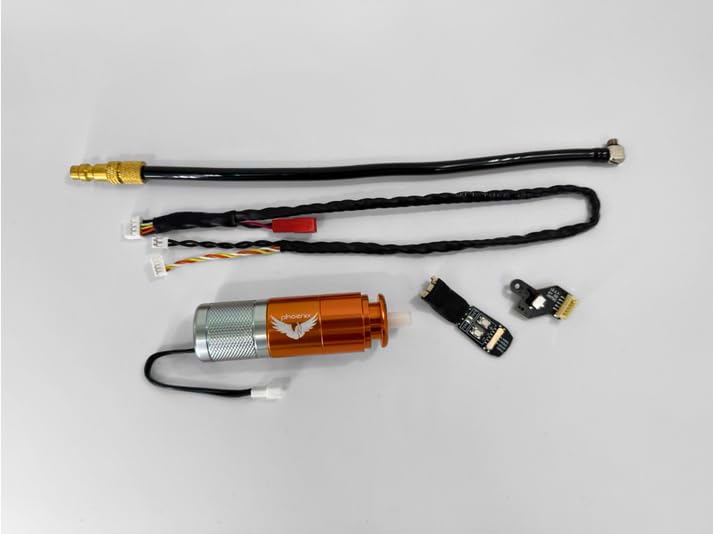
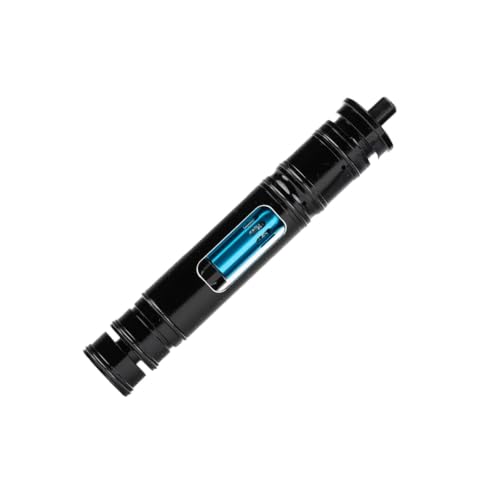
An HPA engine replaces the gears and piston of an electric gun with a compact unit powered by compressed air, and the change transforms trigger feel and consistency. But engines differ in how they cycle, what air gear they need, and how much tuning they expect from you. This guide matches engine types to real play styles so you find the best airsoft hpa engine for your build.
Start with the comparison table below to see the price spread, then read the player profiles. Remember that the engine is only one part of a system that includes a tank, a regulator, a line, and a battery for the control board on most designs.
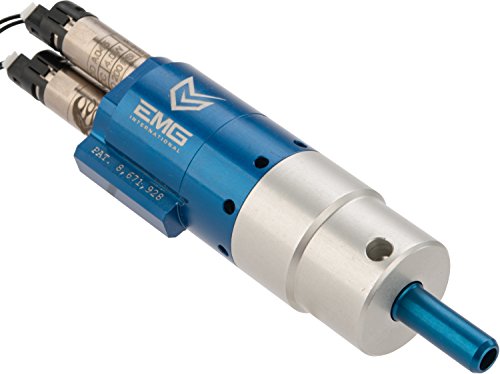
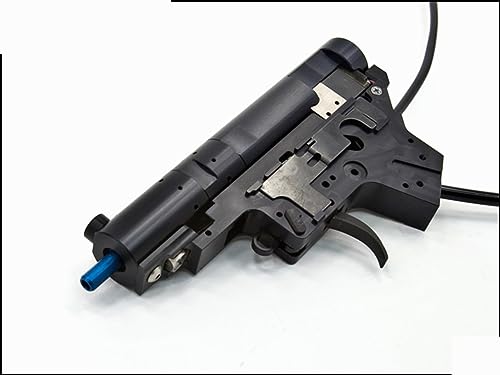
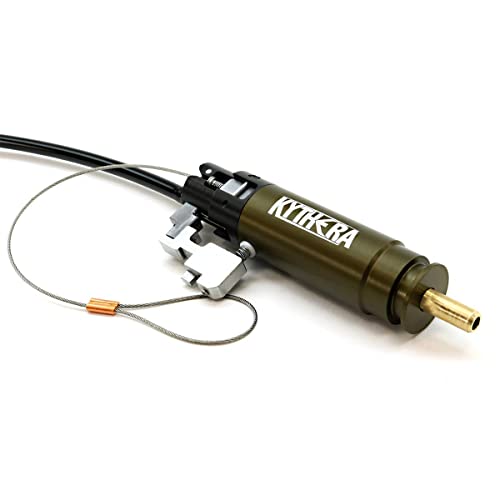
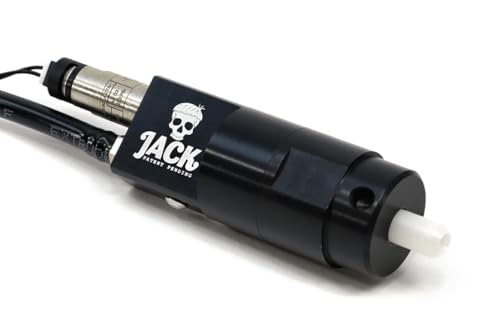
Who Should Buy Which Airsoft HPA Engines?
For Small Spaces and Easy Storage
If your kit lives in a small closet or a compact car, system size matters as much as the engine itself. Compact engines paired with a small tank and a slim line pack neatly into a standard gun case with room to spare. Lighter tanks, including smaller carbon fiber options, keep the whole rig easy to carry.
Choose a setup with a simple line routing and a tank you can store upright in a corner. Keep the regulator protected in a padded pouch, since a knocked gauge or fitting can sideline the system. Players with tight storage should skip oversized tanks bought only for shot count they never use.
For Bad Weather and Tough Conditions
HPA systems handle cold far better than gas guns and more predictably than batteries in freezing air, which makes them strong winter choices. The engine itself sits sealed inside the gearbox shell, safe from rain and dust. Your weak points are the line connection and the regulator, so protect both.
Look for robust fittings and a line with a tough outer braid for brush and rough fields. After wet games, dry the exterior parts, check O rings for grit, and store the tank with pressure in it as the maker directs. A simple routine keeps seals healthy through harsh seasons.
For Weekend Beginners
New HPA users should favor simple, forgiving engines with clear instructions and modest tuning ranges. A single solenoid design with a straightforward control board teaches you the basics: setting pressure, adjusting dwell, and reading consistency over a chronograph. Beginner friendly setups cost less, usually around $250 to $350 for the engine.
Do not forget the rest of the bill. A tank, regulator, and line add around $150 to $300, so budget for the full system. Rent or borrow an HPA rig for one game if you can, because the tank on your back is a feel some players love and others never accept.
For Frequent or Serious Users
Players who compete or attend long events gain the most from HPA. Premium engines, around $400 and up, offer finer control of dwell and rate of fire, better air efficiency, and build quality that survives constant use. Consistency from shot to shot helps tight indoor limits and long outdoor shots alike.
Warranty support and parts availability matter at this level, since solenoids and seals are service items. Choose an engine your local shop supports, and keep a small seal kit in your bag. Serious users should also own a chronograph habit: check velocity at the start of every event.
Key Features to Compare
Skill Level and Intended Use
Match engine complexity to your comfort with tuning. Some engines run well on near factory settings, while others reward careful dwell and pressure work with better efficiency. If you dislike adjusting settings, choose the simpler path and accept slightly higher air use.
Your game type sets priorities too. Indoor players value instant trigger response and precise low velocity control. Outdoor players value consistency across a long day and efficiency from a tank. Milsim players may need locked settings or tournament locks that keep output within event rules, so confirm those options exist.
Materials and Construction
Quality engines machine their bodies from aluminum or strong composite with clean threads and well finished air paths. Seals and solenoids decide reliability more than shell looks, so favor designs with available replacement seal kits. A sturdy wiring harness with strain relief matters, since the small battery lead flexes every game.
Check how the engine fits your gearbox shell version. Most designs target standard Version 2 or Version 3 shells, but nozzle length and alignment differ by gun. A maker with fitment guides and nozzle options saves you shimming headaches during installation.
Size, Weight, and Fit
The engine itself adds little weight, but the system shifts weight to the tank on your back or belt. A full rig can add two to four pounds depending on tank size and material. Try the carry setup before buying, and route the line so it does not snag when you switch shoulders.
Fit inside the gun is the hidden issue. Trigger boards, selector fit, and magazine alignment all vary by receiver. If you are converting a gun you already own, follow the size chart and fitment notes for that exact model, and budget for a professional install if the process looks beyond your tools.
Value and Included Accessories
Compare complete system prices, not engine prices alone. Some engines include the control board and wiring but no tank, regulator, or line, while bundle pricing elsewhere may cover more of the system. Price the exact list you need, including a small lithium polymer battery for the control board and a charger.
Support has value too. Clear manuals, tuning videos from the maker, and stocked spare parts turn a good engine into a good ownership experience. Balance your build with the right air supply using our guide to the best hpa regulator for airsoft, since the regulator shapes consistency as much as the engine does.
Common Mistakes to Avoid When Buying Airsoft HPA Engines
- Buying the engine first and discovering the tank, regulator, and line double the real cost.
- Ignoring gearbox version and nozzle fit, then facing alignment problems at install.
- Chasing maximum rate of fire when your field caps it well below the engine ceiling.
- Skipping a chronograph check after tuning, which risks failing field limits.
- Forgetting that fields and events may require a tournament lock on your regulator.
One more mistake deserves emphasis: running an unregulated or damaged tank setup. Always use a proper regulator between tank and engine, follow the tank inspection dates, and never fill a tank past its rating. Treat compressed air with the same respect you give any pressure system, and have a qualified shop service tanks and regulators when you are unsure.
Care and Maintenance Tips
Store the system out of direct sun and extreme heat, and check wear before each use, especially the line for nicks and the fittings for looseness. Clean and dry exterior parts after outdoor use, and keep dust caps on quick disconnect fittings so grit never enters the air path. A tiny amount of approved lubricant on seals, as the manual directs, keeps them supple.
Keep your supporting kit in order as well. Our guide to the best gear for airsoft helps you organize the bag, and the best airsoft battery guide covers care for the small battery your control board needs. Protect your eyes first with the best airsoft mask guide, and coordinate with teammates through the best airsoft radios guide.
Frequently Asked Questions
How long does an airsoft HPA engine last?
The engine body can last for years, with seals and O rings as the normal wear items that need periodic replacement. Solenoids on quality units survive very high shot counts. Longevity depends on clean air, correct lubrication, and sane pressure settings. Keep a seal kit on hand and service the engine when consistency fades or you hear a slow leak.
Is a premium HPA engine worth it for a beginner?
Usually the smarter move is a simple midrange engine, because beginners are still learning pressure and dwell basics. Premium control and efficiency help most once you play often and notice small consistency gaps. Put early savings into a good regulator and tank, since those parts carry over to any engine you buy later.
Indoor vs outdoor airsoft: does it matter for an HPA engine?
Yes, mostly in tuning and rules. Indoor fields impose low velocity limits that HPA meets precisely with pressure adjustment, which is a genuine advantage. Outdoors, efficiency matters more because games run longer between fills. Some events require regulator locks for HPA specifically, so check event rules before assuming your setup is legal everywhere.
What size tank should I pair with an HPA engine?
Match tank size to your shot count between fills. Casual players often do well with a mid size tank that balances weight and capacity, while heavy shooters at long events need larger or carbon fiber tanks. Your engine efficiency and operating pressure change the answer, so estimate your shots per game and choose with margin.
Final Thoughts
Choose by fitment, simplicity, and the full system cost, in that order. Confirm the engine suits your gearbox, pick the simplest design that meets your tuning appetite, and fund a proper regulator and tank. Compare options in the product table above, and the best airsoft hpa engine for your play style will give you crisp response and steady velocity for seasons.


