Best Airsoft Flashlights by Budget: Smart Picks for 2026
Disclosure: We may earn a commission when you buy through links on this page, at no extra cost to you. As an Amazon Associate I earn from qualifying purchases. Learn more

Compare the best airsoft flashlights by budget with this guide to lumens, mounts, batteries, and price tiers, so you spend money where it counts most.
Weapon lights for airsoft range from pocket money bargains to serious money, and the listings all promise blinding output and military toughness. In practice, the gap between a good light and a frustrating one comes down to mount security, honest output numbers, and battery choices. This guide sorts the best airsoft flashlights by budget, so you can see exactly what each price tier delivers and where extra spending truly pays off.
We cover output, candela, rail fit, switches, and long term running costs in plain terms. Start with the comparison table below, then read the tier breakdowns to match a light to your replica and your usual field.



Three Budget Levels at a Glance
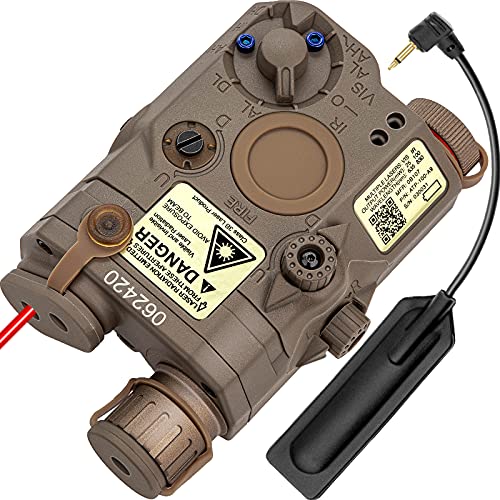
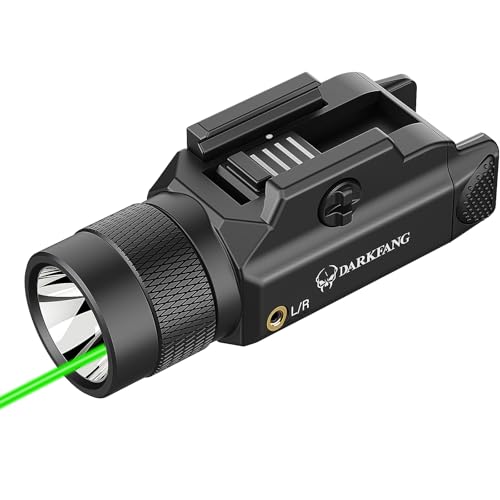
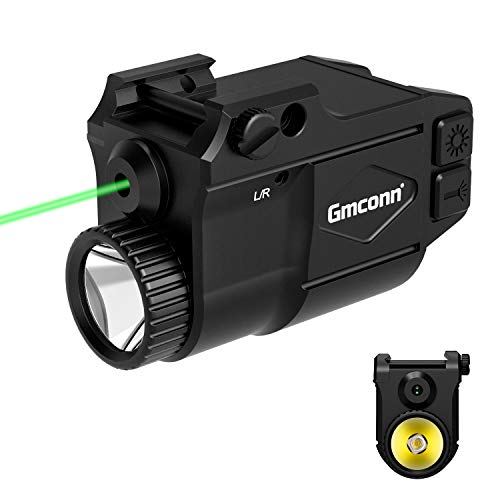
Think of the market in three bands. Each band below describes the typical build, the player it suits, and the compromise you accept, without naming specific models. Use the product table above to compare the lights that fall into your band.
Budget Tier Profile
Budget lights, roughly under $40, suit casual players and backup loaner replicas. Expect a simple on and off tail switch, output around 300 to 600 lumens, and a basic rail clamp. Housings are usually aluminum but with thinner anodizing, and waterproofing ratings are modest. Momentary modes and strobe may be absent or awkward. For bright indoor fields and short evening games, a budget light does the core job: it shows you the corner before you turn it.
Midrange Tier Profile
Midrange lights, about $40 to $90, are the sweet spot for regular players. Output climbs toward 800 to 1,200 lumens with better focused beams, mounts lock onto rails without wobble, and rechargeable cells with USB charging appear. You also get usable momentary activation and pressure pad options for rifles. Seals improve, so rain at outdoor events stops being a worry. Most players who upgrade once land here and stay, because the jump in reliability over budget lights is obvious.
Premium Tier Profile
Premium lights, roughly $90 to $180, suit milsim players and anyone running long night events. You pay for high candela beams that punch through photonic barriers like mesh and foliage, rugged housings that shrug off hard knocks, and refined switches that work with gloves. Runtime regulation stays flat instead of dimming steadily. The honest trade off is weight and price: a premium light can cost more than a starter replica, which only makes sense if night play is your main game.
What Your Money Gets You at Each Price Tier
Budget Tier: What to Expect
At the budget end, spend on the mount before the lumens. A modest light that clamps solidly beats a brighter one that slides under recoil simulation and vibration. Expect disposable CR123A cells or a fixed internal battery, basic water resistance, and a beam tuned more for flood than throw. Controls stay simple, which is a genuine plus under stress. If you play mostly indoors, this tier covers your needs and leaves budget for eye protection and spare magazines.
Midrange Tier: The Sweet Spot for Most Buyers
Midrange money buys three upgrades that matter every game, and it is where the best airsoft flashlights for most players sit: a mount that returns to zero after removal, a rechargeable 18650 or similar cell that cuts running costs, and a beam with enough candela to identify targets across a warehouse or woodland clearing. This is also where pressure switches become reliable rather than mushy. For a wider look at lights you can also carry off the field, our guide to the best edc flashlights covers pocket sized options that share the same batteries.
Premium Tier: When Spending More Pays Off
Spending more pays off when your games punish gear: overnight milsim, rain, dust, and replicas that get dropped on concrete. Premium housings use thicker walls, potted electronics, and switches rated for tens of thousands of presses. Output claims also tend to be honest, measured to common flashlight standards rather than invented. If your field runs true night games where spotting a player at 50 yards decides rounds, the candela advantage alone justifies the step up.
Features Worth Paying For (and Ones to Skip)
Capacity and Output: Lumens, Candela, and Battery Numbers
Lumens measure total light, while candela measures how hard the beam throws, and for target identification candela usually matters more. A 1,000 lumen light with low candela makes a wide soft glow, while a focused beam with high candela reaches across a field. For batteries, capacity in mAh tells you the fuel tank size: an 18650 cell around 3,000 to 3,500 mAh is typical. Compare these numbers, not headline claims, and treat any tiny light promising absurd output as a warning sign.
Size, Weight, and Portability
A weapon light adds front end weight exactly where it affects handling most. Compact lights around 3 to 4 oz keep a carbine lively, while full size lights suit support replicas that rest on cover anyway. Check the bezel diameter against your handguard and any suppressor, because a wide head can block your grip or sight picture. If your replica already runs heavy with optics and a tracer unit, choosing the lighter light preserves your ability to snap onto targets late in a long game.
Warranty
Warranty terms separate serious makers from disposable imports. Look for at least a one year warranty that covers the switch and electronics, not just the housing, and check whether the seller honors claims without overseas shipping at your cost. Keep your order confirmation and register the light if the maker offers it. A modest midrange light with a real warranty often costs less over two seasons than a bargain light replaced twice.
Efficiency and Real World Runtime
Advertised runtime usually means time until the light fades to a dim glow, not time at full brightness. Regulated drivers hold output steady and then step down, giving you predictable performance during a game. Expect roughly 1 to 1.5 hours at full output from a good rechargeable cell, and far longer on medium modes. For all day events, carry a charged spare cell. If you prefer lights that top up from a cable, our guide to the best rechargeable flashlight options explains the charging standards to look for.
Choosing Airsoft Flashlights for Your Situation
Choosing on a Tight Budget
On a tight budget, spend on the mount, the switch, and an honest beam before anything decorative. Choose a simple two mode light over a five mode one with a strobe you will never use, and pick a model that takes a common rechargeable cell. Affordable lights shine brightest indoors and at close outdoor ranges, so match the purchase to your field rather than to the biggest number on the box.
Long Term Costs to Factor In
The sticker price is only the start. Disposable CR123A cells add up fast for frequent players, sometimes reaching the cost of the light itself within a year, so a rechargeable setup usually wins on total cost. Budget for a spare cell, a replacement pressure switch if you run one hard, and a lens protector, since a BB strike can crack an unprotected lens and protectors cost very little. Also consider mount adapters if you change replicas. Players who keep a compact backup from our guide to the best small flashlights avoid missing night games when a main light fails.
Frequently Asked Questions
Are solar options worth it for airsoft flashlights?
For a weapon mounted light, no. Solar panels are far too small on a light body to recharge a high drain cell, and solar charging belongs to camp lanterns and power banks instead. Charge your cells at home on USB or a cradle charger, and carry a spare. If you attend weekend events off grid, a small power bank in your kit bag solves charging far better than any panel glued to a flashlight.
How many lumens do I need on an airsoft flashlight?
About 400 to 800 lumens with a focused beam covers indoor fields and most outdoor night play. More important is candela: a tight hotspot lets you identify targets and push light through brush. Raw brightness beyond roughly 1,200 lumens mostly drains batteries faster and can wash out your own vision at close range indoors. If you want overwhelming output for home defense style use cases off the field, our guide to the best bright flashlight models covers that separate category.
How long will an airsoft flashlight run?
On full output, most rechargeable weapon lights run about 1 to 1.5 hours before stepping down, which covers several night games but not an entire overnight event. Medium modes stretch that to 3 to 5 hours. Plan around the step down point rather than the advertised total, and swap in a fresh cell during long breaks. Cold weather shortens runtime noticeably, so keep spare cells in an inside pocket where body heat helps.
How long do rechargeable batteries last in airsoft flashlights?
A quality lithium cell lasts about 300 to 500 charge cycles before capacity drops noticeably, which for a weekly player means two to three years of service. Heat and storing cells fully charged for months shorten that life, so store spares around half charge in a cool place. When a cell no longer holds a charge through one game night, retire it to low drain duty and recycle it responsibly rather than trusting it on your main light.
Our Verdict
Decide by mount security, honest candela, and battery economics, in that order. Budget lights serve indoor players well, midrange lights suit most regulars, and premium lights earn their price at serious night events. Keep a general purpose spare for power cuts too, as covered in our guide to the best emergency flashlight options. The best airsoft flashlights are the ones still clamped tight and shining honestly at the end of the season. Compare your band in the product table above and choose with confidence.