Best Airplay Enabled Speakers: A First Time Buyer's Guide for 2026
Disclosure: We may earn a commission when you buy through links on this page, at no extra cost to you. As an Amazon Associate I earn from qualifying purchases. Learn more

A first time buyer's plain English guide to the best airplay enabled speakers: terms, key specs and mistakes to avoid.
If you have never bought a WiFi speaker, the labels can feel like a second language. This friendly guide to best airplay enabled speakers starts with the basics, explains each common term in plain English, and ends with a simple way to choose your first one with confidence. Use the comparison table below to see sizes, battery options, and prices once the terms make sense.
You do not need audiophile knowledge to buy well. You need to know where the speaker will live, how you will play music on it, and which two or three features matter for that job.




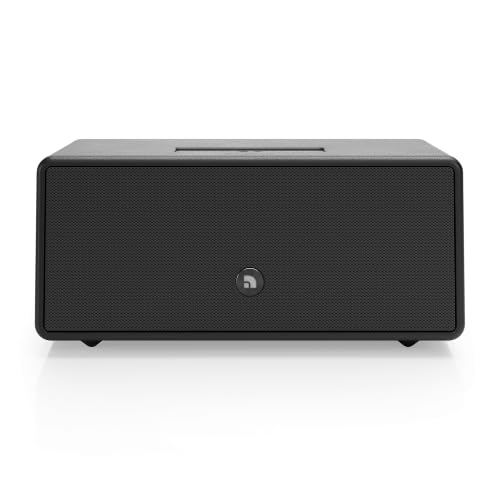


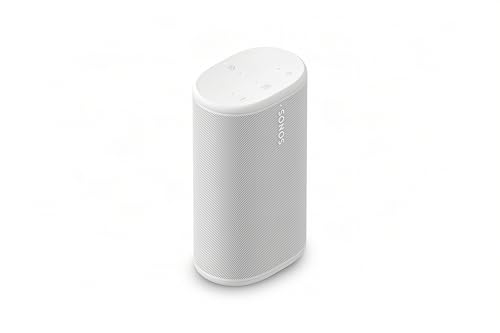
Airplay Enabled Speakers 101: The Basics
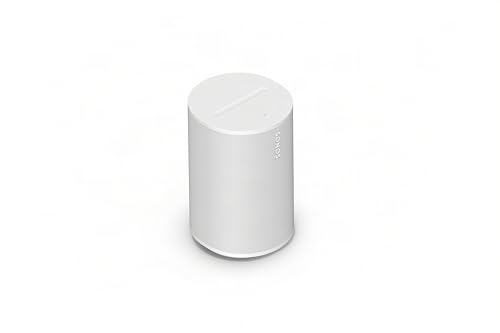
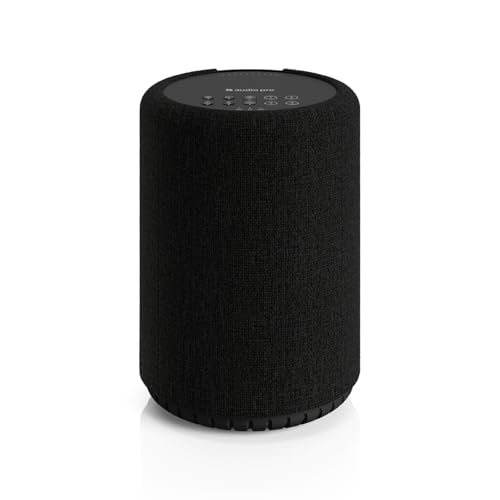
An AirPlay enabled speaker connects to your home WiFi and receives audio sent from an iPhone, iPad, Mac, or Apple TV. You tap the AirPlay icon in an app, choose the speaker, and the music plays there while your phone stays free for calls and other tasks. Because the stream travels over WiFi, range covers your home rather than one room, and audio quality is generally higher than a basic Bluetooth link.
Many models also include Bluetooth for use away from home WiFi, plus a voice assistant or app control in some cases. AirPlay 2, the current version, adds multi room grouping, so several compatible speakers can play the same song in sync. Start by reading our overview of the best airplay speakers if you want the wider category view, then return here for the term by term grounding.
Key Specs Explained in Plain English
Listings repeat the same handful of specs. Here is what each one means, and the level a first time buyer should look for.
Sound Quality and Tuning
Drivers are the small cones that make sound. Larger drivers and a larger enclosure usually mean fuller bass and clearer volume, while a single small driver suits podcasts and background music. Frequency response describes the range from low to high notes, but makers measure it loosely, so treat it as a rough guide. Tuning is the maker chosen balance. A neutral tuning keeps vocals natural, while a bass forward tuning feels exciting and can overwhelm small rooms. For a first speaker, balanced tuning in a mid sized enclosure is the safest starting point.
Durability and Water Resistance (IP Rating)
The IP rating tells you how well a speaker resists dust and water. The first digit covers dust and the second covers water, and an X means that side was not rated. IPX4 shrugs off splashes and suits a kitchen or bathroom shelf. IP67 can handle dust filled workshops and brief drops in water, which suits gardens and pool decks. Home only speakers often carry no rating at all, and that is fine if they will never leave a living room. Match the rating to the riskiest place you will actually use the speaker.
Noise Cancellation and Isolation
This term causes the most confusion for new buyers. Active noise cancellation belongs to headphones, where microphones and processing quiet the world around your ears. A speaker playing into a room cannot do that, so any speaker listing that promises cancellation deserves skepticism. What a good speaker can do is play clearly at low volume, so you do not need to raise it over household noise, and hold together without distortion when you do turn it up. Judge that clarity in owner feedback about dialogue and vocals.
Battery Life and Charging
Plug in speakers have no battery and suit a fixed spot at home. Portable models quote play time in hours, usually measured at moderate volume, so expect less at party levels. For a speaker that moves between rooms and the yard, fifteen hours or more gives you a full day without planning around a charger. USB C charging is the current standard and lets you share cables with a phone or laptop. Fast charge claims, such as a short charge giving a few hours of play, help forgetful owners more than raw capacity alone.
Comfort, Fit, and Weight
For a speaker, comfort means how easily it fits your space and your hands. A compact model suits a desk or a small shelf, while a heavier home speaker stays planted and sounds fuller. Check the footprint against your shelf depth, and the weight against how often you will carry it. Controls matter too. Clear top buttons you can use without an app, including volume and play pause, save daily frustration. If voice control is part of your plan, compare options in our guide to the best alexa enabled speakers as an alternative ecosystem.
Rookie Mistakes to Avoid
- Buying for Bluetooth only. A speaker can be wireless without having AirPlay, so confirm AirPlay or AirPlay 2 by name in the spec list before you pay.
- Chasing watt numbers. Watt claims are measured so differently between brands that they cannot guide you. Enclosure size and driver count tell you more.
- Ignoring your WiFi. AirPlay needs a stable home network. A speaker placed far from the router, behind thick walls, may drop out no matter how good it is.
- Forgetting multi room rules. Grouping works across AirPlay 2 speakers, even from different brands in many cases, but older AirPlay only models may not join a group. Check the version if you plan to expand.
- Skipping the return check. Sound is personal and rooms differ. Buy from a seller with a fair return window and listen in your own room early.
Getting Started: Setup and First Use
Setup for most models follows the same calm pattern. Place the speaker where it will live, plug it in or charge it fully, and add it through the WiFi setup prompt on your iPhone or through the maker app. Give it a clear room based name, since you will speak or tap that name every time you cast. Play a familiar song at low, medium, and high volume, and move around the room to hear how placement changes the bass.
Keep firmware updated through the app, because updates fix connection bugs and add AirPlay improvements. If the speaker is portable, store it in a case or on a shelf where it will not fall, and keep the charging cable with it. For a second room later, the path we outline in our guide to the best airplay 2 speakers shows how grouping expands your setup, and outdoor listeners can extend the same idea with the best outdoor airplay speakers when the yard becomes part of the plan.
Frequently Asked Questions
Do I need a special codec for AirPlay enabled speakers?
No, you do not need to buy or install any codec. Your Apple device and the speaker handle the connection on their own once they share a WiFi network. Codec names you may see in listings, such as AAC or SBC, describe how Bluetooth audio is compressed when you use Bluetooth instead. For AirPlay listening at home, which is the main use for these speakers, codec choice will not affect your setup steps at all.
Is ANC worth the extra cost on an AirPlay speaker?
No, because active noise cancellation does not work as a speaker feature for a room. If a listing charges more for cancellation language on a speaker, that money buys you nothing you can hear. Spend it instead on a larger enclosure, longer battery life, or a second speaker for another room. Those upgrades produce differences you will notice every day, unlike a headphone term copied into a speaker listing.
How long does the battery last on AirPlay enabled speakers?
Plug in home models have no battery limit, while portable models usually play for about ten to twenty hours at moderate volume. Streaming over WiFi with AirPlay uses more power than Bluetooth playback, so a portable speaker used mainly on AirPlay may land near the low end of its quoted range. Volume is the biggest factor you control. Dropping from full volume to a comfortable level can add hours of play.
Wired or wireless: which sounds better for a first speaker?
Wireless sounds more than good enough for a first speaker, and the freedom to place it anywhere usually matters more than a tiny quality difference. AirPlay over WiFi is the higher quality wireless path at home, while Bluetooth serves you away from your network. Some home speakers add an aux input, which is handy for a turntable or an older device. If a seller pushes expensive cables as essential, that is a cost you can safely skip.
What IP rating do I need for outdoor use of an AirPlay speaker?
For a covered porch, IPX4 splash resistance is usually enough. For open yard, pool, or beach use, look for IP67, which covers dust and brief immersion, and remember to close any port covers before exposure. One practical catch is that AirPlay needs WiFi, so outdoor AirPlay use depends on your network reaching the yard. Many owners use Bluetooth outside and AirPlay inside, getting the best of both connections.
Final Thoughts
For your first purchase, confirm true AirPlay 2 support, pick a size that fits the room, and choose plug in power for a fixed spot or a solid battery for a mover. Those three decisions carry most of the result. When you review the product table above and other ecosystem options such as the best speakers for apple airplay, judge the best airplay enabled speakers by how simply they will play your music on day one and on day one hundred.