
Best Airplay 2 TVs: Every Type Explained Side by Side for 2026
Disclosure: We may earn a commission when you buy through links on this page, at no extra cost to you. As an Amazon Associate I earn from qualifying purchases. Learn more
Compare the best airplay 2 tvs by panel type, gaming features and size, from OLED to large screen sets, and match one to your room.
Almost every midrange and premium TV now lists AirPlay 2, yet picture quality, gaming strength, and price vary enormously between types. This guide to best airplay 2 tvs compares each type clearly, so you can match a panel and a size to your room and your Apple devices. Use the comparison table below to scan screen sizes, panel types, and prices, then read on for what those labels mean in daily use.
AirPlay 2 itself works much the same across brands. What changes your experience is the TV around it, from contrast and brightness to how smoothly it handles games and sports.


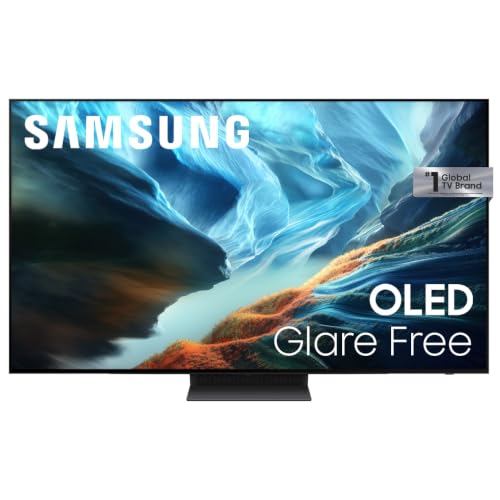

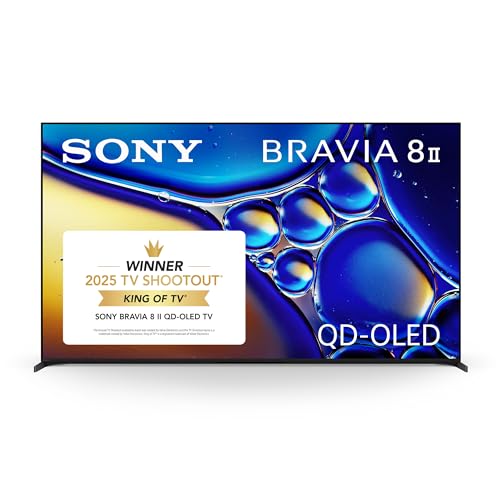
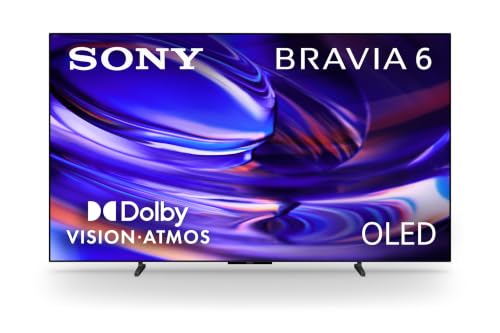
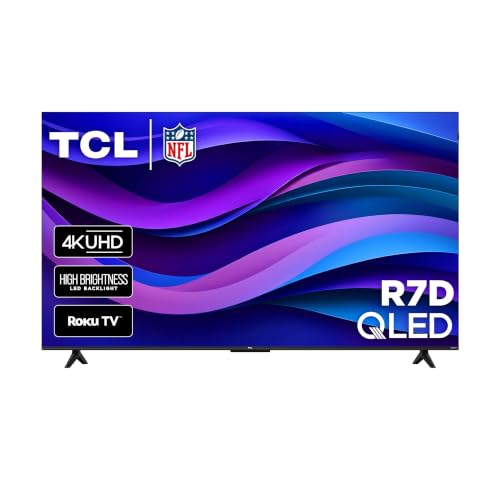

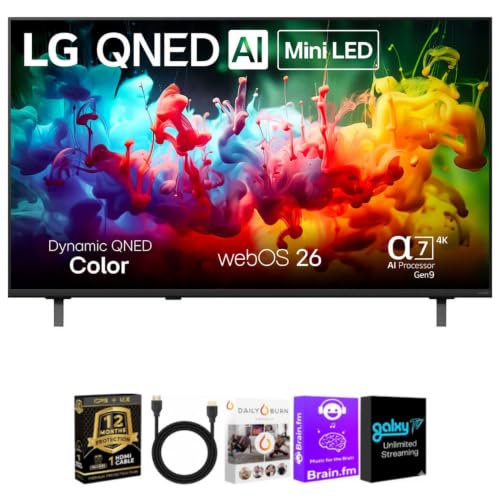
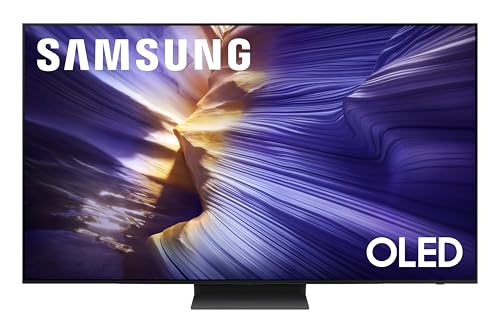
Types of Airplay 2 TVs Compared
Start with the type, not the brand. Each category below suits a different room, budget, and viewing habit. Typical prices run from around $300 for smaller LED models to around $2,500 or more for large OLED sets, with gaming focused and large screen options spread across that range.
OLED Displays
OLED panels light each pixel on its own, so blacks are truly black and contrast looks striking in a dim room. Movies and prestige dramas gain the most, with shadow detail that LED sets struggle to match. Viewing angles stay wide, which helps when seats spread across the room. The trade offs are price, more modest brightness in sunny rooms, and a small risk of burn in if the same static image sits on screen for many hours daily. Choose OLED if picture quality in controlled light is your top priority and your budget allows it.
Gaming Displays
Gaming focused TVs pair a fast panel with HDMI 2.1 ports, variable refresh rate, and auto low latency mode, so consoles can deliver smooth 120Hz play where games support it. Input lag stays very low, and motion looks clean during fast camera turns. Picture tuning may favor punch over perfect accuracy, and the best gaming features often start at 55 inches and above. If you play modern consoles several nights a week, this type gives you the features you will actually feel. Casual players can save money elsewhere.
Productivity and Large Living Room Displays
Some buyers use a TV as a giant monitor for work presentations, photo editing with family, or shared documents, and AirPlay 2 makes sending a laptop screen simple. For that role, look for clean text rendering, a matte or low glare finish if windows are near, and a size that keeps text readable from your seat. LED panels with good brightness suit bright multipurpose rooms well. Color accuracy matters more than extreme contrast here. This type also overlaps with everyday family TVs that must handle news, sports, and streaming without fuss.
Large Screen Options
Screens of 75 inches and above turn movies and sports into an event, and AirPlay 2 photo and video sharing feels far more social at that scale. You will need viewing distance to match, roughly eight to ten feet or more for comfortable 4K viewing, plus a stand or wall mount rated for the weight. Brightness and screen uniformity matter more as size grows, since flaws are easier to see. Prices climb steeply, and delivery and setup become two person jobs. Choose this type for a dedicated media room or a large open living space.
OLED Displays vs Gaming Displays: Which Should You Choose?
These two types overlap in price, so decide by your main use. For contrast and movie realism in a dim room, OLED wins clearly. For console response, 120Hz support, and features such as variable refresh rate across more ports, gaming focused LED or OLED models win. Brightness favors LED gaming sets in sunny rooms. Burn in risk is a real, if modest, point for OLED with heavy static content such as news tickers or a fixed game interface. Cost per inch often favors LED. If you split time evenly, a gaming capable OLED covers both needs at a premium price, a pattern also visible across the best tvs of all time where flagship sets tend to merge both strengths.
How to Choose the Right Airplay 2 TV
Once you know your type, four checks narrow the field fast. Work through them in order and ignore features that do not serve your room or your devices.
Panel Technology
OLED gives perfect blacks and wide angles, with lower peak brightness and a burn in caution. VA panels give strong contrast and good value, with narrower viewing angles. IPS panels give wide angles and weaker blacks, which suits bright rooms with spread out seating. Mini LED improves LED brightness and local dimming control, narrowing the gap with OLED for movies while staying strong for sports in daylight. Match the panel to your light first. A great panel in the wrong room will disappoint you daily.
Adaptive Sync and Gaming Features
If you game, confirm HDMI 2.1 on at least one port, and ideally on the port your console will use alongside a soundbar. Variable refresh rate smooths frame rate dips, and auto low latency mode switches the TV into game mode without menu digging. Support names such as FreeSync matter mainly for PC and Xbox play. For streaming only households, these features add little, so do not pay a premium for them. Gamers comparing Apple focused setups may also check our guide to the best tvs for airplay for casting specific notes.
Refresh Rate and Response Time
A native 120Hz panel shows sports and games with cleaner motion than a 60Hz panel, and it accepts 120Hz signals from modern consoles. Beware marketing numbers that double or inflate the native rate. Response time affects blur behind fast objects, though most current sets handle normal viewing well. For movies and news alone, 60Hz remains perfectly watchable, and the money saved can go toward a larger size or better sound. Let your content, not a spec sheet, set this priority.
Smart Platform and Sound
AirPlay 2 handles Apple casting, but the built in platform still runs your daily apps. Check that your services are present, that the interface feels responsive, and that software updates arrive regularly. Built in TV sound is often thin, especially for dialogue, so budget for a soundbar if movies matter to you. If your audio setup centers on Apple speakers, our guide to the best airplay 2 speakers explains multi room options, while the broader best tvs for apple airplay guide covers Apple ecosystem fit in more depth.
How to Make Your Airplay 2 TV Last Longer
Calibrate the picture once and then leave it alone. Turn off vivid mode, which overdrives brightness and color, and choose a movie or filmmaker style preset for accurate, gentler settings. On OLED sets, run the built in pixel refresh when the TV prompts you and vary content if you watch one channel for hours. Clean the screen only with a dry or barely damp microfiber cloth, never with household glass spray. Keep vents clear, use a surge protector, and install firmware updates, which often fix AirPlay connection bugs as well as picture issues.
Airplay 2 TVs: Your Questions Answered
How long do Airplay 2 TVs last?
Most current TVs last about seven to ten years of typical home use before brightness, backlight wear, or aging software makes replacement appealing. OLED panels can show gradual brightness change over a similar span. Software support often ends before the panel fails, which matters for built in apps, though an external streaming box can extend useful life. Good ventilation and moderate brightness settings help any panel age more gracefully.
Does refresh rate matter for non gamers?
It matters less, but it is not meaningless. Sports fans notice smoother motion on a native 120Hz panel, and film can look more natural with good motion handling. For news, dramas, and casual streaming, a 60Hz panel still looks fine, especially in smaller sizes. If your budget forces a choice, non gamers usually gain more from a larger screen or better contrast than from a higher refresh rate alone.
IPS vs OLED: which is better for an AirPlay 2 TV?
OLED is better for contrast, black levels, and viewing angles in dim rooms, which is why movies look richer on it. IPS is better for bright rooms where its wide angles and lower cost help, and there is no burn in concern with static content. Neither changes how AirPlay 2 itself works. Choose by room light and content first, and the panel decision usually makes itself.
What size AirPlay 2 TV should I get for my room?
For 4K sets, sit roughly one to one and a half times the screen diagonal away, measured in the same units. That puts a 55 inch TV at about five and a half to seven feet, and a 65 inch TV at about six and a half to eight feet. Measure your actual seat distance before ordering, and check doorways and stair turns for delivery. A slightly smaller set that fits the room well beats an oversized set you must watch uncomfortably close.
Is 4K worth it on an AirPlay 2 TV?
Yes, for almost every buyer now. 4K is the standard resolution across worthwhile sizes, streaming services supply plenty of 4K content, and photos and videos sent by AirPlay look sharp on it. At very small sizes or long viewing distances the gain over 1080p shrinks, but pricing has moved so far that 4K rarely costs much extra. Spend your decision energy on panel type, size, and brightness instead.
Our Verdict
Pick your type by room and habit, confirm the panel suits your light, and size the screen to your seating. Those choices matter far more than small spec differences. As you compare the product table above, judge the best airplay 2 tvs by how each set will look from your couch with your content, and let AirPlay 2 serve as the easy casting layer it was designed to be.

