
Best Airline Travel Pillows at Every Price in 2026: What Your Money Really Gets You
Disclosure: We may earn a commission when you buy through links on this page, at no extra cost to you. As an Amazon Associate I earn from qualifying purchases. Learn more
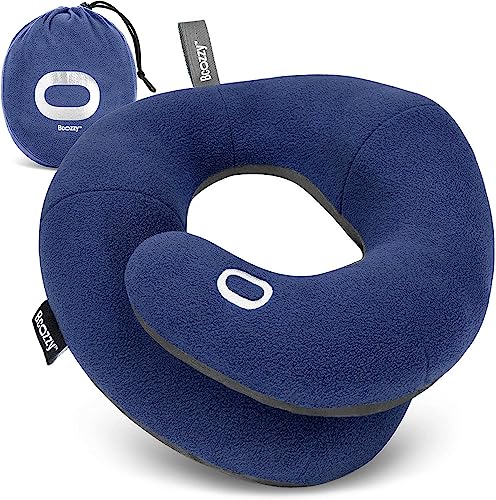
The best airline travel pillows by price tier: what each step buys in support shape, fill, covers and pack size.
Airline travel pillows sell for the price of a coffee and for the price of a checked bag, and the listings rarely explain what the extra money buys. Shape, fill and cover quality change a great deal across that spread. This guide walks the price ladder step by step, so you can see where spending helps and where it stops helping. If you are comparing the best airline travel pillows before a long flight, the product table shows the range of options, and the sections below explain how the main classes differ.
Set expectations first. A travel pillow is a comfort accessory that supports your head while you sit upright in a narrow seat. It does not turn an economy seat into a bed, and it is not a treatment for neck or back conditions. Fit also varies with your neck length, your height and the shape of the seat, so the same pillow can feel perfect to one traveler and bulky to the next.




The Three Fill Classes Behind Every Price Tag
Every pillow in this market belongs to one of three fill classes, and each class appears at several prices. Price mostly changes the quality inside the class, not the class itself. Travelers who want the wider cabin picture can also read our guide to the best airline pillows alongside this one.
Wrap Around Memory Foam Classes
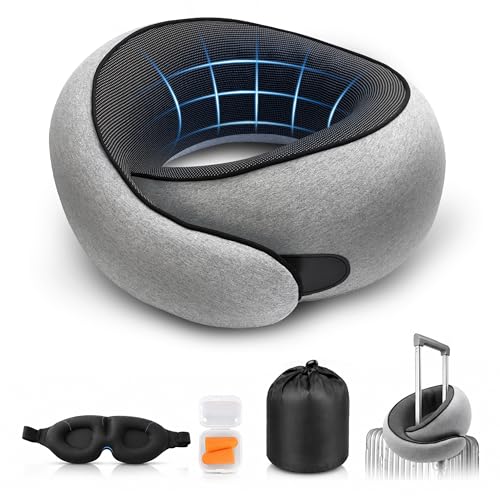
These pillows form a deep U shape that wraps the jaw and both sides of the head, and they are the class most people picture. Foam grades inside the class vary a lot: denser foam holds its shape through a long flight, while soft cheap foam flattens within an hour. Memory foam also holds warmth, which some travelers love in a cold cabin and others find stuffy. This class gives the most support per flight, at the cost of the largest packed size.
Inflatable Classes That Adjust and Pack Flat
Inflatable pillows let you set firmness by adding or releasing air, and they fold nearly flat when deflated, which makes them the easiest class to carry. Better valves seal without slow leaks and let you fine tune pressure with one press. Inflate yours about three quarters full before takeoff, because cabin pressure changes can make a fully inflated pillow feel rock hard at altitude. The trade off is a slightly less cradled feel than foam and a faint crinkle when you shift position.
Microbead and Soft Fill Classes
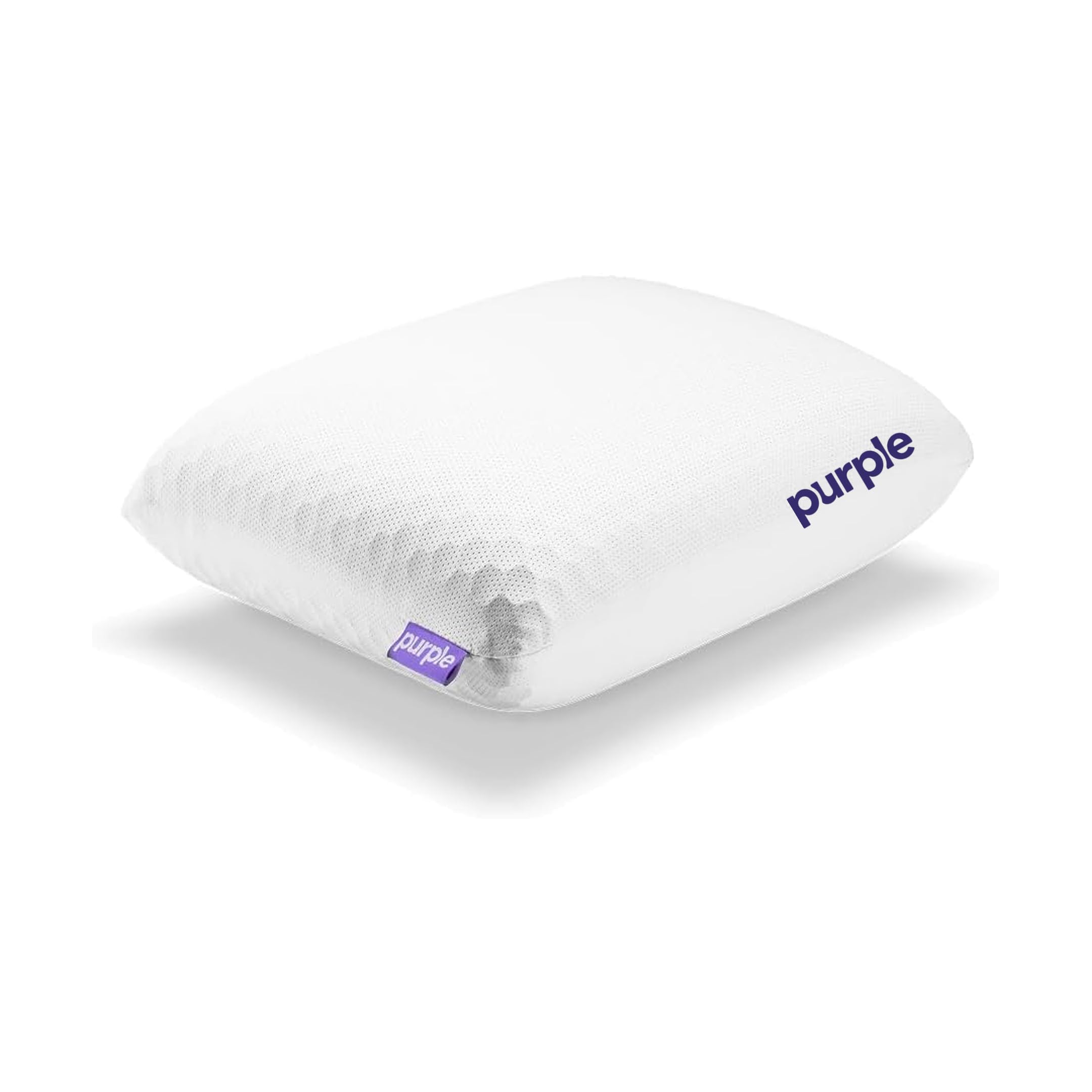
Microbead pillows are the honest bottom of the market: light, cheap and squashable into odd corners of a bag. The beads shift as you lean, so support comes and goes, and it fades further as the beads compress with age. Soft fiber fill versions feel like a small cushion and suit travelers who lean against the window more than they sit upright. For a short hop this class is fine, but most travelers outgrow it quickly on an overnight flight.
Best Airline Travel Pillows: What Your Money Gets You at Each Price Tier
The product table covers a spread of prices and classes. Here is what each step on the ladder actually adds, and who should stop climbing.
Budget Tier: The Honest Basics
For about $10 to $20 you get microbead pillows and simple inflatables with thin covers that usually do not come off for washing. Seams are basic, valves can be fiddly, and support is modest. This tier suits an occasional traveler on flights under three hours, or someone trying out whether a travel pillow helps them at all. Think of it as a trial purchase, not a long term one.
Middle Tier: Where Support Geometry Arrives
For about $20 to $40 the money buys shape: memory foam molded with taller sides and real chin support, or inflatables with proper valves and a soft removable cover you can wash. This is the step most travelers actually feel, and frequent flyers comparing options in our guide to the best travel pillows for planes will see the same pattern. If you fly a few times a year, this tier is usually where value peaks.
Top Tier: Fit Details and Better Covers
For about $40 to $70 you get denser foam or mixed fills, adjustable closures that tune the wrap to your neck, breathable cover fabrics and a compression case that shrinks the pillow for packing. The gains are fit details and durability, not a different category of sleep. This tier suits very frequent flyers and travelers with long overnight routes who already know the basic shape works for them. Everyone else can stop one tier down.
Features Worth Paying For (and Ones to Skip)
Some upgrades change every flight, and others only change the listing. These are the features to weigh, in the order they matter.
Chin and Side Support Geometry
Geometry decides whether your head drops forward as you doze, and it is the feature worth paying for first. Tall side walls hold the head upright, and a raised front or a closure strap stops the forward nod that wakes most seat sleepers. Check the pillow against your seat as well: large wings on an airline headrest can push a bulky pillow forward. A slimmer pillow that fits your seat beats a huge one that fights it.
Washable Covers and Hygiene
A pillow travels through security bins, cabin floors and overhead compartments, so a removable cover you can machine wash is a genuine hygiene feature, not a luxury. The foam core itself usually cannot be washed, which makes the cover the only washable layer. A spare cover is worth having if you fly often, because the main one can dry at home while you travel. Skip any design whose cover is sewn shut.
Pack Size Against Your Personal Item Space
A pillow that cannot shrink will eat the space under the seat in front of you. Compressible foam with a stuff sack and inflatables that fold flat both solve this, while a full size foam pillow often ends up clipped outside the bag. Clipping it outside keeps your personal item space free for everything else. Weight matters less than volume here, but a heavy pillow does make itself known on long walks through terminals.
Cooling Claims and Breathable Covers
Gel layers and cooling panels are the easiest feature to oversell. A thin gel sheet adds weight and gives a cool first touch that fades within minutes, while a breathable knit cover helps quietly for the whole flight. Warm sleepers should pay for airflow in the cover fabric rather than gel in the core. If cooling claims headline a listing and the cover is plain polyester, skip that upgrade and spend the difference on shape.
Certifications on Cover Fabrics
Marks such as OEKO TEX on a cover mean the fabric was screened for harmful substances, which is a sensible check for something pressed against your face for hours. Foam certifications serve the same purpose for the core. These marks say something real about materials and nothing about comfort, so treat them as a safety filter after shape and fit pass, not as a reason to buy. If a listing shows no certification at all, that is a small mark against it.
Picking the Right Pillow for Your Flight Pattern
Flight length changes the answer more than brand does. A two hour hop forgives almost any pillow, while an overnight crossing is where the best airline travel pillows earn their price, because small fit flaws compound over hours. Match the class to your longest typical flight, not your shortest.
Best Pillows for Airline Travel: Where Your Money Goes
On a plane your money goes to three things: shape that survives an upright seat, a cover you can wash after every trip, and a packed size that respects the personal item limit. Spend on those before anything decorative. Travelers building a full sleep kit can compare route and seat advice in our guide to the best travel pillows for flying, then choose the pillow class that matches it.
Window, Middle and Aisle Seats Change the Fit
Your seat assignment quietly reshapes what works. Window travelers lean sideways against the cabin wall, so a softer or inflatable pillow that fills the gap between head and wall often beats a rigid wrap. Middle seat travelers have no wall and no aisle, so the full wrap around shape with chin support earns its keep there. Aisle travelers get bumped by carts and passing passengers, and a slimmer pillow that stays inside the seat outline saves them repeated knocks. If you rarely know your seat in advance, the adjustable inflatable class is the safest all round compromise.
Long Term Costs to Factor In
The purchase price is not the whole cost. Memory foam slowly tires and stops springing back, and most pillows earn replacement after a few years of regular flying rather than lasting forever. Inflatable valves are the usual failure point at the cheaper end. Add a spare cover at about $10 to $15 if you wash yours often, and store the pillow uncompressed at home so the foam rests at full loft between trips, since a pillow stored squashed in a hot car ages fast.
Airline Travel Pillows: Your Questions Answered
Short answers to the questions travelers ask most, with more route coverage in our guide to the best travel pillows for flights.
How do I wash an airline travel pillow safely?
Remove the cover and machine wash it on a gentle cycle, then air dry it fully before the next trip. Most foam cores should only be spot cleaned with a damp cloth, because soaking foam takes days to dry and can leave a mildew smell. Wash the cover before the first use as well, since new fabrics carry a factory smell. Never pack a pillow away damp. Always follow the manufacturer's care instructions.
Are cooling airline travel pillows worth paying extra for?
Only in a narrow sense: a breathable cover helps warm sleepers, but heavy gel cores rarely justify their price or weight. The cool touch of gel fades quickly once the pillow warms to your skin. A lighter pillow with a knit cover and a spare fresh cover for the return leg usually serves hot sleepers better. Spend the cooling money on shape first.
How often should I replace my airline travel pillow?
Replace it when the support changes: foam that stays flattened after a night of rest, beads that feel thin and crunchy, or a valve that slowly leaks. For regular flyers that is often every two to three years of use. Try an aging pillow on the sofa before a big trip rather than discovering its decline at altitude. A pillow that still springs back evenly is fine to keep.
Does a bigger travel pillow always support your head better?
No, bigger often supports worse on a plane. An oversized pillow pushes against the headrest wings and shoves your head forward, which is the opposite of support. Fit depends on your neck length and the seat, so a compact pillow matched to both can outperform a bulky one. If a pillow only feels right when the seat reclines a long way, it is the wrong size for economy flying.
What firmness should I choose if my back hurts on flights?
Choose firmness by comfort and fit alone, since a travel pillow is not meant to treat back pain. It supports your head while you rest upright; it does not correct posture. Aisle seats that let you stand and walk during the flight usually help a stiff back more than any pillow change. If back pain is ongoing, ask your doctor before a long trip.
Final Thoughts
Across every tier, the best airline travel pillows share the same three traits: geometry that stops the forward head drop, a cover you can wash, and a packed size that respects your personal item space. Buy the budget tier to try the idea, the middle tier for shaped support that most travelers feel, and the top tier only when fit details and durability matter on frequent long routes. Check the product table once more before you order, and match the class to your longest flight.


