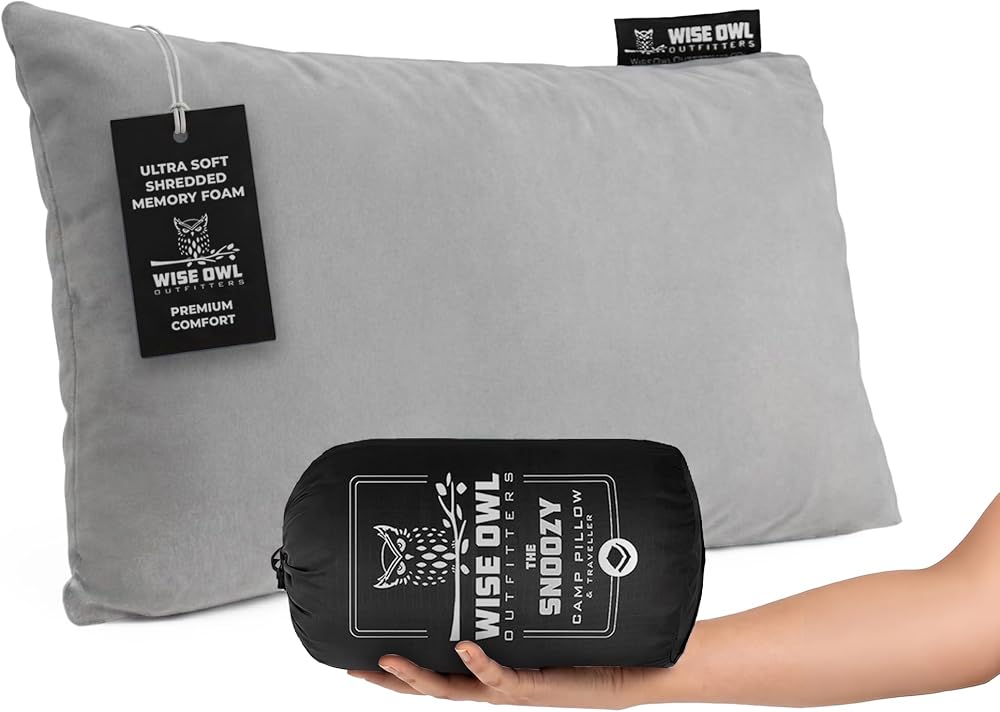
Best Airline Pillows for Every Budget in 2026
Disclosure: We may earn a commission when you buy through links on this page, at no extra cost to you. As an Amazon Associate I earn from qualifying purchases. Learn more
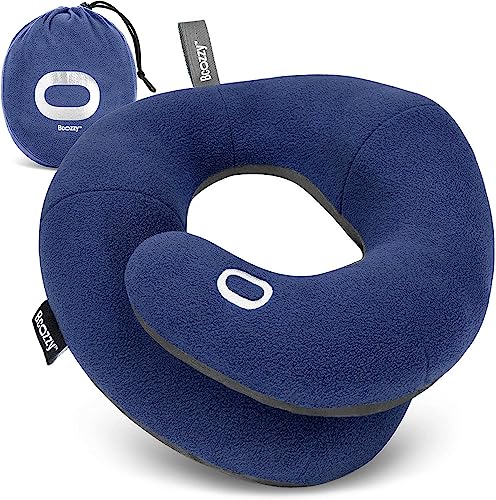
Best airline pillows balance support, pack size and price. Compare shape, fill and firmness to match how you sleep in a seat.
Cabin seats give you little room to get comfortable, so a good travel pillow has to support your head without taking over your bag. Best airline pillows come in many shapes, fills and price tiers, and the right choice depends more on how you sleep in a seat than on how much you spend. This guide compares options by spending level, shape and pack size so you can choose with confidence from the product table.
Think first about your usual flight. A short daytime hop calls for light support you can stash fast, while a long overnight flight rewards a fuller shape that keeps your head from dropping forward. Once you know your flight pattern, the price tiers below make much more sense.
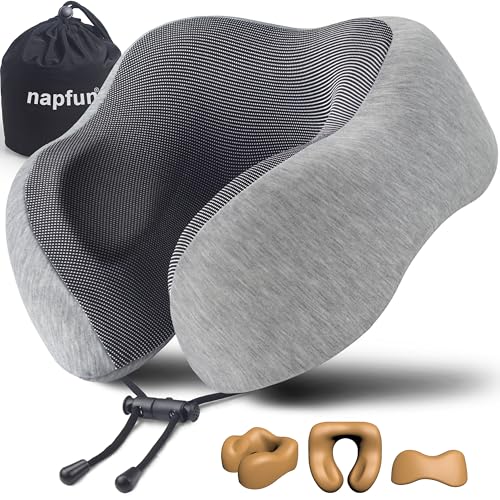
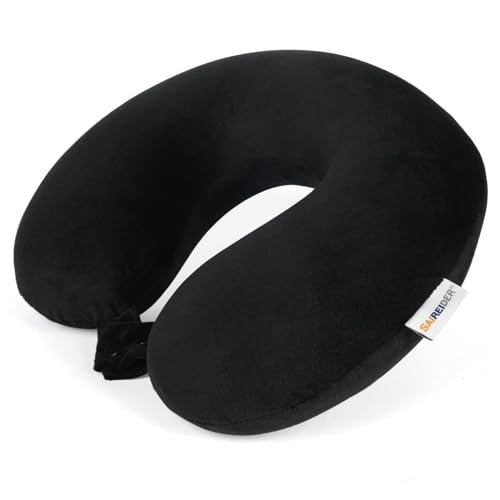
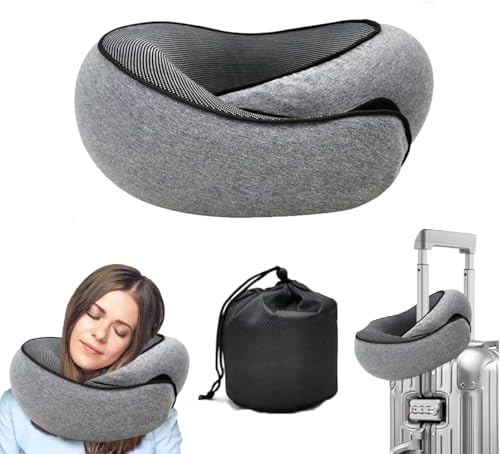
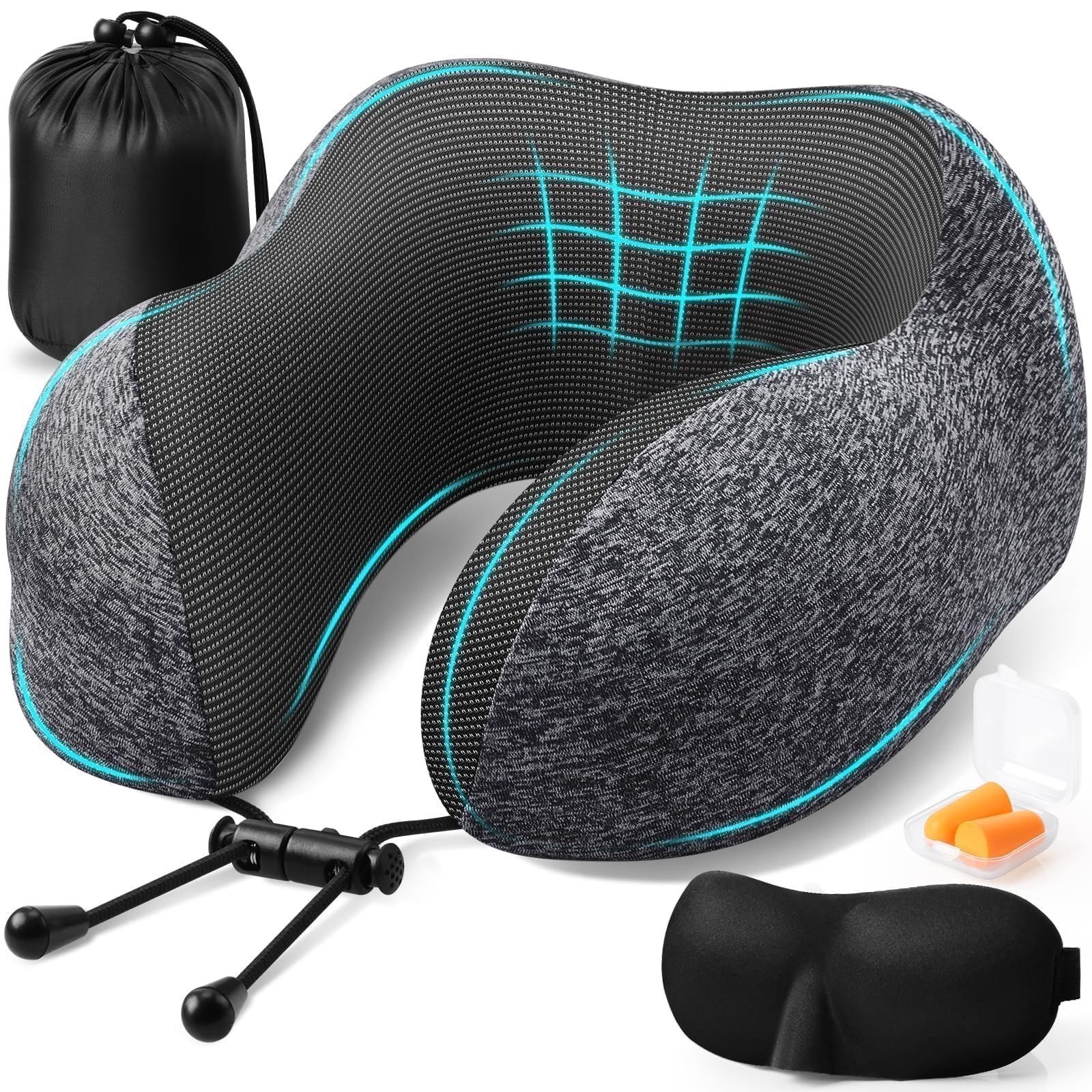


What Each Spending Level Buys You
Price alone does not tell you whether a pillow will suit you, but it does predict the materials, shape range and extras you are likely to find. Use the tiers below as a starting point, then judge each option by fit, firmness and packed size.
Low Cost Options Under About 25 Dollars
Low cost travel pillows are usually simple inflatable shapes or light foam rolls. They pack very small, weigh little and work well for short flights or occasional use. The trade off is thinner support, so check the shape carefully before you buy.
A shape that leaves a gap at the front of your neck may let your head fall forward when you doze off. Look for a secure closure and a cover you can remove and wash, since a pillow that travels often will need regular cleaning.
Mid Priced Options From About 25 to 60 Dollars
Mid priced travel pillows usually offer denser memory foam, better shaped neck support and softer, removable covers. Many include a carry pouch, a snap closure or a flat back that sits better against a headrest. This tier suits regular flyers who want reliable support without a bulky carry.
Pay attention to weight as well as size, because a heavy pillow can feel tiring on a long journey even when it packs neatly. If you fly often, this tier often gives the best balance of comfort and portability.
Higher Priced Options Above About 60 Dollars
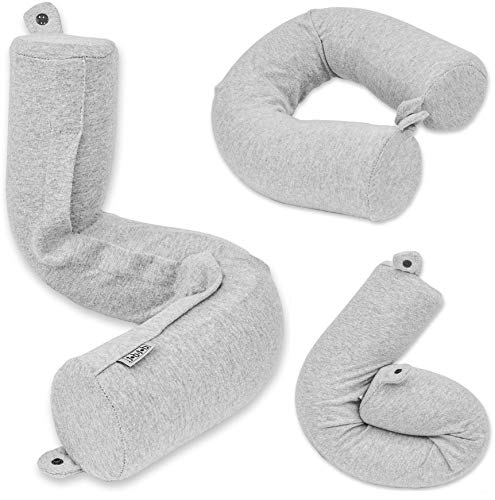
Higher priced travel pillows often add adjustable support, premium cooling covers, compression packing or clever shapes for side leaning. These extras can help on very long flights, but only if they match your sleep style. An adjustable pillow you never adjust is wasted money, and a wide shape that crowds your neighbor may cause more trouble than comfort. Before paying more, confirm the packed size, the washing instructions and the return policy, since comfort in a seat is hard to judge from photos alone.
Choosing the Best Airline Pillows for Your Flight
Short flights reward simplicity. A light, compact pillow that inflates or unrolls in seconds is easy to use and easy to stow when you land. You do not need deep support for a nap of an hour or less, so favor pack size and low weight over thickness.
Long overnight flights reward steadier support. Look for a shape that supports the chin and the sides of the neck, and a firmness that holds its shape for hours rather than flattening after the first hour. If you tend to lean against the window, a flatter side profile helps you rest without pushing your head forward. If you sit in the middle or aisle, a shape with front support matters more, because there is no wall to lean on.
Frequent flyers should also think about durability and cleaning. A pillow that keeps its shape after repeated compression will serve you better than a soft option that goes flat after a few trips. A removable, washable cover is a practical advantage for anyone who flies often, and a sturdy carry pouch protects the pillow between trips.
Features Worth Paying For and Ones to Skip
Not every feature earns its price. Judge each feature below by whether it solves a problem you actually have in a seat, not by whether it sounds impressive in a listing.
Neck Support and Shape
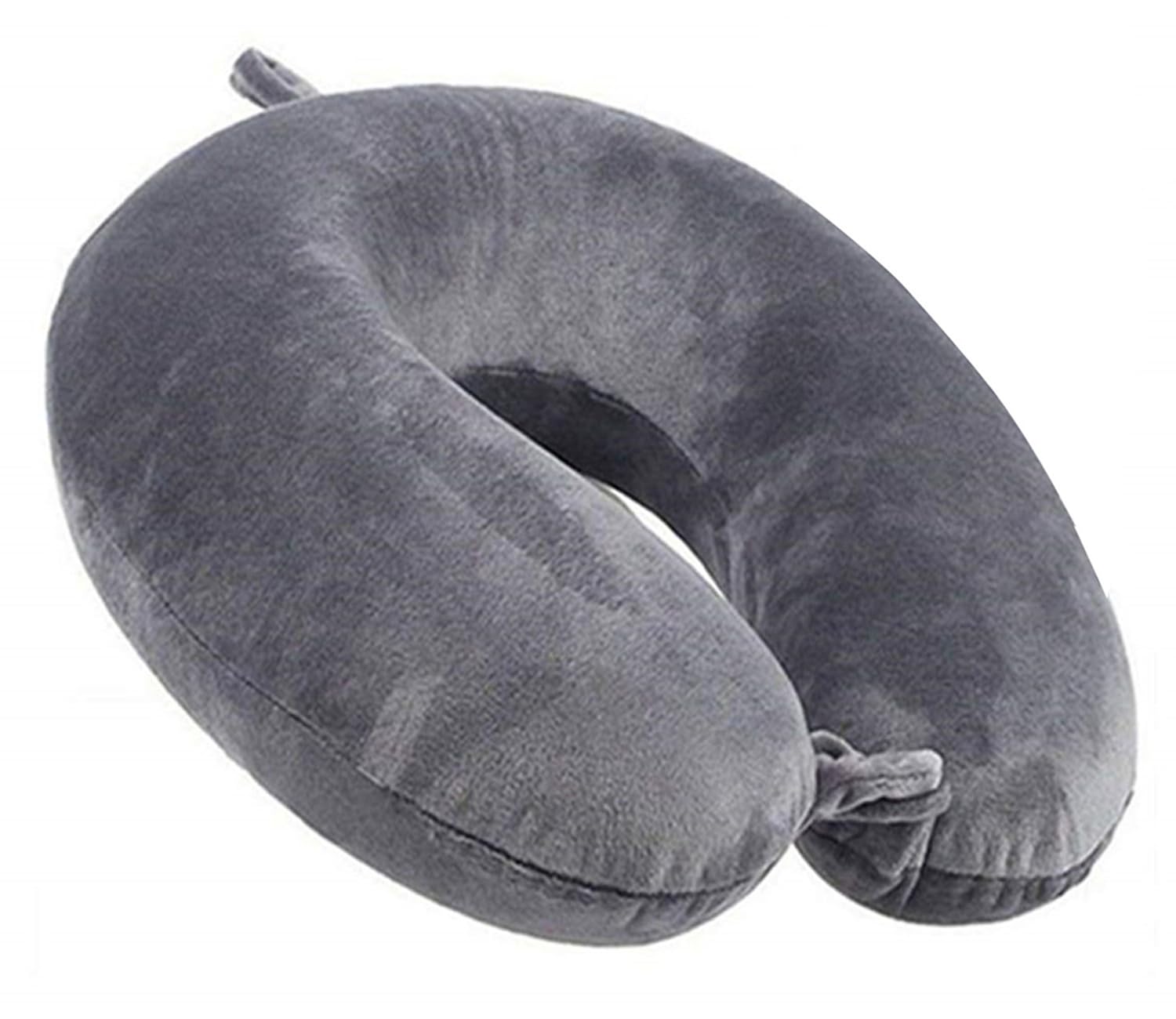
The shape matters more than the fill alone. A classic U shape supports the sides of the neck, while shapes with a raised front or a chin rest add forward support for sleepers whose heads drop. Side sleepers who lean against a window may prefer a flatter profile, while upright sleepers need support at the front and sides. For guidance on neck comfort in flight, see our guide to best pillows for sore neck for more on choosing support that matches how your head rests in a seat.
Fill and Cover Material
Memory foam holds its shape well and suits sleepers who want steady support, while inflatable fills pack smallest and let you adjust firmness by adding or releasing air. Down alternative and fiber fills feel softer but may flatten sooner on long flights. Covers matter too, because a breathable cotton or cooling cover feels more pleasant in a warm cabin than a slick synthetic shell. Check whether the cover is removable, since washing the cover is far easier than washing the whole pillow.
Pack Size and Weight
A pillow that is comfortable at home is useless if you leave it behind because it will not fit your bag. Compression pouches, roll up designs and inflatable shapes all help, but compare the packed size, not just the inflated size. For travel focused shapes and packing ideas, see our guide to best airline travel pillows alongside the pack size figures for any pillow you are considering. Light weight matters on long trips, especially if you carry the pillow around your neck through the airport.
Firmness and Sleep Position
Firmness should match how you sleep in a seat. Back sleepers in an upright seat need moderate support that keeps the head centered, while side leaners need a shape that fills the gap between head and shoulder. Very soft pillows feel pleasant at first but may let the head drift, while very firm pillows can press uncomfortably after an hour.
If you have ongoing neck pain, choose general comfort and fit rather than expecting a pillow to treat a condition, and ask your doctor if pain persists or worsens. For related neck comfort guidance, see our guide to best pillows for neck problems when comparing firmness levels for upright sleep.
Certifications and Care Labels
Certifications such as OEKO TEX and CertiPUR US relate to chemical limits in textiles and foam, and they can help you compare materials with more confidence. They do not guarantee comfort, so treat them as a bonus rather than a reason to buy. Read the care label before ordering, and favor covers and fills with washing instructions you can actually follow at home.
Long Term Costs to Factor In
The purchase price is only part of the cost. A washable cover saves money over time compared with a pillow you must replace when it gets dirty, and a durable shape that survives many trips costs less per flight than a cheap option that flattens quickly. Replacement covers, carry pouches and cleaning supplies add small costs, but they are usually modest. If you fly only once or twice a year, a simple low cost pillow may be the sensible choice, while frequent flyers often save by choosing a durable mid priced option once instead of replacing a weak pillow several times. Whatever your budget, the best airline pillows are the ones you will actually pack and use.
Airline Pillows: Your Questions Answered
How Do I Choose a Travel Pillow Size for an Economy Seat?
Choose a travel pillow that fits your seat width without pushing your shoulders forward or crowding your neighbor. Measure the space you can use by sitting upright and noting how much room sits between your head and the headrest, then compare that space with the pillow dimensions in its listing. A compact shape suits narrow seats, while a fuller shape suits wider premium seats. Also check the packed size, since a pillow that fits the seat but not your bag may still be left at home.
Are Inflatable Travel Pillows Comfortable Enough for Long Flights?
Inflatable travel pillows can be comfortable for long flights when you adjust the air level to match your neck and sleep position. A fully inflated pillow feels firm and supportive, while a slightly softer fill suits sleepers who shift often. The main drawback is that air can feel less stable than foam over several hours, so check the valve and closure before a long trip. Carry a small repair patch if the maker supplies one, and practice inflating and deflating the pillow at home so you are not learning the valve in a crowded cabin.
How Do I Clean a Travel Pillow After a Flight?
Clean a travel pillow by following its care label, starting with the cover if it removes. Most removable covers wash in a machine on a gentle cycle, while foam cores usually need spot cleaning and air drying only. Never soak memory foam unless the maker clearly allows it, since trapped water can damage the foam and leave odors. Air the pillow fully before packing it away, and store it in a clean pouch rather than a sealed plastic bag that traps moisture.
When Should I Replace a Travel Pillow?
Replace a travel pillow when it no longer holds its shape, when the fill clumps or flattens unevenly, or when the cover and seams show wear that cleaning cannot fix. Foam that stays compressed after a trip or an inflatable pillow that slowly loses air are both signs that support has faded. As a rough guide, frequent flyers may need a replacement sooner than occasional travelers, but judge by shape and support rather than by calendar alone. If neck discomfort appears with a worn pillow, try a fresh shape and ask your doctor if pain persists.
Do Cooling Covers Help Hot Sleepers in the Cabin?
Cooling covers can help hot sleepers feel more comfortable in a warm cabin, but they do not change the cabin temperature or guarantee cooler sleep. Breathable fabrics and covers that wick moisture tend to feel fresher than slick, non breathable shells, especially on long flights. The benefit is greatest for sleepers who wake feeling warm, and smallest for travelers in cool cabins or short flights. Pair a breathable cover with light clothing and a seat vent aimed away from your face for the most comfortable result.
Wrapping Up
Start with your flight pattern, then match shape, firmness and pack size to that pattern before you compare prices. A compact inflatable shape suits short trips, while a fuller foam shape suits long overnight flights, and a washable cover matters for anyone who flies often. Best airline pillows are the ones that support your head in your usual seat, pack into your usual bag and still feel comfortable after several hours, so check the picks in the product table against those three points before you order.