
Best Air Rowing Machine in 2026: Buying Guide for Home Training
Disclosure: We may earn a commission when you buy through links on this page, at no extra cost to you. As an Amazon Associate I earn from qualifying purchases. Learn more

The best air rowing machine fits your leg length, room and training style. Compare rails, capacity, monitors and noise.
Choosing an air rower sounds simple until you compare rail lengths, weight limits, monitor features and storage claims side by side. The best air rowing machine for you is the one that fits your body, your room and the way you like to train. The product table lists current options, and this guide covers the types and specs that separate them.
Air resistance has one quality that draws many people in. The harder you pull, the more resistance the fan creates, so a gentle warm up and a hard interval session can happen on the same machine with no dial to turn. This guide explains the types, the features that matter and the costs to expect.
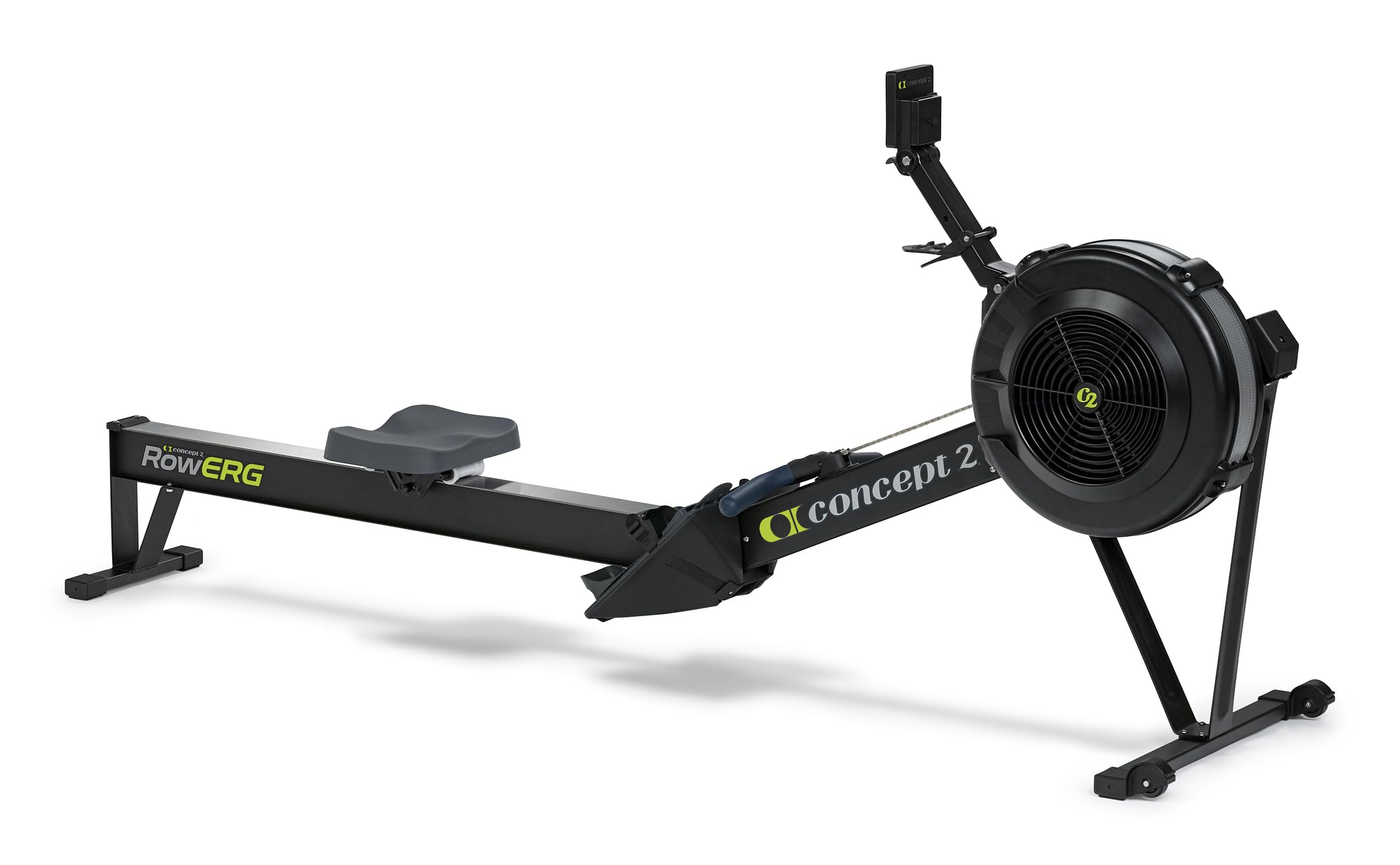

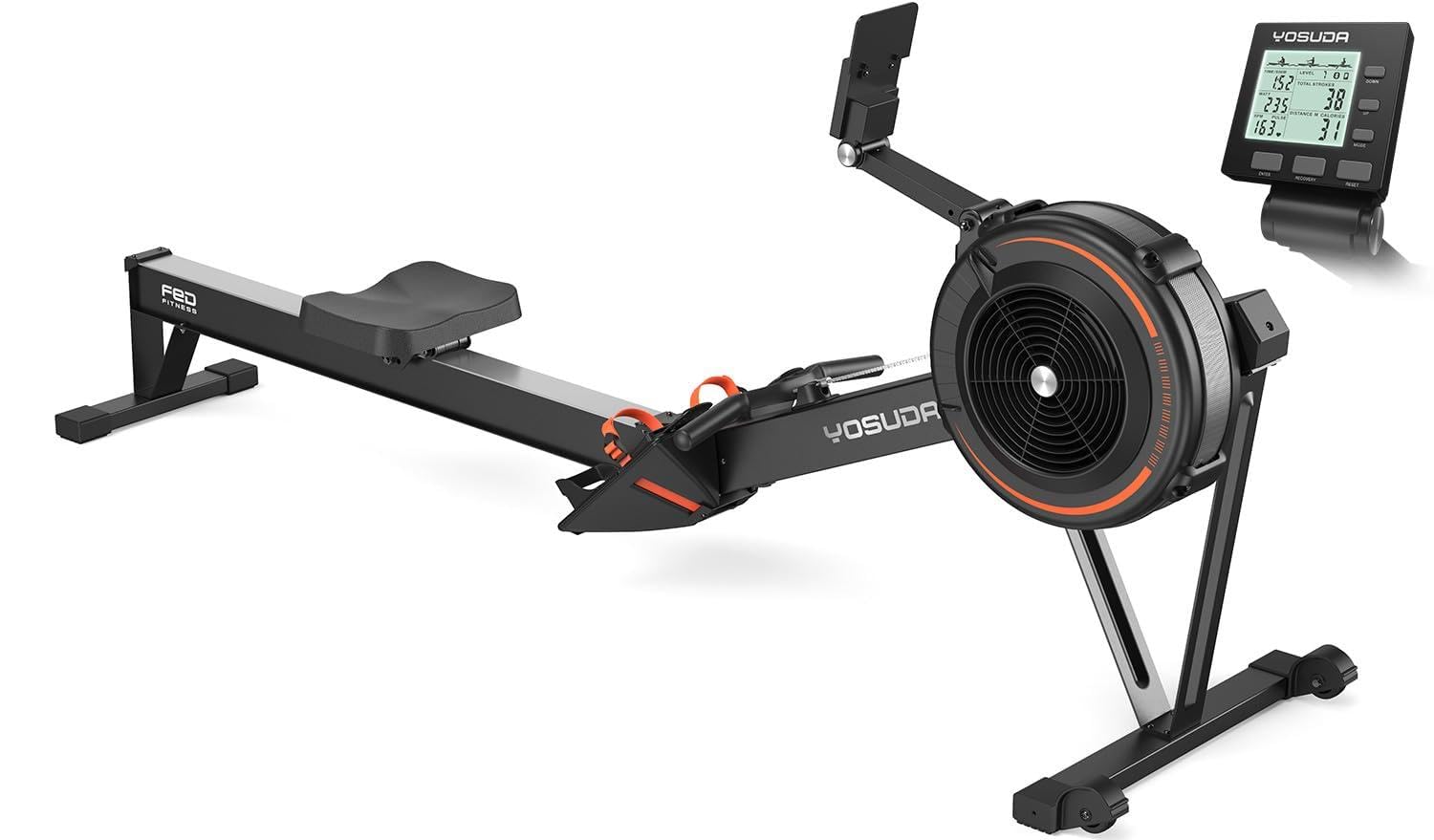

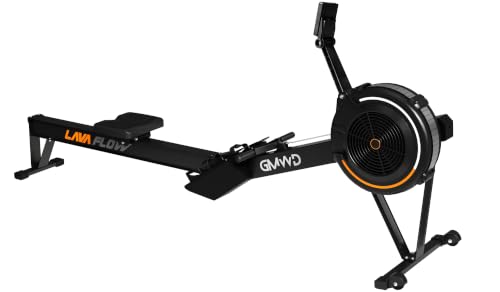
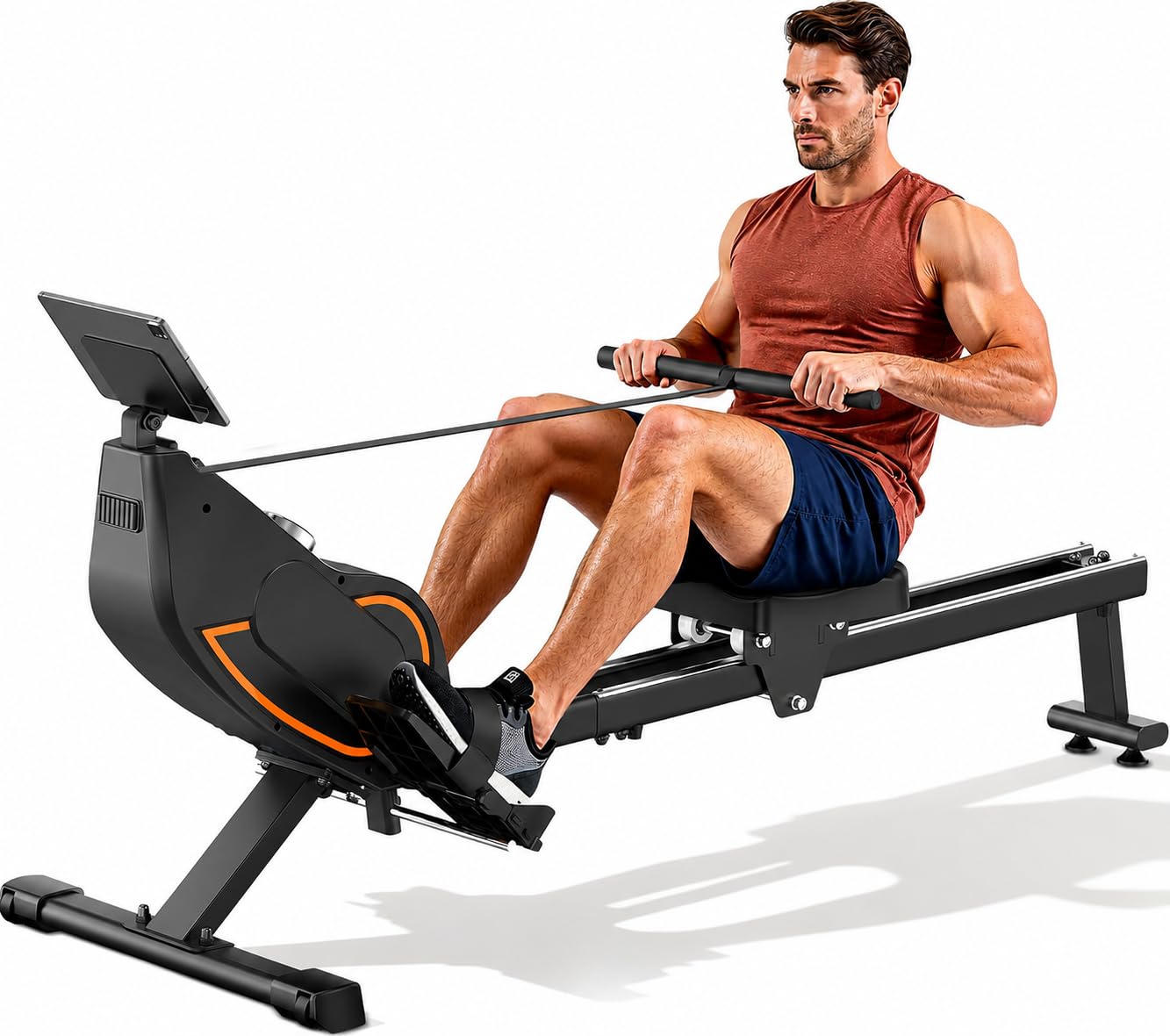

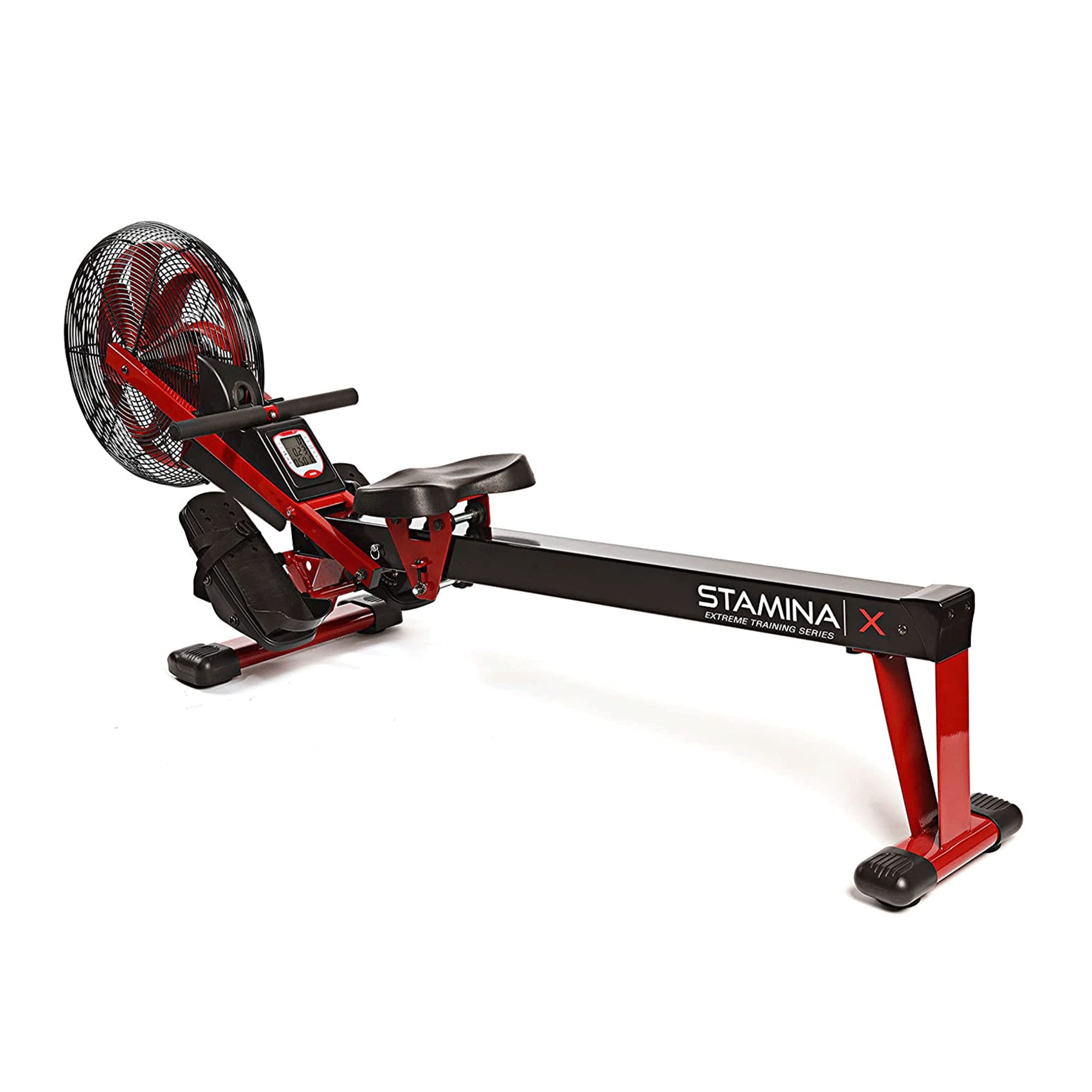

Air Rower Types at a Glance
Air rowers share the same basic design, a fan flywheel, a sliding seat and a handle joined by a chain or strap. The details around that design decide how a model feels and where it fits in your home. Three broad types cover most of what you will see while shopping.
- Standard rail models have a long rail, a tall monitor arm and a frame built for frequent hard use. They suit taller rowers and shared household use.
- Compact models shorten the rail and often fold or stand upright for storage. They suit smaller rooms, but you should confirm the rail still fits your leg length.
- Dual resistance models pair the fan with magnetic resistance. The magnet adds a base level of drag, which some rowers like for steady sessions at a calm pace.
If you are still weighing air against the other resistance styles, our guide to the best rowing machine compares the full field in one place.
Who Should Buy an Air Rower?
Home users who want training that scales with effort
Air resistance rewards good form, because a strong leg drive spins the fan faster and the stroke feels heavier at once. That makes one machine workable for several people in a home, each training at a personal pace. If your main training space is a spare room or garage, see our guide to the best rowing machine for home for room planning ideas.
Taller and heavier rowers
Your inseam and weight decide whether a rower feels roomy or cramped. Longer rails keep the seat from hitting the rear stop at full leg extension, and a higher weight capacity usually comes with a sturdier frame and wider seat. If you are near the top of a stated limit, choose the next frame class up rather than the closest match.
New rowers who want simple controls
An air rower needs no water filling, no power outlet for resistance and no app to start a basic session. You sit down, set the damper and row. That simplicity helps while you learn form, and our roundup of the best rowing machine for beginners covers the features that make early sessions easier to stick with.
How to Choose the Right Rowing Machine
Type
Air rowers use a fan, so resistance rises with your effort and the stroke has a lively, responsive feel. Water rowers use a tank and sound softer, magnetic models run quietly with set levels, and hydraulic models use small pistons on compact frames. Air suits you if you want an athletic feel and simple upkeep. It suits you less if you need near silent training or fixed resistance levels that repeat exactly from session to session.
Resistance feel and the damper
The damper lever on the fan housing opens or closes the airflow, and that changes how heavy each stroke feels at the catch. A low setting feels light and quick, while a high setting feels heavy and slow. The lever does not measure fitness, and most rowers train best in the middle range where form stays smooth. Look for a lever that moves in clear steps and stays put during hard intervals, because a lever that drifts mid session breaks your rhythm.
Space and footprint
Measure the full working length, not just the frame, because the seat slides back and your body extends behind the rail at the finish of each stroke. Leave clear space at both ends so you can mount the seat safely and step off without turning sideways. Some models separate into two pieces or stand upright, which cuts storage length a lot. Check the stored height against your ceiling and door frames before you rely on upright storage in a closet.
Weight capacity and build quality
Weight capacity reflects the whole frame, the rail, the seat rollers and the footplates working together. A steel rail and a wide stance tend to feel planted during hard pulls, while lighter frames can rock on uneven floors. Read the seat for wobble, the handle for a secure grip and the footplates for straps that hold your heels down. A longer warranty on the frame than on parts is common, and it tells you where the maker expects wear to show up first.
Monitor, programs and connectivity
A good monitor shows stroke rate, pace, distance and watts in large, readable numbers. Preset intervals save setup time, and a heart rate display helps if you train by zones. Bluetooth links the monitor to rowing apps that log your sessions and run guided workouts, though some apps need a paid plan after a trial. A screen that streams classes adds cost and a subscription, so pay for it only if guided sessions are how you actually train.
Noise and floor protection
Most of the sound from an air rower is moving air, and it rises with your pace. A thick mat under the frame softens vibration, protects hard floors from the feet of the frame and stops the machine creeping during hard pieces. Carpet grips less, so check the rower stays put during your first strong session. If you train early in a shared home, place the rower away from bedroom walls and keep the fan housing clear of curtains and rugs.
How much should you spend?
Basic air rowers cost about $200 to $500 and cover casual use, though monitors and rails tend to be basic. Models at about $500 to $1000 usually add a sturdier frame, a better monitor and higher weight limits. Above about $1000 you pay for heavy frames, refined monitors and longer coverage. Our guide to the best budget rowing machine shows where lower prices still give you a sound frame.
Air Versus Other Resistance Types
Air rowers feel athletic and respond at once, but they are louder than magnetic models and the resistance changes with every stroke. Magnetic rowers repeat the same level at any pace, which suits calm steady work. Water rowers give a smooth pull and a pleasant sound, yet the tank needs water care and the frame often weighs more. Hydraulic rowers cost less and store small, but the short piston stroke feels different from a full rail row.
Think about your other cardio options too. The comparison of rowing machine vs exercise bike lays out how the two differ for knees, posture and session length, which helps if you are choosing one main machine for a small room.
- Air strengths: resistance that scales with effort, simple upkeep, sturdy frames at mid prices.
- Air trade offs: fan noise, no fixed resistance levels, a longer footprint than compact hydraulic models.
Common Mistakes to Avoid
- Setting the damper at the top from day one, which loads your back and ruins your stroke rhythm.
- Buying by price alone and ending up with a rail too short for your leg length.
- Placing the rower with no clear space behind the rail, so the seat runs out of safe room.
- Ignoring the stated weight capacity, which stresses seat rollers and the rail over time.
- Pulling mainly with your arms, a form fault that tires your shoulders and weakens the stroke.
- Skipping the mat on hard floors, which lets the frame creep and can mark the surface.
Form faults are the easiest mistake to fix early. Before your first long session, read our guide on how to use a rowing machine and practice the stroke order at an easy pace.
Care and Maintenance
Wipe the rail and seat after each session, because dust and sweat grit wear the seat rollers and make the slide feel rough. Vacuum around the fan housing weekly so lint and pet hair stay out of the airflow. Check the chain or strap for fraying and stiff links, and follow the maker guidance on light oil for chains. A strap with visible wear should be replaced before it snaps mid stroke.
Tighten frame bolts monthly and listen for new rattles, which often point to a loose footplate or monitor arm. Store the rower indoors away from damp, since moisture attacks the chain and the monitor contacts. Stop a session if you feel sharp pain in your back, shoulder or wrist, and speak with a qualified professional if pain returns, because no machine setting fixes a movement problem on its own.
FAQ
What is the best air rowing machine?
It is the model that matches your rail length, weight capacity and monitor needs within your budget, rather than the one with the longest feature list. Standard rail models suit most homes, compact models suit tight rooms, and dual resistance models suit rowers who want a steadier base drag. Use the product table above to compare those three points first, then check storage size against your room.
Are air rowing machines loud in an apartment?
They make a whooshing fan sound that rises with your pace, and it carries more than the hum of a magnetic rower. A thick mat, a closed door and training at hours your neighbors accept will solve most cases. Ground floor rooms carry less vibration to the unit below. If thin walls are a fixed problem, a magnetic model may fit your building better than any air model.
Can tall rowers use a compact air rower?
Some can, but rail length matters more than the overall frame size. Sit on the seat, extend your legs fully and check that the seat stops short of the end of the rail with room to spare. Many compact models publish a maximum inseam or user height, and those figures are a better guide than the folded size. If you are close to the stated limit, a standard rail removes the doubt.
What damper setting should a new rower start with?
Start in the low to middle range and keep it there while you learn the stroke order of legs, hips and arms. A moderate setting lets you hold a steady stroke rate without your form falling apart late in a session. Raise the lever only when your pace at that setting feels controlled for several full sessions. Chasing a heavy feel early usually shortens the stroke and loads the lower back.
How often should you service an air rower?
Plan a quick check each month and a closer look every season. The monthly check covers bolts, the strap or chain and the seat slide. The seasonal check adds the footplate straps, the monitor batteries and the fan housing for packed dust. Rowers in daily use wear rollers and straps faster, so shorten the gap if the seat starts to feel gritty or the handle pulls unevenly.
Final Thoughts
An air rower earns its place when the frame fits your body, the monitor shows what you train by and the stored size fits your room. Match the rail to your legs, keep some budget for a good mat and learn the stroke order before you chase pace. Chosen that way, the best air rowing machine for your home is the one you will use several times a week, and the product table above is the fastest place to compare your finalists.


