Best Air Purifiers with Permanent Filters 2026: Guide
Disclosure: We may earn a commission when you buy through links on this page, at no extra cost to you. As an Amazon Associate I earn from qualifying purchases. Learn more

Compare air purifiers with permanent filters that wash and reuse, weighing long term savings against cleaning effort and performance over time.
Permanent filters promise lower long term costs by washing and reusing instead of replacing, but they demand regular cleaning and careful handling to maintain performance. This guide to best air purifiers with permanent filters weighs savings against effort and explains which designs truly suit reuse. The comparison table below outlines filter approaches.
Permanent usually means washable or long life, not indestructible. Filters degrade with washing, handling, and time, and some stages, such as carbon, still saturate and need replacement. Understanding which stages are permanent and which are not prevents disappointment.
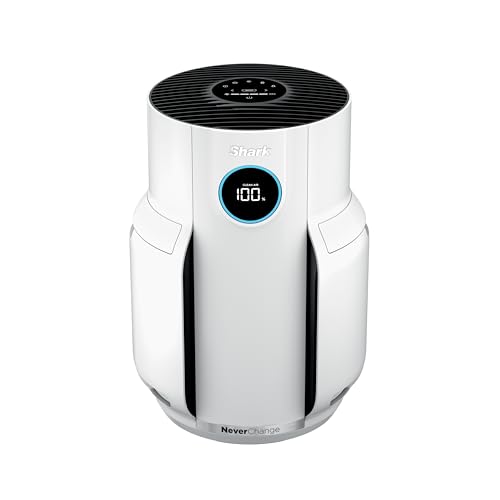


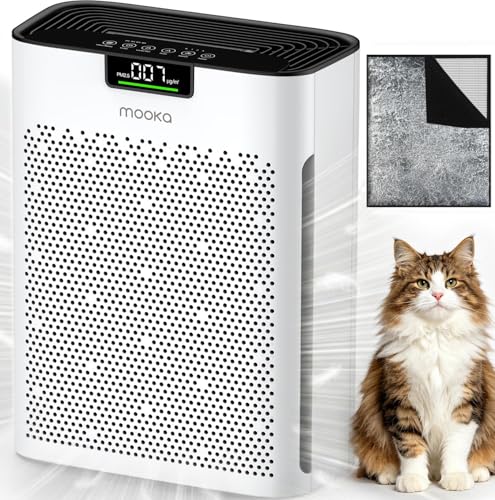

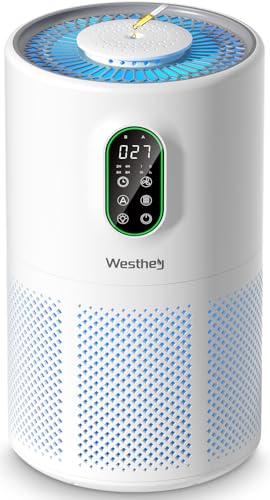

Who Should Buy a Permanent Filter Model
Budget conscious buyers, low dust homes, and users who dislike recurring filter orders will benefit most, provided they will actually clean filters on schedule. Permanent filters suit bedrooms and offices with moderate dust loads better than pet heavy or smoky homes where filters load quickly.
If cleaning discipline is low, disposable filters may serve better, since a neglected permanent filter performs worse than a fresh disposable one. Be honest about maintenance habits before choosing. A filter that is easy to remove, wash, and dry encourages regular care.
What Permanent Really Means
Permanent filters vary: some are washable mesh prefilters, some are washable particle filters, and some are electrostatic plates that attract particles. Mesh prefilters capture large dust and hair and wash easily, while washable particle filters claim finer capture but need gentler handling. Electrostatic designs use charge to attract particles and may need washing to restore performance.
Check maker definitions carefully. A model marketed as permanent may still use disposable carbon stages for odours, or a HEPA stage that needs eventual replacement. List every stage, its cleaning method, and its expected life before comparing costs. For HEPA comparisons, best hepa filter air purifiers clarifies grade differences.
Cleaning, Drying, and Performance
Cleaning method affects performance directly. Rinse or vacuum as the maker directs, avoid harsh detergents unless allowed, and dry fully before reinstalling. A damp filter can harbour mould and odours, and can damage motors if water reaches electrical parts. Allow generous drying time, especially for dense filters.
Inspect filters after washing for tears, warped frames, and damaged seals. A damaged filter that bypasses air reduces capture regardless of washing. Keep a spare filter where possible so the purifier can run while the main filter dries. For washable designs generally, best air purifiers with washable filters covers care routines.
Costs, Lifespan, and Honest Savings
Permanent filters save on replacements, but savings depend on how long they truly last and how often carbon or other disposable stages still need buying. Calculate total cost over three years, including any replacement stages, electricity, and cleaning supplies. A model with a short lived permanent filter may save little over disposables.
Also consider time cost. Washing, drying, and inspecting filters takes effort, and some users value the convenience of swapping a disposable filter more than the saving. Compare that trade off honestly. For filterless or alternative designs, best air purifiers without filters explains ioniser and other approaches and their limits.
Mistakes Worth Avoiding
Washing a filter that the maker says not to wash is a common error that degrades capture. Another is reinstalling a damp filter, which risks mould and motor damage. A third is assuming permanent means no maintenance, then running a clogged filter for months while airflow and capture fall.
Do not use ozone generating features as a substitute for filtration if you have breathing conditions, and check ozone statements for any added stages. For general purifier context, best air cleaners and purifiers and best home air purifiers help compare whole home options. If breathing symptoms persist, talk with your clinician.
Permanent Filters in Different Homes
Permanent filters suit different homes differently, since low dust apartments with few pets and no smoking load filters slowly, while pet heavy homes, workshops, and kitchens load them quickly. Assess your dust load honestly by noting how often surfaces need dusting and how quickly vacuum filters clog, since those patterns predict purifier filter loading. A permanent filter that suits a quiet office may struggle in a busy family home.
Workshops and craft rooms present special challenges, since wood dust, paint particles, and chemical fumes each demand different filtration. Permanent particle filters handle dust, yet chemical fumes still need carbon stages that saturate and require replacement. Do not rely on a permanent particle filter alone for chemical exposures, and ventilate workshops properly during dusty or chemical work.
Rental homes and shared housing also benefit from permanent filters, since lower recurring costs suit tight budgets and shared expenses. Agree cleaning responsibilities clearly among housemates, since a shared purifier with no owner for filter cleaning quickly becomes ineffective. A simple rota or reminder system keeps maintenance fair and consistent.
Deciding Between Permanent and Disposable
The permanent versus disposable decision ultimately balances cost, convenience, and performance for your household, rather than following a universal rule. Permanent filters win on long term cost where cleaning discipline is high and dust loads are moderate, while disposable filters win where convenience, allergy control, and consistent performance matter most. There is no shame in choosing disposables if they mean filters actually get replaced on time.
Trial periods help decide, since using a permanent filter model for several months reveals whether cleaning routines hold up under real life pressure. Note how often you actually clean, whether drying time causes gaps in filtration, and whether performance feels steady over time. That lived experience predicts long term success better than initial enthusiasm.
Finally, consider environmental impact honestly, since permanent filters reduce waste yet require water and detergents for washing, while disposables create waste but may last longer between changes in some designs. Choose the option you will maintain well, since a well maintained filter of either type serves air quality better than a neglected filter of the supposedly superior type.
Frequently Asked Questions
Do permanent filters work as well as disposable HEPA filters?
It depends on design. Washable mesh prefilters capture large particles well, but washable fine particle filters vary in capture compared with sealed disposable HEPA. Check maker capture figures, seal quality, and independent data where available, and prioritise verified performance over the permanent label alone.
How do I clean a permanent filter?
Follow maker guidance exactly: vacuum loose dust first, wash only if allowed, use mild methods, and dry fully before reinstalling. Inspect for tears and warped seals after washing. Keep a spare if possible so the purifier can run while the main filter dries, and never reinstall a damp filter.
How long do permanent filters last?
It varies by material, washing frequency, and handling, with many lasting several years under gentle care. Harsh washing, rough handling, and high dust loads shorten life. Replace filters that show tears, persistent odours, or reduced airflow despite cleaning, even if marketed as permanent.
Do permanent filter purifiers still need carbon replacement?
Often yes. Carbon stages saturate with odours and gases and cannot be restored by washing in most designs. Check whether your model uses a separate carbon stage, its replacement interval, and its cost. A model with permanent particle filters but disposable carbon still has recurring costs.
Are filterless purifiers better than permanent filters?
Filterless designs, such as ionisers, avoid filter changes but vary in particle capture and may produce ozone. They suit some users for light dust, but they rarely match sealed HEPA filtration for allergy control. Check ozone statements and capture data carefully before choosing a filterless model.
Final Thoughts
Permanent filters suit buyers who will clean on schedule and value lower recurring costs, provided they understand which stages are truly reusable and which still need replacement. Wash gently, dry fully, inspect seals, and calculate three year total costs honestly. The product table above can help you compare filter approaches, and best air purifiers with permanent filters reward disciplined maintenance. If breathing symptoms persist despite good filtration, talk with your clinician.