Best Air Purifiers Large Room: Budget, Midrange, and Premium Picks for 2026
Disclosure: We may earn a commission when you buy through links on this page, at no extra cost to you. As an Amazon Associate I earn from qualifying purchases. Learn more

Compare the best air purifiers large room options by budget, midrange, and premium tiers, with CADR, filter, and long term cost guidance included.
Prices for large room purifiers range from under $150 to well over $600, and the gap is not just about brand names. When you shop for the best air purifiers large room models, your money mainly buys cleaning speed, quieter airflow, and lower effort over years of filter changes. This guide shows what each tier actually delivers so you can spend at the right level.
Use the comparison table below to see how the tiers line up, then read what separates a fair price from money wasted.


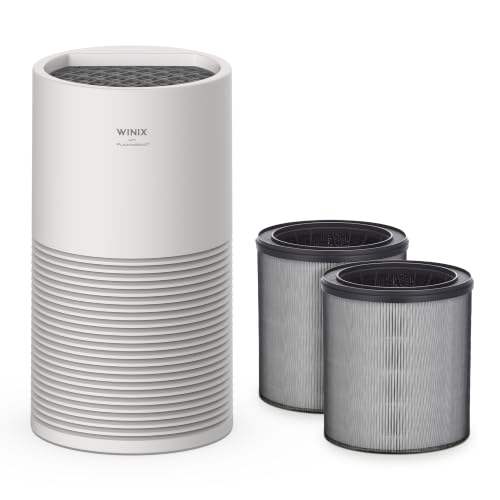

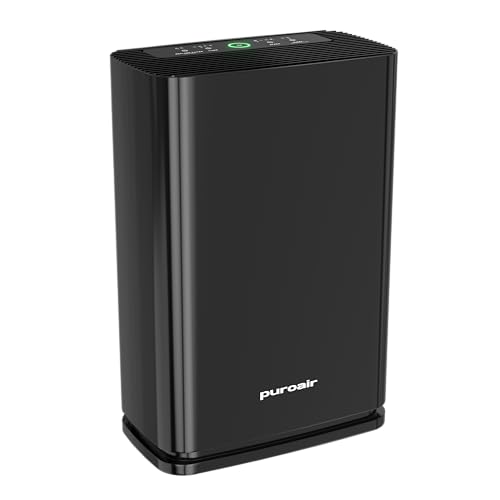


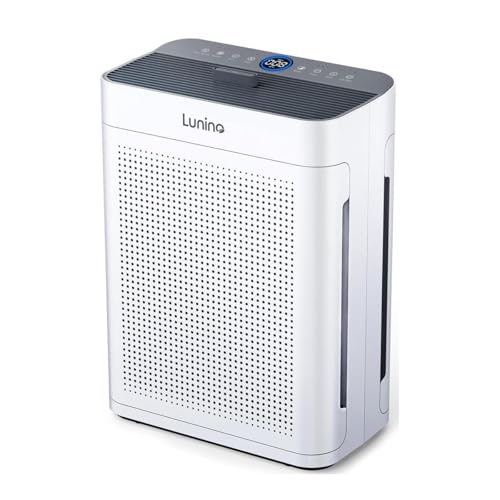


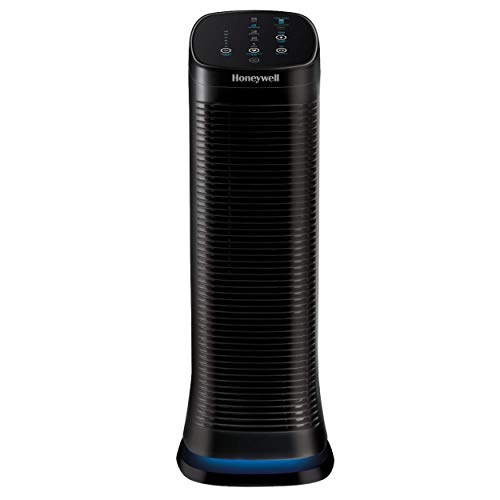
Budget Profiles for Large Rooms
No single model suits every large room, so judge the product table above against these three tier profiles. Each one describes the buyer it fits, its strengths, and its main trade off.
Budget Profile
The budget profile fits a single large bedroom or a modest living room of around 300 to 450 square feet. It delivers a True HEPA filter and a CADR honestly rated for that space, usually around $120 to $200. Strengths are low upfront cost and simple controls. The trade off is noise and speed, since this tier often needs a higher fan setting to keep up, and filter sets can be a larger share of the purchase price each year.
Midrange Profile
The midrange profile fits most open living areas of about 450 to 800 square feet and costs around $200 to $400. It adds a stronger CADR, a better carbon filter for odors, an air quality sensor with auto mode, and quieter running at useful speeds. This is where most buyers get the best balance of performance and cost. The trade off is a larger footprint and filter sets that cost more than budget ones, though they usually last longer too.
Premium Profile
The premium profile fits very large or open plan spaces, allergy sensitive households, and people who want the unit to manage itself. Prices run around $400 to $700 and buy high CADR, thick carbon filtration, smart sensors, app control, and polished build quality. Cleaning stays fast even on lower, quieter speeds. The trade off is total ownership cost, since large filter sets and extra features add up, and the unit itself takes real floor space.
What Your Money Gets You at Each Price Tier
Budget Tier: What to Expect
Budget units focus on the core job: a True HEPA filter, a basic prefilter, and manual fan speeds. Expect coverage claims to be optimistic, so verify the CADR yourself and plan for four to five air changes per hour in a smaller part of the range. Odor control is light, displays are simple, and there is usually no sensor. This tier works if your large room is not heavily polluted and you are happy to set the speed yourself each day.
Midrange Tier: The Sweet Spot for Most Buyers
Midrange money buys measurable upgrades: higher verified CADR, a real carbon layer, auto mode driven by a particle sensor, and sleep mode with dimmed lights. ENERGY STAR certification is common here, which helps if the unit runs all day. Filters tend to last longer and be easier to find. For a family living room with pets, cooking odors, and daily dust, this tier usually solves the problem without premium pricing.
Premium Tier: When Spending More Pays Off
Premium units earn their price in big or demanding spaces. They move a lot of air quietly, which matters when the purifier shares a room with television, conversation, or work calls. You also get deeper odor filtration, more accurate sensors, WiFi scheduling, and longer filter life per set. Spending more pays off when a midrange unit would need to run at full speed for hours, because full speed is where noise and wear both rise.
Features Worth Paying For (and Ones to Skip)
Safety Features
Safety basics should never cost extra, so insist on UL or ETL listing and AHAM verified CADR at every tier. Tip over shutoff matters in homes with toddlers or large dogs, and a child lock on controls is a small but useful premium touch. Skip vague wellness add ons that lack clear standards, such as unverified ion features, and put that money toward filtration instead.
Room Size and Coverage
Coverage is the feature most worth paying for, because an undersized unit cannot be fixed later. For large rooms, look for a smoke CADR that supports four to five air changes per hour at your square footage. If two models cost a similar amount, the one with the higher verified CADR at a quieter speed is the better buy. Our guide to the best hepa air purifiers for large rooms explains the sizing math in detail.
Measuring for Size and Portability
Measure the floor spot and the doorways the unit must pass through before ordering, since high CADR models can be as large as a small side table. Check the weight if you plan to move it between rooms, and look for handles and caster wheels on heavier units. There is a real trade off between compact size and performance, because bigger housings hold bigger filters and quieter fans. If space is tight, compare options in our guide to the best large air purifiers.
Performance Ratings
Learn to read CADR first, since it predicts how fast a large room will clear after cooking, cleaning, or a dusty day. AHAM lists ratings for tobacco smoke, dust, and pollen, and smoke is the strictest guide because its particles are smallest. BTU and pints per day belong to air conditioners and dehumidifiers, not purifiers, so ignore them here. A smart sensor that displays particle levels helps you confirm the unit is keeping up rather than guessing.
Long Term Costs to Factor In
The purchase price is only part of the bill. Add a year of filters, often about $60 to $180 for large units, plus electricity for near constant running, which ENERGY STAR models keep modest. Check the warranty length, since a longer warranty on the motor protects the most expensive part. Also confirm that replacement filters are sold by several retailers, because a discontinued filter can end the life of a working unit. When you compare two models, a two year cost view often reverses the cheaper choice. Broader whole home context is in our guide to the best home air purifiers, and general categories are compared in our guide to the best air cleaners and purifiers.
Frequently Asked Questions
Is it expensive to run 24/7?
No, even large units are usually moderate in power use, often about 50 to 90 watts on the speeds used most. Running one all day for a month commonly costs less than a single replacement filter set spread over its life. Using auto mode cuts cost further, because the fan slows when the air is already clean.
How often should I replace the filter?
Large room filters usually last about six to twelve months, with the carbon layer sometimes fading sooner if odors are heavy. Big premium filters can last longer per set, which offsets their higher price. Vacuum the prefilter monthly, and replace the main set when airflow drops or the indicator and a visual check agree it is loaded.
Where is the best place to put it?
Place it where air can circulate freely, ideally near the center of activity in the room rather than tucked behind a sofa. Keep clearance around the intake and place it close to the main dust or odor source without blocking walkways. In an open plan space, the spot between the kitchen and seating area often gives the best coverage for one unit.
Do air purifiers for large rooms really work?
Yes, as long as the CADR genuinely matches the space, a large room purifier lowers particle levels across the whole room and not just near the unit. Air mixes as the fan runs, so placement is forgiving once sizing is right. The common failure is an undersized budget unit in a big space, which is a sizing error rather than a flaw in the idea itself.
What size do I need for my room?
Measure length times width for square footage, then use the AHAM rule of a smoke CADR at least two thirds of that figure as a floor, and higher for four to five air changes per hour. A 600 square foot room, for example, wants a smoke CADR of 400 or more for strong results. High ceilings call for sizing up, since there is more air to clean.
The Bottom Line
For large spaces, spend first on verified CADR, then on quiet airflow and filter value over the years. Most households land happily in the midrange, while very large or sensitive homes justify premium pricing. Compare your shortlist in the product table above, and the best air purifiers large room choice for you will be the tier that cleans your space quietly without surprise costs.