Best Air Purifiers for Weed Smell Made Simple: A Clear Buying Guide for 2026
Disclosure: We may earn a commission when you buy through links on this page, at no extra cost to you. As an Amazon Associate I earn from qualifying purchases. Learn more

Learn how to choose the best air purifiers for weed smell with plain guidance on carbon filtration, room size, noise, and filter replacement costs.
Weed smell lingers because it is made of both particles and odor gases, and a purifier that handles only one half will leave the room smelling stale. This simple guide explains both halves in plain language for first time buyers. If you are comparing best air purifiers for weed smell options for an apartment, bedroom, or grow space, the short answer is that you need strong carbon filtration for odor plus HEPA filtration for smoke particles.
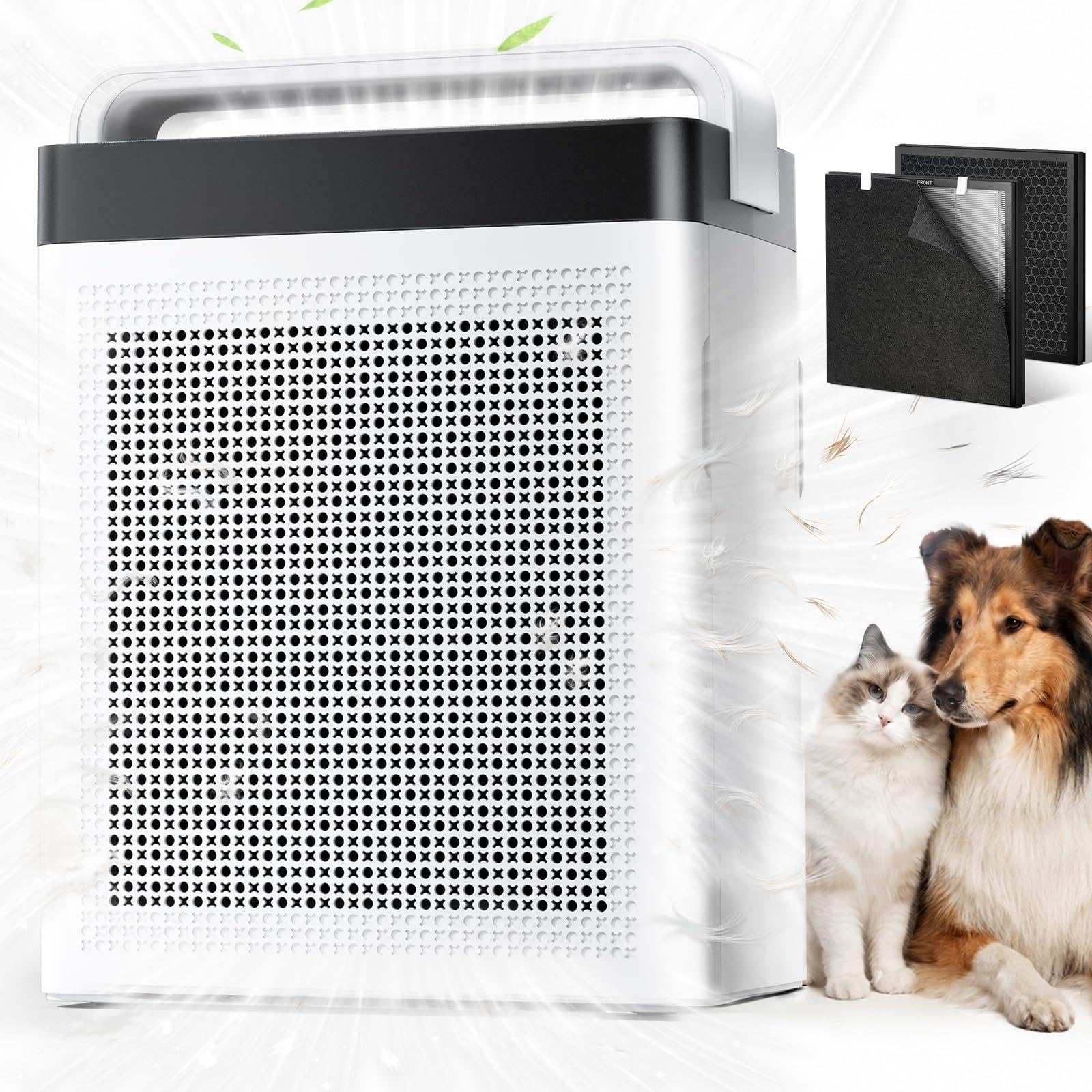
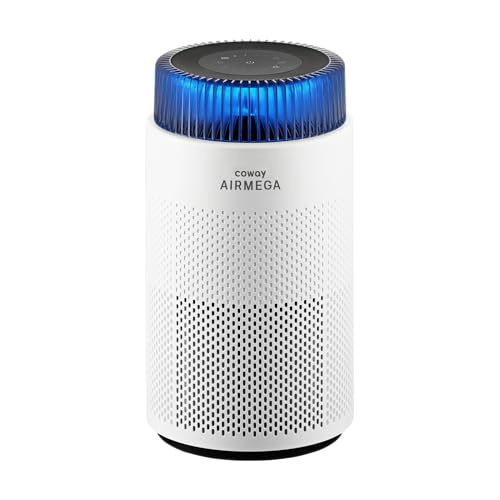
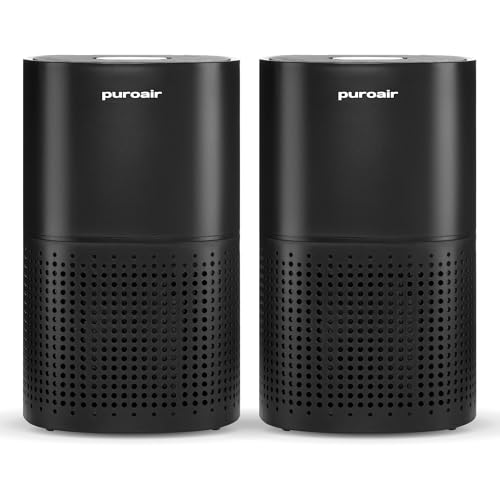
You will learn how much carbon matters, how to size a unit for your room, and how placement changes results more than most people expect. Use the comparison table below to check carbon weight, coverage, and noise, then use the sections that follow to decide which trade offs fit your home and your neighbors.



Air Purifiers 101: The Basics
An air purifier draws room air through filters with a fan and returns cleaner air to the same room. For smoke, the particle filter traps ash and fine smoke particles. For smell, a carbon filter adsorbs odor molecules on its surface, which is a different job that needs a different material. A unit with a thin carbon sheet may freshen air briefly, but heavy or repeated smoke needs a deep carbon bed with real weight to keep working for months.
Think of the two filters as a team. HEPA handles what you can almost see, the haze and fine particles that settle as dust. Carbon handles what you smell when you walk back into the room an hour later. If either part is weak, the room will tell you. Strong odor control also depends on air flow, because carbon only works on air that actually passes through it at a reasonable speed.
Room habits matter just as much as hardware. Smoking near an open window, running a purifier only after the smell has spread, or placing the unit across the room all reduce results. A purifier works best when it runs during and after smoking in a closed room, close enough to capture smoke early but not so close that ash or heat reaches the intake.
Key Specs Explained in Plain English
Features That Matter for Weed Smell
Carbon amount is the feature that matters most for weed smell. Look for the weight of activated carbon when the maker lists it, because a few pounds of carbon will outlast and outperform a thin carbon coated sheet. True HEPA filtration should sit alongside that carbon to capture smoke particles. A sealed system helps too, since smoky air that bypasses the filters keeps its odor. Plan for faster carbon replacement if you smoke daily, because odor filters fill up even when they still look clean from the outside.
Room Size and Coverage
Measure your room in square feet and match it to the coverage and CADR on the box. CADR shows how much clean air the unit delivers, and smoke needs a strong rate because particles spread quickly. Aim for about four to five air changes per hour in the room where smoking happens. A unit rated well above your room size lets you run a medium speed that still cleans fast and sounds easier to live with. In open plan apartments, count the whole connected space, not just the corner where you sit.
Noise Level and Sleep Mode
Noise is listed in decibels, and higher cleaning speeds are always louder. If the purifier will run in a bedroom at night, check the sound level on sleep mode and on medium, not just the lowest number in the ad. Many people run a high speed right after smoking, then lower the fan once the visible haze clears. Distance helps, so place the unit several feet from the bed. A model that is too loud on useful speeds will end up switched off, and an off unit removes no odor at all.
Smart Controls and Sensors
Air quality sensors can detect a rise in particles and raise fan speed in auto mode, which is handy when you do not want to think about settings. Some sensors react less to odor gases than to particles, so do not expect auto mode alone to chase every smell. App control and timers help you start cleaning before guests arrive or keep the unit running after you leave the room. Treat smart features as convenience on top of strong carbon and HEPA filters, never as a substitute for them.
Installation and Placement
No tools are needed for most units, but placement decides how much smoke the purifier actually catches. Put it in the same room, on the floor, with clear space around the intake and outlet. Keep it near the usual smoking spot without placing it right under rising smoke or next to an open window that pulls smoke away from the intake. Keep doors and windows closed while running it during a session, then let it run for at least another hour to work on lingering odor.
Best Air Purifiers for Specific Needs
Best Air Purifiers for Weed Smell Growers: Tips for First Time Buyers
If you are choosing a unit for a grow space, your odor load is higher and more constant than in a living room. Grow spaces need larger carbon capacity, steady air flow, and a plan for heat and humidity from lights, because damp air can shorten carbon life. Many growers do better with ventilation that moves air out of the grow area plus a purifier for the surrounding room. Size for the full grow space, check carbon replacement cost carefully, and keep spare carbon filters on hand so odor control does not lapse during a grow cycle.
How to Choose an Air Purifier for Weed Smell
Start by being honest about frequency. Occasional weekend use in one room needs far less carbon than daily use or a grow tent. Then check three numbers for each model, carbon weight, CADR for smoke, and the rated room size. If a maker hides carbon weight, that is often a sign the carbon layer is thin. Compare filter replacement prices too, because carbon for odor heavy use may need changing sooner than the general schedule printed on the box.
Think about where odor travels in your home. Thin doors, shared hallways, and return air vents can carry smell beyond one room. A purifier in the smoking room helps most, and a second smaller unit near a bedroom door can help in larger apartments. For related odor problems, see our guide to the best air purifiers for smells and our guide to the best air purifiers for smoke odor for broader context. If your focus is the plant material itself rather than the smell alone, our guide to the best air purifiers for weed covers that angle.
Rookie Mistakes to Avoid
- Buying HEPA only and expecting odor removal. HEPA traps particles well but does almost nothing for smell gases. You need substantial activated carbon for odor.
- Choosing by room size alone. Smoke and odor need extra capacity. A unit that barely covers the room will need its loudest speed to keep up.
- Placing the unit across the room or behind furniture. Smoke that never reaches the intake never gets cleaned. Keep the path from source to intake open.
- Turning the unit off too soon. Odor lingers after haze clears. Run the purifier for an hour or more after smoking ends.
- Waiting too long to replace carbon. Carbon that is full stops adsorbing odor even if air flow feels strong. Replace on smell return, not only on the calendar.
Getting Started: Setup and First Use
Remove all wrapping from the HEPA and carbon filters before first use, because sealed filters cannot clean air. Set the unit in the smoking room with clearance around it, close doors and windows, and run a high speed during and after the first session to see how quickly odor fades. Note the time it takes, because that tells you whether the size match is honest for your space.
Replace or clean filters on schedule, and vacuum the prefilter if the manual allows it to keep air flow strong. Wipe ash dust from the intake grille often, since buildup near a smoking area happens fast. For general home comparisons, our guide to the best air cleaners and purifiers and our guide to the best home air purifiers show how odor focused models differ from general dust models. Keep a spare carbon filter ready if daily use makes odor control important to your household peace.
Frequently Asked Questions
What features matter most in air purifiers for weed smell?
A deep activated carbon filter and True HEPA filtration matter most, working together on odor and particles. Carbon weight is the clearest clue to odor strength, so favor models that state it openly. CADR for smoke and a sealed housing complete the picture. A unit with strong specs in all three areas will clear a room faster and keep clearing it months later.
Do air purifiers really work?
Yes, a well matched purifier reduces both haze and lingering smell in a closed room. It cannot remove odor that has soaked into fabrics, walls, or carpets over long periods, and it works poorly with windows open. Run it during and after smoking, keep up with carbon changes, and wash soft items that hold smell. With those habits, most people notice a clear difference within the first session.
Is it expensive to run 24/7?
Electricity for around the clock running on low is usually modest, similar to running a small fan. The bigger cost for weed smell is carbon replacement, because odor heavy use fills carbon faster than dust only use. Budget for more frequent carbon changes if you smoke daily. Choosing a model with reasonably priced filters matters more than saving a little on the purchase price.
How often should I replace the filter?
Follow the manual as a starting point, but let your nose judge the carbon filter. When smell returns quickly after a session even on a high speed, the carbon is likely full. HEPA filters in smoky rooms may also load faster than in clean rooms. Many daily users replace carbon every three to six months and HEPA on a longer cycle, but your room and habits set the real schedule.
What size do I need for my room?
You need a unit rated above your room size in square feet if smoke is a regular concern. Extra capacity gives you four to five air changes per hour without the loudest setting. Measure the room, add connected open areas, and compare smoke CADR rather than a general dust rating when both are listed. When in doubt between two sizes, the larger unit usually satisfies odor users more over time.
Our Verdict
Judge these purifiers by carbon first, particles second, and convenience last. A deep carbon bed, True HEPA filtration, and enough CADR for your room will do more for weed smell than any smart extra. Use the product table above to compare carbon details and coverage before you buy. When those pieces fit your room and routine, best air purifiers for weed smell choices become straightforward and your room will smell fresher for far longer after each session.