Best air purifiers for voc removal 2026: A Practical Buying Guide
Disclosure: We may earn a commission when you buy through links on this page, at no extra cost to you. As an Amazon Associate I earn from qualifying purchases. Learn more

Reduce indoor VOCs with the right air purifier: learn about carbon filters, room size, airflow, and safe use at home. before you decide. today.
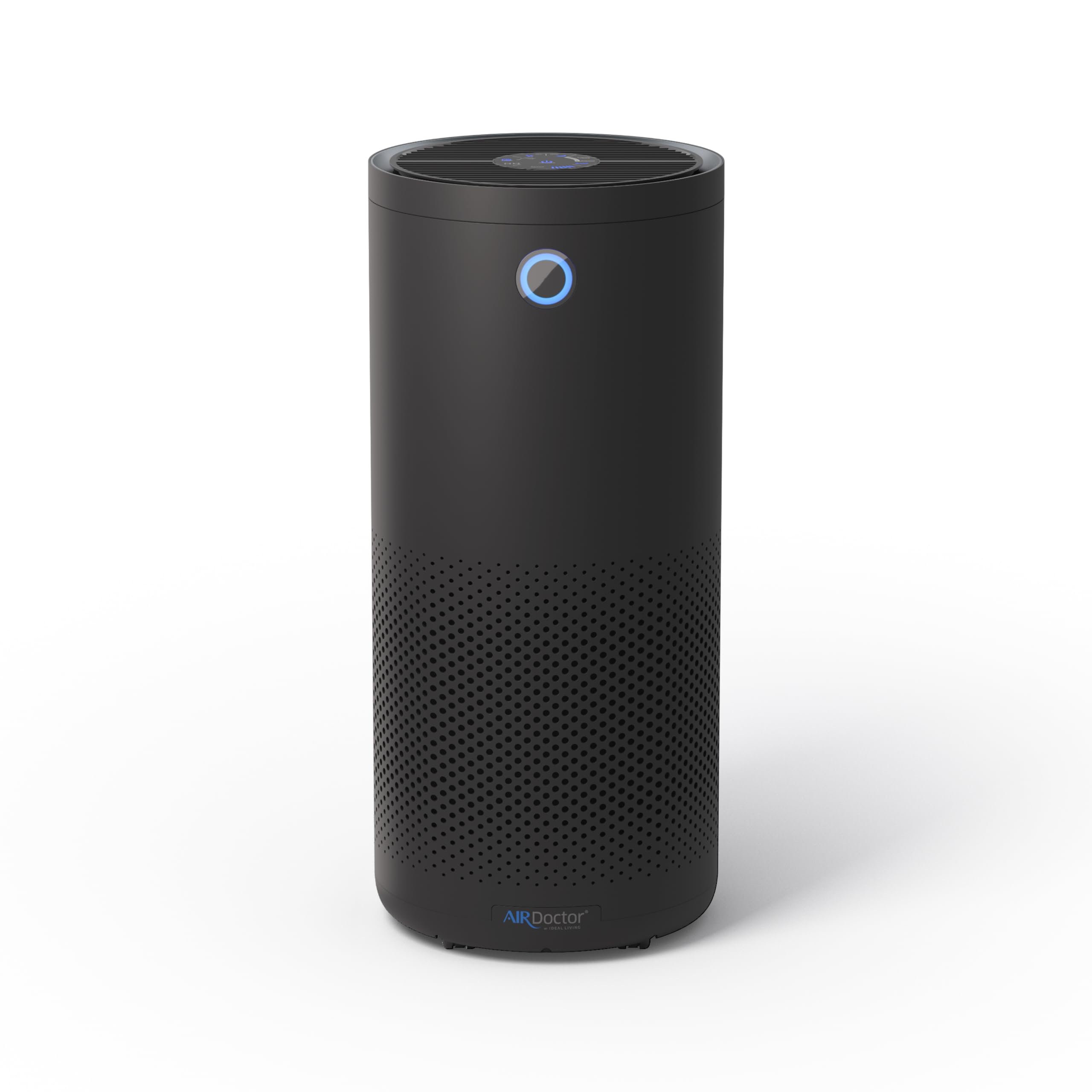
Volatile organic compounds, or VOCs, are gases released by new paint, flooring, furniture, cleaning sprays, candles and cooking. They are gases, not particles, so a purifier with only a HEPA filter will not do much about them. This guide to the best air purifiers for voc removal explains why activated carbon is the part that matters, how to size a unit, and what no purifier can fix on its own.
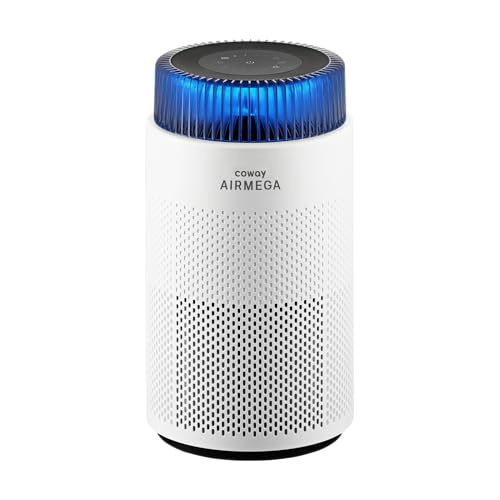
The product table lists models with carbon filtration. Use the sections below to compare carbon depth, airflow and filter costs before you decide.





How a Purifier Removes VOCs
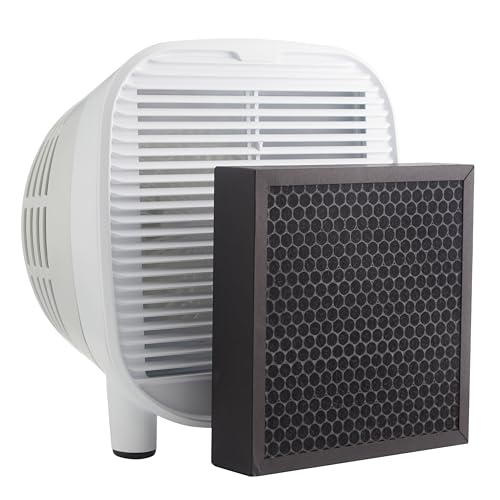
Activated carbon is a porous material with a huge internal surface. As air passes through, many gas molecules stick to that surface, a process called adsorption. The more carbon in the filter and the longer the air stays in contact with it, the more VOCs it can hold. A thin carbon sheet gives only light, short lived relief, while a bed of carbon pellets or granules measured in pounds works far longer.
No carbon filter removes every compound. Some small molecules such as formaldehyde are held less well unless the carbon is specially treated. Once the carbon is full it stops working, so filter changes matter more here than with a dust only purifier.
Features of the Best Air Purifiers for VOC Removal
Carbon Weight and Type
Look for the carbon weight in the specifications, or a visibly thick filter. Some makers sell a VOC specific filter with extra carbon or a blend aimed at chemical gases. If the listing does not say how much carbon the unit contains, assume it is small.
Airflow and Room Size
Gas removal needs repeated passes through the carbon, so aim for four to five air changes per hour in the room. Choose a clean air delivery rate that covers about twice your room area, and treat open plan spaces as one large room. A slightly oversized unit can run on a quieter speed.
True HEPA and Prefilter
Most homes also have dust and fine particles, and a prefilter plus True HEPA protects the carbon bed from clogging. A washable prefilter is an easy way to cut running costs.
Noise and Controls
VOC control usually means long hours of running. Check the decibel figure on the speed you will use and prefer a model with a sleep mode and a dimmable display. Many sensors detect particles, not gases, so do not rely on an auto mode to react to fumes.
Where VOC Purifiers Help Most
A newly painted room, a new sofa or mattress, a fresh renovation and a kitchen with frequent cooking are the usual reasons to buy. After painting, ventilate as much as you can and run the purifier in the same room for days or weeks. In a bedroom with new furniture, place the unit a few feet from the bed with the door closed. In a living or cooking space, a larger unit near the source catches fumes before they spread.
Source control still matters most. Choose low emission paints and furniture, store solvents outside living areas, and ventilate when you clean. A purifier works as one part of a plan, not as the only fix.
Reading the Specifications
Listings often mix unrelated numbers, so focus on a few. The carbon weight tells you how long odor and gas control will last. The clean air delivery rate, listed for smoke, dust and pollen, tells you how fast the fan moves filtered air, and the smoke figure is the closest guide for fine combustion particles. The room size rating shows the largest area the maker expects the unit to handle, but for gases you should treat it as a maximum and choose a rating well above your room.
Ignore BTU and pints per day, which belong to air conditioners and dehumidifiers. CFM counts raw airflow before the filters and can flatter a weak filter. Prefer AHAM verified ratings and UL or ETL safety listings where they are shown. A published replacement filter price and a stated filter life are also good signs of a maker that expects you to keep using the product.
Running Costs and Filter Changes
Electricity is a few dollars a month for most units. Carbon filters are the main running cost and can saturate in three to six months where VOC levels are high, longer in a clean home. Check the price of the replacement filter before you buy, and add a year of filters to the purchase price when you compare models. If odors or chemical smells return while the unit is running, the carbon is likely spent.
Common Mistakes to Avoid
- Buying HEPA only. HEPA traps particles but not gases.
- Trusting a thin carbon sheet. It fills quickly and then does nothing.
- Using an ozone generator. Ozone irritates the lungs and is not recommended in occupied rooms. Choose a model that states it produces no ozone.
- Sizing to the minimum. Gas removal needs extra airflow, so size up.
- Ignoring the source. A purifier cannot keep pace with a constant, strong emitter.
For wider comparisons see our guide to the best air cleaners and purifiers and the best home air purifiers. Smoke focused models are covered in the best smoke removal air purifiers, and HEPA grades are explained in the best air purifiers hepa guide.
Frequently Asked Questions
Do air purifiers remove all VOCs?
No. Carbon filters reduce many common VOCs but not every compound, and performance falls as the filter saturates. Ventilation and source control remain important.
How long does a carbon filter last?
It depends on VOC levels, run time and filter size. Heavy use after painting can shorten its life, while light use in a clean home extends it.
Is ozone safe for VOC removal?
Ozone generators are not recommended for occupied rooms because ozone irritates the lungs. Choose a purifier that does not intentionally produce ozone.
Where should I place a purifier?
Place it in the room you use most with open space around it. Keep it away from corners blocked by furniture.
When should I seek medical advice?
Ask your doctor about persistent cough, wheeze, headaches or eye irritation linked to indoor air. A purifier does not replace medical care or fixing the pollution source.
Final Thoughts
Put carbon depth first, size the unit for repeated air changes, and budget for filters. With those checks the product table above helps you shortlist the best air purifiers for voc removal that fit your room, your noise limit and your running costs.