Best Air Purifiers for Small Apartments by Budget: Smart Picks for 2026
Disclosure: We may earn a commission when you buy through links on this page, at no extra cost to you. As an Amazon Associate I earn from qualifying purchases. Learn more

Learn what each price tier really delivers when you shop for the best air purifiers for small apartments, from compact budget units to quiet premium models.
Apartment purifiers range from pocket money gadgets to serious appliances, and the price gap is not always explained by better cleaning. This guide sorts the best air purifiers for small apartments by budget, showing what each tier actually delivers, which upgrades earn their cost, and where you can safely save. Use the comparison table below as your shortlist while you read.
Small spaces forgive some things and punish others. A unit can be modest on power yet still fail you if it is loud at arm length, or if its filter costs more than the machine within a year.

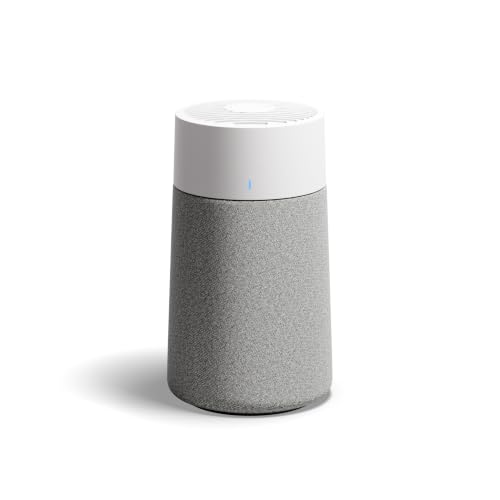

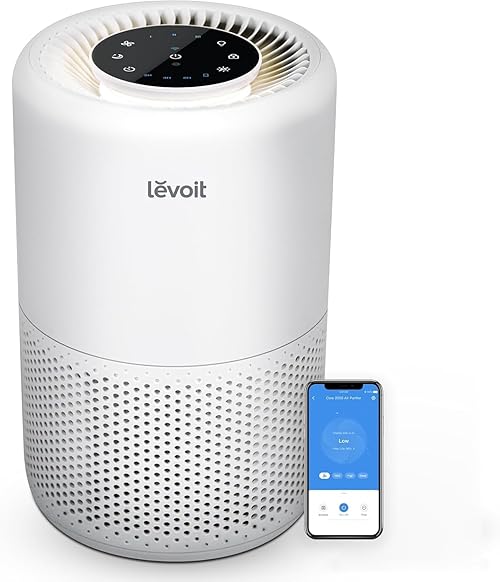


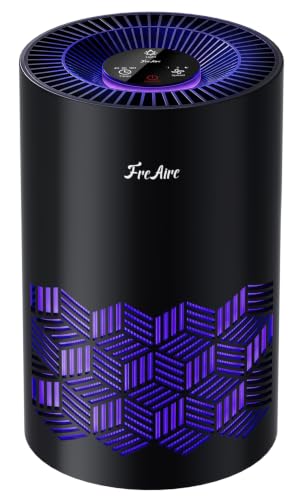

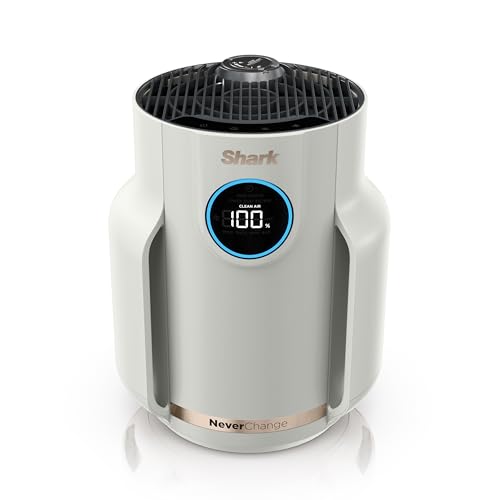
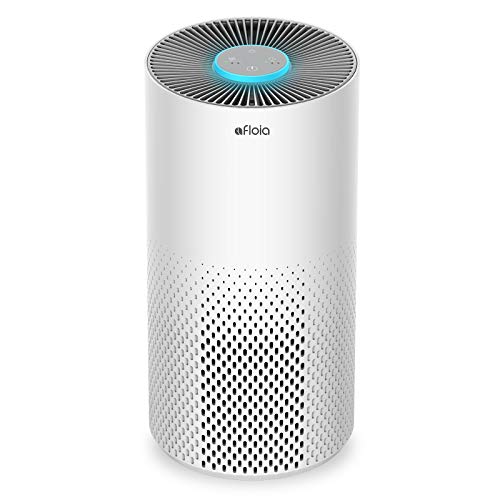
Top 3 Budget Profiles Worth Your Money
Rather than naming models, here are the three profiles that make sense at each spending level. Match your rooms and habits to a profile, then find units in the product table above that fit it.
Budget Profile
The budget profile suits a studio or a single bedroom where the main problems are dust, cooking smell, and a cat that owns the sofa. Expect a compact tower or desktop unit with a basic HEPA filter, one or two fan speeds that matter, and a price around $60 to $100. It will freshen one closed room at a time. The limitation is stamina: carbon, if present, is thin, so strong odors fade slowly, and you will move the unit from room to room rather than cleaning the whole apartment at once.
Midrange Profile
The midrange profile is the sweet spot for most renters in one or two bedroom apartments. Around $130 to $220 buys a True HEPA filter with a real carbon stage, a published CADR suited to rooms of 200 to 350 square feet, and a quiet sleep mode for overnight use. Auto mode with a smart sensor appears at this level and genuinely helps in a kitchen adjacent living space. The trade off is size: these units claim a noticeable patch of floor, and replacement filters cost more than budget ones.
Premium Profile
Premium units, around $250 to $400, suit open plan apartments where the living area, kitchen, and entry share one air volume. You get higher CADR, deeper carbon for persistent cooking or traffic odors, app control, and better build quality with a longer warranty. They can run on a low, quiet speed and still cover the space, which is the real luxury in a small home. The honest limitation is that premium money buys refinement and headroom, not magic: a closed bedroom still needs its own coverage or an open door.
What Your Money Gets You at Each Price Tier
Knowing the typical contents of each tier protects you from paying premium prices for budget hardware in a nicer shell.
Budget Tier: What to Expect
Under about $100, expect simple controls, a compact footprint, and filters described with loose language, so read carefully for True HEPA rather than HEPA style claims. CADR figures may be unpublished, which limits the unit to small closed rooms where any decent filtration helps. Noise on high can be sharp, though low speeds are usually fine for sleeping. This tier works as a first purifier or a bedroom helper, as long as you accept shorter filter life and minimal odor control.
Midrange Tier: The Sweet Spot for Most Buyers
Between about $130 and $220, published CADR, True HEPA filters, meaningful carbon, and AHAM verified ratings become common. That combination is why this tier satisfies most apartment buyers: it handles a living room properly and a bedroom quietly. You also gain filter indicator lights, timers, and auto modes that cut wasted run time. Spend here if the purifier will serve your main living space every day.
Premium Tier: When Spending More Pays Off
Above about $250, the gains are quieter operation at useful speeds, larger filters that last longer between changes, deeper carbon beds, and smart controls you can run from the couch. For a studio dweller who sleeps a few feet from the unit, that quietness alone can justify the jump. Premium tiers also tend to hold resale value and warranty support better. Skip this tier if your apartment is a short lease and the unit will not move with you.
Features Worth Paying For (and Ones to Skip)
Five checks decide whether a feature deserves your money in a small home, where every square foot and every decibel counts double.
Installation and Placement
No purifier needs installation, but placement flexibility is worth paying for in an apartment. A unit that draws air from the front can sit closer to a wall, saving precious inches, while all around intakes demand open space on every side. A long cord and a modest footprint help in older buildings with few outlets. Skip bulky designs that only work in the middle of a room, because in 500 square feet the middle of the room is where you live.
Noise Level (dB) and Sleep Mode
In a studio, the purifier is always in the same room as you, so noise is a top tier feature, not a nicety. Look for a sleep mode near 25 to 30 dB and, more importantly, a low or medium speed quiet enough for television at normal volume. Pay for quiet at useful speeds; skip units that are silent only on a lowest setting too weak to matter. A display light you can dim also matters when the unit shares your bedroom.
Features That Matter for Small Apartments
Apartments concentrate cooking odors, bathroom humidity smells, and hallway smoke into a small volume, so a real carbon filter matters more than in a house. Compact dimensions with honest CADR for 150 to 350 square feet is the target combination. A smart sensor earns its keep by reacting to cooking spikes, then calming down. If allergies drive your purchase and symptoms persist or worsen, talk with your doctor, because a purifier supports a treatment plan rather than replacing one.
Measuring for Size and Portability
Measure the exact floor patch or shelf you can give the unit, including clearance for airflow, before you fall for a listing photo. Check the weight too: a unit under about 10 lb is easy to carry between the living room by day and the bedroom at night, which effectively doubles its coverage in a small apartment. Taller towers save floor space but can wobble on thick carpet. Write your measurements down and compare them against the listed dimensions, not the lifestyle photos.
Room Size and Coverage
For apartments, match CADR to the largest single room you will close off, usually the living room or the bedroom. Target 4 to 5 air changes per hour in that room for allergy or odor duty, which means the rated maximum area should be roughly double the room area. Open plan spaces count as one big room, so add the kitchen and living areas together. Our guide to the best air purifiers for small rooms goes deeper on sizing for tight spaces.
Long Term Costs to Factor In
The purchase price is only the entry fee. Replacement filters for apartment sized units typically run around $30 to $80 a set and last 6 to 12 months, so a cheap unit with pricey filters can cost more over three years than a midrange unit. Electricity is minor, usually a few dollars a month even with daily running, especially with ENERGY STAR certified models. Add the two together for a three year total before you decide a premium unit is too expensive, because longer filter life at the top tier often closes much of the gap. Renters should also weigh portability, since a unit that moves to your next home keeps paying you back. For wider comparisons, see our guide to the best air cleaners and purifiers and our guide to the best home air purifiers.
FAQs
What features matter most in air purifiers for small apartments?
Honest CADR for your largest room, a True HEPA filter with real carbon, and quiet operation matter most. One feature worth more in apartments than houses is a dimmable or switchable display, because the unit often sits within sight of your bed or sofa. A bright air quality light that cannot be turned off will annoy you every single night.
How often should I replace the filter?
Most apartment units need a new filter every 6 to 12 months, with cooking heavy homes at the shorter end. A washable prefilter, rinsed monthly, protects the main filter from the dust and cooking grease film that apartment air carries. If odors return quickly after cooking, the carbon stage is likely spent even if the indicator disagrees.
What size do I need for my room?
Size for the largest room you will use with the door closed, and choose a unit rated for about twice that area for strong results. Studio tenants should treat the whole unit as one room. If you plan to move the purifier between rooms, size it for the bigger room and enjoy the extra headroom in the smaller one.
Do air purifiers really work?
Yes, a correctly sized purifier steadily lowers dust and airborne particles and reduces everyday odors in a closed room. It will not stop smells arriving through a shared hallway vent or thin walls, which is a building issue rather than a filter issue. Sealing your entry door sweep can do as much for hallway smoke as a filter upgrade.
Where is the best place to put it?
Put it in the room where you spend the most hours, near the main odor or dust source but with clearance around the intake. In a studio, the midpoint between the kitchen area and the bed usually serves both. Readers who want bedroom specific advice can see our guide to the best small air purifiers for bedroom, and those comparing whole unit layouts can read our guide to the best air purifiers for apartment living.
The Bottom Line
Spend first on verified CADR and a True HEPA plus carbon filter, then on quiet operation, and let smart extras come last. Most renters land happily in the midrange, while light sleepers and open plan layouts justify premium tiers. Check your finalists against the comparison table above, and you will find the best air purifiers for small apartments for your budget without overpaying for shell design.