Best Air Purifiers for Pollen Allergies: Budget, Midrange, and Premium Choices for 2026
Disclosure: We may earn a commission when you buy through links on this page, at no extra cost to you. As an Amazon Associate I earn from qualifying purchases. Learn more
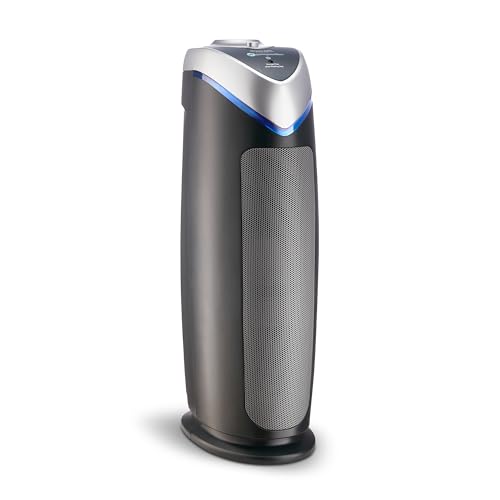
Use this budget guide to the best air purifiers for pollen allergies to compare True HEPA filtration, CADR, bedroom noise, and yearly filter costs.
Pollen season purifiers range from compact bedroom units under $100 to large, quiet machines costing many times more, and the difference shows up at night when you are trying to sleep. A weak unit leaves pollen drifting in the room, while an oversized one may cost more than your needs justify. This guide to the best air purifiers for pollen allergies explains what each budget level delivers.
You will learn which upgrades genuinely help during high pollen days and which ones you can skip without losing sleep, literally. Start with the comparison table below, then check the tier notes against your bedroom and living room sizes.


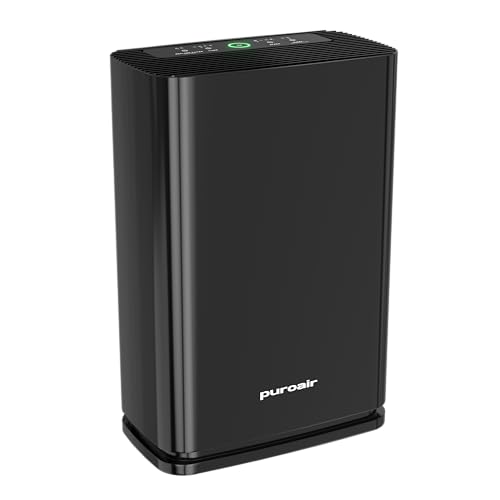


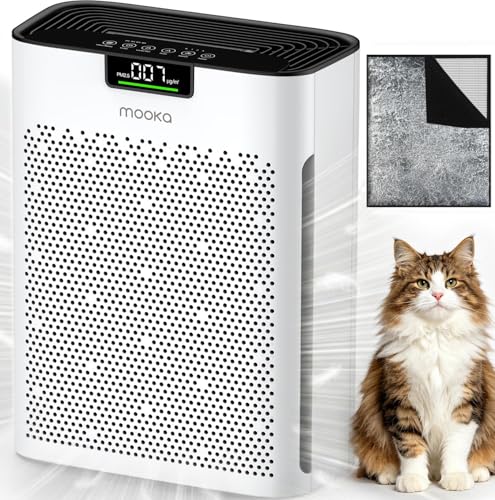


Buying Criteria by Budget
Use these three profiles as a checklist when you scan the product table above. Each one describes what a sensible buy looks like at that budget, without tying you to any single model.
Budget Profile
A budget choice can work well in one bedroom with the door closed. Look for True HEPA filtration, a CADR that matches that single room, and a sleep mode you can tolerate all night. The strengths are a low price and a small footprint for a nightstand corner or floor spot. The limit is pollen control beyond that room, since a small fan cannot keep up with open doors and hallway air. This profile suits renters and anyone testing whether nightly purification helps their symptoms.
Midrange Profile
A midrange choice is the pollen season workhorse for most homes. You gain a higher CADR for larger bedrooms and living rooms, an air quality sensor that reacts when windows open or shoes bring pollen inside, and larger filters that last a full season or more. Noise on low and medium speeds stays easier to live with. The strength is balanced, automatic cleaning where you spend the most time. The limit is that very large open spaces may still need premium airflow or a second unit.
Premium Profile
A premium choice buys quiet power. High CADR on a low, calm speed means strong pollen removal while you sleep, read, or work, without a constant roar. Expect detailed air quality displays, app scheduling for pollen peaks, and long lasting filters. This level suits people whose symptoms hit hard each spring and fall, and homes with big primary bedrooms. The strength is performance headroom. The limit is the purchase price and the cost of the large filters that premium machines use.
What Your Money Gets You at Each Price Tier
Budget Tier: What to Expect
Budget models usually cost about $80 to $200 and focus on one small to medium room. You get True HEPA filtration on good models, simple manual speeds, and basic timers. Sensors and apps are rare, and top speeds can be loud. This tier works for a single bedroom during pollen season if you run it before bed and keep the door shut. You trade automation and quiet strength for a price that is easy to justify for seasonal use.
Midrange Tier: The Sweet Spot for Most Buyers
Midrange models usually cost about $200 to $450 and add the features pollen sufferers use daily. Automatic mode responds to sudden particle spikes, sleep modes dim lights and hush the fan, and Energy Star efficiency keeps season long running affordable. Filters grow larger and often last six to twelve months. For most households, this tier covers a primary bedroom plus a living area plan, either with one stronger unit or by making a later second unit affordable. It is the balance point of this whole category.
Premium Tier: When Spending More Pays Off
Premium models often cost about $450 to $800 or more. The money buys very high CADR delivered quietly, better seals so air cannot slip around the filter, and richer feedback about the air in your room. Some add pollen focused reporting through an app. This tier pays off if you wake up congested despite a budget unit, or if your bedroom is large with high ceilings. If your room is small, a premium machine will spend its life on the lowest speed and the extra capacity brings little extra comfort.
Features Worth Paying For (and Ones to Skip)
Noise Level (dB) and Sleep Mode
Bedroom use makes noise a top tier feature, not a footnote. Look for a sleep mode around 25 to 35 decibels, roughly a whisper to a quiet library, with display lights that fully turn off. A unit that cleans well only on a loud turbo setting will end up switched off at night, which is when pollen control matters most for morning symptoms. Test your tolerance honestly: light sleepers should weight the quiet rating as heavily as CADR when comparing finalists.
Energy Efficiency and Operating Cost
Pollen season can mean three to six months of near constant running, so efficiency matters. Energy Star certified models deliver more clean air per watt, and most purifiers draw only about 30 to 70 watts on everyday speeds anyway. Cost per month is usually a few dollars. Automatic mode saves more by slowing the fan once the room is clean. Skip worrying about standby draw, which is tiny, and focus instead on filter prices, which dominate the true cost of ownership.
Room Size and Coverage
Size the unit for the room where you sleep first. Pollen is light and stays airborne, so aim for four to five air changes per hour in that room for strong seasonal relief. Headline coverage numbers often assume far fewer changes, so divide your expectations accordingly. If you want background on category basics, see our guide to the best air cleaners and purifiers for how ratings are set. A correctly sized bedroom unit beats a huge living room unit if nighttime symptoms are your main problem.
Features That Matter for Pollen Allergies
Pollen calls for True HEPA filtration, tight housing seals, and enough airflow to clean the room before pollen settles into bedding. A sensor driven automatic mode helps on days when counts spike after walks, gardening, or open windows. Practical habits amplify the machine: shower and change clothes after long outdoor time, and run the purifier for an hour before bed. If pollen is only part of your picture, our guide to the best pollen air purifiers looks at pollen focused models in more depth. A purifier supports symptom management but does not replace allergy medicine or medical care.
Picking the Right Air Purifiers for Different Uses
Best Air Purifiers for Pollen Allergies and Pets: Where Your Money Goes
When pets join the pollen problem, add two checks to your list. First, choose a washable prefilter, because pet hair will load the intake long before pollen clogs the HEPA filter. Second, give the carbon filter real attention if litter or pet odors mix with seasonal stuffiness. Budget a little more for filter changes, since combined dander and pollen loads shorten filter life. Homes like yours may also find our guide to the best air purifiers for pet allergies useful for the pet side of the plan.
Long Term Costs to Factor In
Plan on HEPA filter changes every six to twelve months, often costing about $40 to $120 depending on unit size. Heavy pollen seasons plus open windows can push you toward the shorter interval, because the filter loads faster when outdoor counts stay high for weeks. Electricity adds a few dollars per month during the season. Warranties on midrange and premium units often run longer, which matters for a machine that works hard half the year. Keep the receipt and note your filter model number in your phone so reordering takes minutes, not research.
FAQs
What features matter most in air purifiers for pollen allergies?
True HEPA filtration, CADR matched to your bedroom, and a genuinely quiet sleep mode matter most. Those three decide whether pollen gets removed all night without disturbing you. A useful extra is a timer that starts the unit before bedtime, so the room is already clean when you lie down, rather than cleaning up while you are trying to fall asleep.
What size air purifier do I need for my room?
Pick a size that gives four to five air changes per hour in the room where the purifier runs. Measure the room, then compare CADR ratings instead of headline coverage. If you also manage broader allergy and breathing concerns, our guide to the best air purifiers for allergies and asthma explains when to discuss filtration plans with a clinician, especially for anyone with asthma symptoms.
How often should I replace the filter in a pollen air purifier?
Most filters last six to twelve months, but a long, heavy pollen season can shorten that span. Check the filter after peak season ends, since a gray, loaded surface is a clear sign airflow has dropped. Vacuuming the prefilter monthly helps the main filter reach its full life instead of clogging early with dust and hair.
Is a pollen air purifier expensive to run 24/7?
No, running one unit around the clock is usually cheap. Typical draw is about 30 to 70 watts on common speeds, often a few dollars per month. Many people run the bedroom unit all night and the living room unit only during the day, which balances comfort and cost through the season without any complicated routine.
Where is the best place to put an air purifier for pollen?
Place it in your bedroom first, near the bed but not blocked by furniture or curtains. Bedrooms give the longest daily exposure, so clean air there pays off most by morning. Keep it a short distance from the window, since incoming pollen near an open window can overwhelm a small unit before the rest of the room gets cleaned.
Do air purifiers really work for pollen allergies?
Yes, HEPA purifiers remove pollen from indoor air effectively because pollen particles are large compared with what HEPA filters can trap. Results feel strongest in a closed room run consistently through the season. They do not cure allergies, though. If you have worsening symptoms, breathing difficulty, or asthma, see a doctor promptly and treat the purifier as support, not treatment.
Wrapping Up
Focus on three things: True HEPA filtration, bedroom sized CADR with four to five air changes per hour, and a sleep mode quiet enough to leave on all night. Midrange models hit that balance for most homes, and premium power helps large rooms and heavy seasons. Review the product table above, compare filter costs, and choose the best air purifiers for pollen allergies option that fits your room and budget. Before the season starts, talk with your clinician about personal needs so your purifier plan supports your wider allergy care. For general home options, see our guide to the best home air purifiers.