Best Air Purifiers for Mold and Mildew for 2026: Which One Fits the Way You Use It?
Disclosure: We may earn a commission when you buy through links on this page, at no extra cost to you. As an Amazon Associate I earn from qualifying purchases. Learn more

Learn how to choose the best air purifiers for mold and mildew by HEPA filtration, CADR and room size, plus moisture steps a purifier cannot replace.
A musty smell in a bathroom, basement, or laundry room usually means mold spores are moving through the air, and it is natural to want a machine that clears them. Choosing the best air purifiers for mold and mildew means understanding what a purifier can do well, which is trapping airborne spores, and what it cannot do, which is fixing the damp surface where mold is growing.
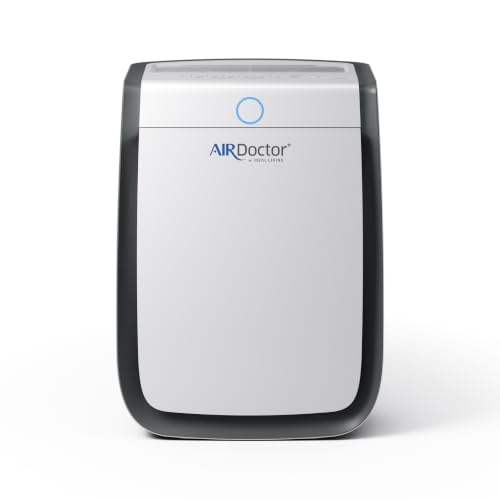
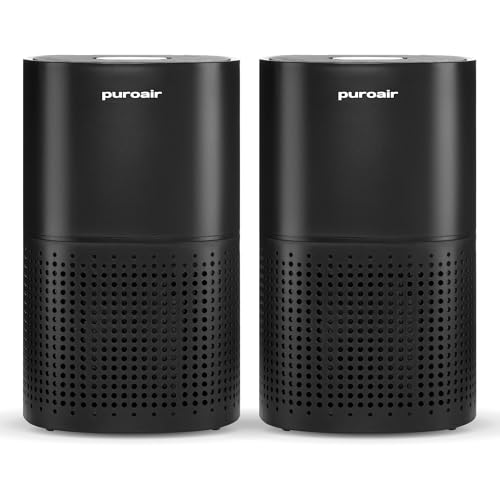
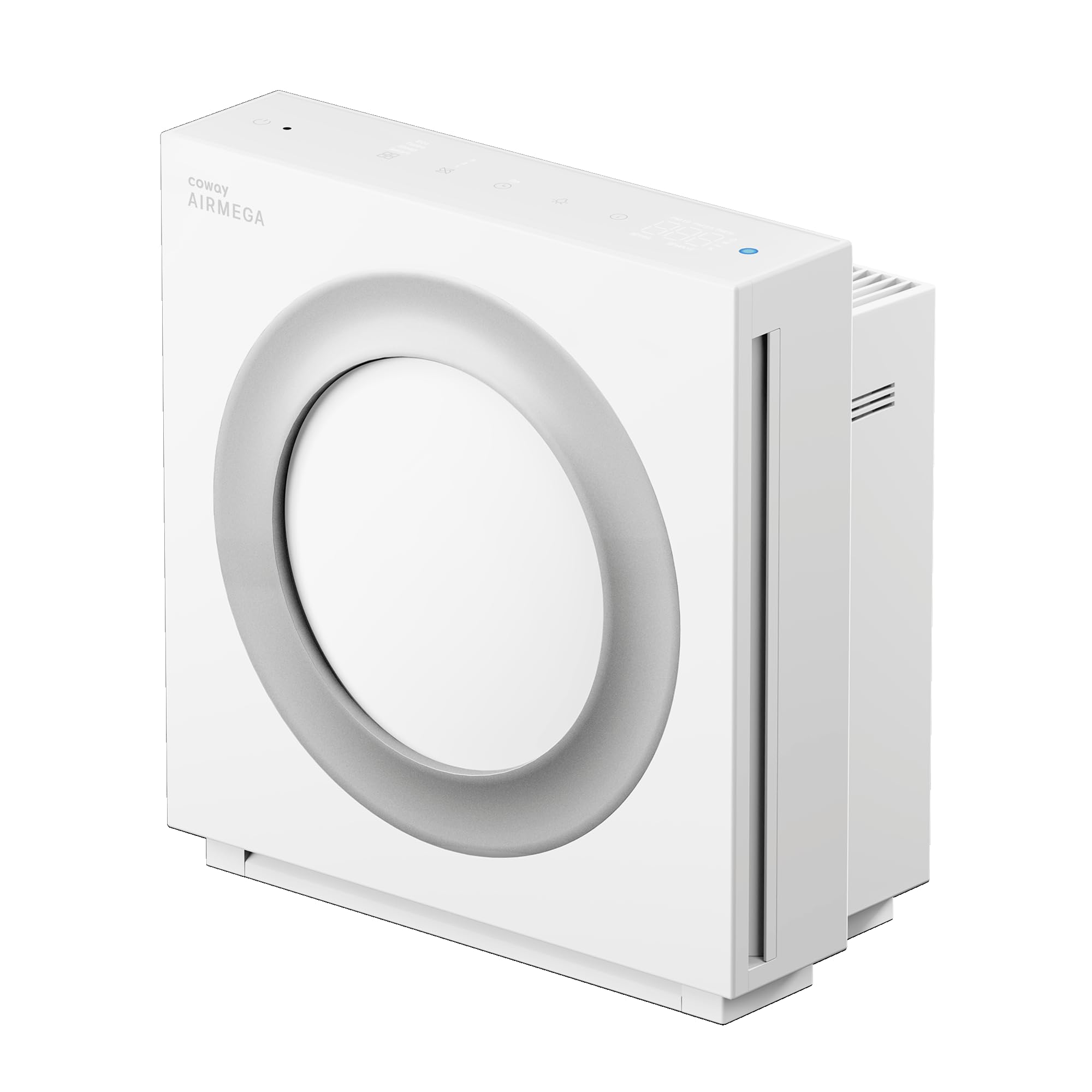
There is no single best model for every damp room. A small bathroom, a finished basement, and a whole apartment with a past leak each need a different mix of airflow, filtration, and run time. Use the comparison table below to shortlist units, then work through the sizing and filter checks that follow. If you see widespread visible growth, soft or crumbling walls, or anyone in the home struggling to breathe, pause the shopping and get a qualified mold professional and a clinician involved first.


Who Should Buy Which Air Purifiers?
Your reason for buying shapes the right choice. Some readers want relief from a musty closet smell, others are cleaning the air after a leak has been repaired, and others simply want a thoughtful gift for a relative in a humid climate. The three profiles below cover the most common situations.
For Gift Shoppers
A purifier makes a kind gift for someone in a damp apartment, but only if it is easy to place and maintain. Choose a compact unit with simple controls, a clear filter change light, and replacement filters that are easy to order. Add a note with the room size it suits and a reminder that it works alongside fixing leaks and ventilation, not instead of them. A solid warranty protects the gift if anything fails early.
For First Time Buyers
First time buyers should keep the setup simple. Look for a unit with a True HEPA filter, an auto mode, and a front panel that opens without tools so the first filter change feels manageable. Avoid extras you do not understand yet, such as ionizers, until you know the basics work in your room. Run the purifier in the dampest room first, and judge results by smell and visible dust after a few weeks of steady use.
For Value Seekers
Value here means strong filtration without punishing filter costs. Damp rooms run purifiers for long hours, so a filter that lasts close to a year beats a cheap filter replaced every few months. Compare the yearly cost of filters plus power against CADR, and favor units with a washable pre filter that catches larger particles before they load the main filter. Readers comparing the wider category can start with our guide to the best home air purifiers and then return to the mold specific checks below.
Key Features to Compare
Mold control is a two part problem: spores in the air and moisture on surfaces. A purifier handles the first part, so its filter, airflow, and sizing deserve close attention. The features below explain what to look for and why each one matters in a damp room.
Filter Type and Replacement Cost
True HEPA is the filter that matters most for mold, because it traps spores, which are only a few microns across, along with dust and pollen. Some sellers use loose terms like HEPA type for filters that miss more fine particles, so check the wording carefully. Activated carbon helps with the musty odor that mildew leaves in a room, though it does not trap spores. Price the replacement filter before you buy the machine, and note how many months it lasts in a humid space, since damp air can shorten filter life.
Features That Matter for Mold and Mildew
A purifier for damp rooms should run for long stretches without fuss, so look for a reliable auto mode, a sensor that reacts to particle spikes, and a housing that tolerates humid air. A sealed filter path matters, because air that slips around the filter carries spores straight back into the room. Some units add ultraviolet light or other extras, but these do not replace HEPA filtration or moisture control. If musty air is your main complaint, our guide to the best home air purifiers for mold adds more detail on pairing a purifier with dehumidifying and ventilation.
Performance Ratings (CADR, BTU, Pints/Day, CFM)
CADR tells you how fast a purifier delivers cleaned air for dust, pollen, and smoke sized particles, and mold spores fall in a similar size range, so use CADR as your speed guide. BTU measures cooling power and pints per day measures water removal by a dehumidifier, so neither rates a purifier, though a dehumidifier may be a partner purchase for a damp room. CFM states raw airflow without filtration context. Prefer CADR figures verified through AHAM, and treat any coverage claim without a CADR behind it with caution.
Room Size and Coverage
Match the unit to the room where damp air collects, not to the whole home. Measure length times width for square feet, then pick a smoke CADR of at least two thirds of that number, so a 270 square foot basement room needs a CADR near 180. Aim for the air to cycle through the filter about four to five times per hour in a room with an active musty problem. Closed doors shrink the area the unit must serve, which helps a smaller machine keep up. For a closely related problem, see our guide to the best air purifiers for mold and dust if dust buildup is also heavy in the same rooms.
Common Mistakes to Avoid When Buying Air Purifiers
- Expecting a purifier to remove growth. It traps spores in the air only. Mold on walls, grout, or carpet backing must be cleaned or removed at the source.
- Ignoring the moisture source. A leak, poor ventilation, or indoor humidity above about 60 percent will keep feeding growth no matter how strong the purifier is.
- Skimping on the filter. A vague HEPA style filter can let fine spores pass. True HEPA and a sealed filter housing are the safer choice.
- Buying the wrong size. An undersized unit in a large basement never catches up, while an oversized one in a tiny bathroom wastes money and space.
- Skipping the warranty. Long daily run times in damp air are hard on motors and sensors, so confirm coverage before you buy.
One more caution belongs here. If someone in the home has asthma, a weakened immune system, or new symptoms such as wheezing, chest tightness, or a cough that will not settle, talk with a doctor rather than relying on any appliance. Purifiers support a healthy room, but they are not medical treatment, and large mold problems call for professional remediation.
How to Make Your Air Purifier Last Longer
Replace or clean filters on schedule, and check them more often in damp rooms because moisture and heavy particle loads shorten filter life. Keep doors and windows closed while the unit runs when outdoor air is humid or full of pollen, so the machine is not fighting a constant inflow. Leave clearance around the intake and exhaust so air moves freely, and wipe dust from vents and the sensor lens with a dry cloth. Run the unit steadily instead of in short bursts, since steady airflow keeps spore counts low, and store spare filters in a dry place so they stay clean before use. Our overview of the best air cleaners and purifiers covers general care that applies across room types.
Air Purifiers: Your Questions Answered
What features matter most in air purifiers for mold and mildew?
True HEPA filtration, a sealed filter path, and enough CADR for the room matter most. Together they capture spores quickly and stop cleaned air from mixing with air that slipped past the filter. A carbon stage earns its place for musty odors. Just remember that these features control airborne spores only, and the damp surface feeding them still needs direct attention.
Do air purifiers really work?
Yes, for airborne particles they work in a measurable way: a HEPA filter physically traps spores as air passes through it. What they cannot do is scrub mold off a wall or dry a wet room. Think of the purifier as one half of the fix, with cleaning, leak repair, and humidity control as the other half. Used together, the room smells fresher and spore counts in the air fall.
How often should I replace the filter?
Most main filters last about six to twelve months, but damp and dusty rooms sit at the short end of that range. Check the filter if a musty smell returns or the unit sounds strained, even before the indicator light changes. Never wash a HEPA filter unless the maker says it is washable, since water damages the fine fibers. Keep a spare on hand so a worn filter is never left running.
Is it expensive to run 24/7?
No, running costs are modest for most home units. A purifier drawing around 30 to 50 watts on its everyday speed generally costs a few dollars per month in electricity. In a damp room, steady running is often the right choice, because spore levels climb again when the fan stops for long stretches. The bigger budget item is filter replacement, so include that in your yearly cost estimate.
Where is the best place to put it?
Put it in the dampest room, close to the likely source such as a bathroom door or basement corner, with open space around the intake. Keep it off wet floors, away from direct splashes, and not pressed against the wall where growth is present. If spores are the concern in several rooms, our guide to the best air purifiers for mold spores explains how to prioritize which room gets the unit first.
Final Thoughts
Choose True HEPA filtration, size the CADR to the damp room, and commit to fixing moisture at the same time. Those three steps do more for mold and mildew than any extra feature list. Check the product table above with your room measurements ready, and remember to talk with your clinician about personal needs if anyone at home has breathing symptoms that persist. Chosen and used that way, the best air purifiers for mold and mildew become a steady, practical part of a drier and fresher home.