Best Air Purifiers for Dog Owners: A Buying Guide for 2026
Disclosure: We may earn a commission when you buy through links on this page, at no extra cost to you. As an Amazon Associate I earn from qualifying purchases. Learn more

Use this buying guide to compare the best air purifiers for dog owners by filter type, room size, noise, and yearly running cost before you choose.
Living with a dog means living with hair on the sofa, dander in the air, and that familiar dog smell after a wet walk. A good purifier will not remove the dog, thankfully, but it can cut down the airborne part of the mess in the rooms you use most.
This guide explains which filters handle hair, dander, and odor, how to size a unit for your rooms, and what each price level usually gives you. If you are comparing best air purifiers for dog owners for the first time, use the comparison table below after you know your room size and filter needs.




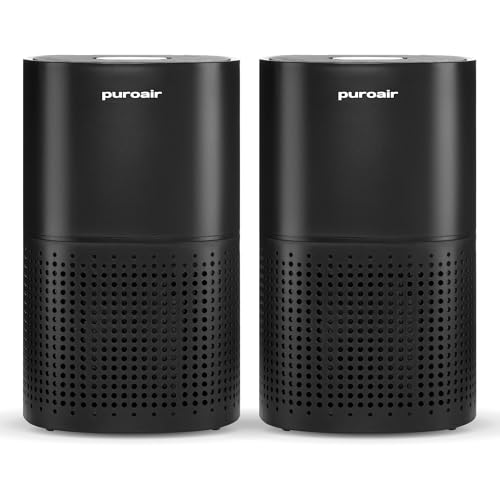
What Each Price Tier Gives You
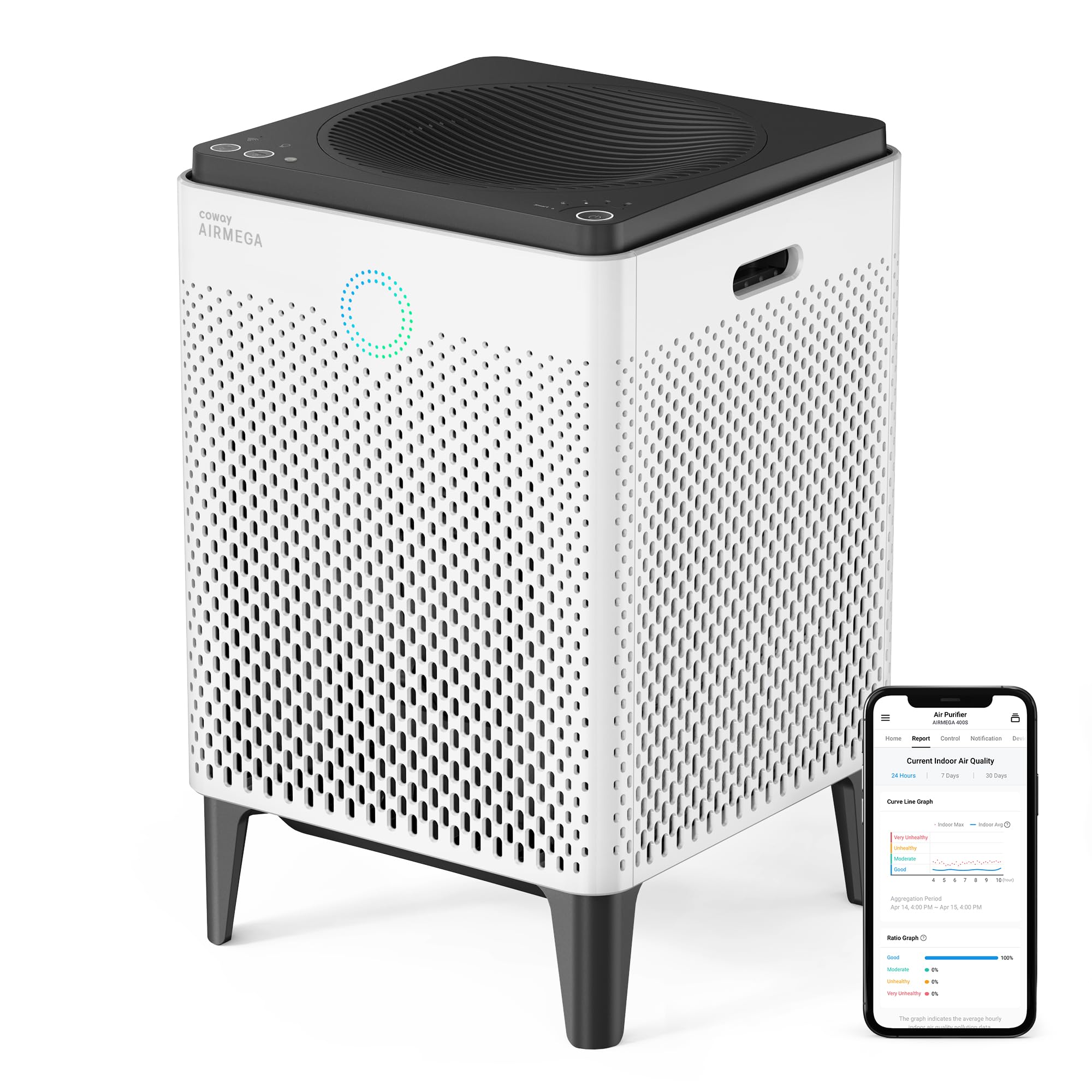
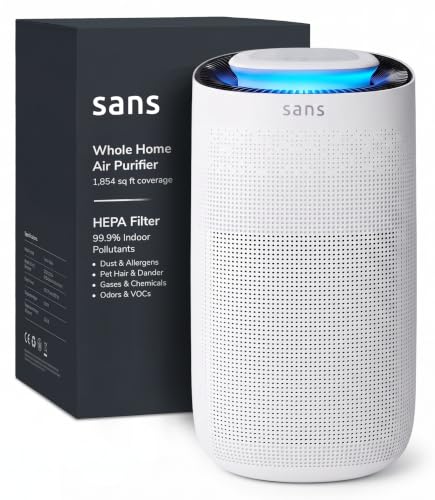
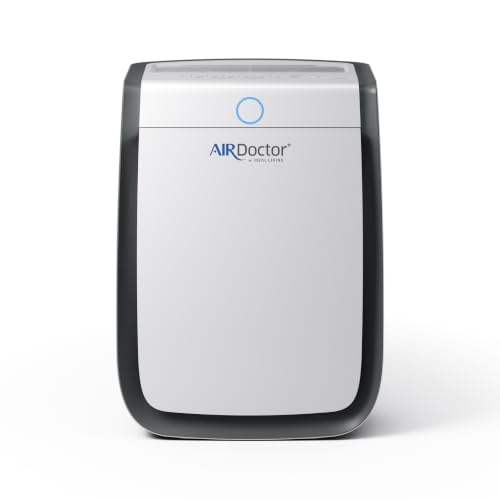
Price tiers in this category map fairly well to airflow, carbon weight, and how long filters last. Use the tiers below as a guide to what your money buys, rather than chasing a single model name.
Budget Tier: The Basics Done Right
Units under about $150 usually suit one small room, such as a bedroom where your dog sleeps. Expect True HEPA filtration on the better models, a simple prefilter for hair, and basic manual controls without an app or air quality display.
The limits are slower cleaning in larger rooms and thinner carbon, so odors fade more slowly and return sooner. For a single room and one dog, this tier can be enough, as long as the filter is genuinely True HEPA and replacements are easy to find.
Mid Tier: The Balanced Choice for Most Homes
Units around $150 to $300 typically add stronger CADR for living rooms, a better carbon stage for dog odor, and a particle sensor that adjusts speed on its own. Prefilters are often washable, which helps when hair builds up fast during shedding season.
This is the tier most dog households should start with, because it covers the main family room without the cost of whole home equipment. You also tend to get a sleep mode quiet enough for bedrooms and a filter life closer to a full year.
Premium Tier: When the Extra Spend Helps
Units above about $300 earn their price in large open plan spaces, homes with several dogs, or rooms where odor control is the top concern. Expect high CADR, a heavy carbon bed, detailed air quality readings, and quieter operation at speeds that still clean quickly.
The trade off is size, weight, and pricier filters. If your dog mainly uses one modest room, this tier adds little. If shedding and smell spread across a big shared space, the stronger airflow and longer lasting carbon can be worth it.
How to Choose an Air Purifier: Buying Guide
The sections below are the decision points that matter for a home with dogs. Work through them in order and your short list will shrink fast.
Features That Matter for Dog Owners
Dogs add three loads at once: visible hair, invisible dander, and odor. Hair is easy to trap but clogs filters fast, dander is tiny and stays airborne for hours, and odor needs carbon rather than a particle filter.
Prioritize a washable prefilter for hair, True HEPA for dander, and the heaviest carbon stage your budget allows for smell. If dander is your main worry, our guide to the best dog dander air purifiers goes deeper on that one problem. A purifier reduces airborne dander, but it is not a medical treatment, so talk with your doctor or allergist about allergy symptoms and personal needs.
Room Size and Coverage
Place the unit where your dog spends the most time and where your family sits, usually the living room or the bedroom. Measure that room in square feet and choose a unit rated for that size at four to five air changes per hour for strong dander control.
A unit rated for a much larger room can run on a lower and quieter speed in your space, which helps at night. Open plan rooms need the higher end of the range, because air drifts into kitchens and halls instead of staying in one cleaned zone.
Filter Type and Replacement Cost
A three stage setup serves dog homes best: a prefilter for hair, True HEPA for dander and fine dust, and activated carbon for odor. Check that the prefilter can be vacuumed or washed, because replacing a hair clogged prefilter every month gets expensive.
Main filters in dog homes often last about six to twelve months, and heavy shedding can shorten that span. Yearly filter spend commonly falls around $80 to $250 depending on unit size. Know how point: vacuum the prefilter every two weeks during shedding season, since a clear prefilter keeps airflow strong and delays the costlier main filter change.
Smart Controls and Sensors
A particle sensor can raise fan speed when your dog shakes off dust or comes in from the yard, then settle back down when the air clears. That automatic response is useful because dander spikes happen at moments you may not notice.
App control and schedules help if the unit sits in a room you do not enter often, letting you run a higher speed before you come home. A simple air quality light on the unit itself is enough for many homes, so treat WiFi as a convenience rather than a cleaning feature. For homes with cats or mixed pets, our guide to the best air purifiers for pet owners covers the shared ground.
Safety Features
Choose a unit with a UL or ETL listing and a stable, heavy base that a leaning dog cannot tip. A grille with narrow openings keeps curious noses and paws away from the fan, and a control lock helps if your dog steps on top buttons.
Skip units that produce ozone as a cleaning method, since ozone can irritate airways for people and pets. Keep cords out of chewing reach, and place the unit where a water bowl splash cannot reach the intake or the outlet socket.
Energy Efficiency and Operating Cost
Most home purifiers use about 30 to 90 watts on the speeds you will run daily, so round the clock use usually adds only a modest amount to a power bill. An ENERGY STAR model signals an efficient motor and fan design.
Your real running cost is filters, not electricity. Add one year of filter prices to each unit you consider, and compare that total alongside purchase price. Running a correctly sized unit on a medium speed often costs less than running an undersized unit flat out for the same result.
Types of Air Purifiers
Most units for dog homes fall into three broad types. The right type depends on whether your dog roams the whole house or mostly claims one room, and a look at our guide to the best air cleaners and purifiers can help you place these types in the wider market.
Large Room and Whole Home Units
These are tall, powerful units built for open plan living areas and rooms above about 300 square feet. They move a lot of air, carry large filters that last longer, and handle the shared spaces where dogs and people gather.
They suit multi dog homes and heavy shedding breeds best. The downsides are footprint, weight when filters need changing, and the highest filter prices in the category.
Smart and WiFi Models
Smart models add sensors, app control, and schedules to standard HEPA and carbon filtration. They suit busy owners who want the unit to react on its own when dander rises, and anyone who likes checking air quality readings from another room.
Cleaning performance depends on the same filters and fan as any other unit, so judge the filtration first and the app second. If you dislike apps, a model with a good automatic mode on the unit gives most of the benefit.
Portable Units
Portable units are compact models you can move between a bedroom, a home office, and the room where your dog sleeps. They suit renters, single room problems, and seasonal shedding in one area.
Their limits are lower CADR and smaller carbon stages, so odor control is lighter. Our guide to the best air purifiers for dogs looks at dog focused setups if you want to compare portable and full size approaches side by side.
Setup and Care Tips
- Place the unit where the dog actually is. A purifier cleans the room it sits in, so start with the living room or sleeping room rather than a hallway.
- Replace or clean filters on schedule. Vacuum the prefilter often, and change the main filter when airflow drops or the indicator calls for it.
- Keep doors and windows closed while running. Open windows pull in pollen and dust that add to the load your filter must handle.
- Leave clearance around the intake and exhaust. A unit pressed against a sofa or curtain cleans far less than its rating suggests.
- Groom and wash bedding regularly. Brushing your dog and washing its bed weekly removes hair and dander at the source, so the purifier deals with less.
Air Purifiers: Your Questions Answered
What features matter most in air purifiers for dog owners?
A washable prefilter for hair, True HEPA for dander, and a solid carbon stage for odor matter most. Add enough CADR for your main room and a quiet speed for night use. One extra worth checking is filter availability two years from now, so favor common filter sizes from makers with a steady supply record.
Do air purifiers really work?
Yes, a sealed True HEPA unit removes much of the hair, dander, and dust that passes through it, and carbon reduces dog odor in a closed room. It will not stop shedding or clean hair already settled into carpets, so vacuuming still matters. Expect the clearest gains in the room where the unit runs steadily.
What size air purifier do I need for my room?
Measure the room where your dog spends the most time, then pick a unit rated for that square footage at four to five air changes per hour. For open plan spaces, size for the whole connected area or accept slower cleaning. A slightly oversized unit on a lower speed is usually quieter than a small unit running at full power.
Where is the best place to put an air purifier in a dog home?
Put it in the room your dog uses most, near the dog bed or favorite chair but with clear space around the intake. Keep it a safe distance from water bowls and out of direct chewing reach. If your dog sleeps in your bedroom and lounges in the living room, the bedroom spot often wins because you breathe that air all night.
Is an air purifier expensive to run all day?
No, electricity for a typical home unit usually costs only a few dollars a month, even run around the clock. Filters are the bigger expense, often about $80 to $250 a year in a dog home. Turning the unit off whenever you leave wastes little money either way, but steady running keeps dander levels lower when you return.
Wrapping Up
For most dog households, the winning mix is a washable prefilter, True HEPA filtration, a real carbon stage, and enough CADR for the room your dog claims as its own. Match the price tier to your space, mid tier for most living rooms, premium only for large or multi dog homes.
When you compare best air purifiers for dog owners, use the product table above to check coverage, noise, and filter prices together. If dander triggers allergy symptoms in your home, talk with your clinician about personal needs alongside any air cleaning steps you take.