Best Air Purifiers for 1000 Sq Ft: Reviews and Buying Guide for 2026
Disclosure: We may earn a commission when you buy through links on this page, at no extra cost to you. As an Amazon Associate I earn from qualifying purchases. Learn more

A buying guide to the best air purifiers for 1000 sq ft, with CADR targets, filter advice, placement tips, and cost checks for large open spaces.
Cleaning the air in a space of about 1000 square feet is a different job from cleaning a bedroom, and many units that shine in small rooms fall behind here. This guide explains how to choose the best air purifiers for 1000 sq ft by focusing on verified airflow, filter size, and placement. You will learn the numbers a large space demands and the shortcuts that leave corners of the room uncleaned.
No single compact unit quietly handles this much air, so honest expectations matter from the start. Use the comparison table below alongside the targets in this guide, and you can judge any large room model in minutes.
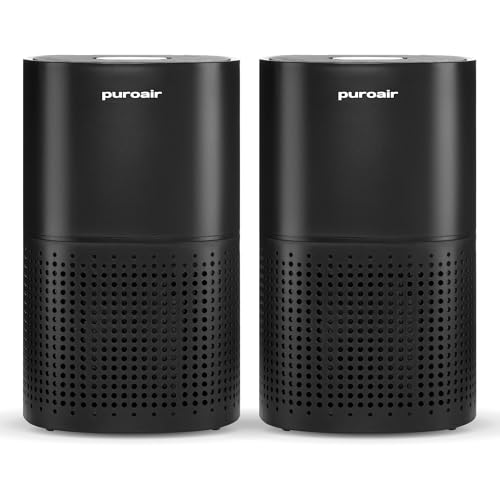
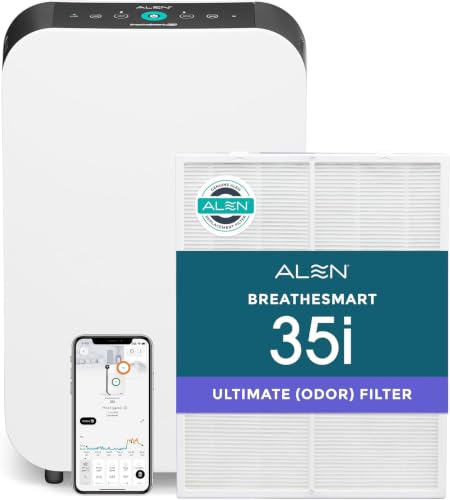


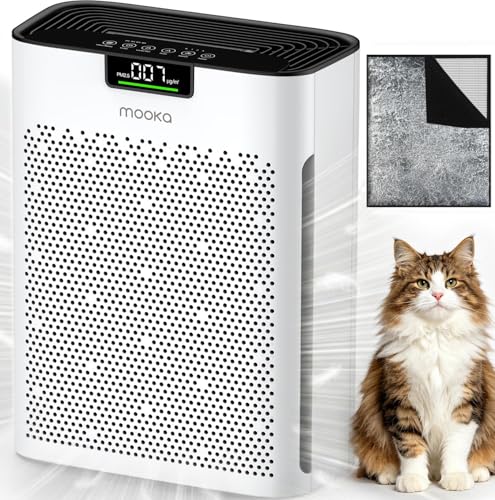


Our Top 3 Picks at a Glance
Rather than naming specific models, judge the options in the product table above against these three buying profiles. Each profile describes who it fits, what strength to demand, and what trade off to accept. Any unit that matches a profile on sizing and filtration deserves your attention, whatever its brand.
Best Overall
The best overall profile for this space is a large floor unit with a smoke CADR around 650 or higher, a True HEPA filter, and a carbon stage for everyday odors. That CADR level supports roughly four to five air changes per hour in 1000 square feet with standard ceilings, which is the range allergy guidance favors. Expect a price around $300 to $600 and a cabinet that claims real floor space. The trade off is size and weight, so plan a permanent spot rather than daily moving.
Best Value
The best value profile often means two mid size units instead of one giant one, placed at opposite ends of the space. Two units with CADR around 350 each can match one large unit on total cleaning while covering corners better and adding backup if one stops. Combined prices often land around $250 to $450, sometimes below a single premium unit. The trade off is two filters to maintain and two outlets to spare, so count those costs before choosing this route.
Best Premium Pick
The premium profile adds very quiet operation at high airflow, a detailed particle sensor with numeric readouts, and long life filters that can run a year or more. Prices often run above $600, and replacement filters cost more per set even though they last longer. This profile suits open plan homes where the unit runs in the main living area all day and noise matters as much as power. The trade off is the upfront cost, which only pays back if you truly run the unit daily for years.
How to Choose the Best Air Purifiers: Buying Guide
This section is the heart of the guide, because large spaces punish small mistakes in sizing. For context, shoppers comparing the best air purifiers for 1000 sq ft should treat every claim below as a checklist item, not a suggestion. A unit that fails one item will disappoint in a space this large even if it excels at the rest.
Features That Matter for 1000 Sq Ft
A space this size holds a lot of air, so raw cleaning speed dominates every other feature. Prioritize a high CADR, a large filter with generous media area, and a motor built for continuous duty. Wheels and handles matter because these units are heavy, and a long cord gives placement freedom. Decorative lighting and app extras rank last. If a listing for this category hides its CADR, assume it is modest and keep looking.
Room Size and Coverage
AHAM guidance ties CADR to room size with a simple rule: the smoke CADR should be at least two thirds of the room area, which means about 670 or higher for 1000 square feet. That level gives roughly two air changes per hour, and allergy focused buyers should aim higher or add a second unit for four to five changes. Ceiling height matters too, since a tall great room holds far more air than the same floor area under a standard ceiling. Measure the full open area, including connected kitchen and hall space.
Safety Features
Choose a unit with a UL or ETL safety listing, which confirms independent electrical testing for the United States market. Large units draw more power than tabletop models, so a sound cord, a stable base, and a tip over shutoff on tall designs are worth checking. AHAM verification adds confidence that the CADR claim was measured under a shared standard. In homes with small children, a control lock prevents curious hands from switching the unit off or to turbo at night.
Noise Level (dB) and Sleep Mode
Big motors make more noise, and the turbo setting on a large unit can be loud enough to raise voices over. What matters is the noise at the speed that actually maintains clean air, usually a medium setting once the room is under control. A sleep mode helps if the space doubles as a guest room, though overnight cleaning of 1000 square feet at whisper level is unrealistic. Plan to run higher speeds while you are out and lower speeds while you are home.
Energy Efficiency and Operating Cost
Large units commonly draw about 60 to 120 watts on working speeds, so daily running costs more than a small bedroom unit but still far less than cooling the same space. ENERGY STAR models meet efficiency guidance and deserve preference when CADR is similar. Auto mode trims waste by easing off when sensors read clean air, which happens often in a closed home during work hours. Estimate your cost from watts and hours, then compare it with the filter bill, which is usually the bigger figure.
Performance Ratings (CADR, BTU, Pints/Day, CFM)
CADR is the rating to compare here, with separate values sometimes listed for tobacco smoke, dust, and pollen; smoke is the strictest and the one to use. CFM states airflow and can look impressive while saying nothing about filtration, since air that bypasses the filter is not cleaned. BTU belongs to air conditioners and pints per day to dehumidifiers, so set both aside for this purchase. Two units with equal CADR clean at equal speed, whatever their cabinet shape.
Installation and Placement
These units need no installation, but placement decides whether the rated power reaches the whole space. A central position with clearance on all sides lets cleaned air spread and return air arrive from every direction. In a long open plan, a spot midway along the length beats a corner, and the two unit layout beats both. Keep the unit away from the kitchen stove itself, since grease shortens filter life, while still close enough to catch cooking particles as they drift.
Types of Air Purifiers
Portable Units
Portable units in this context are the larger wheeled models you can roll between an open living area and a big bedroom. They suit renters and anyone whose largest space changes by season. Their limit is that one portable rarely matches a fixed large unit on CADR, so check the rating rather than the marketing. For smaller budgets, our guide to the best inexpensive air purifiers shows what careful shopping at lower prices can still deliver.
Large Room/Whole Home Units
These are the heavy floor units built for exactly this job, with the highest CADR figures and the largest filters. They fit open plan main floors and large great rooms, running steadily in one chosen spot. The cost is floor space, purchase price, and effort when filters change. For whole home planning beyond one big space, see our guide to the best home air purifiers.
Small Room Units
Small room units alone cannot serve 1000 square feet, and listing claims that suggest otherwise rely on very low air change rates. They still have a role as partners, handling a closed bedroom or office while the large unit covers the open area. Used that way, they add targeted cleaning where doors stay shut for hours. Never count their CADR toward the main space unless the door stays open and air flows freely.
Smart/WiFi Models
Smart models add sensors, app control, and schedules, which help a big unit respond to cooking, gatherings, and smoke days without manual changes. The cleaning still comes from the filter and fan, so judge the CADR first and the app second. WiFi features suit busy households that will actually use automation. If you prefer simple dials, a manual model with equal CADR cleans just as well for less money.
Setup and Care Tips
- Replace or clean filters on schedule. Large filters cost more, so mark the change date and budget for it rather than stretching a loaded filter.
- Keep doors and windows closed while running. Open windows in pollen season refill the room with the particles you just removed.
- Leave clearance around intake and exhaust. Several inches on every side keeps airflow at the rated level and noise at the rated level too.
- Vacuum the prefilter monthly. Hair and lint caught early extend the life of the costly HEPA stage behind it.
- Clean water tanks weekly to prevent mold if you own a combo unit with a humidifier section, and empty it before any storage period.
- Run a high speed cleanup after gatherings. An hour on a higher setting after guests or cooking resets the room, then auto mode can take over.
Shoppers curious about combo machines can read our guide to the best humidifiers air purifiers for how the two functions interact. Filter grade questions are answered in depth in our guide to the best air purifiers hepa.
Air Purifiers: Your Questions Answered
What features matter most in air purifiers for 1000 sq ft?
Verified CADR near or above 670, a True HEPA filter with a large media area, and a motor rated for constant use matter most. Those three decide whether the unit can keep up with the air volume. Sensors and app control help manage that power but cannot replace it. Check those basics first and most listings sort themselves quickly.
Is it expensive to run 24/7?
It costs more than a small unit but stays modest next to heating or cooling bills. A large unit drawing about 90 watts around the clock uses roughly two kilowatt hours a day, which you can price from your own power rate. Auto mode lowers that figure on clean days. The filter bill, not the power bill, is usually the larger yearly cost at this size.
What size do I need for my room?
For exactly 1000 square feet with standard ceilings, target a smoke CADR of about 670 or higher, or combine two units whose CADR adds past that mark. Taller ceilings call for more, since air volume grows with height even when floor area stays the same. Open connections to other rooms add to the effective area. When torn between two options, the higher CADR run on a lower speed is quieter.
How often should I replace the filter?
Large HEPA filters commonly last six to twelve months, with busy pet homes at the short end. Because each filter costs more at this size, follow the unit indicator and visible condition rather than replacing early out of habit. Carbon stages may need changing sooner if cooking odors return. Buying the correct filter size matters, so order by the exact model number.
Do air purifiers really work?
Yes, a correctly sized HEPA unit steadily lowers particle levels across a large room while it runs. The effect is gradual rather than instant, with the biggest gains after several full air changes. It will not remove gases without carbon or clean dust already settled on shelves. Regular dusting plus steady filtration together give the cleanest result.
Where is the best place to put it?
Choose a central, open position in the large space, away from corners and soft furnishings that block vents. If the layout is long, place the unit midway or use the two unit layout at opposite ends. Keep it near the main seating area rather than beside a rarely used doorway. A few feet of clearance on the intake side protects both performance and quiet.
Wrapping Up
For a space this large, CADR, filter size, and placement decide everything, and the product table above should be read through those three lenses. One strong unit or two mid size units can both succeed if the combined CADR clears the target. Our guide to the best air cleaners and purifiers offers related options if your layout changes.
The best air purifiers for 1000 sq ft are the ones with verified power to match the room and filters you can afford to replace on time. Size honestly, place centrally, and the whole space will feel the difference.