
Best Air Pumps for Tires 2026: Every Type Explained Side by Side
Disclosure: We may earn a commission when you buy through links on this page, at no extra cost to you. As an Amazon Associate I earn from qualifying purchases. Learn more
Learn how to choose air pumps for tires by power source, pressure range, speed, and portability, with tips for cars, bikes, and emergencies.
A tire air pump is a small tool that prevents big problems. Correct tire pressure improves safety, fuel use, and tire life, yet many drivers only check pressure when a warning light appears. best air pumps for tires make regular checks quick, whether at home or on the road.
This guide explains pump types, pressure ranges, power sources, and speed. It helps car drivers, cyclists, and families choose a pump that fits their vehicles and their emergency needs.

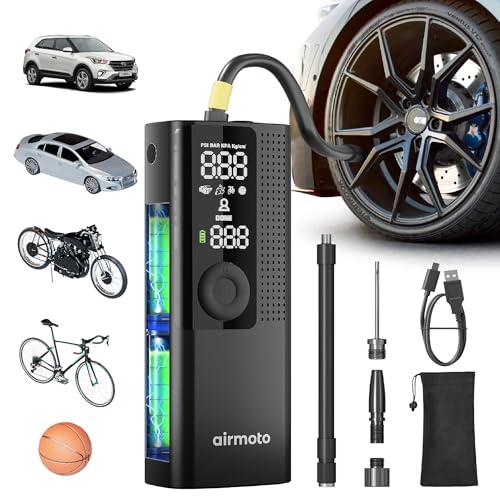
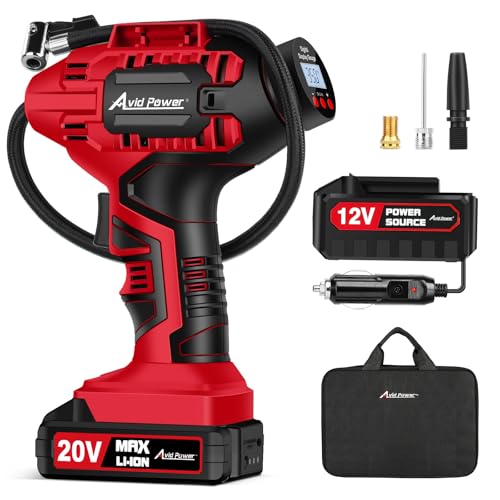

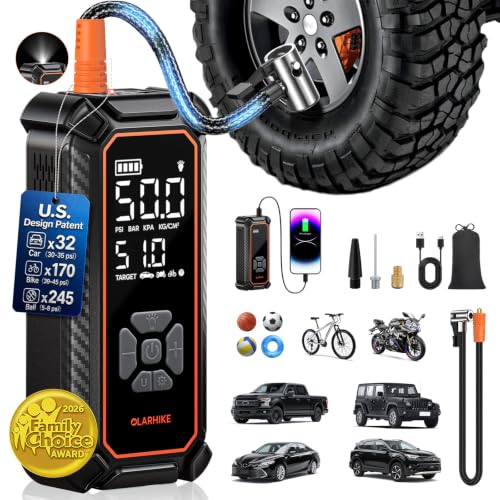

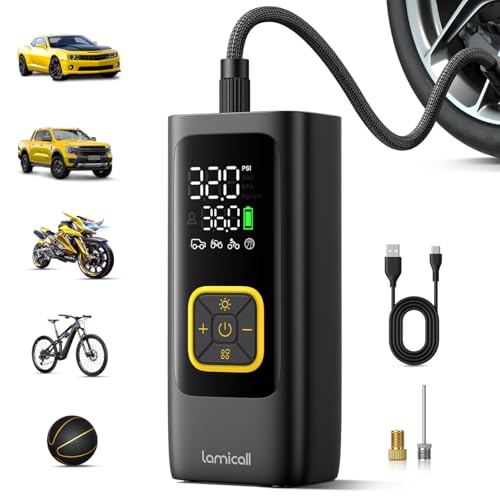
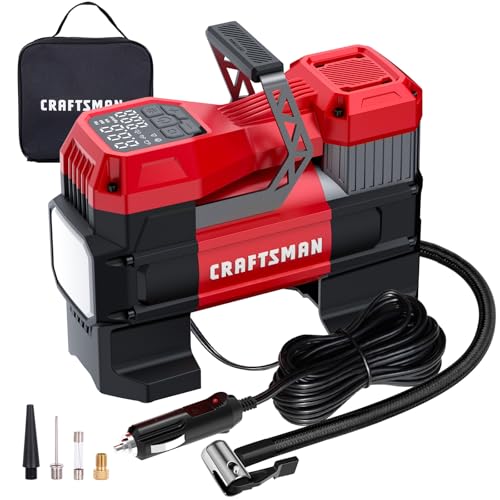
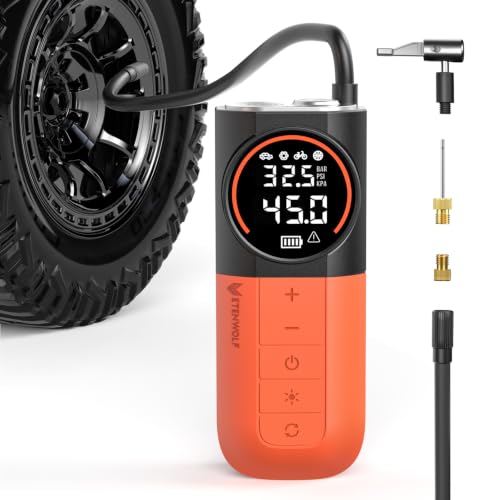
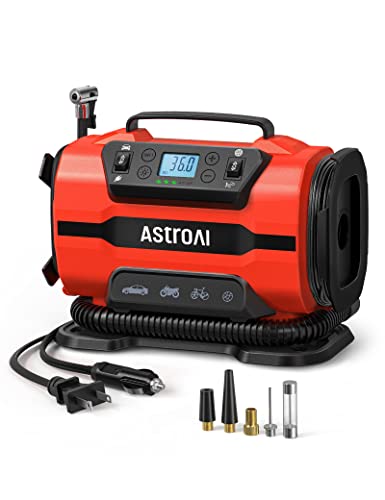
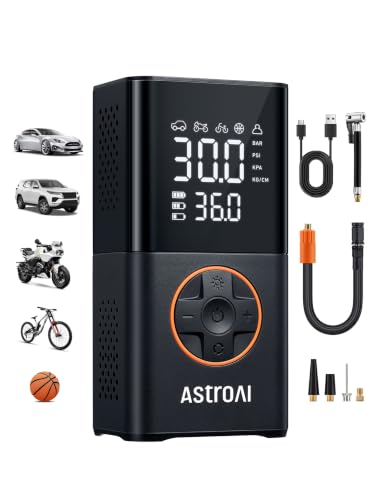
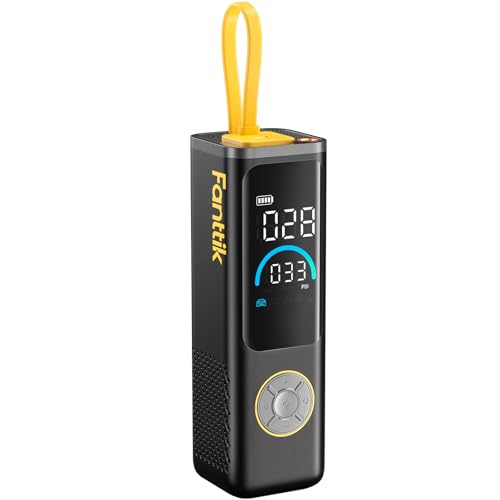
The comparison table below gives a quick overview of the main choices. The sections that follow explain types, features, and everyday use, so you can match a model to your routine rather than to a showroom display.
Who Should Buy Which Model
Tire pumps suit drivers who want to maintain pressure at home, cyclists who ride often, and anyone who travels far from service stations. They help families with several vehicles, since one pump can serve cars, bikes, and sports balls with adapters.
They are less suited to heavy commercial use, where workshop compressors handle high volume work faster. If you run a garage or inflate many large tires daily, a larger compressor may serve you better than a portable pump.
Types Compared
Most choices fall into a few clear types. The differences below matter more than small specification gaps, because they decide how the product feels in daily use.
12V portable tire inflators
12V inflators plug into a car outlet and suit roadside emergencies. They are compact, affordable, and easy to store in a trunk. Many include preset pressure shutoff, which prevents overinflation.
12V inflators inflate slowly, especially for large tires. They can overheat during long use, so they suit top ups and emergencies better than full inflation from flat.
Cordless battery tire inflators
Cordless inflators use rechargeable batteries and work anywhere without a car outlet. They suit cyclists, motorcyclists, and drivers who want grab and go convenience. Many are light enough for a backpack.
Battery capacity limits inflation volume, and batteries need charging to stay ready. Check battery life and whether the pump also works while plugged in for longer jobs.
Home compressors with tire attachments
Home compressors offer faster inflation and higher volume for multiple vehicles. They suit garages and households with cars, bikes, and sports equipment. Larger tanks reduce motor strain during longer jobs.
Home compressors are heavier, louder, and need storage space. They are less practical for roadside use unless paired with a portable inflator for emergencies.
Key Features to Compare
Maximum pressure and accuracy
Maximum pressure should exceed your highest tire need with margin. Car tires often need 30 to 35 PSI, while road bike tires need much more. A clear, accurate gauge matters, since over or underinflation affects safety and wear.
Inflation speed and duty cycle
Inflation speed decides how long a top up takes. Duty cycle shows how long a pump can run before cooling down. For large tires, a faster pump with a longer duty cycle saves time and frustration.
Power source and cord length
Power source decides where you can use the pump. Check cord length for 12V models, since short cords struggle to reach rear tires. For cordless models, check charging time and spare battery options.
Nozzles, adapters, and storage
Nozzles and adapters decide versatility. Car, bike, and ball adapters cover most household needs. A storage case keeps adapters together and protects the pump in a trunk or garage.
Common Mistakes to Avoid
A common mistake is relying on a pump gauge without checking it against a trusted gauge. Cheap gauges can read several PSI off, leading to under or overinflation. Verify pressure with a separate gauge occasionally.
Another mistake is running a small inflator continuously until it overheats. Follow duty cycle guidance and let the pump cool between tires. Overheating shortens motor life and can cause inaccurate readings.
Budget and Long Term Value
Portable tire inflators cost about $25 to $70, while cordless models often run about $50 to $120. Home compressors cost about $100 to $250. For most drivers, a reliable 12V or cordless inflator in the middle range covers emergencies well.
Long term value comes from gauge accuracy, motor durability, and hose quality. A pump with a sturdy hose and clear gauge lasts longer than a very cheap model that leaks air at the connector.
A Final Check Before You Order
Before you order, list your vehicles and their recommended pressures from door placards or manuals. Check valve types, since some bikes use different valves than cars. Confirm power source fits your use: home, roadside, or both.
Test the pump on one tire after purchase and compare its gauge with a trusted gauge. Keep the pump, adapters, and a flashlight together for night emergencies. If a tire loses pressure quickly or shows damage, seek professional help rather than repeated inflation.
Related guides can help you compare nearby choices before you decide. Readers who want a wider view often look at best air pumps for car tires, best tire pumps and best air pumps alongside this guide, then return here to check size, fit, and daily use against their own routine.
Getting the Most From Your Choice
Before you commit, picture a normal week with each shortlisted option. For best air pumps for tires, that means thinking about setup, daily use, cleaning, and storage, not just the first day. A product that fits smoothly into a normal week will get used far more than one that needs special effort every time.
During the first days, pay attention to comfort and convenience rather than novelty. A product that feels easy on day three is more likely to stay useful than one that impresses only on day one. Note any setup steps that feel confusing, since you may repeat them later.
Plan for upkeep from the start. Know which parts wear first, how to clean the product safely, and where to get replacements. A product with available spare parts and clear care guidance usually offers better long term value than one without support.
When you compare final prices, include delivery, accessories, and any parts you will need in the first year. The cheapest sticker price is not always the cheapest year of ownership, especially if essential extras are sold separately.
Questions to Ask Before You Order
Use these questions as a final checklist before you buy. They help you catch fit, cost, and upkeep issues while a change is still easy.
- Does this option fit my space, my routine, and the people who will use it most?
- What will I need to clean, maintain, or replace in the first year?
- Which features will I actually use every week, and which are only nice to have?
- Can I return or exchange it easily if the fit or comfort is wrong?
- Does the total cost, including accessories and upkeep, stay within my budget?
Frequently Asked Questions
How often should I check tire pressure?
Check at least monthly and before long trips, since pressure drops slowly over time and with temperature changes. Check when tires are cold for the most accurate reading, following your vehicle maker guidance.
Can a portable pump inflate a completely flat tire?
Many can, slowly, if the tire is not damaged. A flat tire from a puncture or sidewall damage needs professional inspection. Do not drive far on a flat tire, even after inflation, without checking for damage.
12V or cordless: which is better?
12V models suit car emergencies and stay ready without battery charging. Cordless models suit bikes and grab and go use anywhere. Many households benefit from one of each, or a cordless model that also plugs in.
What pressure should my tires be?
Use the pressure on your vehicle door placard or manual, not the maximum on the tire sidewall. The sidewall number is a maximum, not a recommended daily pressure. Check both front and rear recommendations, since they can differ.
Do tire pumps work for bikes too?
Yes, with the right adapters and valve compatibility. Road bikes need higher pressure than cars, so check maximum pressure ratings. Presta and Schrader valves need different adapters, so confirm valve types first.
It also helps to set a simple decision deadline. Give yourself a few days to compare, test fit or size where possible, and check return terms, then decide and move on. For best air pumps for tires, endless comparison rarely improves the outcome once the basics fit. A timely decision leaves more time to enjoy the product itself, and most minor doubts fade once it is in regular use.
Final Thoughts
A tire pump is a small investment that supports safety, tire life, and peace of mind on the road. Pressure accuracy, inflation speed, and power source matter more than extra features.
Match the pump to your vehicles, verify gauge accuracy, and keep it ready for emergencies. Chosen well, best air pumps for tires make routine pressure checks a quick habit rather than a chore.
Use the product table above to shortlist two or three options, then check measurements, fit, and running costs once more before you buy.


