
Best Air Pumps for Car Tires 2026: A Roadside Guide
Disclosure: We may earn a commission when you buy through links on this page, at no extra cost to you. As an Amazon Associate I earn from qualifying purchases. Learn more

Learn how to choose an air pump for car tires, from power source and pressure range to speed, accuracy, and portability for roadside use and safety.
Correct tire pressure improves safety, fuel economy, and tire life, yet many drivers discover a flat or low tire far from a gasoline station. A clear best air pumps for car tires guide helps you choose a pump that lives in your car, works when you need it, and inflates accurately. The comparison table below gives a quick overview.
Air pumps for tires come in portable battery models, car socket models, and larger home compressors, each suiting different routines. This guide explains power sources, pressure accuracy, speed, and portability in plain language, so you can choose a pump that actually gets used rather than forgotten in a garage.

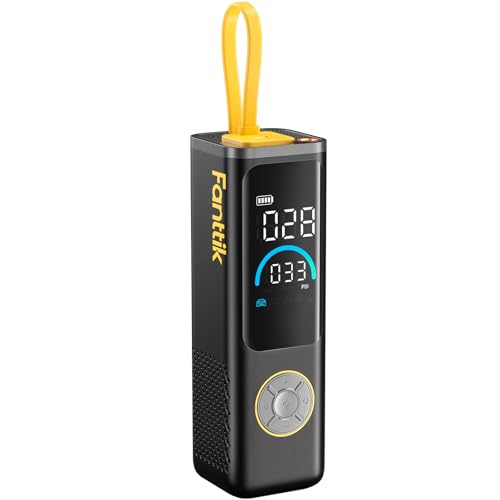
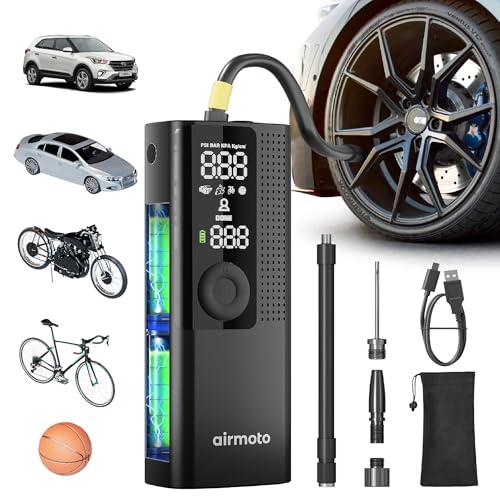
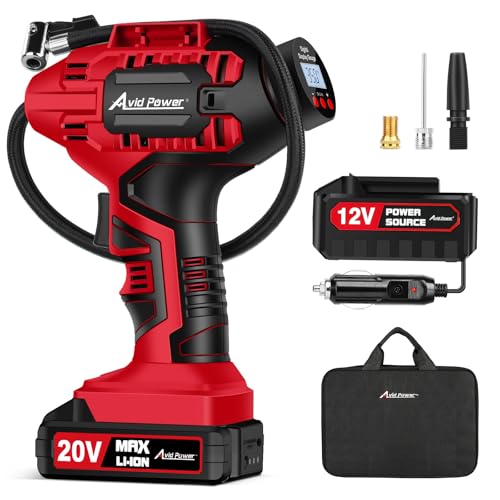

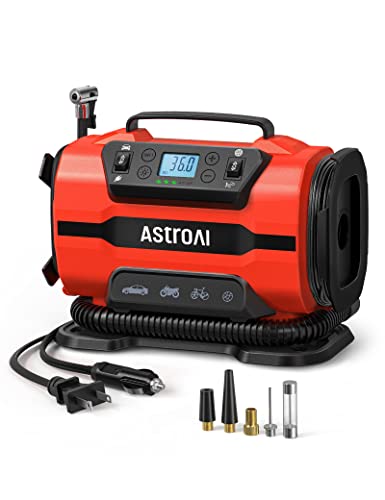
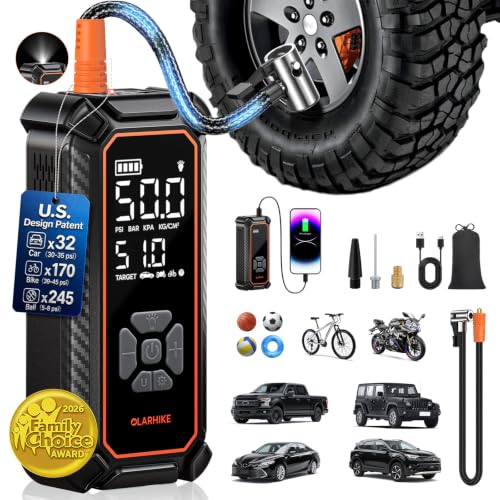

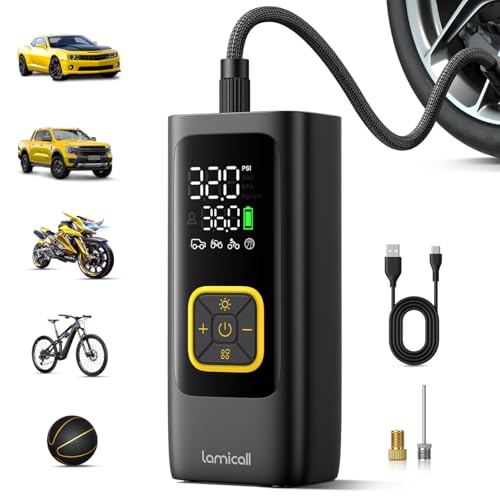
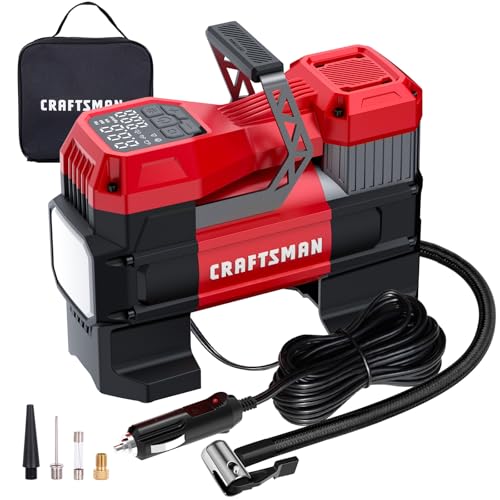
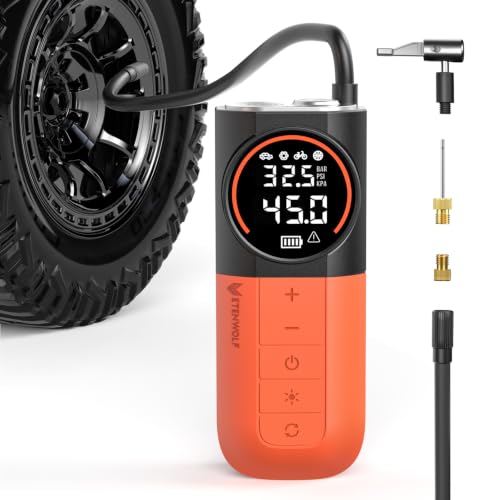
Power Sources: Battery, Car Socket, and Home
Battery pumps offer true portability, since they work away from the car and at a campsite or roadside without a power lead. Their limits are battery capacity and charging, so a pump that dies after one tire is useless on a long trip with multiple low tires. Check how many tires a full charge handles and whether the pump can also run while plugged into the car.
Car socket pumps draw power from the vehicle, giving longer runtime as long as the engine runs or the battery holds charge, but they tether you to the car with a cable. Home compressors inflate fastest and handle large tires easily, yet they stay in the garage and cannot help at the roadside. Many drivers keep a portable pump in the car and a larger compressor at home for routine checks.
Pressure Range, Accuracy, and Auto Shutoff
Pressure range must cover your tires, including cars, SUVs, and possibly bicycles or sports balls if you want one pump for everything. Accuracy matters for safety and tire life, since overinflation reduces grip and ride comfort while underinflation increases wear and fuel use. A digital gauge with auto shutoff at a preset pressure reduces guesswork and prevents accidental overinflation.
Check gauge accuracy against a trusted handheld gauge occasionally, since built in gauges can drift over time and after drops. Auto shutoff is especially useful at night or in rain, when reading a small gauge is difficult. Set pressure to the vehicle maker recommendation on the door jamb or manual, not to the maximum printed on the tire sidewall, which is a limit, not a target.
Speed, Duty Cycle, and Heat
Inflation speed matters when you top up four tires or fill a fully flat tire, since a slow pump can take many minutes per tire and overheat. Duty cycle tells you how long a pump can run before it needs a cooling rest, and ignoring it risks motor damage and inaccurate readings from heat. Check duty cycle for your tire size, and let the pump cool between tires if the manual advises it.
Heat also affects hoses and connectors, so handle them carefully after long inflation sessions and store the pump where heat can dissipate. A pump with a longer hose reaches all four tires without moving the pump constantly, which saves time and reduces strain on connectors. If you inflate large truck or SUV tires regularly, favour a pump rated for larger volumes.
Portability, Storage, and Roadside Use
Portability decides whether a pump actually travels with you, since a bulky pump left in the garage cannot help on the road. Check size, weight, case, and whether hose, nozzle adapters, and power cable store neatly without tangling. A compact pump with a carry case fits easily in a boot corner and stays ready for emergencies.
Roadside use also demands visibility and safety, so carry a reflective vest, a torch, and a warning triangle for night stops, and inflate only in a safe location away from traffic. If a tire is damaged, cut, or bulging, do not rely on a pump alone, since structural damage needs professional inspection or a spare tire. A pump handles slow leaks and pressure top ups, not serious tire failure.
Extras, Durability, and Value
Useful extras include a built in light for night use, multiple nozzle adapters for bikes and balls, and a digital display that is readable in sunlight. Avoid paying for extras you will never use, such as elaborate preset programs for vehicles you do not own, and focus on core inflation performance. Durability matters for a tool that lives in a hot boot, so check build quality, hose strength, and connector durability.
Value should reflect how often you check pressures, since weekly checkers benefit from a faster, more accurate pump, while occasional users may be happy with a simpler model. Check warranty and whether hoses and adapters are replaceable, since those parts wear first. A reliable pump that encourages regular pressure checks pays for itself in tire life and fuel savings.
Related guides include best portable air pumps for car tires, best tire pumps for cars, best air pumps for cars, best air pumps for tires, and best air compressor for car tires.
A Final Check Before You Buy
Before you order, check the pump pressure range against your largest tires, including SUVs or trucks if you own one, and confirm that the hose reaches all four tires comfortably from a single parking position. A short hose forces you to move the pump around the car in rain or darkness, which wastes time and strains connectors, while a longer hose lets you work from one safe spot. Also verify power options for your routine, since a battery pump needs regular charging to stay ready, while a car socket pump needs the engine running or a healthy car battery for longer sessions.
Practice using the pump at home in daylight before you need it at night on a roadside, so setting target pressure, attaching the nozzle, and reading the gauge all feel familiar under pressure. Check pressure when tires are cold, compare the built in gauge with a trusted handheld gauge occasionally, and store nozzle adapters together with the pump so a bicycle or ball valve never catches you unprepared. Familiarity turns a stressful roadside stop into a routine five minute task, which is exactly what a good tire pump should deliver.
Finally, keep roadside safety gear with the pump, including a reflective vest, a torch, and a warning triangle, and remember that a pump cannot fix structural tire damage such as cuts, bulges, or sidewall failure. If a tire will not hold air, shows visible damage, or loses pressure repeatedly, use a spare tire or seek professional help rather than repeatedly topping it up. Regular monthly pressure checks, combined with a reliable pump in the boot, protect safety, fuel economy, and tire life far better than any emergency purchase.
Frequently Asked Questions
What tire pressure should I use?
Use the pressure recommended by your vehicle maker, found on the driver door jamb, fuel flap, or owner manual, not the maximum pressure printed on the tire sidewall. Check pressures when tires are cold for accurate readings, since driving heats tires and raises pressure temporarily. Adjust for heavy loads only as the maker manual advises.
Can a portable pump fill a fully flat tire?
Many portable pumps can fill a fully flat tire, but it takes longer than a top up and may require cooling rests depending on duty cycle. Check that the tire has no structural damage, such as cuts or bulges, before inflating. If the tire will not hold air or damage is visible, use a spare tire or seek professional help instead.
How accurate are built in gauges?
Built in digital gauges are usually adequate for routine top ups, but accuracy can drift after drops, heat, or long use. Compare readings occasionally with a trusted handheld gauge, and replace or recalibrate if differences are consistent. For safety critical decisions, trust the more reliable gauge and follow maker pressure recommendations.
Should I check tire pressure often?
Check pressures at least monthly and before long trips, since tires lose air slowly through normal use and temperature changes affect pressure. Cold weather lowers pressure noticeably, so winter checks are especially important. Regular checks improve safety, fuel economy, and tire life with only a few minutes of effort.
What should I do if a tire keeps losing air?
If a tire repeatedly loses air, inspect for nails, valve leaks, and rim damage, and have it checked professionally rather than repeatedly topping it up. A slow leak can become a sudden failure at speed, so do not ignore persistent pressure loss. Use a spare tire or professional repair, and avoid driving on a severely underinflated tire.
Final Thoughts
A good tire pump encourages regular pressure checks, fits your car, and works reliably when you need it most. The product table above can help you compare power and features, but portability and accuracy should guide the choice. Keep the pump in the car, check pressures monthly, and drive with greater confidence.
Compare best air pumps for car tires on power source, pressure accuracy, speed, and storage size, and choose the pump that suits your driving routine. A small reliable pump is cheap insurance for safety and tire life.


