Best Air Fryer With Dehydrator in 2026: Buying Guide for Snacks and Dinner
Disclosure: We may earn a commission when you buy through links on this page, at no extra cost to you. As an Amazon Associate I earn from qualifying purchases. Learn more
The best air fryer with dehydrator pairs a true low heat range with the right size. Compare basket, dual and oven styles.
Picture a Sunday where apples from the farmers market need using up, herbs from the garden are wilting, and dinner still has to happen on the same counter. A combined appliance lets you dry snacks at low heat for hours, then cook dinner at high heat the same evening. Choosing the best air fryer with dehydrator comes down to your space, your household size, and how often you will truly run long drying cycles. The product table lists current options, and this guide walks you through each choice.
If you are still deciding whether you need the drying function at all, our guide to the best air fryer covers standard models in depth.


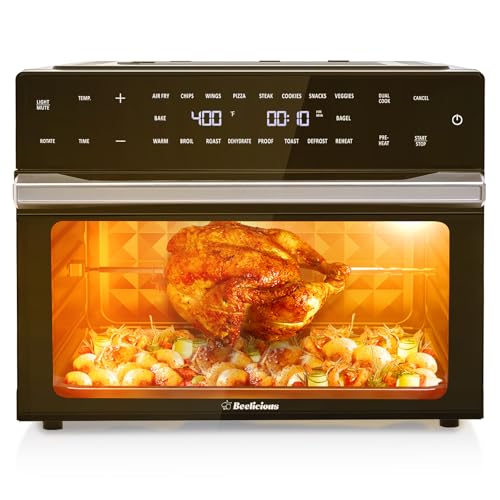

Quick Answer: How to Choose in 30 Seconds
Match capacity to your household first, then check the lowest temperature setting and the rack setup. Small homes usually do best with a compact basket model that still fits a drying rack. Larger households that dry food in batches usually need an oven style model with several trays. If you rarely dry food, a basic basket model with a simple low heat preset is enough.
Before You Buy: A Quick Checklist for Choosing an Air Fryer
Size: Match It to Your Household
Capacity is listed in quarts, and it drives both cooking and drying results. A 2 to 4 quart model suits one or two people and small batches of dried fruit. A 5 to 6 quart model fits most families of three or four and holds enough slices for a useful snack batch. Models of 8 quarts and above help larger households, but drying still happens in thin layers, so extra trays matter more than raw volume alone. If counter room is tight, start with our guide to the best small air fryer and compare footprints before you size up.
Which Type Fits Your Routine
Basket models are simple, heat up fast, and suit households that air fry several times a week and dry food now and then. Dual basket models let you cook two foods at once, though each basket dries a smaller amount. Oven style models open like a small oven, hold stacked racks, and suit people who plan to dry herbs, fruit, and vegetables often. Glass basket designs let you watch food without opening the unit, and our guide to the best glass air fryer explains where that visibility helps most.
Features Worth Paying For, and Ones to Skip
A true low heat range, roughly about 90 to 170 degrees Fahrenheit, is the feature that makes drying work, along with a timer that runs for many hours. Extra racks or mesh trays, a shake reminder for frying, and a window for checking progress all earn their cost. You can usually skip long lists of presets named for specific foods, a rotisserie kit you will store and forget, and smart controls if you prefer simple dials. Spend on the drying basics first.
Wattage, Power, and Energy Use
Most countertop models draw about 1300 to 1800 watts while frying at high heat. Drying uses far less energy per hour because the temperature stays low, but a cycle can run for 6 to 12 hours, so the total adds up quietly. A smaller model that fits your batch wastes less energy than a large cavity heated for a handful of apple slices. Check your circuit too, since a microwave and an air fryer on one circuit can trip a breaker.
Safety Features and Materials
Look for automatic shutoff when the basket or door opens, a cool touch exterior, and a recognized safety listing such as UL or ETL on the label. For drying, stable low temperatures matter for food safety, so choose a model that holds its setting without wide swings. If you want to limit plastic contact with hot food, our guide to the best non toxic air fryer compares ceramic coated, stainless steel, and glass options. Keep the cord short, the back vent clear, and the unit away from water at all times.
Counter Space and Dimensions
Measure width, depth, and height with the basket open or the door swung down, not just the closed footprint on the box. Leave several inches behind and above the unit so hot air can escape, and check that upper cabinets will not trap steam during long drying runs. Tall oven style models may not fit under standard cabinets at all. Weigh the unit honestly too, because a heavy model that is hard to move tends to stay unused.
Realistic Budget Ranges
Basic basket models with a drying preset often cost about $60 to $100 and suit occasional use. Midrange models at about $100 to $180 usually add better racks, steadier low heat, and quieter fans. Larger oven style models often run about $180 to $300, and the premium buys capacity and tray count rather than better dried fruit by itself. Set your budget after you decide on type and size, since paying more for the wrong shape still leaves you with the wrong appliance for your kitchen.
Types Compared: Basket, Dual Basket, and Oven Style Models
Rather than naming individual products, it helps to compare the three shapes that nearly every best air fryer with dehydrator shopper ends up choosing between. Each shape fries well. They differ mainly in how much food you can dry at once and how they fit your daily routine.
Basket Style: The Simple Default for Most Homes
A single basket model fries fast, preheats in minutes, and cleans up with the least effort, which is why it suits busy weeknights. For drying, you add a flat rack or stack slices in one layer, so batch sizes stay modest. That is fine for a tray of strawberry slices or a small bundle of herbs, but slow if you preserve a garden harvest. Choose this shape if drying is a monthly habit rather than a weekly project, and if storage space matters as much as capacity.
Dual Basket: Two Foods at Once, Smaller Drying Batches
Two separate baskets let you cook a main dish and a side at different settings, and some models sync the finish times for you. For drying, each basket works on its own, so you can run two small batches with different foods and pull each one when it is done. The tradeoff is total volume, since each basket is narrower than a single large basket. This shape suits couples and small families who value flexible weeknight cooking and only dry snacks in modest amounts.
Oven Style With Racks: Built for Serious Drying
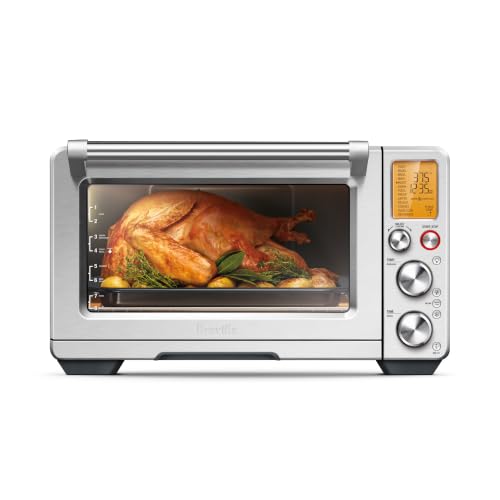
An oven style model with two or three mesh racks spreads food in thin layers with air moving around every piece, which gives the most even drying and the largest useful batch. It also handles sheet pan style meals and toast, so it can replace other appliances for some homes. The costs are a bigger footprint, more parts to wash, and a slower preheat than a basket model. When you weigh an oven style unit against a separate countertop oven, our comparison of air fryer vs toaster oven lays out the overlap clearly.
Do You Really Need a Dehydrator Function?
You will use it if you already buy dried fruit, make snacks for lunch boxes, grow herbs, or want to cut food waste by saving produce that is about to spoil. Drying concentrates flavor and stores food without freezer space, and homemade batches let you skip added sugar used in many store bought versions. A dedicated dehydrator still wins for very large harvests, and an oven on its lowest setting can handle an occasional batch. If you expect to dry food a few times a month or more, the combined appliance earns its space.
Common Buying Mistakes to Avoid
- Buying by quart size alone, then finding the basket holds far fewer slices in a single layer than you expected.
- Skipping the lowest temperature check, so the unit cannot go low enough for herbs and instead cooks them.
- Forgetting the timer limit, since some models stop after one or two hours and cannot finish a full drying cycle.
- Ignoring replacement cost for racks, mesh trays, and crisper plates that wear out or get lost.
- Placing the unit under low cabinets, where hours of warm moist air can damage the cabinet finish over time.
Cost of Ownership and Care
Running costs stay modest. Electricity for a long low heat cycle usually costs less than a short cycle in a full size oven, and the main ongoing expenses are replacement racks, liners if you use them, and an occasional new crisper plate. Wash baskets and trays in warm soapy water, wipe the heating element area once the unit is cool and unplugged, and let every part dry fully before storage. Our full walkthrough on how to clean an air fryer covers sticky residue in detail. Store racks inside the cavity so they do not bend in a drawer.
Your Questions, Answered
Is an air fryer with dehydrator worth it for a small kitchen?
Yes, if you would otherwise buy a separate dehydrator or skip drying altogether for lack of room. One appliance that fries dinner and dries snacks replaces two footprints with one, which is the real gain in a small kitchen. Choose a compact basket model and dry in smaller batches more often. If you rarely cook with hot air at all, the combined unit will still gather dust, so judge by your frying habits first.
How long does dehydrating take in an air fryer?
Most foods take about 4 to 12 hours depending on water content and slice thickness. Herbs can finish in about 2 to 4 hours, apple and banana slices often need about 6 to 8 hours, and tomatoes can take longer still. Cut pieces to a similar thickness so they finish together, and start checking an hour before the shortest expected time. Food is done when it feels dry and leathery or crisp, with no cool moist spot when you tear a piece open.
Can an air fryer with dehydrator make jerky safely at home?
It can, but meat needs more care than fruit or herbs. Use lean cuts, slice evenly, and follow current guidance from official food safety sources on heating meat before or during drying to reduce risk. Keep the temperature steady, refrigerate the finished jerky, and eat it within a short window rather than storing it for months. If your model cannot hold a steady setting in the range those sources advise, choose a different method for meat and keep the appliance for produce.
Why does dried fruit from an air fryer turn out uneven?
Uneven results usually come from crowded trays and mixed slice thickness rather than from the appliance itself. Air needs a gap around each piece, so a single layer dries far more evenly than a heaped basket. Rotate racks halfway through long cycles in oven style models, because the layer nearest the fan dries fastest. Pat very juicy fruit dry before you start, since surface water adds time and steams the pieces below it.
How long does an air fryer with dehydrator usually last?
A well kept unit often lasts about 3 to 5 years of regular use, and gentler treatment can stretch that further. The fan and heating element do most of the work, while baskets, racks, and coatings wear out first from scrubbing and heat cycles. Hand wash coated parts and avoid metal tools inside the basket. Register the warranty when you buy, since coverage varies a lot between brands.
Final Thoughts
Start with your household size, pick the shape that fits your counter and your habits, and confirm the low heat range and timer before anything else. Basket models suit most homes, dual baskets suit flexible weeknight cooking, and rack based oven models suit keen preservers. Whichever shape you choose, the best air fryer with dehydrator is the one you will use weekly without fighting for space. Check the product table above once more and order with confidence.