Air Fryer vs Toaster Oven: Which One Fits Your Home Better? (2026)
Disclosure: We may earn a commission when you buy through links on this page, at no extra cost to you. As an Amazon Associate I earn from qualifying purchases. Learn more
Air Fryer vs Toaster Oven: see how they differ in everyday use, features and value, and which one makes more sense for your home and budget.
Your old oven still works, but heating it for nuggets, roasted vegetables, or two slices of toast feels wasteful on a busy night. The real choice in air fryer vs toaster oven shopping is not which appliance sounds more modern. It is which one fits your counter, your household size, and the meals you repeat each week.
This guide compares the two by home fit first, then by daily ease, cleaning, noise, and the cost to own. Use the comparison table below to spot the broad pattern, then read the sections that match your kitchen and your routine.
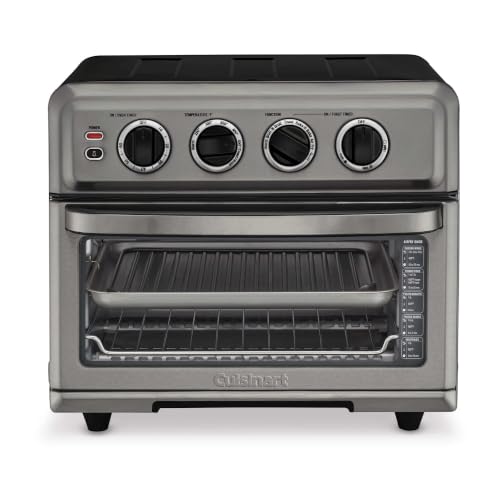
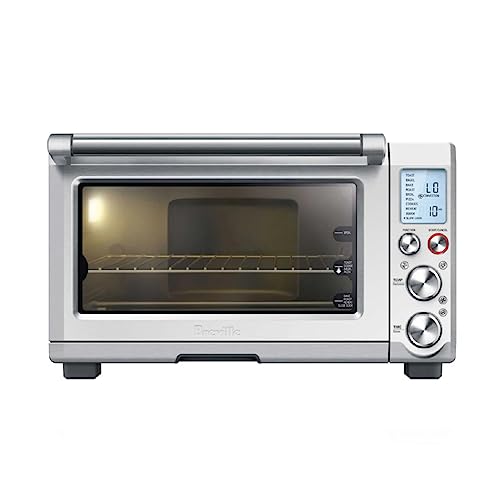
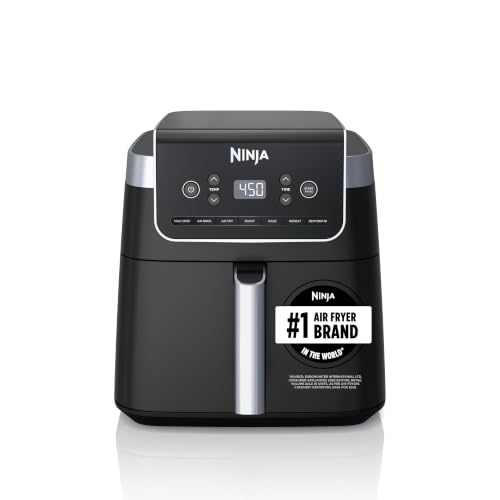


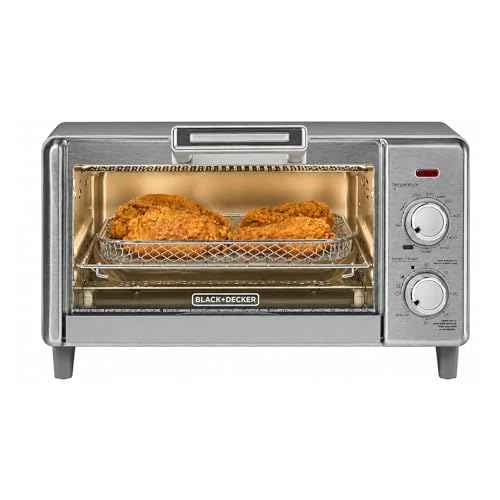
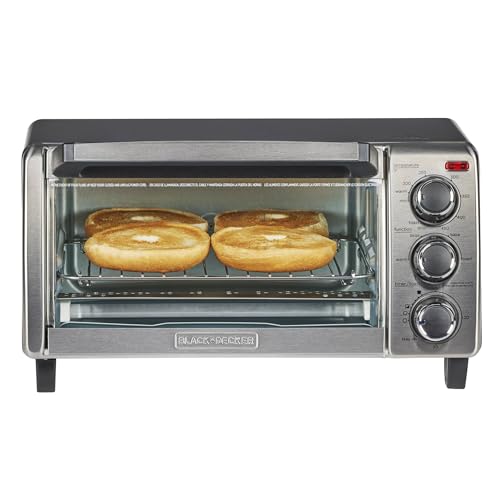


Air Fryer vs Toaster Oven at a Glance
Both appliances cook with hot air and sit on a counter, yet they reward different homes. An air fryer concentrates heat in a small chamber for fast crisping. A toaster oven spreads heat in a wider cavity for toast and trays.
| Criteria | Air Fryer | Toaster Oven | Better Fit |
| Footprint | Tall and narrow | Wide and low | Air fryer for tight counters |
| Batch size | Small to medium loads | Larger trays at once | Toaster oven for groups |
| Strongest jobs | Crisping and reheating | Toasting and baking | Depends on your menu |
| Cleaning focus | Basket and drawer | Crumb tray and walls | Air fryer for quick washups |
| Typical price | About $60 to $180 | About $70 to $250 | Air fryer at entry level |
Meet the Contenders: Air Fryer and Toaster Oven
The Air Fryer in Daily Home Use
An air fryer is a compact counter appliance with a strong fan and a heating element above a basket or drawer. Hot air moves fast around food in a tight space, so surfaces brown quickly and fries, wings, and vegetables turn crisp with little oil. Most home models suit one to four people per batch, depending on how much space food needs in a single layer.
The format varies more than the name suggests. Along with classic drawer models, you will see portable designs that cook in a glass container and store away between uses. If that flexible format interests you, our ninja crispi review explains how it handles storage and serving.
The Toaster Oven in Daily Home Use
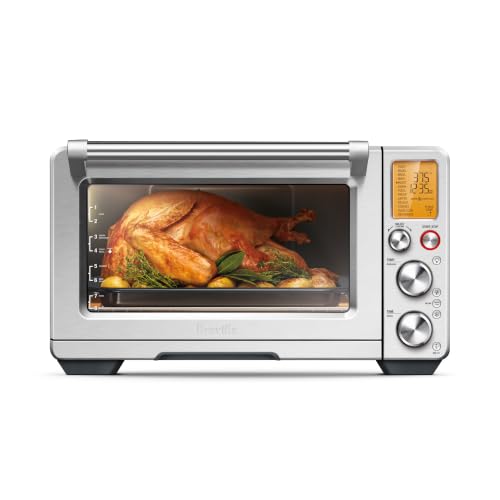
A toaster oven is a small oven with a front door, a wire rack, and heating elements above and below the food. It toasts bread, bakes small trays of cookies, melts cheese on open sandwiches, and roasts food on a flat pan. Because the cavity is wide and flat, you can see food through the door and slide in dishes that would never fit in a basket.
Many current models add a convection fan and an air fry setting, which narrows the gap between the two appliances. Even then, the larger cavity heats more air than a basket model does, so crisping tends to take a bit longer. In return, you gain room for a small casserole dish or a personal pizza.
Head to Head: Where They Really Differ
Capacity and Fit on Your Counter
Start with the meals you cook most, not the quart rating on the box. A basket that looks large can still crowd food once you spread fries or chicken pieces in one layer, and crowded food steams instead of crisping. Think in portions, one or two servings per batch for most basket models, with larger family models handling three or four servings when food sits flat.
A toaster oven trades counter width for tray space, so measure your counter depth and the clearance under upper cabinets before you buy. For a single person or a couple in a small kitchen, a compact basket can be the smarter use of space, and our dash compact air fryer review shows what that smaller footprint gives up in batch size. Larger households often prefer one wide tray over two or three basket batches.
Cooking Results for Foods You Make Most
For crisp edges, the air fryer usually wins on speed. Frozen snacks, chicken wings, and reheated pizza slices come out with firm, browned surfaces because the fan pushes hot air close to the food from all sides. Dense vegetables such as Brussels sprouts and potato wedges also do well, as long as you shake or turn them partway through cooking.
The toaster oven shines where shape and gentle heat matter more than intense airflow. Toast shades more evenly across wide slices, cheese melts without blowing light toppings around, and baked goods rise in a space that feels like a real oven. Flat basket designs try to bridge this gap, and the typhur dome 2 review covers one wide format in detail. For most homes, your weekly menu, not a single food, should decide this section.
Ease of Use Day to Day
Air fryers tend to feel simpler at dinner time. You load the basket, set time and temperature, and shake once when the timer prompts you. Presets help for common foods, but the real ease comes from short preheat times and cooking without watching a large oven.
Toaster ovens ask a little more judgment and reward it with control. You choose rack position, watch browning through the door, and can toast, bake, or broil without changing appliances. That flexibility helps if you cook varied meals, yet it can feel like extra steps on nights when you only want fries with minimal thought.
Cleaning and Upkeep at Home
With an air fryer, cleanup centers on two parts, the basket and the drawer or container beneath it. Most have a nonstick coating and can go in the dishwasher, though hand washing helps the coating last. Wipe the interior and the area near the heating element once the unit cools, because grease builds up there and can cause odors or smoke on later cooks.
A toaster oven spreads the mess across a crumb tray, a rack, and the interior walls. The crumb tray slides out for emptying, which is quick, but baked on splatter on the walls takes more effort and some coatings limit the cleaners you can use. In both cases, unplug the appliance and let it cool fully before you clean, and never immerse the main body in water.
Noise in an Open Plan Home
The fan that makes an air fryer fast also makes it the louder option. Expect a steady fan sound for the full cook time, similar in character to a microwave hum but often a little stronger. In a studio apartment or an open plan kitchen and living space, that sound is part of the room for ten to twenty minutes at a stretch.
A basic toaster oven without convection is nearly silent apart from a timer tick or a finish tone. Models with a convection fan do make noise, but the fan works in a larger cavity and often sounds softer to people nearby. If you cook early in the morning while others sleep, or you take calls from the kitchen table, this difference is worth weighing.
Safety, Build, and Warranty
Both appliances get very hot outside as well as inside, so each needs clear space around it and a stable, heat safe surface. Keep cords away from the hot exterior, supervise cooking, and follow the manual on clearance, because cabinets and walls can suffer heat damage when vents sit too close. Look for an automatic shutoff and a cool touch handle, features that matter in homes with kids reaching the counter.
Build quality shows in door hinges, basket coatings, and how solid the controls feel after months of use. Warranty length on home models commonly runs about one to two years. Register the product, keep your receipt, and check that replacement baskets, racks, and crumb trays are sold for the model you choose, since those parts wear first.
Price and the Cost to Own
Entry level air fryers commonly cost about $60 to $120, mid range models about $120 to $180, and large or dual basket versions can pass $200. Basic toaster ovens start at about $70 to $100, while convection models with an air fry mode often run about $150 to $250. Prices shift with sales, so treat these bands as planning guides rather than promises.
Ownership cost goes beyond the sticker. A smaller air fryer heats less air for small portions, which can trim energy use across many weeknight meals, while a toaster oven avoids heating a full size oven for one tray. Factor in replacement baskets or trays and the counter space each unit claims all year.
Our Recommendation for Your Home
Pick the Air Fryer If
Choose the air fryer if crisp texture and speed top your list and you usually cook for one to four people. It suits apartments, dorms, and busy households that reheat leftovers often and want firm results without heating the whole kitchen. It also suits cooks who like simple controls and a basket they can shake and serve from with little fuss.
Pick the Toaster Oven If
Choose the toaster oven if toast, baking, and tray meals anchor your routine and you want to watch food as it cooks. It suits families who cook flat foods, melt cheese often, or need room for a small baking dish. It also suits homes replacing an old toaster anyway, since one wide appliance can cover breakfast and dinner in a single footprint.
Not Sold on Either? One More Option
A combination oven that adds a strong air fry mode to a toaster oven body is the middle path worth knowing about. It gives you a door, a rack, and tray space, plus faster airflow than a basic toaster oven provides. The tradeoff is size and price, since these units are wider and cost more than simple models of either type.
Consider that hybrid only if your counter can hold it and you truly cook both ways each week. If you mostly crisp small batches, a plain air fryer remains cheaper and easier to clean.
Your Questions, Answered
Which appliance tends to last longer, an air fryer or a toaster oven?
A simple toaster oven often lasts longer because it has fewer moving parts and its racks and trays are easy to replace. An air fryer depends on its fan and on a basket coating that slowly wears with use and washing. You can extend the life of either one by avoiding metal tools on coated parts, keeping vents clear, and buying a model whose wear parts are sold separately rather than treating the whole unit as disposable.
Which is easier to clean, an air fryer or a toaster oven, if you use liners?
With a liner, the air fryer is usually quicker, since the liner catches drips in one small basket and lifts out in seconds. Only use liners made for air fryers, add them with food on top so they cannot lift into the element, and expect slightly softer crisping because air flow drops. In a toaster oven a foil lined tray helps too, but crumbs and wall splatter still need regular attention beyond the tray itself.
What is the main difference between air fryer and toaster oven design?
The main difference between air fryer and toaster oven design is where the food sits and how air reaches it. An air fryer surrounds a small load in a basket with fast moving air, while a toaster oven holds food still on a rack in a larger box with gentler air. One practical result is shape, round or chunky foods suit the basket, while long, flat, or delicate foods that you must not shake suit the rack.
Is an air fryer better than a toaster oven for serving a whole family at once?
For serving everyone at the same moment, a wide toaster oven tray often works better, because the full portion finishes together. An air fryer can match the total amount only by cooking back to back batches, so the first batch cools while the last one cooks. If your family eats in shifts, that hardly matters, but for a shared meal on one table, plan around that timing gap when you choose.
Final Thoughts
There is no single winner in the air fryer vs toaster oven debate, only a better match for your space, your household, and the foods you repeat. Let the product table above guide your shortlist, and compare more basket and oven styles in our guide to the best air fryer before you buy. Pick the appliance you will use on an ordinary Tuesday, and it will earn its place on your counter.