Best Air Fryer for Meal Prep in 2026: Buying Guide for Weekly Batches
Disclosure: We may earn a commission when you buy through links on this page, at no extra cost to you. As an Amazon Associate I earn from qualifying purchases. Learn more
The best air fryer for meal prep fits your batch size and cleans fast. Compare basket, dual basket and oven style types.
Sunday afternoon in a small kitchen can get crowded fast, with chicken waiting, vegetables chopped, and containers lined up to be filled. The best air fryer for meal prep makes that routine calmer by cooking steady batches without heating the whole kitchen. This guide helps you choose by counter space, household size, and budget, and the product table lists current options.
If you are still weighing the category in general, start with our guide to the best air fryer, then return here for the prep focused details. Meal prep asks more of a machine than a single dinner does, because you run it in rounds and rely on the food tasting good after reheating.


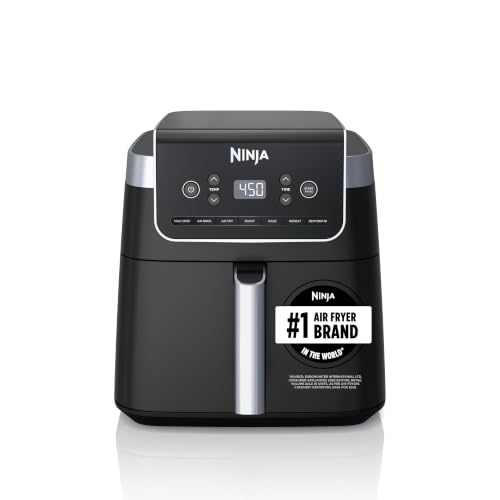


Quick Answer: Types That Fit Meal Prep in 30 Seconds
For most homes, a basket model of about 5 to 7 quarts hits the balance point. It cooks a family sized batch in one round, fits a standard counter, and cleans fast enough that you will use it weekly. Choose a smaller or larger type only when your routine clearly calls for it.
- Basket models: the simplest fit for weekly batches, with the fastest cleanup between rounds.
- Dual basket models: useful when protein and a side should finish together, since each basket runs its own settings.
- Oven style models: better for wide trays of vegetables and larger groups, with racks instead of a deep basket.
- Compact models: sensible for one or two people prepping lunches, if you accept more rounds.
Before You Buy: A Quick Checklist for Choosing an Air Fryer for Meal Prep
Meal prep changes what matters. A model that shines for one portion of fries may frustrate you when you need four lunches in a row. Start with size, because capacity decides your round count.
Size: Match It to Your Space and Your Batch
Think in batches per session, not just quarts on a box. A 2 quart model suits one person, but it turns chicken for four into three or four rounds. Models of about 4 to 6 quarts cover the middle ground, cooking a family portion or several lunch portions at once. At 8 to 10 quarts, large models cut the round count yet demand more counter room. If space is tight, our guide to the best small air fryer covers the compact end. Overcrowding any basket slows crisping, so usable surface area matters as much as headline capacity.
Which Type Fits Your Routine
Basket models are the workhorse for most routines because they load fast, shake easily, and go back in for the next round with little fuss. Dual basket models let you cook two foods that need different settings, which suits a protein and a vegetable side in one session. Oven style models give you racks and a wider tray shape, helpful for flat foods, though trays take longer to wash. Rotisserie functions help only if whole birds are a regular part of your plan.
Features Worth Paying For and Ones to Skip
A shake reminder earns its keep during prep, because you are often chopping the next batch while the first one cooks. A viewing window saves the heat you would lose by opening the basket to check color. Sync settings on dual basket models are worth paying for if you regularly finish two foods at once. If coating materials matter to you, compare options in our guide to the best non toxic air fryer. Skip long preset lists, since you will mostly set time and temperature by hand.
Wattage, Power and Energy Use
Most countertop models draw about 1300 to 1800 watts, and higher wattage mainly means faster heat up and quicker recovery after you open the basket. That recovery matters for prep, because each cold batch drops the temperature inside. An air fryer also uses far less energy than a full oven for a small batch. Avoid running another large heating appliance on the same circuit.
Safety Features and Certifications
Look for a recognized safety listing such as UL or ETL, plus automatic shutoff when the basket opens or the timer ends. A cool touch exterior and a stable base matter in a busy prep session. Keep the cord away from the hot air vent at the back. Stop using the appliance and contact the maker if the coating flakes or the cord frays.
Counter Space and Dimensions
Measure the spot before you order, including the height under your cabinets, and leave a few inches behind the unit for hot air to escape. A model pushed against the wall will run hotter and age faster. If you must lift it from a low cupboard weekly, a lighter basket model will get used more than a heavy oven style unit.
Realistic Budget Ranges
At about $50 to $100, expect compact and basic basket models with simple controls. Spending about $100 to $150 usually buys the 5 to 7 quart size most prep cooks want. At about $150 to $200 and above, you pay for dual baskets, oven style racks, windows, and sync functions. Put money into capacity and an easy to clean basket first, because those points shape every session.
Types Compared for a Meal Prep Routine
Match the type to the way you actually prep. The three groups below each trade speed, flexibility, and cleanup effort differently.
Basket Models for Simple Weekly Batches
A single basket fits cooks who prep one food at a time in sequence, such as chicken first, then potatoes, then green beans. The workflow is simple, the basket washes quickly, and the machine reheats fast between rounds. The limit is timing, since foods that need different temperatures wait their turn. For households of two to four, this is usually the calmest routine.
Dual Basket Models for Protein and Sides at Once
Two baskets help when your plan pairs foods with different needs, like salmon that cooks gently beside vegetables that want higher heat. A sync finish setting can bring both baskets to done at the same moment, which keeps packing simple. The trade offs are size and washing, since two baskets go in the sink, and each is smaller than a single basket on a similar sized machine. Choose this type only if parallel cooking is a weekly habit.
Oven Style Models for Tray Based Prep
Oven style models spread food across racks, which suits large flat batches such as sliced peppers, tofu slabs, or a week of roasted vegetables. You can also fit a small baking dish inside for egg bakes that a deep basket handles poorly. Airflow between racks is gentler than in a basket, so rotate trays for even color. Cleanup takes longer because racks, trays, and walls all collect splatter.
How to Evaluate an Air Fryer for Meal Prep
When you shop for the best air fryer for meal prep for your own kitchen, judge each model on six points from weekly use. Capacity sets your round count. Cooking performance shows in even browning across a full basket, not just in the center. Ease of use means controls you can set with damp hands and a basket that slides without sticking. Cleaning covers the basket, the plate, and the area near the heating element. Noise matters because a session can run the fan for an hour. Safety listings and warranty length round out the picture.
If you are new to the appliance, our walkthrough on how to use an air fryer explains the settings and shaking steps every prep session relies on. Once those basics feel automatic, your attention can go to seasoning and packing.
Living With It: What Really Matters in an Air Fryer for Meal Prep
The real test comes on day three, when lunch is a reheated portion rather than a fresh one. Moving hot air dries the surface again, so chicken and roasted vegetables regain crispness that a microwave takes away. Reheat proteins in a single layer, and let them rest before sealing the container, since trapped steam softens the surface.
Prep day flow matters as much as cooking speed. Set out containers first, season all batches before you start, and group foods by temperature so settings change as little as possible. While one batch cooks, chop the next. If you already own a capable oven, the comparison in air fryer vs convection oven shows where each one wins on batch size and speed.
Common Buying Mistakes to Avoid
- Buying by headline quarts alone: a tall narrow basket holds less food in a single layer than the number suggests.
- Ignoring the space under cabinets: a unit that vents into a cabinet face runs hot and can damage the finish.
- Paying for presets instead of capacity: food icons do not shorten a prep session, but a bigger basket does.
- Forgetting replacement parts: weekly use wears baskets and plates, so check that spares exist first.
- Skipping the return window check: the first full prep session reveals fit problems a quick test never shows.
Cost of Ownership and Care
Running costs stay modest. Electricity for a session of several rounds costs far less than heating a full oven, and the main ongoing spend is optional items such as parchment liners, oil spray, and eventually a replacement basket. Treat the nonstick surface gently and it lasts longer. Avoid metal tools in the basket and skip abrasive pads.
Clean the basket and plate after each prep day, and wipe the interior once splatter builds up. Our step by step guide to how to clean an air fryer covers the heating element and fan area, which most quick washes miss. Store the unit with the basket slightly open so odors fade.
FAQ
How big should an air fryer be for meal prep for a family of four?
For four people, about 6 to 8 quarts usually keeps a session to two or three rounds per food. A practical check is the chicken check: if the basket fits your usual family portion of chicken in one layer with small gaps for airflow, the size is right. Families prepping lunch and dinner portions on one day often prefer the upper end of that range.
Can you cook frozen meal prep portions directly in an air fryer?
Yes, most frozen prepped items cook straight from the freezer, which makes backup lunches easy to keep on hand. Add a few minutes beyond the fresh cooking time and check the thickest piece with a food thermometer. Thin items like vegetable mixes handle this best. Thick chicken portions cook more evenly if you move them to the fridge the night before.
How do you keep air fried meal prep food crisp after storing it?
Cool food fully on a rack before you close the container, because sealing warm food traps steam against the surface. Store sauces in separate small pots and add them after reheating, not before. When you reheat, leave the lid off and give pieces space in the basket. A light spray of oil helps dry surfaces turn crisp again.
Is an air fryer worth it if you only meal prep for one person?
It can be, because a small model reheats single portions with better texture than a microwave and cooks a two or three day batch of protein in one short round. The value drops if your prep style leans on soups, curries, and grains, which other appliances handle better. If most of your prepped meals are roasted or crisped foods, even a compact unit earns its counter space.
How long does an air fryer last with weekly meal prep use?
With weekly use, many home models serve for several years, and the basket coating is usually the first part to show wear. Slow that wear by soaking the basket in warm soapy water instead of scrubbing, and by avoiding sprays that leave a sticky film. When browning turns uneven or the fan grows loud, the unit may be aging, and replacement is often wiser than repair.
Final Thoughts
Choose the size that fits your household first, then the type that matches your routine, and let features come last. A 5 to 7 quart basket model covers most prep cooks, dual baskets suit parallel cooking, and oven style racks serve tray based menus. Look back at the product table above and match each type against your counter measurements and batch size. Pick the best air fryer for meal prep for the way your family actually eats, and prep day becomes a short, steady habit.