Air Fryer vs Convection Oven: Which One Fits Your Home Better? (2026)
Disclosure: We may earn a commission when you buy through links on this page, at no extra cost to you. As an Amazon Associate I earn from qualifying purchases. Learn more

Air Fryer vs Convection Oven: see how they differ in everyday use, features and value, and which one makes more sense for your home and budget.
Picture a weeknight at 6 p.m. The chicken is still frozen, the fries are waiting, and four hungry people are circling the kitchen. This is the moment when the air fryer vs convection oven question stops being abstract. Both cook with moving hot air, yet they suit very different homes, counters, and routines.
This guide helps you choose by what matters day after day: space, household size, cleaning effort, and cost of ownership. The comparison table below gives the short version first. If you already know you want the countertop route, our guide to the best air fryer options is a good next stop.


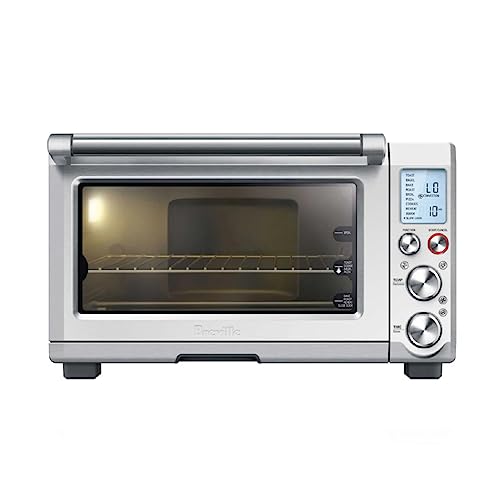
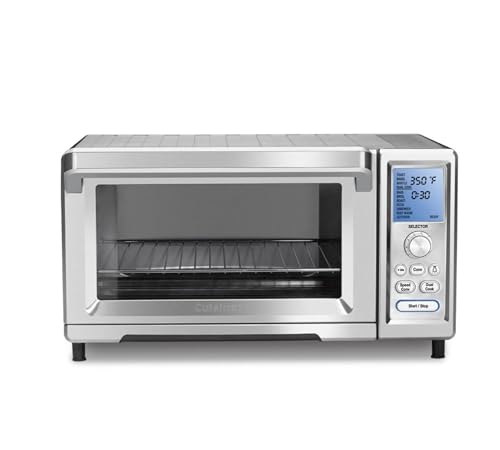


Air Fryer vs Convection Oven at a Glance
Neither appliance wins everywhere, so read the winner column as a guide to fit rather than a verdict on quality.
| Criterion | Air Fryer | Convection Oven | Winner |
|---|---|---|---|
| Best batch size | Meals for 1 to 4 people | Family meals, batch cooking | Depends on household |
| Footprint | Countertop, needs storage | Built in or countertop, larger | Air fryer |
| Preheat time | A few minutes | Longer, bigger cavity | Air fryer |
| Crisping small foods | Excellent, strong airflow | Good, gentler airflow | Air fryer |
| Baking volume | Limited by basket | Sheet pans, large roasts | Convection oven |
| Cleaning effort | One basket and tray | Racks, large interior | Air fryer |
| Typical price | About $50 to $200 | About $100 to $400 countertop, far more for a range | Air fryer |
Meet the Contenders: Air Fryer and Convection Oven
Air Fryer Overview
An air fryer is a compact countertop appliance with a heating element and a strong fan packed into a small cooking chamber. Food sits in a perforated basket or on a crisper tray, so hot air reaches it from nearly every side at once. Because the chamber is small, the air moves fast and surfaces dry quickly, which gives fries, wings, and reheated pizza their crisp bite.
Most models hold about 2 to 8 quarts, and the whole unit is roughly the size of a large coffee maker. You pull it out, cook, wash the basket, and put it away. There is no installation or venting work, which is why air fryers are popular in rentals and small apartments.
Convection Oven Overview
A convection oven is a full oven that adds a fan and an extra heating element at the back of the cavity. The fan circulates hot air around the food, evening out hot spots and helping large items cook more evenly than in a standard oven. You will find the feature in full size ranges, wall ovens, and larger countertop ovens.
The defining trait is volume. A typical range oven holds about 5 to 6 cubic feet, enough for a large turkey, several racks of cookies, or two sheet pans side by side. It suits households that cook big meals often.
Head to Head: Where They Really Differ
Capacity: Air Fryer vs Convection Oven
Capacity decides more purchases than any other factor. An air fryer basket cooks best in a single layer with space between pieces, so a 5 quart basket realistically feeds two to four people at once. Cooking for six means running two batches, and the second batch eats into the time you saved. Singles and couples often choose the smallest sizes on purpose, and the dash compact air fryer review is a useful reference for what that class can and cannot hold.
A convection oven works on a different scale. Multiple racks let you roast vegetables on one level and bake on another, and a half sheet pan fits without trimming anything. If you host holidays, meal prep on Sundays, or bake in quantity, that volume removes batch juggling entirely. The cost is space: a range needs a permanent slot in your layout.
Cooking Performance
For crisping, the air fryer has the edge on small, sturdy foods. The tight chamber and fast fan drive moisture off surfaces quickly, so frozen snacks, wings, and roasted vegetables come out deeply browned, often fast. The same intensity is a drawback for delicate items: light foods can blow around, cheese can fly off, and thin batters may dry out before they set.
The convection oven cooks more gently and evenly across a big load, which makes it the stronger choice for cakes, casseroles, large roasts, and anything baked on several racks at once. Its larger cavity also holds temperature steadier when you add a cold, heavy dish. At the larger end of the air fryer category, the typhur dome 2 review shows how wide format designs try to close this gap by spreading food out instead of stacking it.
Ease of Use
Day to day, the air fryer asks very little of you. Most models use simple dials or touch controls, preheat in a few minutes, and shut off on a timer, so a distracted cook is less likely to overcook dinner. The basket pulls out mid cycle for shaking, making doneness checks quick.
A convection oven has a slightly longer learning curve. Recipes written for standard ovens often need adjusting, either a temperature lower by about 25 degrees or a shorter cooking time, because the moving air transfers heat faster. Once that habit clicks, the controls feel familiar, and several dishes at once share one timer and one preheat.
Cleaning
After a normal dinner, the air fryer wins on cleanup. The basket and tray come out, and most can go in the dishwasher, though washing by hand with a soft sponge protects the coating. The catch is frequency: fatty foods spatter the inside of the chamber and the area near the heating element, and that film builds up if you only wash the basket.
An oven asks for less frequent but bigger cleaning sessions. Racks come out for soaking, and the interior needs wiping down after roasts and cheesy bakes. Many full size models include a self cleaning cycle that burns off residue at very high heat, though it takes hours and should never run while you are out. Decide which effort you mind less: small and often, or rare and heavy.
Noise
Both appliances make fan noise, and the fan is the whole point, so some sound is unavoidable. An air fryer fan sits at counter height, close to ear level, and the small body does little to muffle it. You will hear it clearly from the next room.
A built in convection oven hides its fan behind insulation and cabinetry, so the sound reads as a low hum rather than a whir. Countertop convection ovens sit between the two. If your kitchen opens onto a living room or home office, picture that counter height fan at every weeknight dinner before you buy.
Safety and Warranty
The safety points differ by placement. An air fryer vents hot air from the back or top, so it needs clear space around it while it runs, and it should never run pushed tight under low cabinets where heat and steam collect. Its surfaces get hot, and the basket can tip if a child pulls the handle. Look for markings such as UL or ETL on the label.
A convection oven comes with the usual oven cautions: hot doors, heavy pans, and the need for proper ventilation and clearances at installation. As a major appliance, it is usually repairable by a service technician, and parts support tends to run for years. Countertop appliances are more often replaced than repaired when a fan motor or control board fails, and their coverage is typically shorter. Keep the manual and receipts so a claim stays simple.
Price and Value
Sticker price strongly favors the air fryer. Most countertop models cost about $50 to $200, and even generous family sizes rarely pass about $250. Countertop convection ovens run about $100 to $400, while a full size range with convection is a major purchase, often about $800 to $2,500 or more, plus delivery.
Running costs tilt the same way, with a caveat. Heating a small chamber for two people uses less electricity per meal than heating a full oven cavity for the same food, though the savings shrink if you run batch after batch for a crowd. Judge value by cost per year of real use, not by the tag alone: an oven kept for many years spreads its price thin.
Our Recommendation for Your Home
Pick the Air Fryer If…
Choose the air fryer if you cook for one to four people, your kitchen is small or rented, and your weeknight menu leans on frozen foods, wings, vegetables, and reheated leftovers. It also suits anyone who wants fast preheats, timer shutoff, and cleanup that fits in one sink load. To see how a compact model is laid out before you commit counter space, our ninja crispi review walks through one current design in detail. Be honest about batch size, though: a household that regularly feeds six will outgrow a basket quickly.
Pick the Convection Oven If…
Choose the convection oven if you bake often, cook for five or more people, or host gatherings where two sheet pans cook at once. It also fits homes where the oven is due for replacement anyway, since adding convection to a range you are already buying costs far less than a separate appliance strategy. Bakers benefit most from the even heat across racks.
Not Sold on Either? One More Option
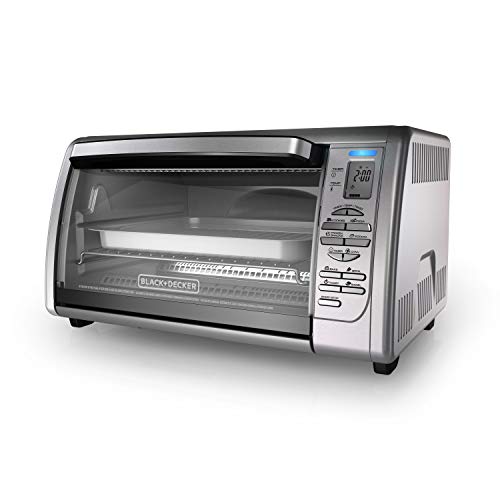
A convection toaster oven sits between the two. It offers a fan, a wider tray than most air fryer baskets, and room for a small pizza or a modest casserole, while still living on the counter. Many include an air fry setting that narrows the crisping gap further. It suits households that want oven style flexibility without replacing a range, though it gives up some crisping intensity and still claims a large footprint.
Your Questions, Answered
Which appliance lasts longer, an air fryer or a convection oven?
A convection oven generally lasts longer, mainly because it is built as a major appliance and can be repaired when a fan motor, element, or control wears out. Technicians stock parts for ranges for many years. An air fryer is usually replaced as a whole unit when its fan or electronics fail, since repair costs approach the price of a new one. One point in its favor: a simple dial model has fewer electronics to go wrong.
Which is easier to clean, an air fryer or a convection oven?
For a single meal, the air fryer is easier, since the basket and tray lift straight out. The detail most owners miss is the fan guard above the basket: grease mist coats the heating element area, and that spot needs a wipe with a damp cloth once the unit is cool and unplugged, or old residue starts to smoke during later meals. Oven racks can soak in a sink with hot soapy water, making even heavy buildup a low effort job given time.
What is the main difference between an air fryer and a convection oven?
The core difference is scale and airflow intensity. Both move hot air with a fan, but an air fryer does it in a tiny chamber, so the air hits food faster and crisps surfaces more aggressively. A convection oven does the same job gently across a large cavity built for volume. One consequence: air fryer recipes often need lower temperatures and shorter times than convection oven recipes for the same food, so check partway through when you swap settings.
Is an air fryer better than a convection oven for a small household?
For one or two people, usually yes. The small chamber heats fast, uses less energy per meal than a full cavity, and turns out crisp portions without leftovers going soft in a big oven. The exception is a small household that bakes seriously: bread, layered cakes, and large gratins still need real oven volume and steady, gentle heat. In that case the convection oven earns its place, and the air fryer becomes the weeknight shortcut rather than the main tool.
The Bottom Line
The honest answer to air fryer vs convection oven is that they overlap less than their shared fan suggests. One is a fast, small, low cost specialist for crisp everyday cooking; the other is the flexible center of a kitchen that feeds groups and bakes at scale. Match the choice to your household size, space, and weekly meals, then use the product table above to confirm the fit. Choose for an ordinary Tuesday dinner, not the feast you host once a year.